
Independently Owned, Locally Grown, Community Loved

OPINION PIECE from the office of Federal Member for Dawson Andrew Willcox There is no question that immigration into Australia is out of control. The government’s numbers are too high, and standards are too low. A sustainable migration program must consider our capacity to provide housing, healthcare, infrastructure and the essential services everyone relies on, and Australians must come first. But Labor’s decision to target Working Holiday Makers Visa holders is not the answer. These people filling vital gaps in our workforce are not the cause of Australia’s housing crisis. In many cases, they are living in accommodation provided by the very businesses that employ them. The National Farmers’ Federation has made the point that Working Holiday Makers generally stay in hostels, caravan parks or purpose-built on-farm accommodation. Resorts usually have on-site staff quarters. They are not the source of Australia’s housing shortage. So why is Labor making it harder for them to come here, when these workers fill genuine jobs that regional Australia holds? Working Holiday Makers fill approximately one in seven farm jobs nationally and are particularly important during peak agricultural periods, which for Dawson, it is right now! Farmers rely on these workers to plant, pick, pack and harvest the produce that ends up on Australian supermarket shelves. Having run one of Australia’s largest tomato farms, at times Working Holiday Makers made up more than 50 per cent of my workforce. Without them, much of our crop simply would not have been picked in time and rotted in the paddock. Some may say, why not employ the Australians who don’t have a job and are on “the dole”? Can I say, this does not work. Most farmers will employ Aussies over travelling backpackers, but many either don’t want to do the work or don’t turn up after the first day. Who picks the fruit or veggies then? Farmers are already warning that visa delays are leaving them without workers. The NFF says approvals that once took days are now facing processing times of up to three months, and this time frame can be the difference between harvesting a crop or losing it. That should concern every Australian already feeling the pressure at the supermarket checkout. The same problem is playing out in tourism. Across Dawson, Working Holiday Makers are an important part of the workforce supporting tourism and hospitality, particularly in the Whitsundays. They help fill shifts, work in hotels and restaurants, support tour operators and keep businesses running through their busiest periods. They also contribute to the local economy. They spend money on food, fuel, attractions and tours, supporting the small businesses that depend on a strong visitor economy. That is why tourism and business leaders across North Queensland are raising the alarm. They understand what happens when a regional business cannot get enough staff: opening hours are reduced, and services are cut, creating a downward spiral. We do need to reduce migration to sustainable levels. We need stronger integrity measures, and we need to crack down on rorts. But responsible migration policy means understanding which parts of the system are creating pressure and which parts are helping Australia function. Working Holiday Makers are not the problem. They are part of the workforce solution for regional. Australia. People have had a gutful of watching their standard of living go backwards. Groceries, fuel, housing and everyday expenses are already putting enormous pressure on families. The last thing Australians need is another reckless policy that makes it harder to produce food, harder to run regional businesses and harder for tourism operators to find the workers they need.
Read the full storySomeone sold a house in Sydney last week for $9 million less than they bought it for four or five years ago. The sellers had bought the property in Sydney’s eastern suburbs for $29 million and sold it for $20 million in a sale forced by their bank. I imagine the sellers are a little disappointed by the government’s decisions on negative gearing and capital gains tax and feeling pretty hurt by the increased interest rates. Australia’s interest rates are on the rise and are now sitting at levels not seen since 2011. Increased cost of living is hurting people around the country and interest rates are playing into that. But the impact of interest rates is not felt evenly around the country. The far-higher property prices mean people in the major cities suffer much more than regional areas with the rates increase. That is certainly not to say people in Mackay are unaffected by the cost of living; it’s just that the impact of interest rates increase on a $400,000 mortgage is much less than the impact on a $1m mortgage. There are other Mackay-specific factors that are in play when discussing the current housing market. The big factor is the role of coal in our economy. Most of the coal extracted and exported from our region is coking coal, which is used to make steel. The price of coking coal is around $280 a tonne, which is about 50 per cent up. Good activity in the coal market translates to good news for the Mackay economy, as it is an economic engine that other cities and regions just don’t have. Good activity in Bowen Basin flows throughout the Mackay economy; Paget workshops, transport, suppliers and related businesses all benefit. But so do other, non-mining-related businesses as they benefit from the general confidence and spending that goes on. The strong mining activity also means mines need to keep their staff levels up and that means more people moving to Mackay. Of course, Mackay is much more than a coal mining town but if the coal sector is going well those other areas definitely benefit. It is a confidence boost for Mackay people looking to get into the housing market and those wanting to upgrade or downsize. It also means continuing strong demand from people wanting to rent a property and it will be interesting to see what sort of activity that creates from investors. Investors have walked away from the big-city markets because they can no longer use negative gearing on established properties that do not have a sufficient yield to be positively geared. Negative gearing has never been a big thing in Mackay because our prices are lower and rental returns continue to be strong so many investors have a positively geared property. Around the country everyone is nervous about the state of play and the probability of more interest rate rises. But strong coal prices and an economy that is performing well mean Mackay might just be presenting an opportunity for buyers and sellers that doesn’t exist in other parts. I remember when national confidence was flying high and Mackay prices were going up significantly that many buyers were saying “I wish we had bought a while ago when the market wasn’t so hot”. I’m not armed with a crystal ball so I’m not here to tell you what is going to happen but I suspect there is a very good buying window right now for those looking for an opportunity.
Read the full story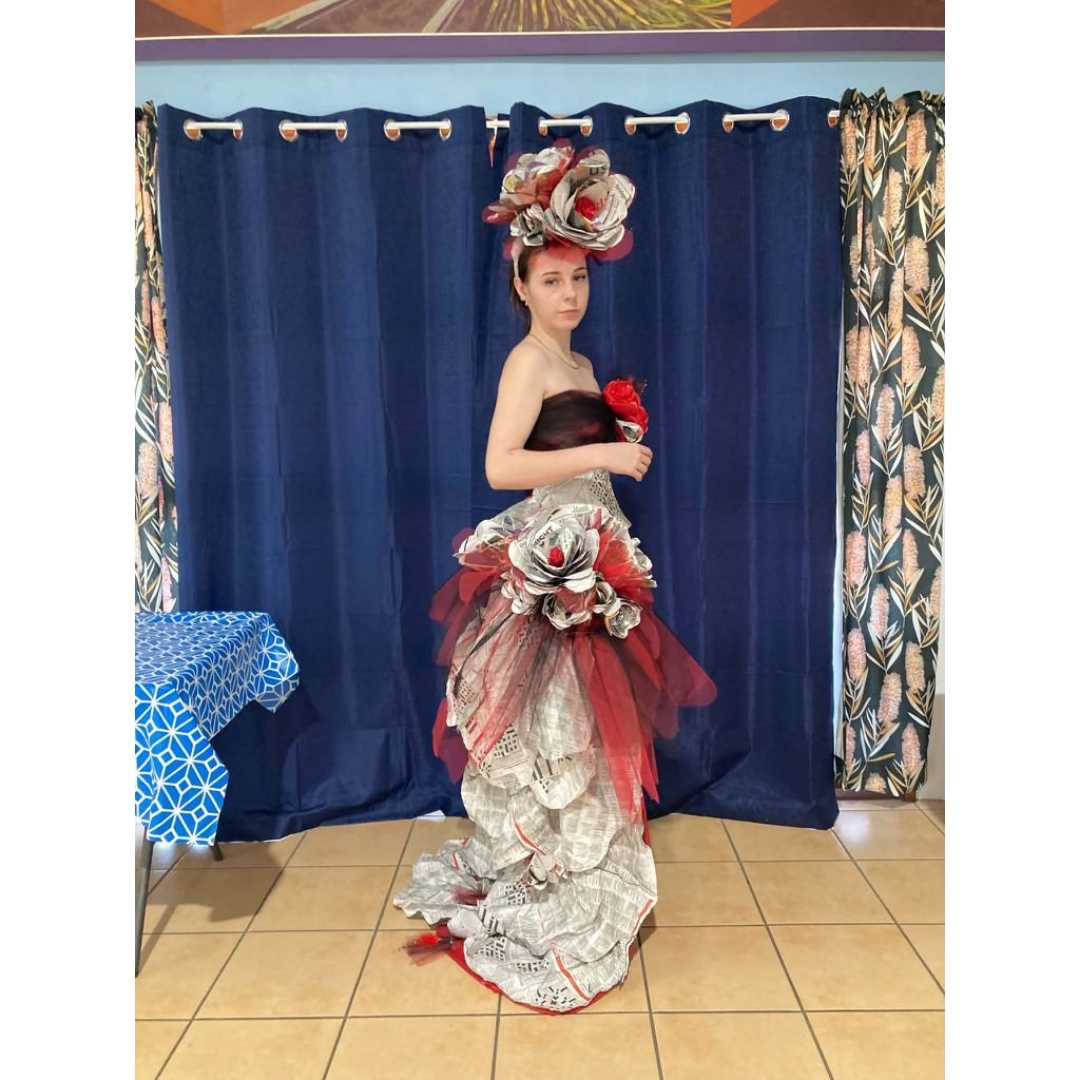
A local Mackay and Sarina based model has created a dress out of newspapers, including Mackay Life, for her upcoming pageant, representing her region and hometown on the runway as she vies for Miss Diamond International in Brisbane. Zoe Place will be competing this weekend in the three-day event, beginning this Friday 2nd October and ending on Sunday 4th October. The young model spent around a month creating her eco-fashion outfit, using old newspapers as the main material and transforming them into a bodice, skirt and flowers. Red elements were also incorporated into the design to give the dress a bold and glamorous pageant feel. Zoe said, “The entire concept was really about taking something that would normally be thrown away and turning it into something beautiful and meaningful.” Her eco-fashion creation will form part of a busy weekend in Brisbane, with the Miss Diamond International event including photo shoots, interviews, an eco-fashion show and the final pageant. Zoe has been preparing for the event by practising her strut and walking, preparing for interviews and getting comfortable in the different outfits she will wear throughout the weekend. Alongside her love of modelling, pageantry has also provided Zoe with a platform to raise awareness about causes close to her heart, including mental health, while fundraising for Beyond Blue. “Pageantry has given me more of a platform to combine my love for modelling with something that is really important to me.” “When I first started, I was more nervous about putting myself out there and worried about what others would think about me – but I’ve changed a lot through my journey in pageantry.” “Pageantry has also taught me that it’s not about how you look on stage. It’s about the person you are when you step off it.” “Every woman has their own unique journey and that journey is something we should all be really proud of.” “To me, it represents confidence, empowerment, kindness, and using your voice to make a difference.” Zoe said she was looking forward to meeting the other contestants, making new connections and creating memories. “I’m definitely looking forward to meeting all the new contestants and making new connections and creating memories that I will carry with me for a lifetime.” While Zoe hopes to eventually move to the city, her sights are set even further afield, with a dream of one day walking in New York Fashion Week. Mackay and Sarina local Zoe Place has created an eco-fashion dress from recycled newspapers, including Mackay Life, ahead of her Miss Diamond International pageant in Brisbane. Photos supplied
Read the full story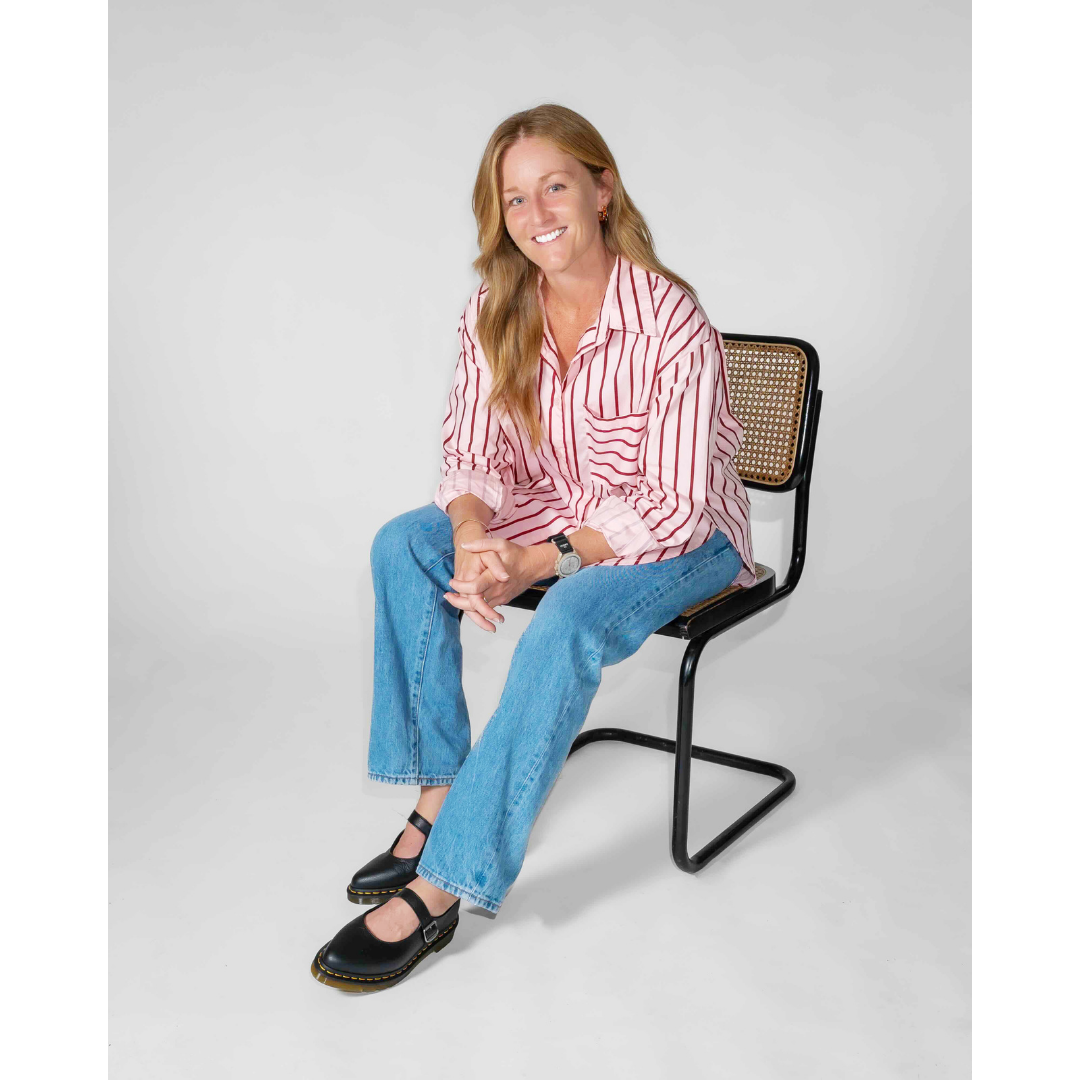
Trends, reels and the endless cycle of always wanting more has quietly bombarded the minds of countless social media users of all ages, but one former Mackay local has made it her mission to help others understand the effects of social media and find practical ways to break free from online addiction. Alexis Zahner is in Mackay over the next week to teach upcoming generations about social media and the effects it can have on the mind, particularly on identity, self-discovery, as well as the marketing strategies that get viewers hooked and influence their decisions. It is something Alexis knows first-hand can be a useful tool, but also a great disruption to authenticity and the world as we see and experience it. Alexis will hold a free meet and greet and book launch today, Friday 2nd October, at 5.30pm at the Mackay Surf Lifesaving Club, where she will give a talk and answer questions relating to her debut book, Real: Reconnecting to Yourself in a World of Likes and Lies. A former Mackay girl, Alexis spent the past 15 years working across business psychology, marketing and media, with her interest in social media influence beginning during her university studies at James Cook University in Townsville. Her own experience as a social media user, travel blogger and influencer eventually led her to question how much of her identity, decisions and values were being shaped by what she saw online. “The tipping point came for me about 3 years ago when I had this feeling that I couldn't separate influence from my own personal decision making,” she said. “I couldn't separate my own likes, dislikes, values, relationships from what I was being exposed to and being influenced by online.” “I found that I needed to take some time away from social media to recalibrate what was important to me and sort of reconnect and come back to myself.” Alexis said she understood the feeling of questioning who you are outside of social media. “I know what it feels like to live a life under the influence of social media and have that existential crisis of thinking to yourself, who am I? What do I like? What's the kind of life I want to live? and struggling to separate myself from influence.” Alexis is particularly passionate about reaching teenagers, who she says are in an important stage of identity development, and will share this message with Mackay high school students during her upcoming school talks. “Teenagers are really easily influenced by social media. So it's a really important age where we start educating them – not just on the mental health repercussions of things like social media and how it shortens their attention span, but how it actually influences who they become.” “If you're asking yourself these questions, it's not your fault. Social media is actually geared to create this impact on you.” Alexis encourages people of all ages to “start expanding beyond what you see on the platform.” “Dare to indulge in the things that you've always been curious about or things you used to love,” she said. “Don't be afraid to put the phone down to let yourself be curious and have fun.” What: Alexis Zahner's 'Real' Book launch When: 5.30pm Friday 2nd October 2026 Where: Mackay Surf Lifesaving Club Former Mackay local and author Alexis Zahner is returning home to share her experiences with social media and her debut book, Real. Photo supplied
Read the full story

A historical landmark, this monument will soon celebrate it’s centenary year. Photo source: Facebook
On ANZAC Day 2026, the Bowen Cenotaph (War Memorial) will commemorate 100 years since it was unveiled. The Cenotaph rises from Herbert Street, with its sandstone digger standing sentinel over a memorial, erected by the people of Bowen a century ago to remember those who died in World War One.
The memorial was unveiled on 25 April 1926 by Mr Forgan Smith M.L.A.
Additional names were added at a later date to remember those killed in World War Two and the Vietnam War. According to ANZAC Square, the plaque lists the names of 53 WWI soliders, 28 WWII soldiers and 4 Vietnam War soldiers. It was built by A.L Petrie & Sons.
The memorial has been restored and the original marble plaques have been replaced by black granite plaques. It originally featured a clock tower, however the clocks were damaged in a cyclone in 1958 and have not been replaced.
The front inscription states:
Erected by the citizens of Bowen,
In honour of those who fell in the Great War 1914-1919.
Their name liveth for evermore. We shall remember them.
On ANZAC Day there will be a Dawn Service at 5.45am at the Cenotaph and a march at 9am from the RSL to the Cenotaph for service.

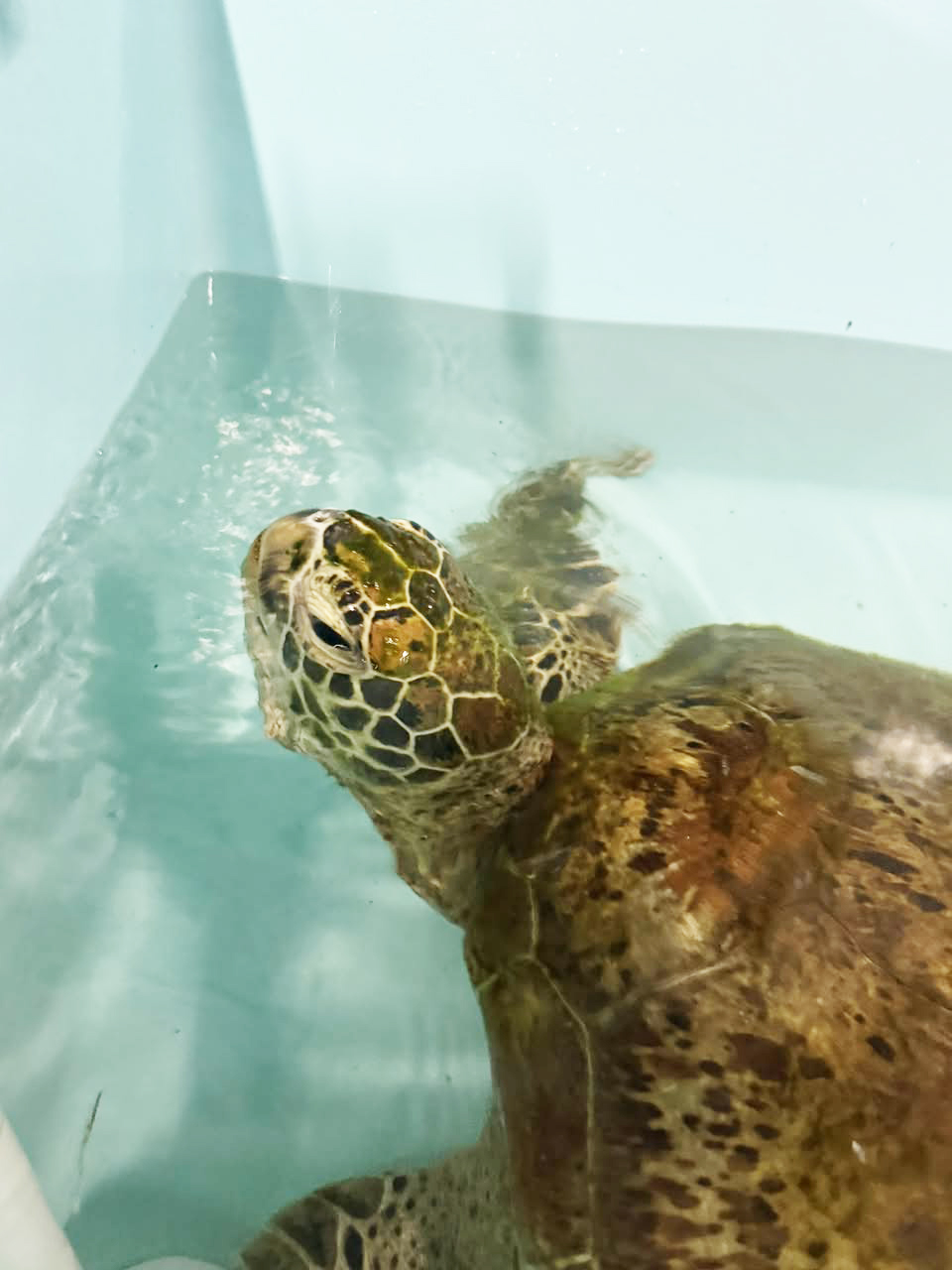
Regina the turtle has been rescued and treated following boat strike & ‘float’ disorder. Photo source: Facebook
Last week, local conservation group Eco Barge took a turtle named Regina into their care following months long surveys from dedicated Hayman Island staff. Regina caught a free ride on the ferry and came into the care of the Whitsunday Turtle Rescue Centre.
Regina is currently suffering from float, a disorder in which turtles are unable to submerge properly and become stuck floating at the surface of the water. She is also recovering from a partially healed but visible boat-strike injury to her shell. Regina is the largest turtle in Eco Barge’s care and carries great wisdom from her 50 years of living.
“A massive thank you to all the helping hands from Hayman Island Staff that went to great lengths to rescue Regina and bring her into care,” the team shared.
“We’ll give Regina some rest and refuelling in our centre and hope to have her swimming back around the beautiful Hayman Island in no time.”
Here’s to a speedy recovery for this wonderful animal.
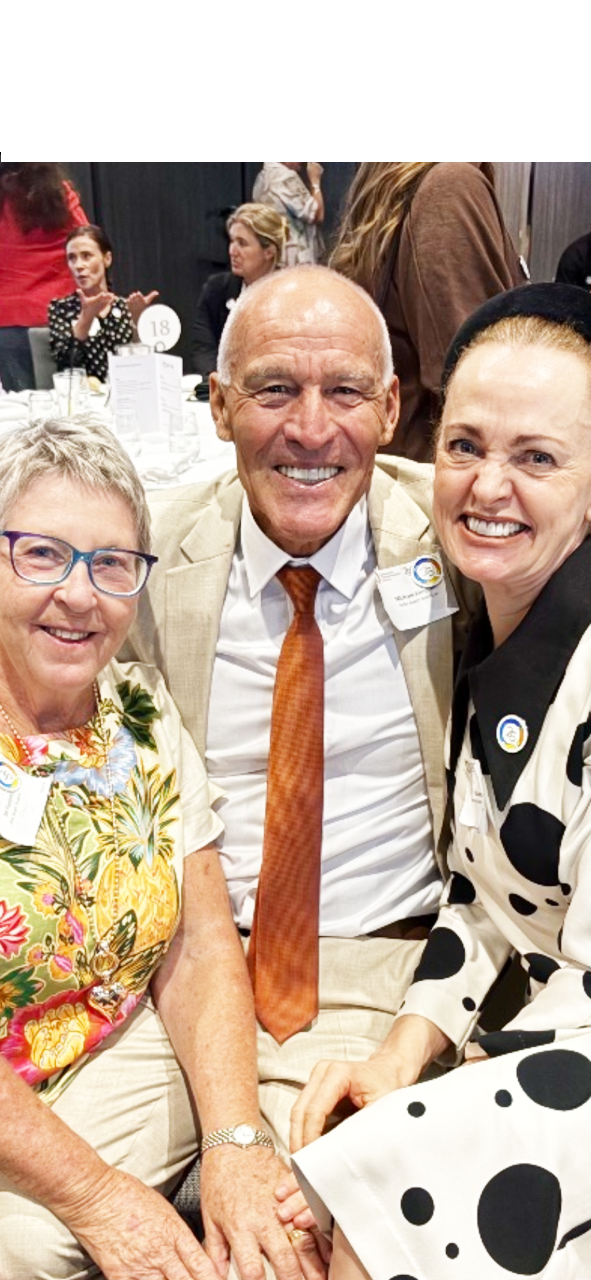
Val and Michael Kimpton, Elizabeth Hackett Photo supplied
The Queensland Tourism Industry Council (QTIC) is the peak body for Queensland’s tourism sector, acting as the ‘Voice of Tourism’. It advocates for tourism, hospitality, and event operators, focusing on policy development, research and business mentoring to ensure long term sustainability is achieved.
QTIC celebrated 25 years of advocacy on the 14th April supporting the Tourism Industry. This milestone was marked by a sell-out luncheon at the Emporium Hotel South Bank, Brisbane. This special networking Event celebrated the people, partnerships and dedication that have helped shape the Queensland tourism and events industry.
There were many inspiring speeches by our tourism leaders including the Hon Andrew Powell MP. The Q & A segment chaired by their CEO, Tash Wheeler and formerly CEO of Tourism Whitsundays, was one of the highlights.
The Whitsundays were well represented by our CEO of Tourism Whitsundays, Tim Booth, Tourism Whitsunday Board members Elizabeth Hackett, Daniel Gschwind and Tom Young together with members Michael and Val Kimpton representing the award winning Airlie Beach Triathlon in the Whitsundays.
Contributed with thanks to Michael Kimpton

The wreckage at Rose Bay is to be cleared by an out-of-town contractor this week after months of local volunteer action.
The announcement of a government-funded removal of boat debris strewn across the Whitsundays by Ex-tropical Cyclone Koji caused controversy last week, with locals calling for transparency as to why local towing companies were not consulted by Maritime Safety Queensland (MSQ) to take away the vessels.
When out-of-town corporation Clayton’s Towing announced they had been engaged to remove the vessel 7 Wonders from where it had been decaying on Bowen’s Rose Bay, locals sparked into conversation, asking the question: Why was a local business not called upon to take care of the refuse?
Darren Foster from Whitsunday Moorings & Marine Construction explained his frustration.
“During the last cyclones, the locals got a lot of work.” He said.
“Debbie, Louie, you know, all the big ones, the locals worked together. We got the job done. And it's just very unusual that, for whatever reason, there was no consultation with any of the local providers at all.”
“Generally, there's two ways that tenders go out. One, they go out for public tender, and it's just listed on a public tender site. When the tenders go out, we put in a price, and depending on whether or not we're competitive, we get it. In this case though, it appears that itwent out to a very closed group of tenders.
“There are local companies perfectly capable of undertaking the lifting and removal of those wrecks. After an event like [Ex-tropical Cyclone Koji], we all suffer financially because of the loss of tourists in the area. And when there's less tourists in the area, our clients have got less money to pay us, so we suffer as well.
“MDive, the company that have secured a lot of the work, are a Gladstone based company, who are looking to establish themselves here in the Whitsunday. We don’t hold any problem with that. However, a fair playing field would be a nice place to start.”
David suggested this wasn’t the first time local companies had lost out on work within the region.
“I personally assisted local senior parks rangers to develop the terms of reference to allow the Great Barrier Reef Marine Parks Authority to release the maintenance of the Whitsundays Public Moorings to private companies for tender.
“Not once in 16 years has a local company won that tender. Despite the fact that the local tender was cheaper and had very high experience in moorings repairs and maintenance.”
David Edge from David Edge Marine Contracting added to the conversation, calling on the government to explain the salvage decision.
“Overlooking local operators has happened in the past with MSQ, [for example] a vessel lodged in the mud at Cannonvale a few years ago, where MSQ gave the job to a Townsville company to salvage at a cost of $1.7 million with no tender issues, which we were more than qualified to perform,” he alleged.
“Before the state became involved, we quoted the vessel’s owner $90,000 to float the vessel.”
At the time of print we are waiting for a comment from MSQ.
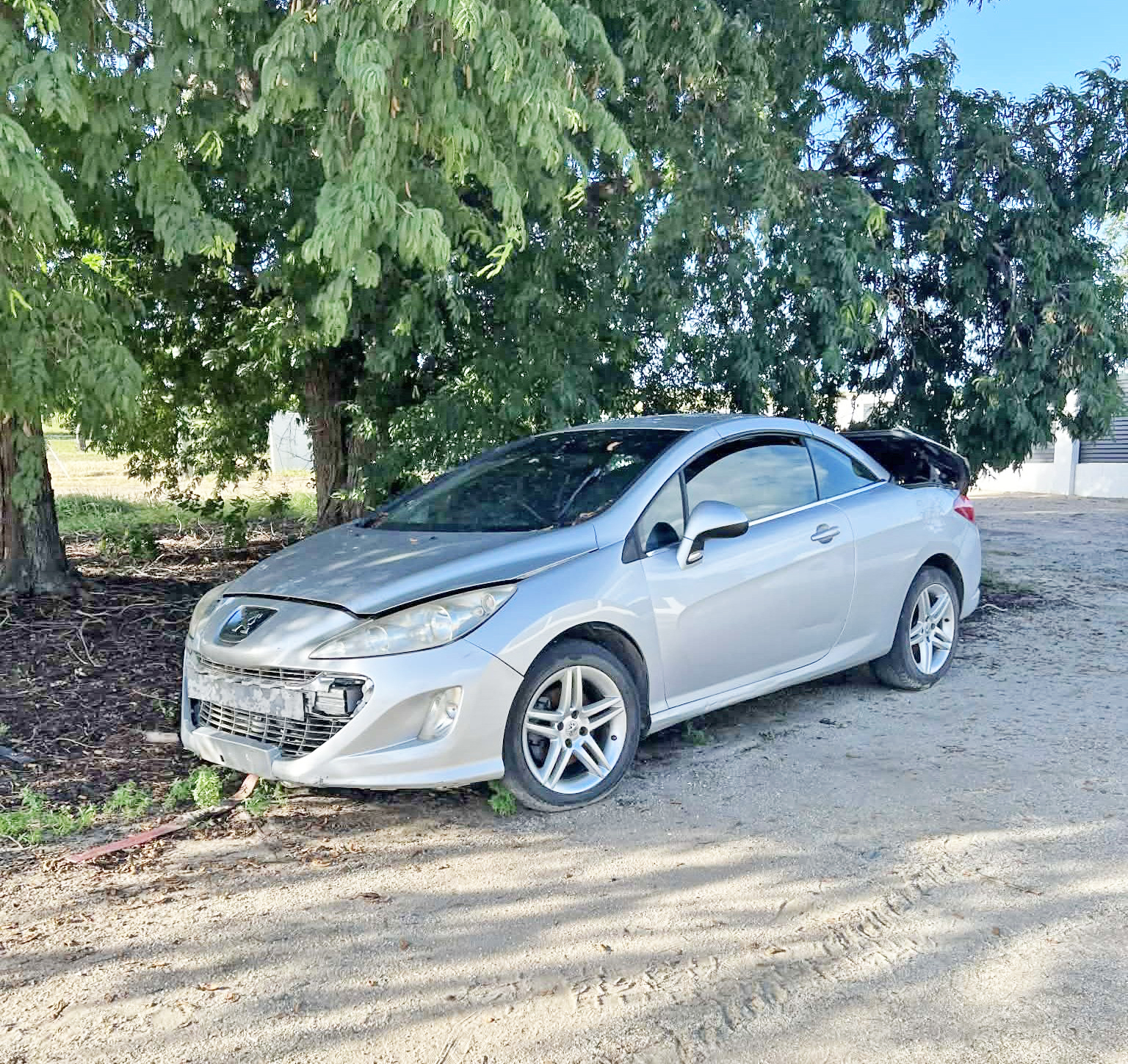
Abandoned and left to rust. Residents say this vehicle is just one example of ongoing dumping issues at Adelaide Point Boat Ramp. Photo credit: Kari Ravizza
A growing pattern of holiday dumping has left residents at their wits’ end after yet another abandoned vehicle was left at Adelaide Point Boat Ramp, just south of Bowen town centre.
Over the long Easter weekend, residents woke to find that instead of chocolate eggs, someone had dumped an abandoned, rusted fibreglass boat at the ramp, stripped of parts and filled with old, worn-out tyres.
"I was very disappointed to discover somebody had dumped a boat and old tyres at the creek landing during the night - this is vandalism,” expressed Adelaide Terrace resident, Lyndy McCathie.
An eyesore to say the least, the vessel joins another abandoned vehicle dumped over the Christmas and New Year holiday period, which, despite being reported to authorities, remains at the boat ramp.
Jamie Volker, who has lived on Adelaide Terrace for several years, said he’s frustrated by the ongoing issue and believes installing an additional skip bin could help curb the amount of rubbish being left along the road, noting that some people travel from Bowen and Airlie Beach to dump waste instead of taking it to the tip.
“Very little action has been taken and we’re frustrated and annoyed,” said Mr Volker.
“I’ve personally cleaned up rubbish that has been dumped at the end of Adelaide Point Road as well as the boat ramp several times and all this illegal dumping makes our little community look bad.”
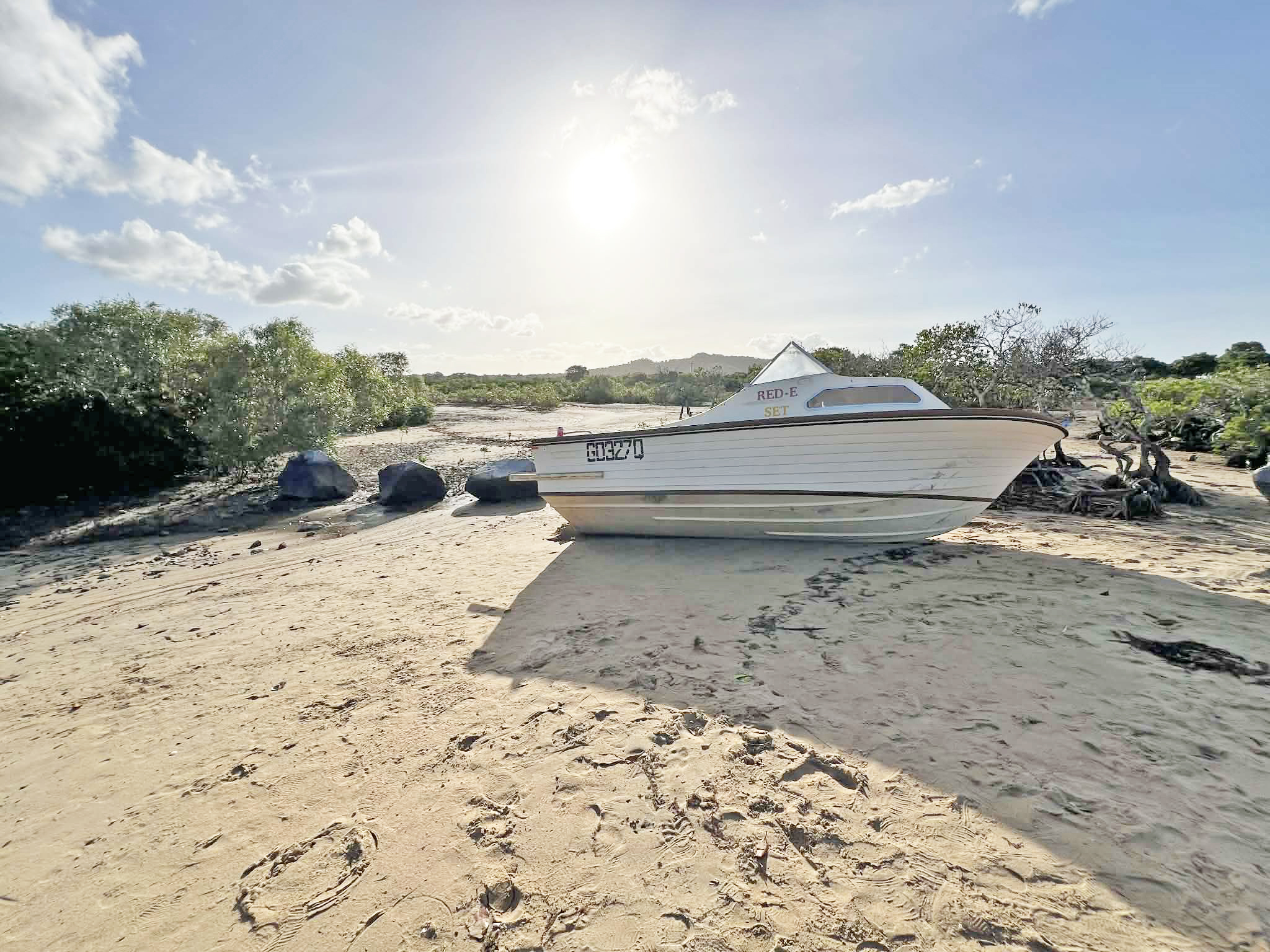
Concerns have also been raised regarding the potential environmental impact, with dumping materials such as tyres and fiberglass posing risks to local waterways and marine life.
Whitsunday Regional Council confirmed they’re aware of the abandoned vehicle, and Council’s Local Laws Officers conducted two official inspections on both Friday, 10 April and Monday 13 April. A request has since been made for a towing contractor to remove the vehicle to Whitsunday Regional Council’s impound yard.
“Once a vehicle or vessel is deemed abandoned, Council coordinates removal to the impound facility where it remains until they are either reclaimed by the owner or disposed of in accordance with Council’s Abandoned Vehicle Auction process,” said a Whitsunday Regional Council spokesperson.
“At this stage, aside from the vehicle, there is no evidence of unlawful dumping occurring in the area. Council encourages the community to report any suspected illegal dumping as soon as possible so action can be taken promptly.”
Residents are urging those responsible to be held accountable and are calling for stronger action to prevent further dumping at the popular local spot.

Image from Pexels
The Department of Transport and Main Roads (TMR) has given approval for another set of traffic lights in Cannonvale, 500 metres from where the last set was installed on Shute Harbour Road near Whitsunday Plaza. Councillor Clay Bauman took to Facebook this week, reigniting the traffic light vs roundabout debate.
“We all know traffic volumes have increased as our region continues to grow. The question now is whether the solutions being delivered are the right ones for long term safety, flow and liveability.”
A Council spokesperson stated that ultimately this is a TMR decision although the topic will come before Council for debate and a vote in the coming weeks.

A simple act of kindness has highlighted the quiet generosity that exists within the local community, after a Jubilee Pocket woman was helped home by a stranger when she needed it most.
Jacqueline Brooks found herself stranded at the Friendly Grocer in Jubilee Pocket with a flat phone and no way to organise transport. It was then that a kind-hearted woman stepped in, offering her a lift home without hesitation.
Despite the stressful situation, Jacqueline said the woman’s willingness to help ensured she made it home safely.
“I haven’t been able to retrieve her contact information. If you are this beautiful woman, I would just like to say thank you so much,” she said.
The thoughtful gesture has left a lasting impression, serving as a reminder of the strength of community spirit in the region.
Though the woman remains anonymous, her actions speak volumes, offering help not for recognition, but simply out of kindness.
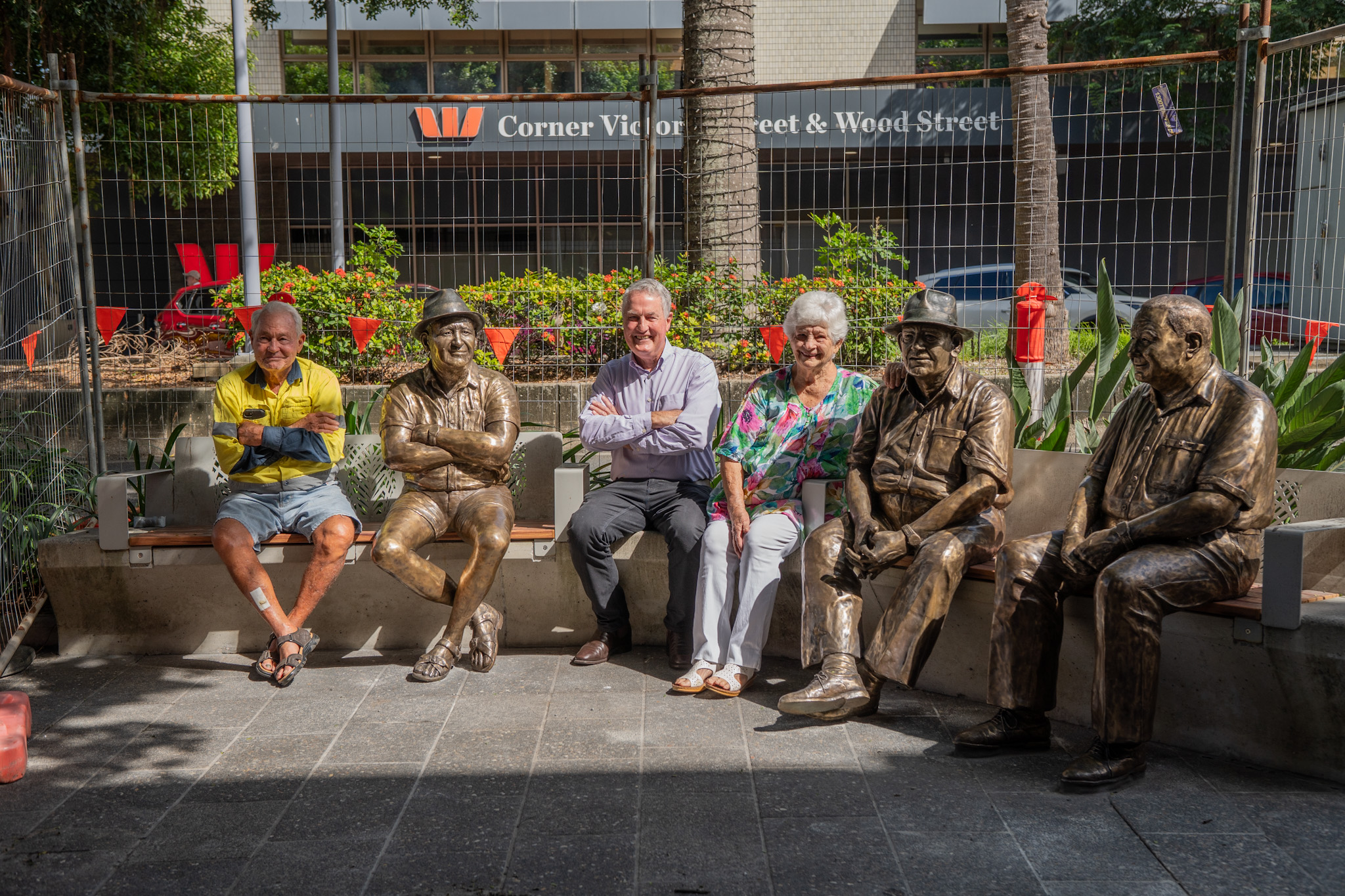
Mayor Williamson, Carmel Baretta, and Leo Baretta.
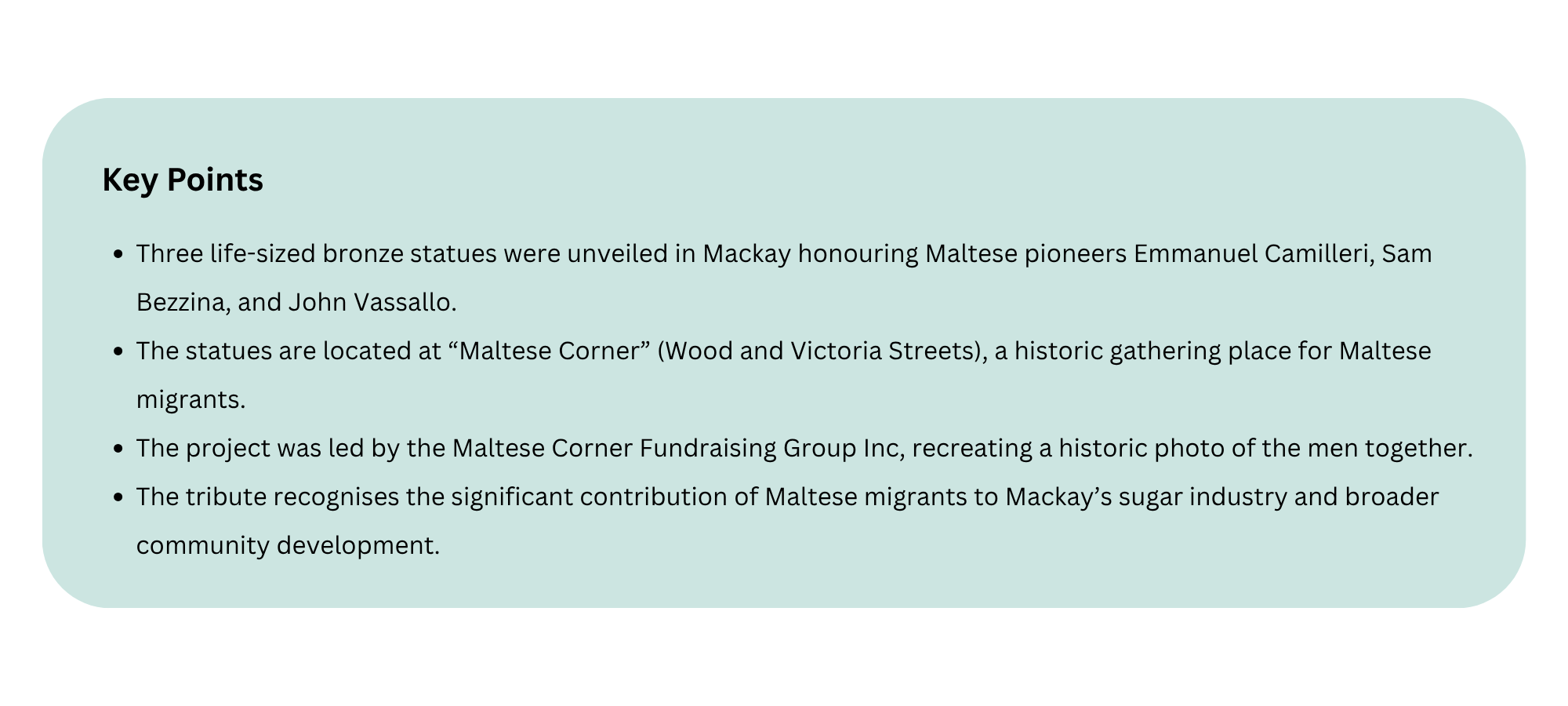
Hundreds of community members gathered in Mackay’s city centre on Saturday for the official unveiling of three life-sized bronze statues honouring Maltese pioneers who helped shape the region’s history.
The statues of Emmanuel Camilleri, Sam Bezzina and John Vassallo now stand proudly on the corner of Wood and Victoria streets – a location long known locally as “Maltese Corner”, where migrant businessmen would regularly gather to talk, support one another and build their futures in Mackay.
The project, delivered by the Maltese Corner Fundraising Group Inc, recreates a historic photograph capturing the men meeting at the site, symbolising the spirit of collaboration that helped generations of migrants establish themselves in the region.
On Friday, 17th April, a day prior to the official unveiling, Mackay Mayor Greg Williamson said the statues recognise the enduring contribution of Maltese migrants to the region’s identity and economy.
“Tomorrow we are unveiling three magnificent statues here on the corner of Victoria and Wood Streets,” he said ahead of the event.
“This particular corner was where the Maltese guys sat around, just like a little piazza in Malta. They sat here waiting for the banks to open – probably waiting for the pub to open as well – while their wives went shopping and they did their business.”
Mayor Williamson said the tribute reflected Mackay’s long-standing connection with Maltese settlement.
“Mackay is recognised as the heart of Maltese settlement in Australia,” he said.
“The Maltese have done a fantastic job in our community for decades and decades, and this is a tribute to those who helped build our sugar industry and our region.”
The project has been largely community-funded, with the Maltese Association raising more than $250,000 towards the statues, supported by about $45,000 in council grants.
For Carmel Baretta, president of the Maltese Corner Fundraising Group, the unveiling marks a rather emotional sentiment.
“In 2001, a friend and I published a book on the Maltese pioneers of Mackay,” Ms Baretta said.
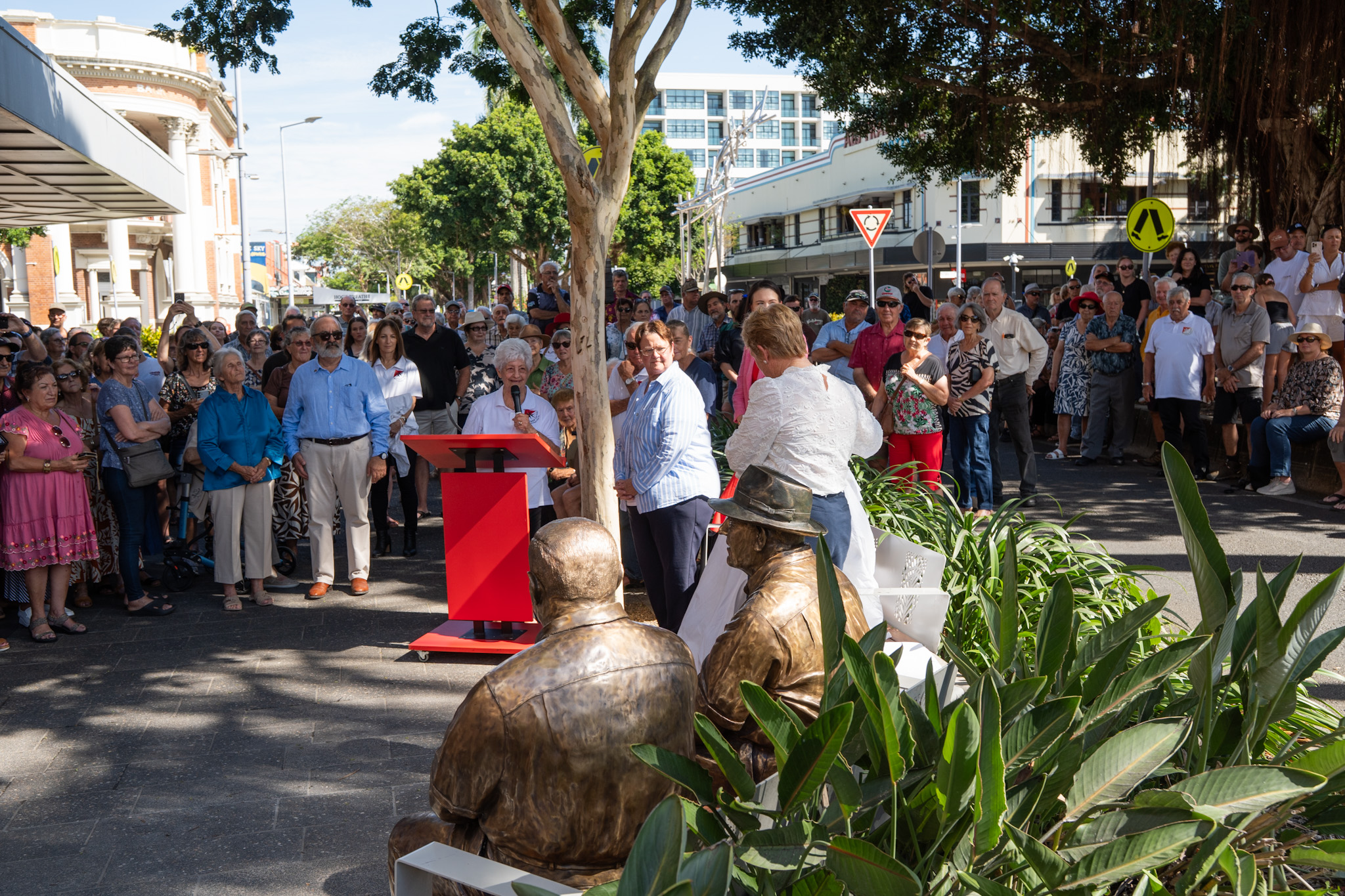
“While we were working on that book, I was aware of Maltese Corner and asked a photographer to quietly capture a photograph of the men meeting here because they gathered regularly.”
That image later became the inspiration for the statues.
Ms Baretta said the corner held significant historical meaning for the community.
“The greatest significance is that these people helped others become established,” she said.
“And it wasn’t only Maltese helping Maltese,” Ms Baretta said.
“Some Italians were involved, some returned soldiers were helped, and some local people from Mackay as well.”
The initiative also honours the legacy of the Mosta Building Society, established in 1966 as a result of the cooperative financial support that began on the corner.
The statues themselves were created by local sculptor Kay Payton, chosen after extensive research into bronze works across North Queensland.
“We decided Kay Payton was the ideal person, primarily because she was local and because she is so gifted,” Ms Baretta said.
“She was just absolutely fantastic to work with.”
With the statues now permanently installed, organisers hope the site will encourage residents and visitors alike to pause, reflect and learn more about the community stories that helped build Mackay.
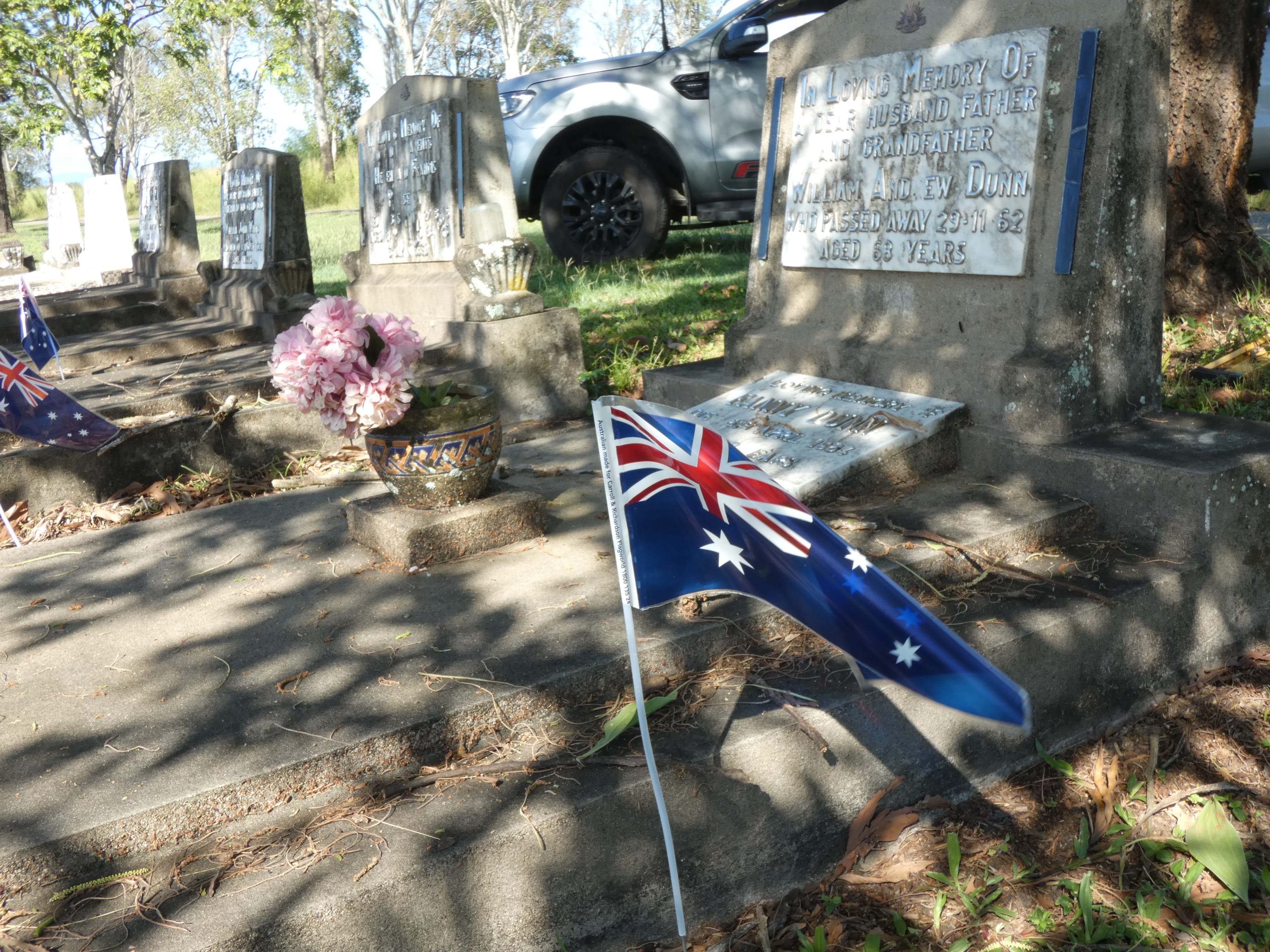
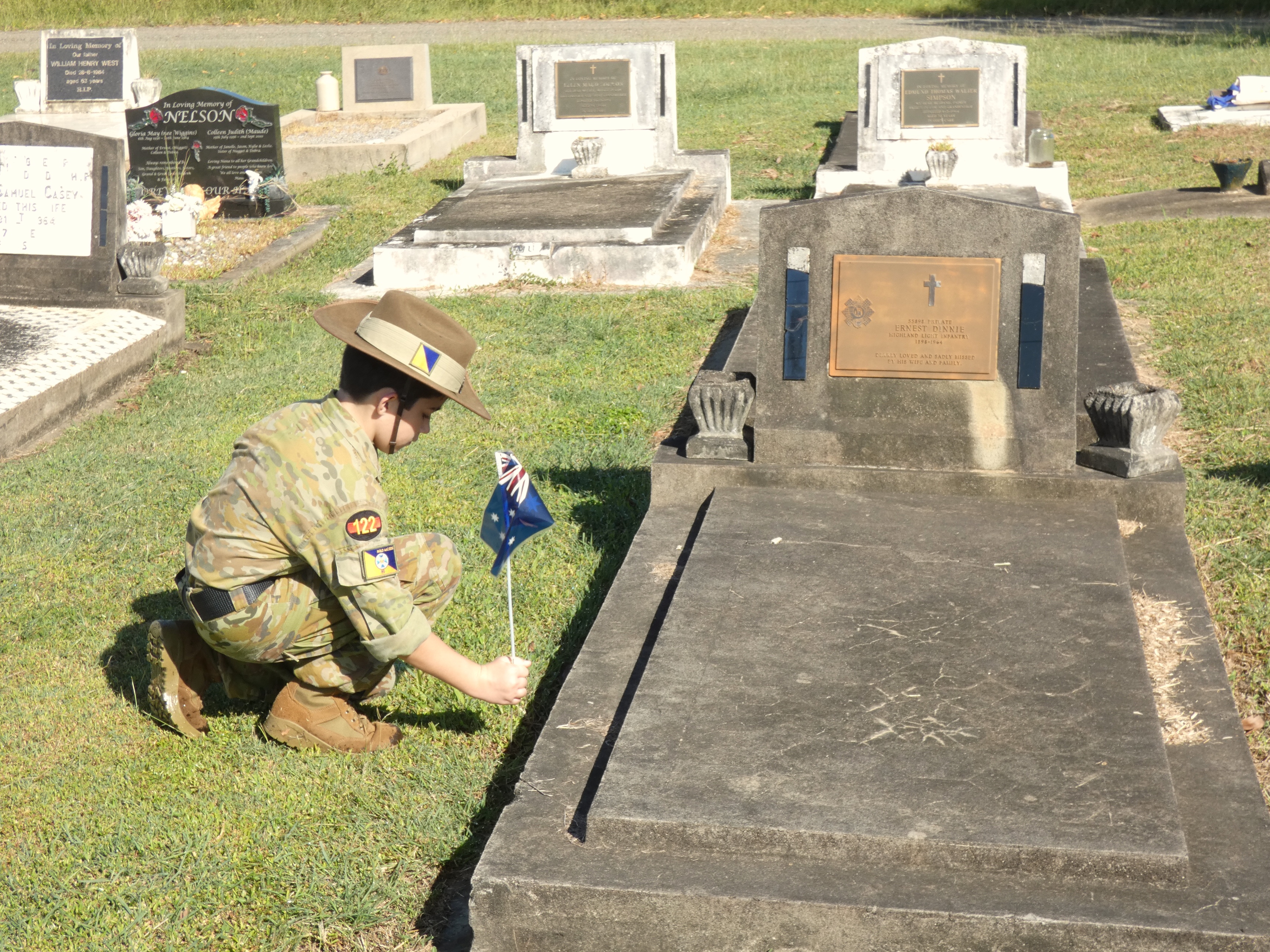
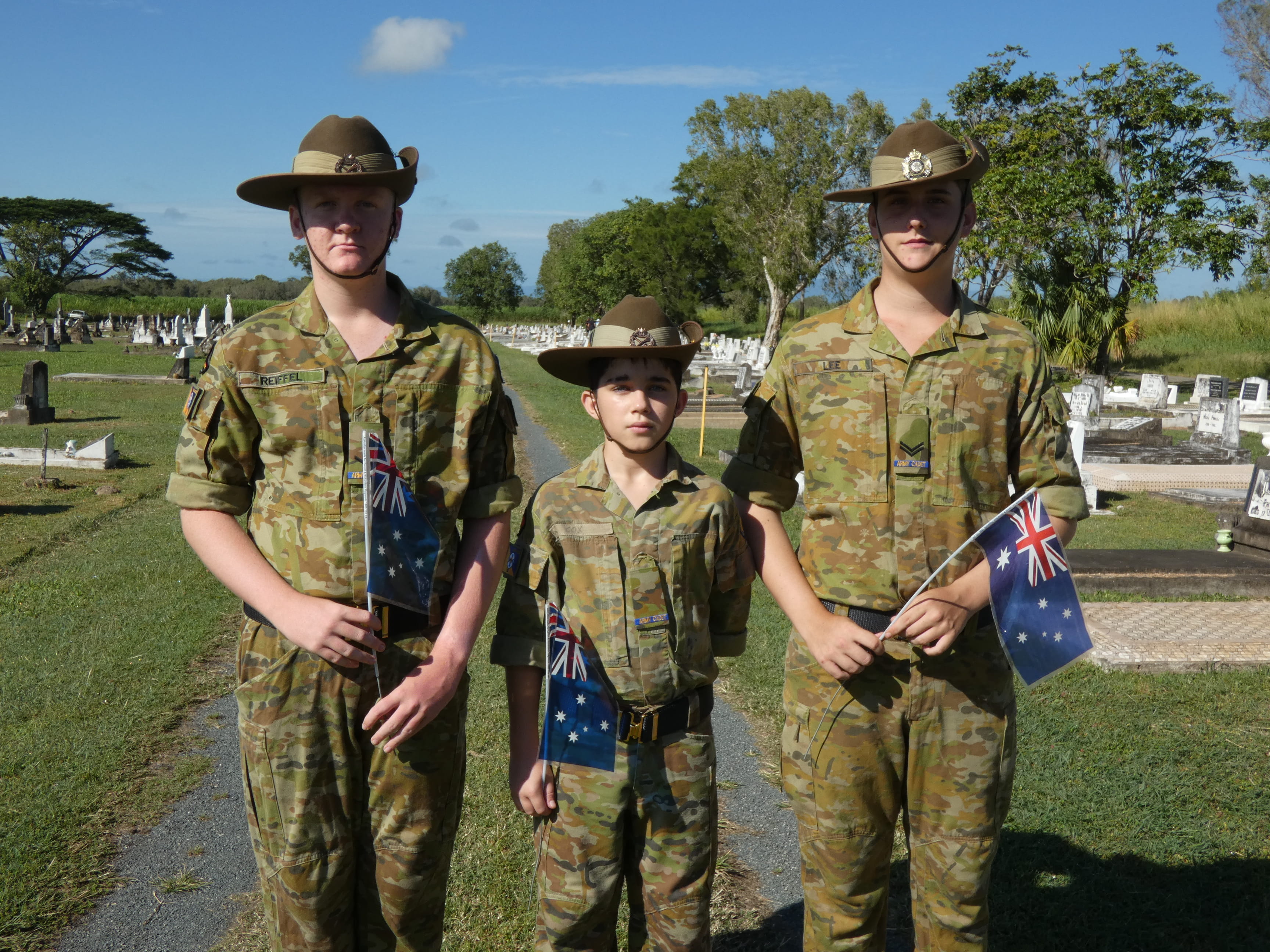
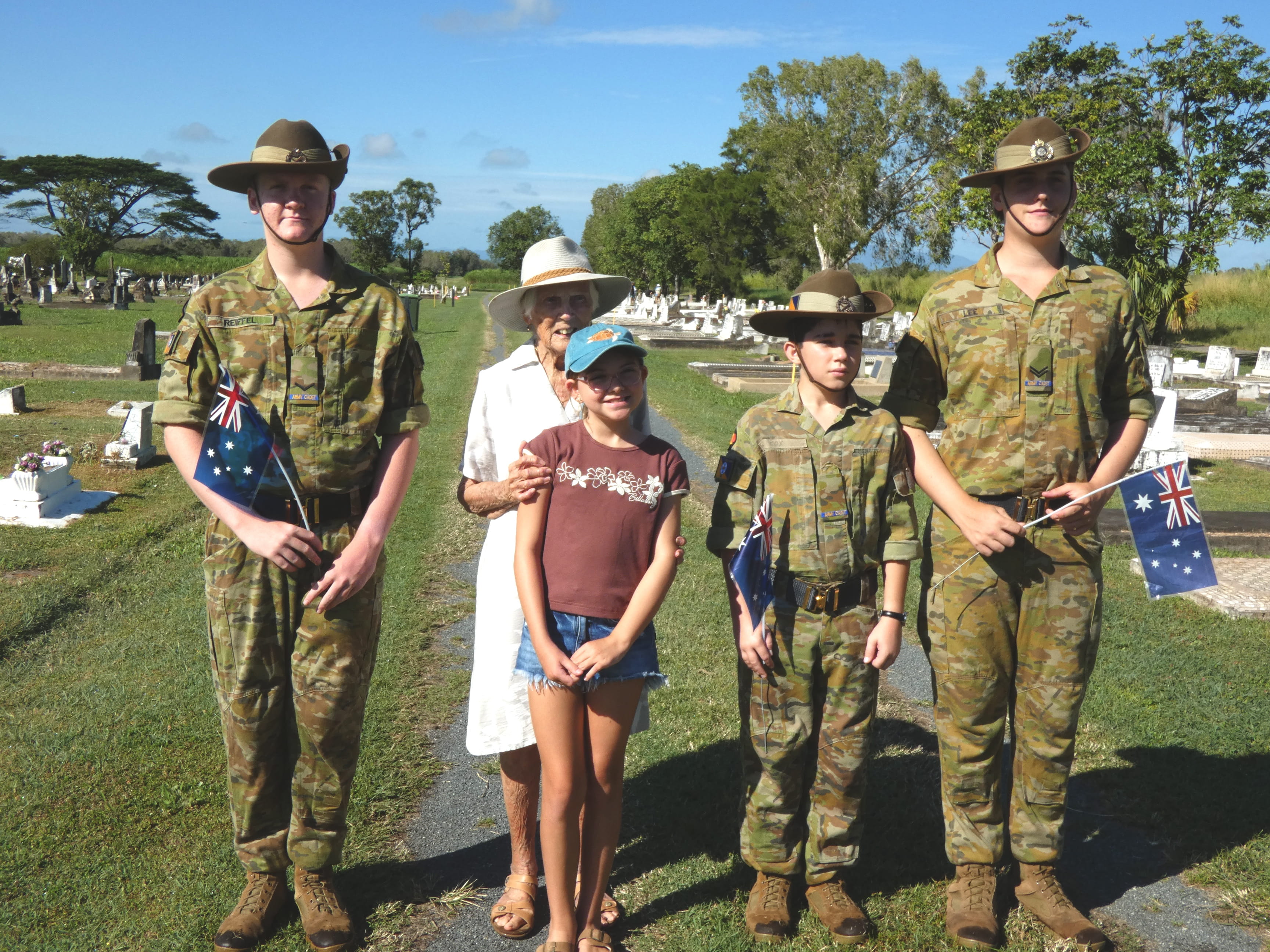
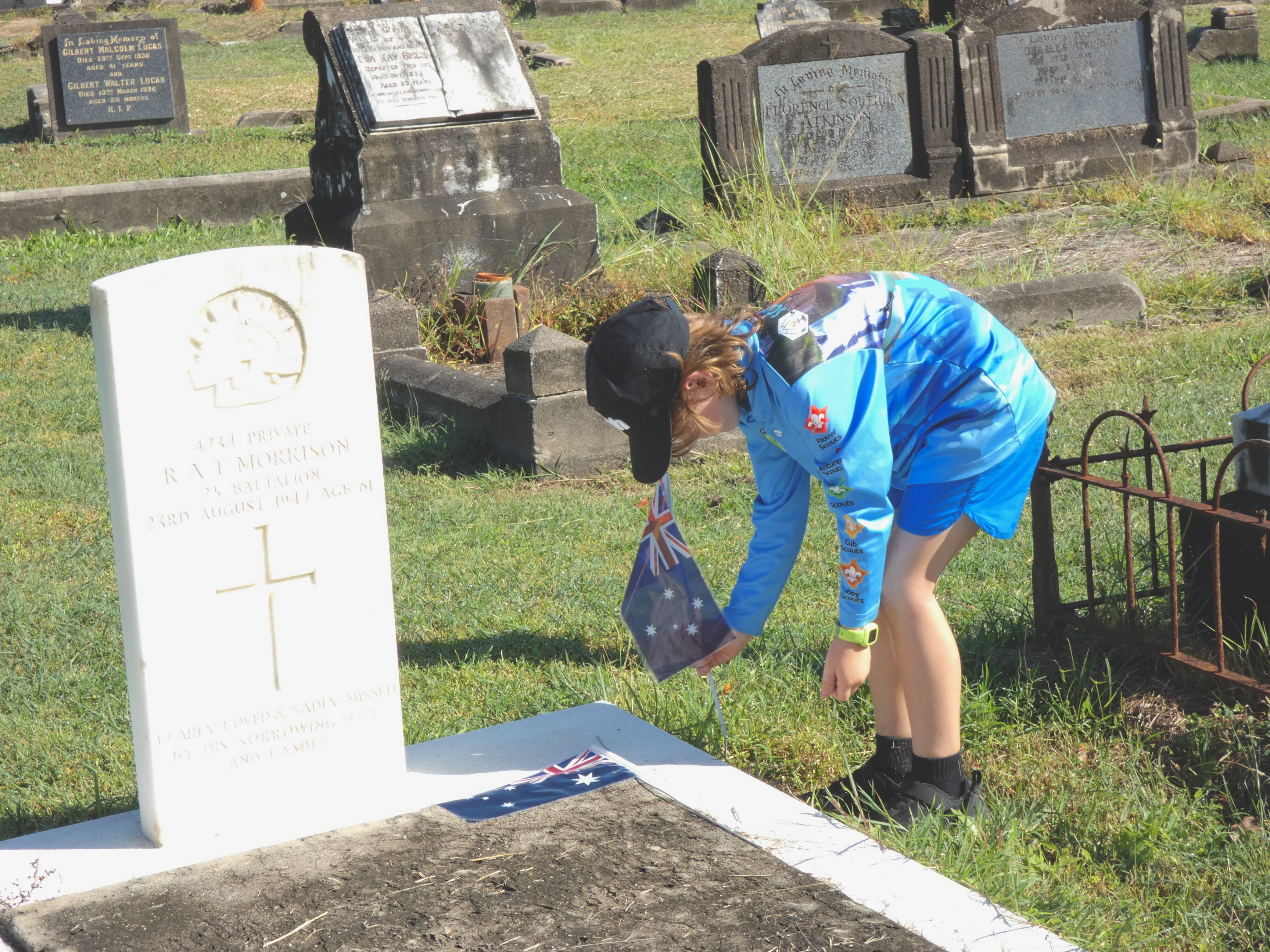
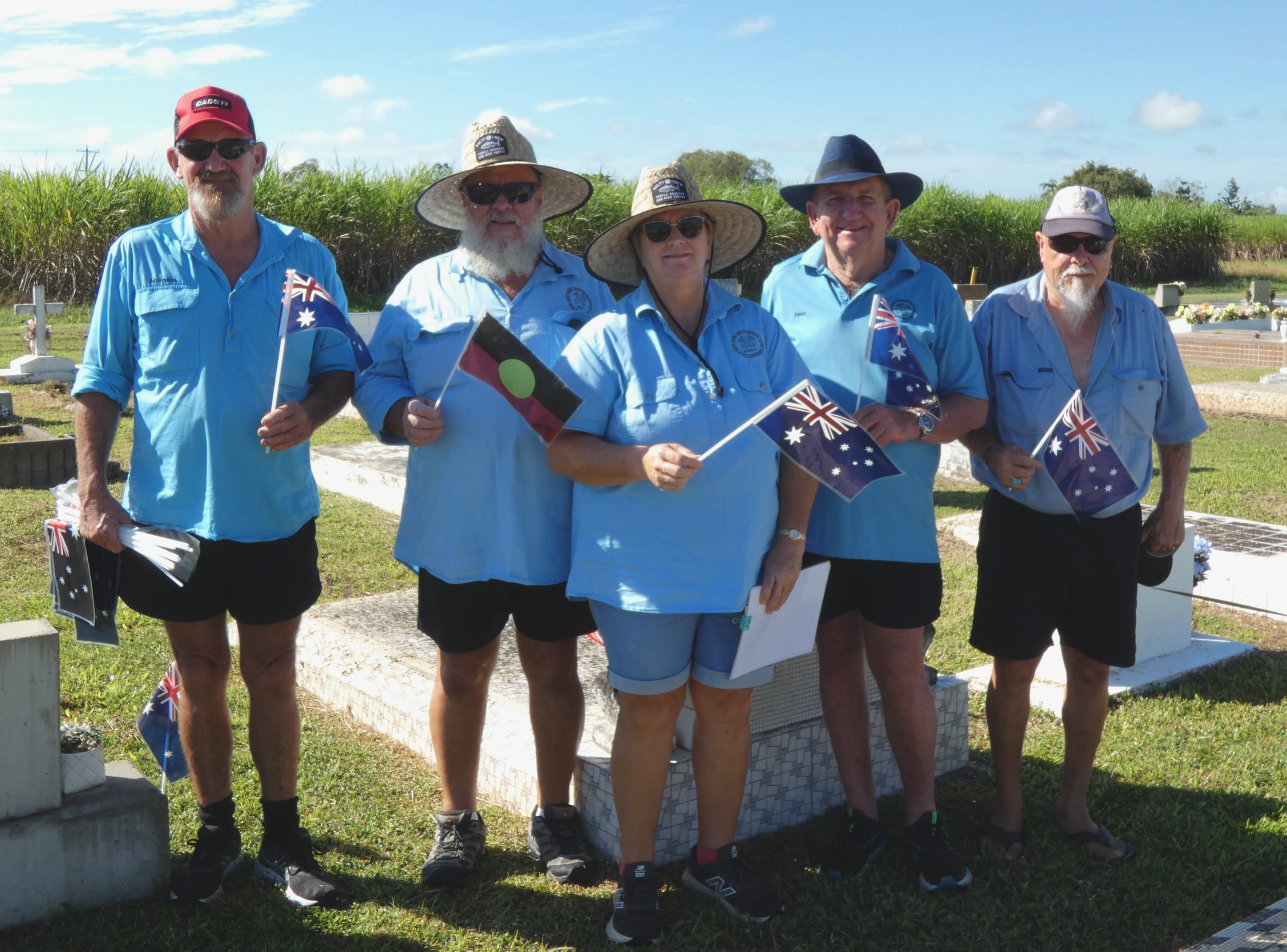
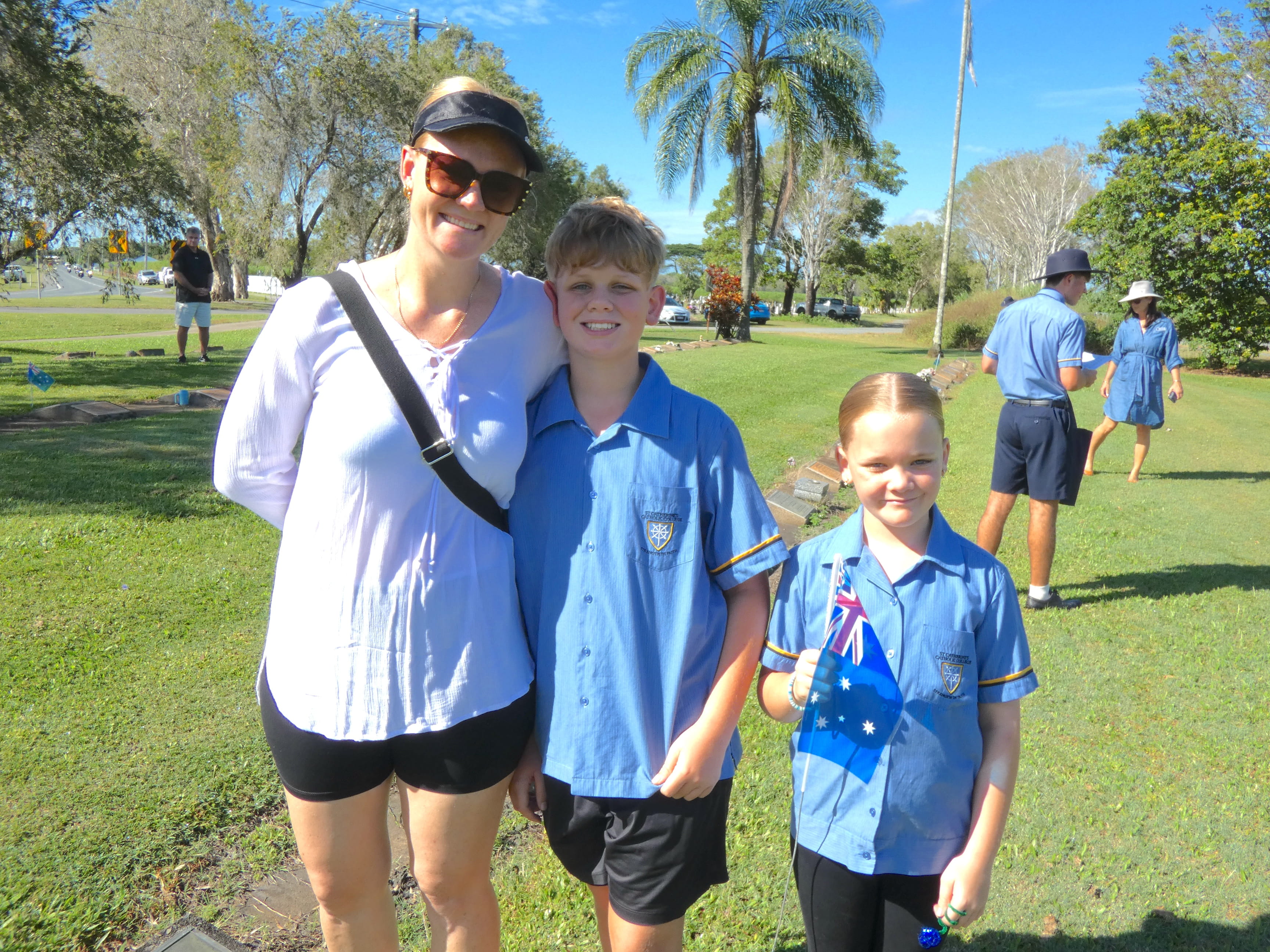
With ANZAC Day approaching, locals gathered at Proserpine Cemetery on Saturday 18th April to pay tribute to the nearly 400 service men and women laid to rest there; a local tradition organised by Lyn Burke which is now in its eleventh year.
The event saw flags placed beside the graves of veterans, including Boer War veterans, Gallipoli survivors, Rats of Tobruk, Prisoners of War, Commandos & many more.

Aquarium Coral Photo supplied
Flying under the radar is a little-known fishery that operates within one of the world’s most iconic ecosystems: coral harvesting.
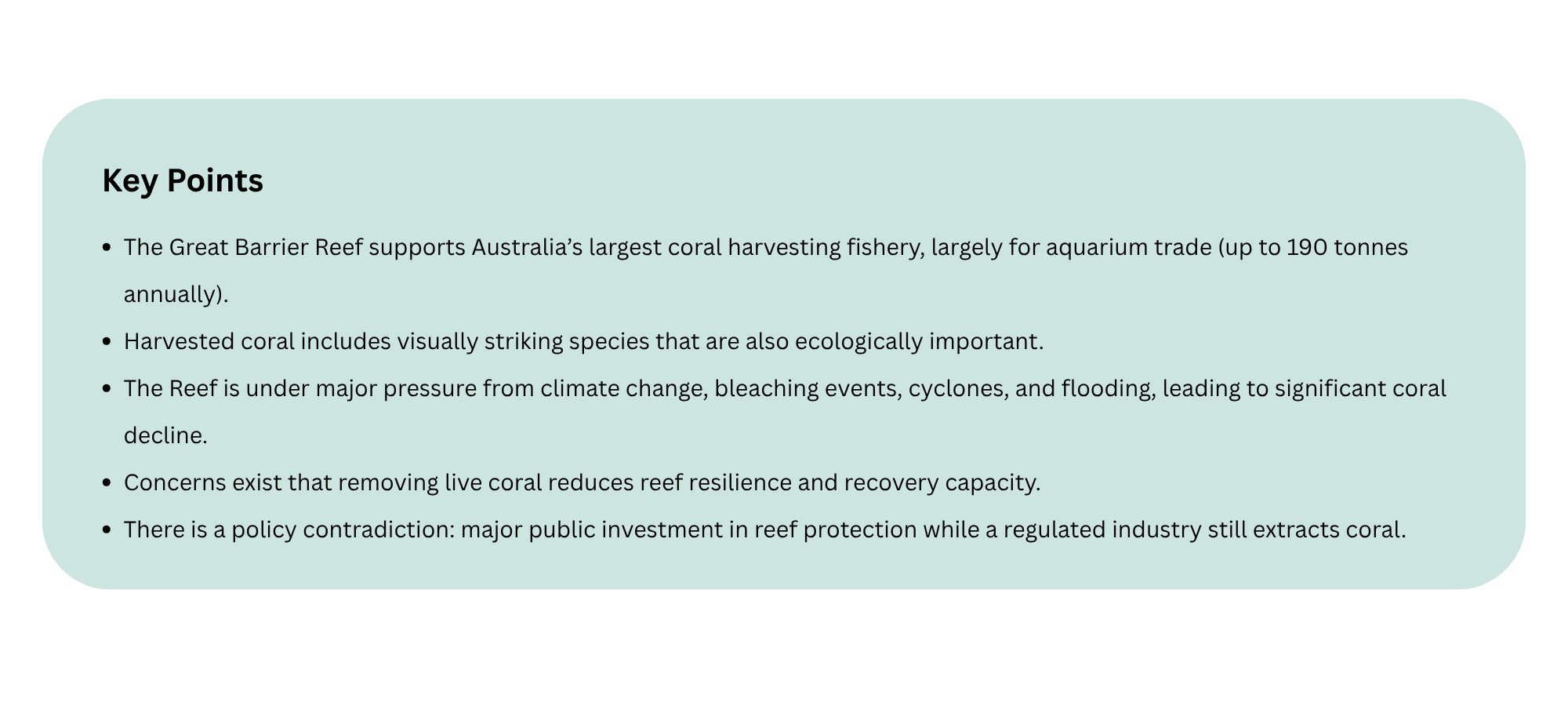
Many Australians would be surprised to learn that the Great Barrier Reef supports the country’s largest coral fishery. Each year, up to 190 tonnes of coral are removed from the Reef, much of it destined for the domestic and international aquarium trade. Among these are some of the Reef’s most unique and visually striking species—highly prized, yet ecologically vital.
The Great Barrier Reef is often celebrated for its beauty and biodiversity, but it is also an ecosystem under immense stress. Climate change has driven increasingly frequent and severe mass bleaching events, while cyclones and flooding have compounded the damage. Together, these disturbances have contributed to some of the most significant declines in coral cover ever recorded.
Against this backdrop, the harvesting of live coral raises difficult questions. Many of the same species targeted by the Queensland Coral Fishery are those already vulnerable to bleaching and mortality. Removing healthy corals from the ecosystem can reduce the Reef’s natural capacity to recover from disturbances, potentially undermining broader conservation and restoration efforts.
This creates an apparent contradiction. Governments have invested heavily in protecting and restoring the Reef, funding initiatives aimed at improving water quality, supporting coral regrowth, and enhancing resilience. Yet, at the same time, a regulated industry continues to extract coral from the wild.
To be clear, the fishery does not operate without oversight. Strict quotas, spatial zoning, and licensing conditions are in place to manage harvesting. Exceeding quotas or collecting coral from protected “green zones” can result in significant penalties.
Enforcement, however, remains an ongoing challenge. In 2016, the first prosecution for illegal coral harvesting since the 2003 rezoning plan occurred in Gladstone, where divers were caught collecting coral in a no-take zone. Since then, there have been more than 20 prosecutions linked to illegal coral collection within the marine park, many involving commercial operators.
Such incidents raise concerns about the industry’s “social licence”—the level of public trust and acceptance it holds. Increasingly, reef tourism operators, scientists, and environmental groups are calling for tighter restrictions, with some advocating for a complete ban on wild coral harvesting.
Despite this, the fishery continues. In 2024, it received federal approval to operate for another three years. Authorities have indicated that a revised ecological risk assessment and updated harvest strategy will be completed by 2026, potentially shaping the industry’s future.
That future may lie beyond the Reef itself. Aquaculture—growing coral in controlled tank environments—has long been promoted as a sustainable alternative. It offers the potential to supply the aquarium trade without removing corals from the wild, easing pressure on an already stressed ecosystem.
As the Great Barrier Reef faces an uncertain future, so does coral harvesting. For many, the answer is clear: the Reef’s corals are far more valuable alive, thriving in their natural habitat, than they are as commodities.
Contributed with thanks to Whitsunday Conservation Council

Whales of the Whitsundays team celebrating when the Whitsundays was formally recognised as a Whale Heritage Site. Photo supplied
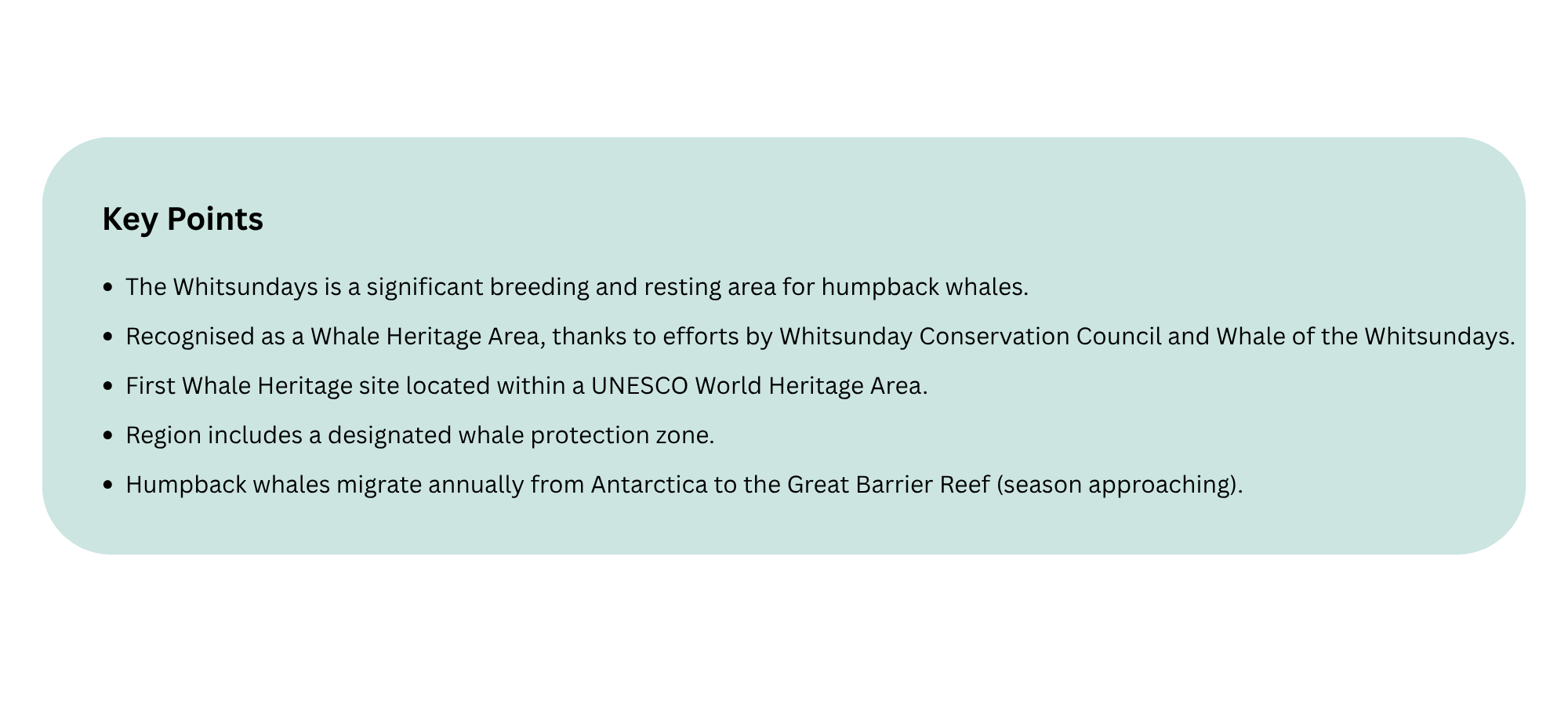
There are a lot of things that make the Whitsundays special. Beautiful islands, the great barrier reef, a wonderful community. But in addition to all of that – this region has special ecological features that the rest of the country can look upon with envy. Every year, the Whitsundays serves as a breeding ground and cohabitation spot for one of planet earths most magnificent creatures: the whale.
A few years ago, a huge effort was put forward by the Whitsunday Conservation Council and Whale of the Whitsundays to make the area a Whale Heritage Area – resulting in a resounding success.
This was particularly special because the Whitsundays was the first whale heritage site located in a UNESCO world heritage area and now features a special whale protection area zone.
“It’s a major birthing zone for humpbacks. A lot of locals don’t realise how many humpbacks visit the area, let alone how significant the East coast population is,” said Kellie Leonard, Master Reef Guide and Whale of the Whitsundays member.
Every year humpback whales migrate from the Antarctic to the warm water of the Great Barrier Reef – this is due to take place in just a few weeks.
In 2009, researchers discovered that whales gave birth right here in the Whitsundays. The Whitsundays is proven to be a perfect location for breeding thanks to deep troughs close to shallow reef, where whales can give birth and then move their calves to shallow water. In shallow water there is less chance of predator attack from below and the mother can support the calf near the surface so it can breathe.
The establishment of thriving breeding ground is incredible for a species that were almost wiped out decades ago due to mass illegal whale culling.
“They recovered amazingly from the whaling in the 60s. Their comeback is quite a remarkable story,” shared Ms Leonard.
Another fascinating and beautiful aspect of whales and whale research, is whale’s songs.
The local organisations in collaboration with Queensland University has carried out significant research into one of nature’s most interesting phenomena.
“We have been recoding humpback whale songs in the Whitsundays during the past two whale seasons. The songs are submitted to the University of Queensland, specifically the Centre for Marine Science,” added Ms Leonard.
With the help of the director – Professor Michael Noad and PhD student Genevieve Williams, the research has provided incredible findings.
“The songs of these whales are one of the most complex acoustic displays of any animal known. Social sounds are made by all whales; however only male humpback whales sing songs.”
%20Glen%20Bradford%20Whale.jpeg)
The songs even have a structure.
“There are seven individual populations of humpback whales in the southern hemisphere. The Australian East Coast humpback whales are a single population. Amazingly, all males in one population sing the same song.”
Humpbacks can be located based on the content of their song. They listen to each other’s song and incorporate each other’s evolutions as part of their social learning.
Songs are recorded through a hydrophone – an underwater microphone connected to an amplifier and recording device. Humpback whales can be recorded from 5 to 10 kilometres away.
%20Jo%20Chook.jpeg)
Kellie has personally recorded whale song off the coast of Hamilton Island and posted it to Facebook.
“Often, I’m in the water with a hydrophone. I can’t see them, but I know they’re there.”
Whale research and sighting may seem reserved for experts, however, Whale of the Whitsundays are actively urging the broader community to get involved.
“There is an app called Eye of the Reef. All you need to do is upload photos and videos of sightings you have.”
Whale of the Whitsundays will be hosting an information night on the 19th May at the Whitsunday Sailing Club at 6.30pm.
WHAT: Whitsunday Whale Heritage Area Information Night
WHEN: 19th May, 6.30pm
WHERE: Whitsunday Sailing Club
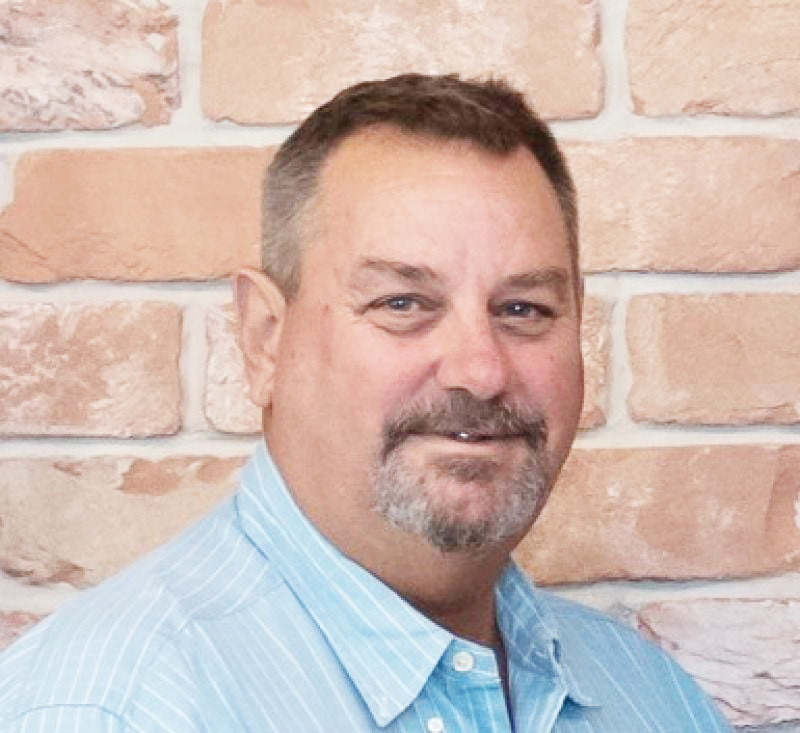
Troy Liesch is a Property Specialist with the Taylors Team, bringing many years of experience in the sale of rural and residential property across Central Queensland and the Whitsundays region.
With a strong background in both lifestyle and acreage markets, Troy offers a grounded, practical approach to real estate, supported by extensive local knowledge and a deep understanding of what drives successful property outcomes in regional Queensland. His experience allows him to confidently guide clients through every stage of the selling process, from appraisal through to settlement.
Now part of the Taylors Team, Troy continues to build on his reputation for professionalism, reliability, and commitment to achieving the best possible results for his clients.
Outside of real estate, Troy is firmly rooted in the Whitsundays community, where he lives with his wife and their three children. Family life plays a central role for him, and he enjoys spending his time supporting his children’s sporting activities, attending dance events, and socialising with friends and neighbours throughout the region.
For enquiries or property advice, Troy can be contacted on 0428 646 599 or via email at troy@tpsre.com.au.
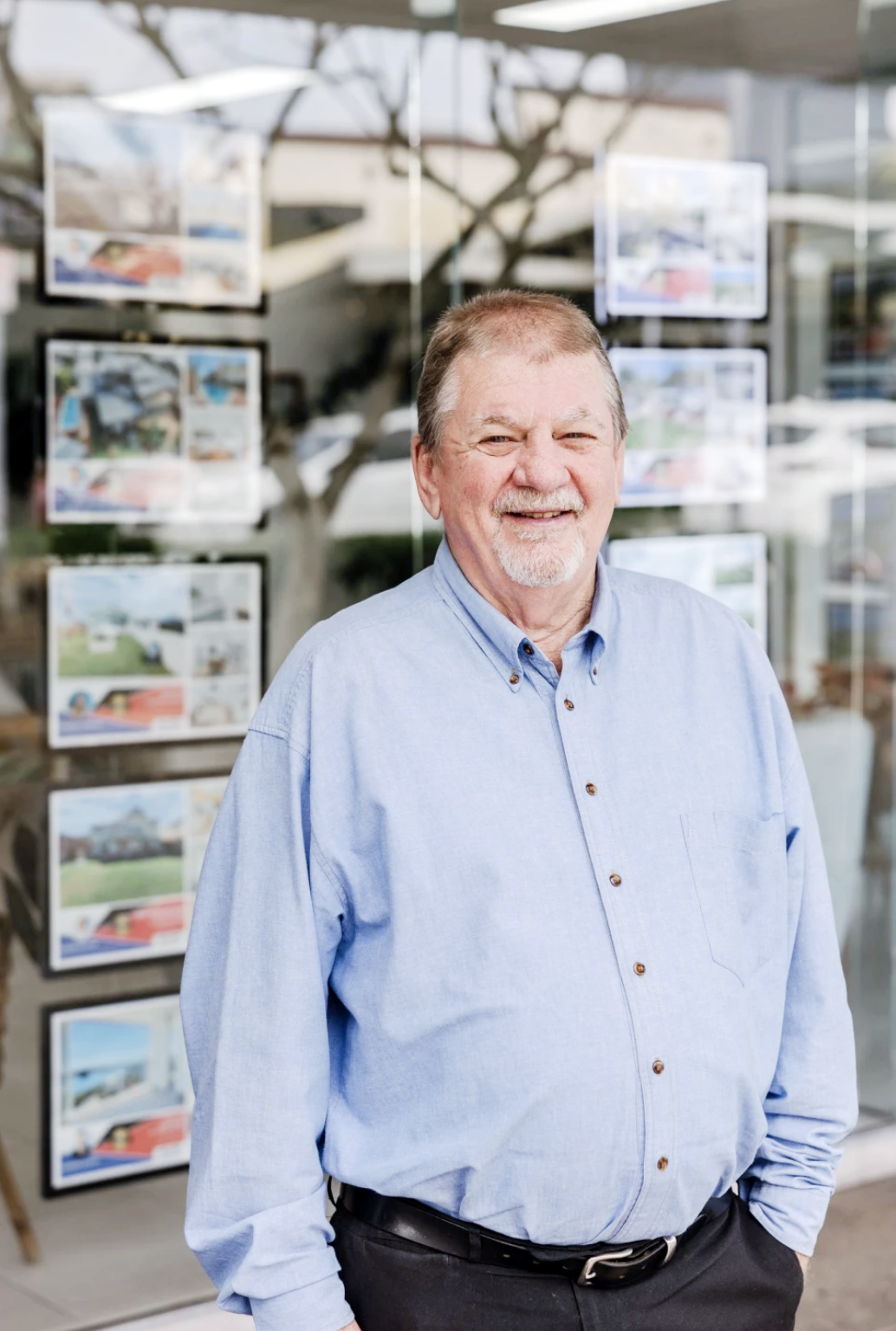
Dan has been involved in the property industry all his working life.
His early years were spent in the Lands Department (now the Department of Natural Resources) carrying out rental assessment valuations for Crown Land in various centres of Queensland including Rockhampton, Hughenden, Emerald, Longreach, Winton, Cloncurry and Mackay.
During that time, he became a Registered Rural and Urban Valuer and was promoted to the position of Assistant Land Commissioner prior to his resignation from the Government Department.
In 1984, Dan took over the management of the Valuation Department of Blacks Real Estate before setting up his own private valuation business in 2003, which operated successfully until mid 2013.
Dan and wife Kerry have lived in Mackay for over thirty years and have a son Dylan and daughter Kara.
Outside of work, Dan has an interest in most sports, particularly Rugby. He is a Life Member of Brothers Rugby Club and spent twelve years coaching the senior boys rugby team at North Mackay State High, winning several premierships.
With a wealth of experience in the property market, Dan returned to Blacks Real Estate as a Sales Consultant in August 2013.

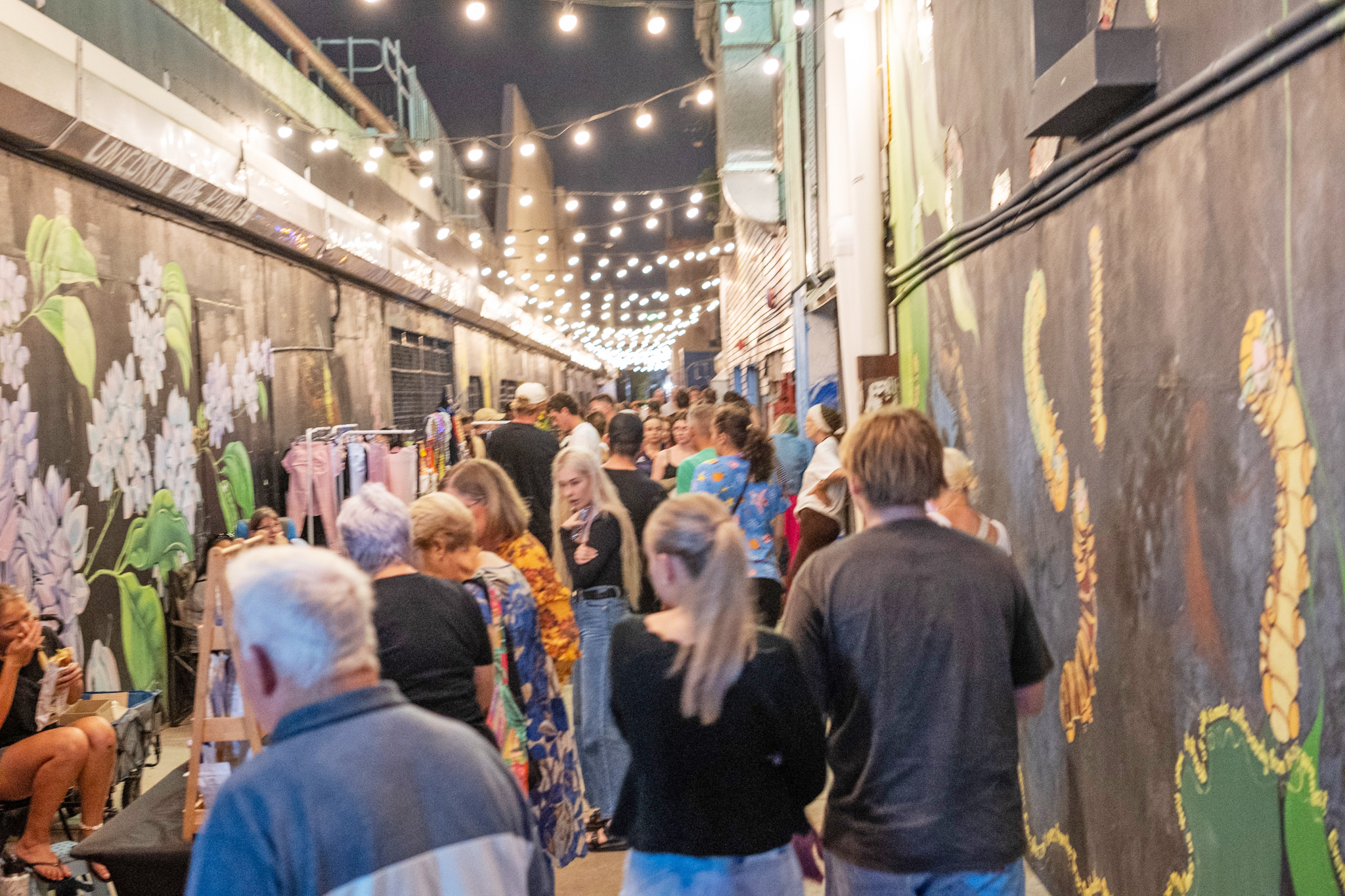
Last Friday’s Barrier Reef Night Markets brought great energy to the Mackay City Heart, with locals enjoying a vibrant evening of handmade, unique stalls while supporting community causes. Photo credit: Hannah McNamara


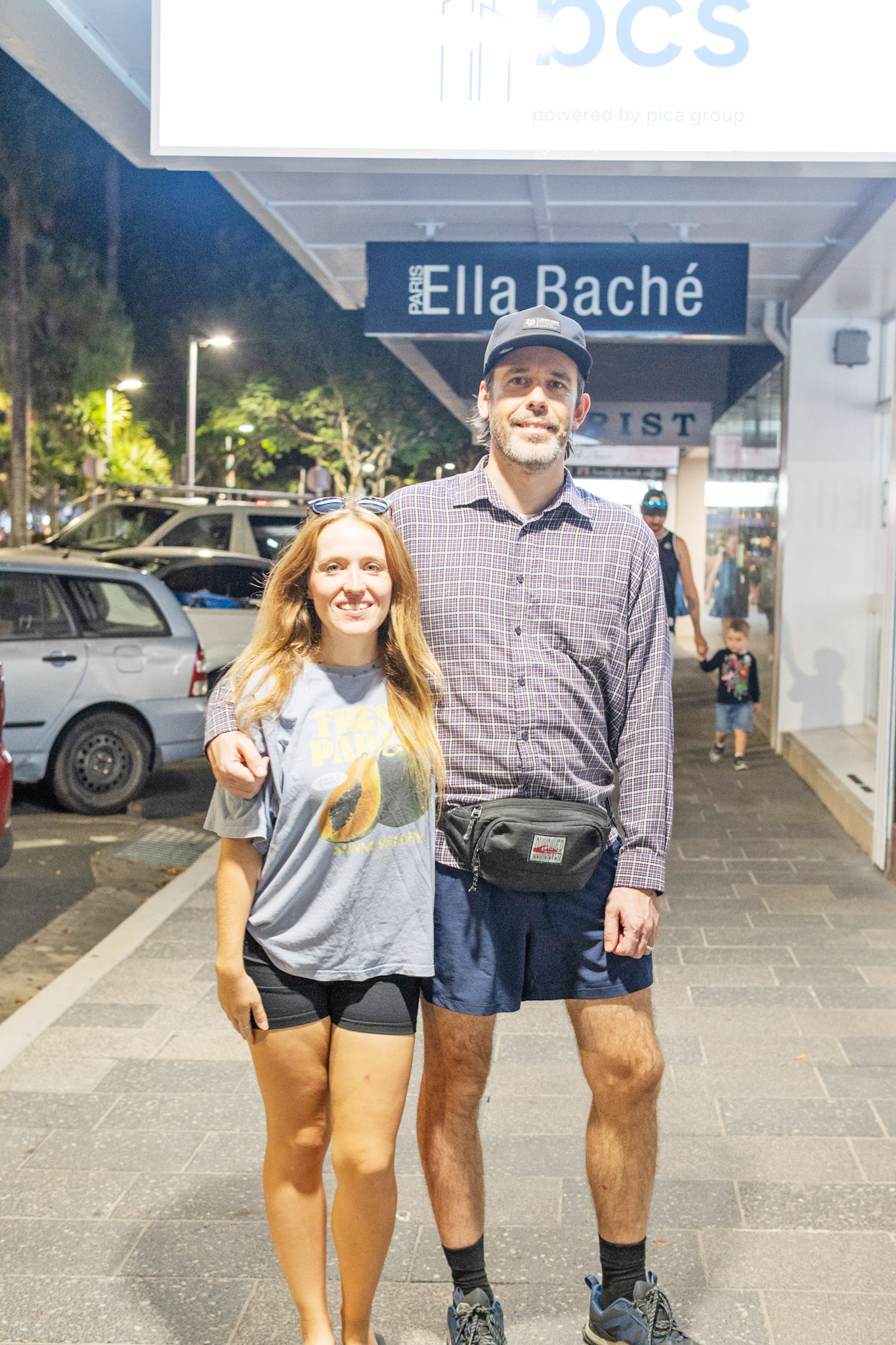


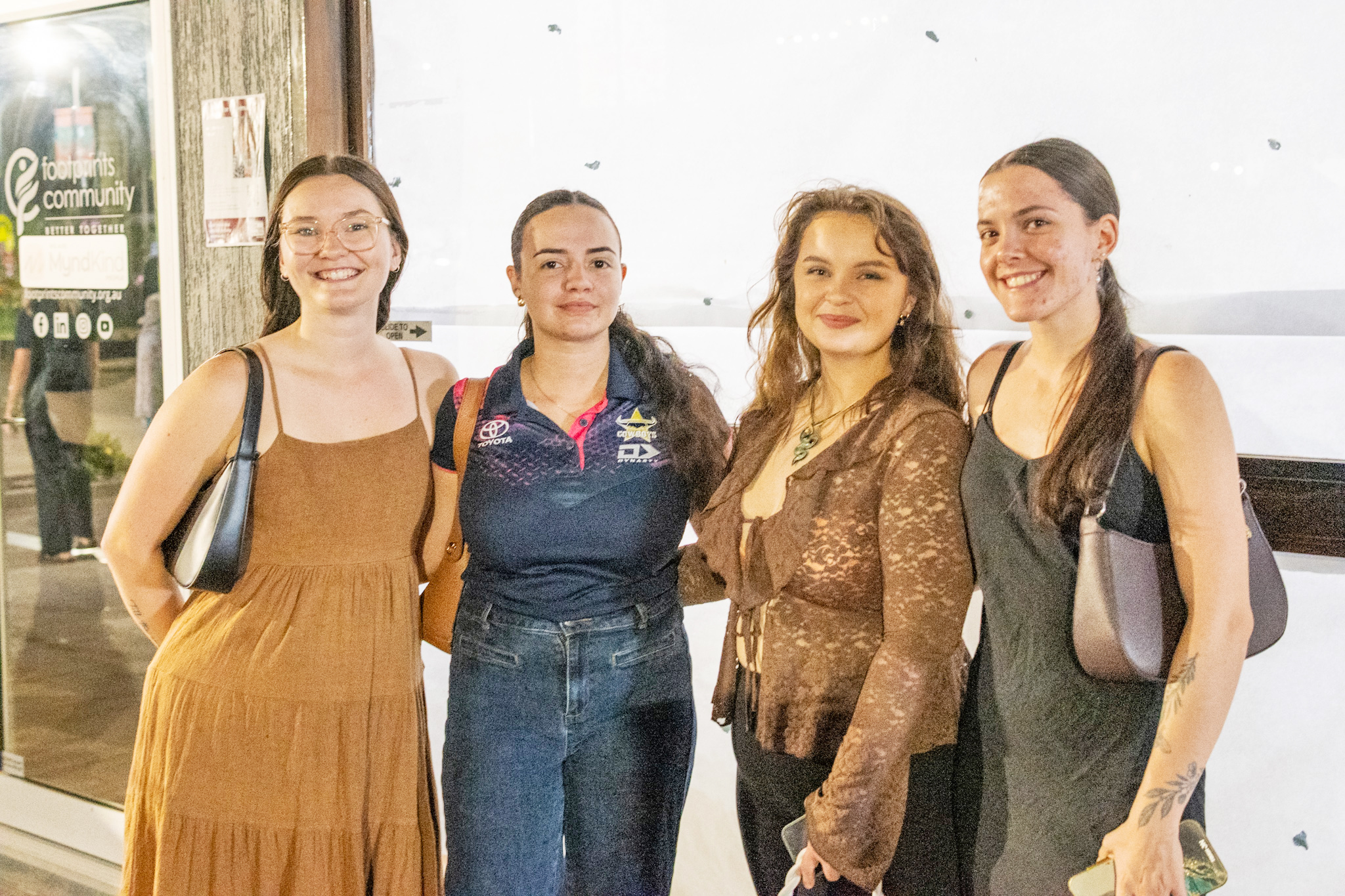
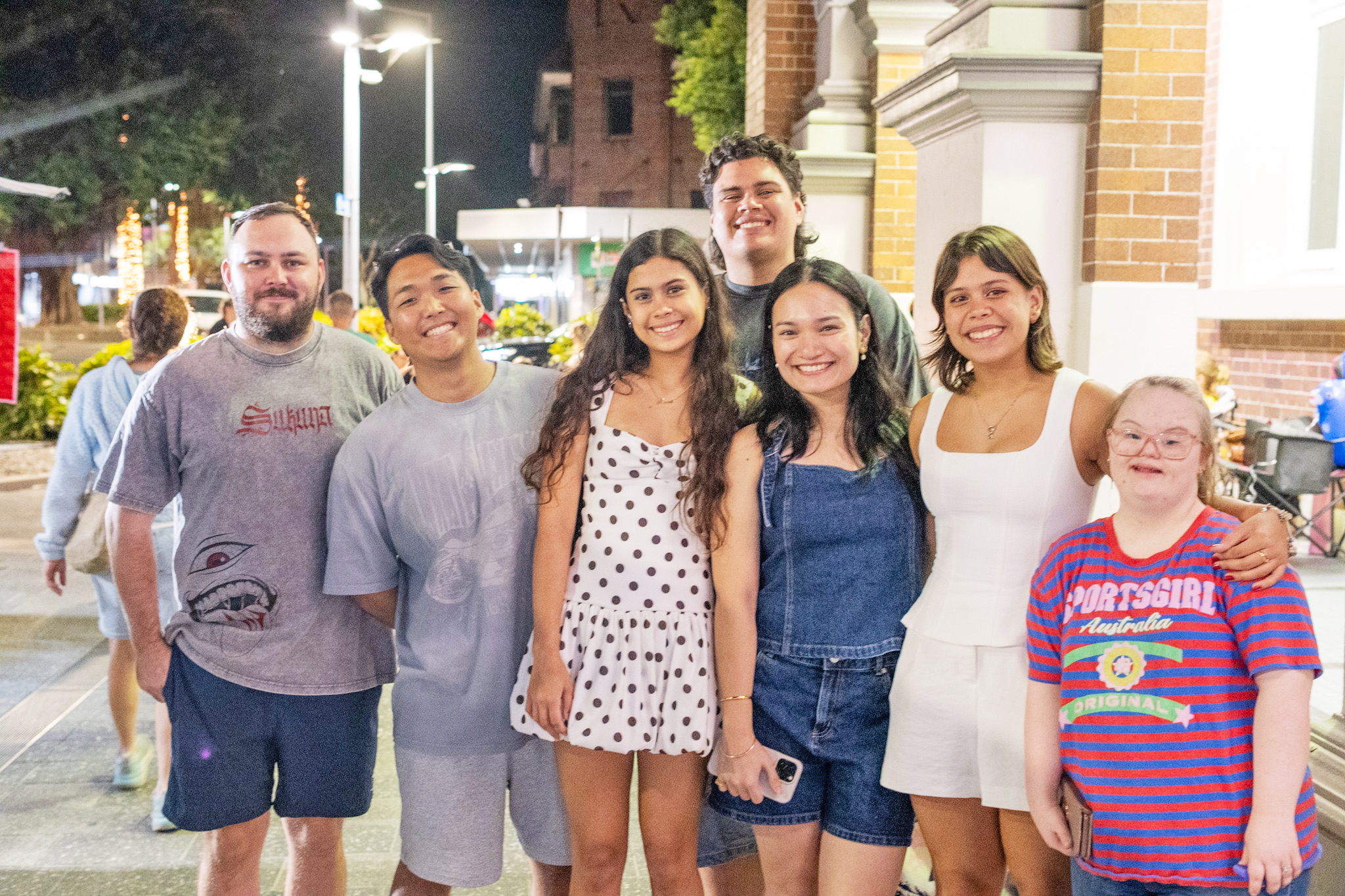
Cadence Rooney, Belinda Rooney, Andrew Rooney and Abigail Rooney
Ella Barr, Elle Jung and Kaylah Dowson
Brock, Aliara, Tayla, Jesse, Anna-Lisa and Nigel
Veleisha, Valerie and Brianna
Paul Te Tau and Bryony Te Tau
Simon
Justin, Natalie, Paul and Chrissy
Brittany, Mikayla and Louella
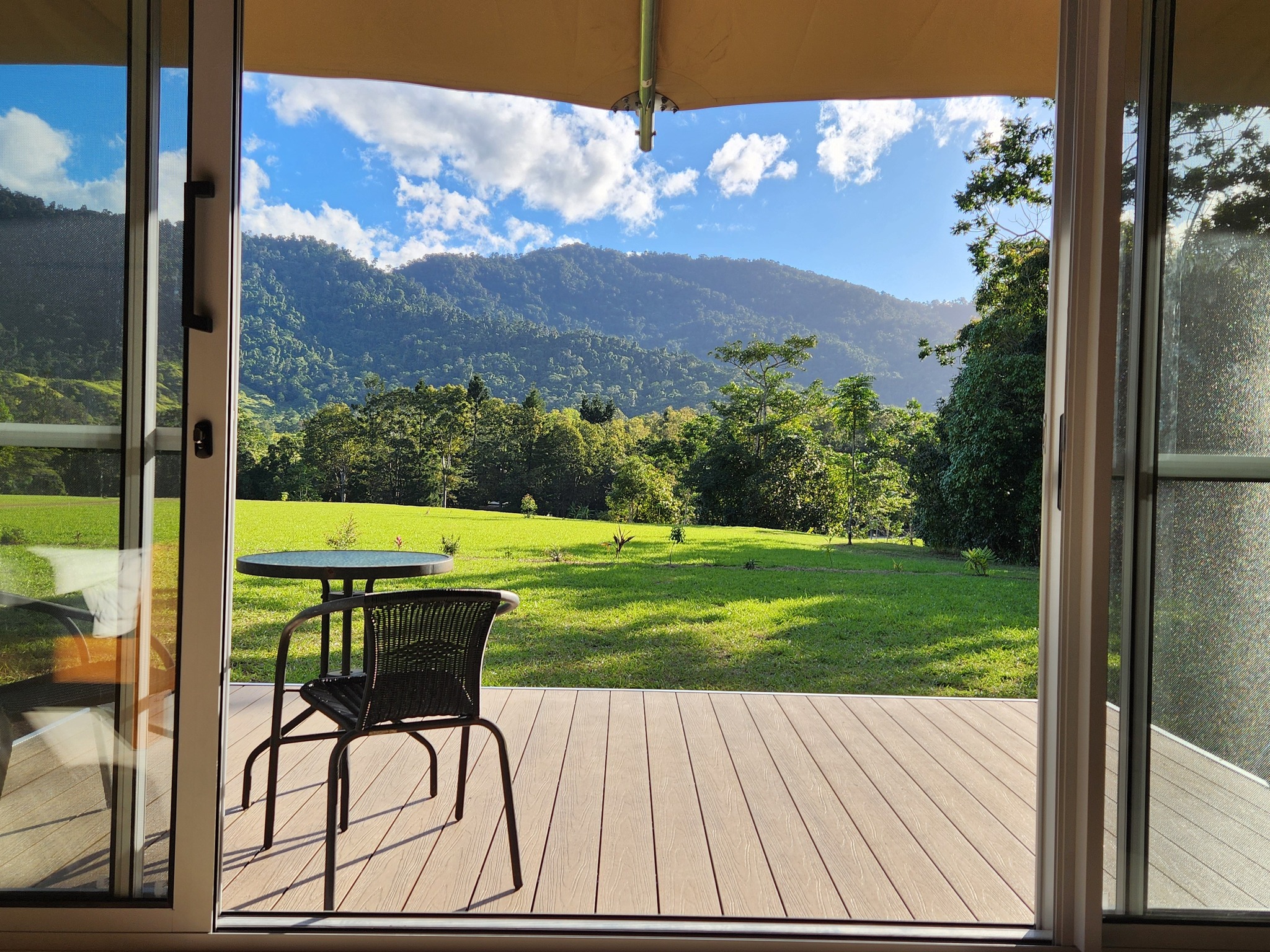
Nestled in the lush foothills of the Pioneer Valley, Finch Falls Retreat spans 13 acres of open space and native rainforest, offering a tranquil escape where families can reconnect with nature at their own pace. Surrounded by breathtaking landscapes, the retreat is a sanctuary for walking, riding, or simply unwinding amidst the serene environment. Throughout the grounds, inviting seating areas provide the perfect spot to pause, relax, and soak in the peaceful atmosphere.
The retreat’s two-bedroom Eco Lodges are thoughtfully designed with families in mind, comfortably accommodating two adults and up to four children. Each lodge features a fully equipped kitchenette and private ensuite, ensuring every stay is convenient and relaxing. Strategically spaced throughout the retreat, each lodge includes its own private deck and undercover BBQ area, which is ideal for enjoying a morning coffee or a family dinner immersed in nature.
Beyond luxury accommodation, Finch Falls Retreat is also a haven for native wildlife. The grounds have undergone a large-scale restoration, with hundreds of native trees and plants introduced to rejuvenate the landscape. As guests wander through the retreat, they may spot an abundance of local wildlife in their natural habitat, making nature an integral part of every stay rather than just a backdrop.
Young explorers are well catered for, with play equipment thoughtfully placed throughout the retreat. Children can enjoy a mud kitchen, cubby house, and playground, while the gently flowing creek offers a safe, shallow space for splashing and exploration most of the year. For those seeking further adventures, Finch Hatton township is just minutes away, offering a playground, pump track, and access to larger natural swimming holes – so why not make it a memorable family day out!
Dining at Finch Falls Retreat is effortless and flexible. Each lodge’s kitchenette includes an induction cooktop, microwave, fridge, and Nespresso coffee machine, making it simple to prepare a relaxed breakfast, picnic-style lunch, or cosy dinner while surrounded by nature.
Finch Falls Retreat is ideally located at 564 Gorge Road, Finch Hatton, Queensland, just 8 kilometres from the town centre and 3 kilometres from the picturesque Finch Hatton Gorge. Accessible via sealed roads, the drive to the retreat takes guests through scenic farmland, rainforest, and mountain landscapes, setting the tone for a restorative stay in the heart of the Pioneer Valley.
Every element of Finch Falls Retreat, from the private Eco Lodges to the carefully restored grounds, wildlife habitats, and family-friendly amenities, has been designed to provide a whole-family experience.
Here, luxury and nature coexist, creating a serene and immersive escape where families can explore, unwind, and make lasting memories together.
finchfallsretreat.com.au
Publishers Indemnity. Any individual or entity that places advertising, supplies copy material, or submits editorial content to Core Life Publishing agrees and undertakes to ensure that all such material:- Does not infringe upon any copyright, trademark, or other intellectual property rights;- Is free from any content that could be considered defamatory, libelous, or slanderous;- Does not infringe upon any rights related to privacy or breach of confidence;- Contains no obscene, indecent, or otherwise unlawful material;- Complies fully with the Trade Practices Act and all other applicable laws, regulations, or statutes.Furthermore, by submitting or placing such material, these individuals or entities agree to indemnify and hold harmless the publisher, Core Publishing and Events Pty Ltd, and/or its agents from and against any and all investigations, claims, demands, liabilities, damages, costs, or judgments arising out of or in connection with the material provided. All material is believed to be accurate at the time of printing and remains the copyright of Core Publishing and Events Pty Ltd.
© 2026 Mackay and Whitsunday Life Pty Ltd.
