Independently Owned, Locally Grown, Community Loved


Photos supplied by Mackay Hospital and Health Service
For three decades, women across Mackay and the wider region have walked through the doors of BreastScreen Mackay for a check that could make all the difference.
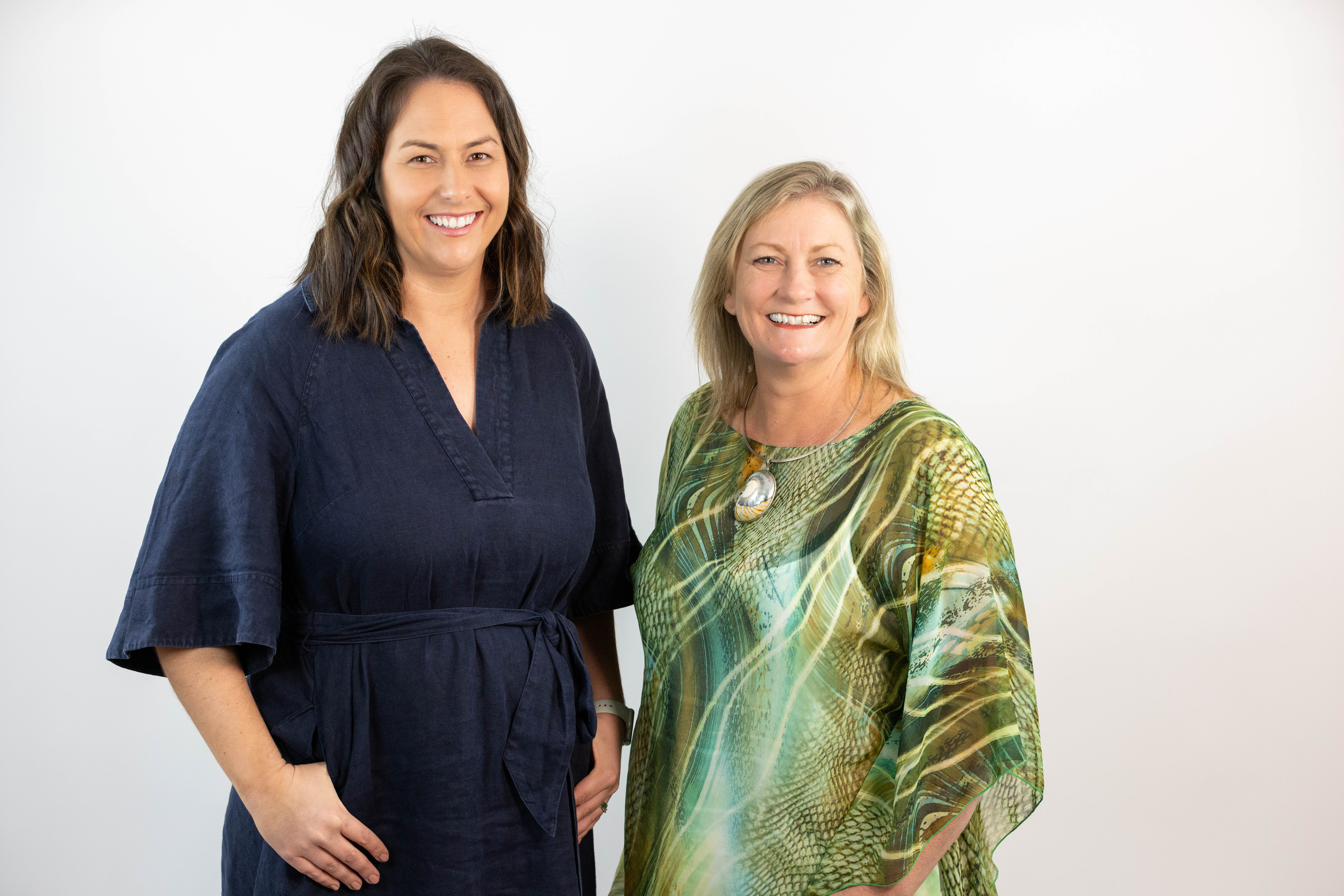
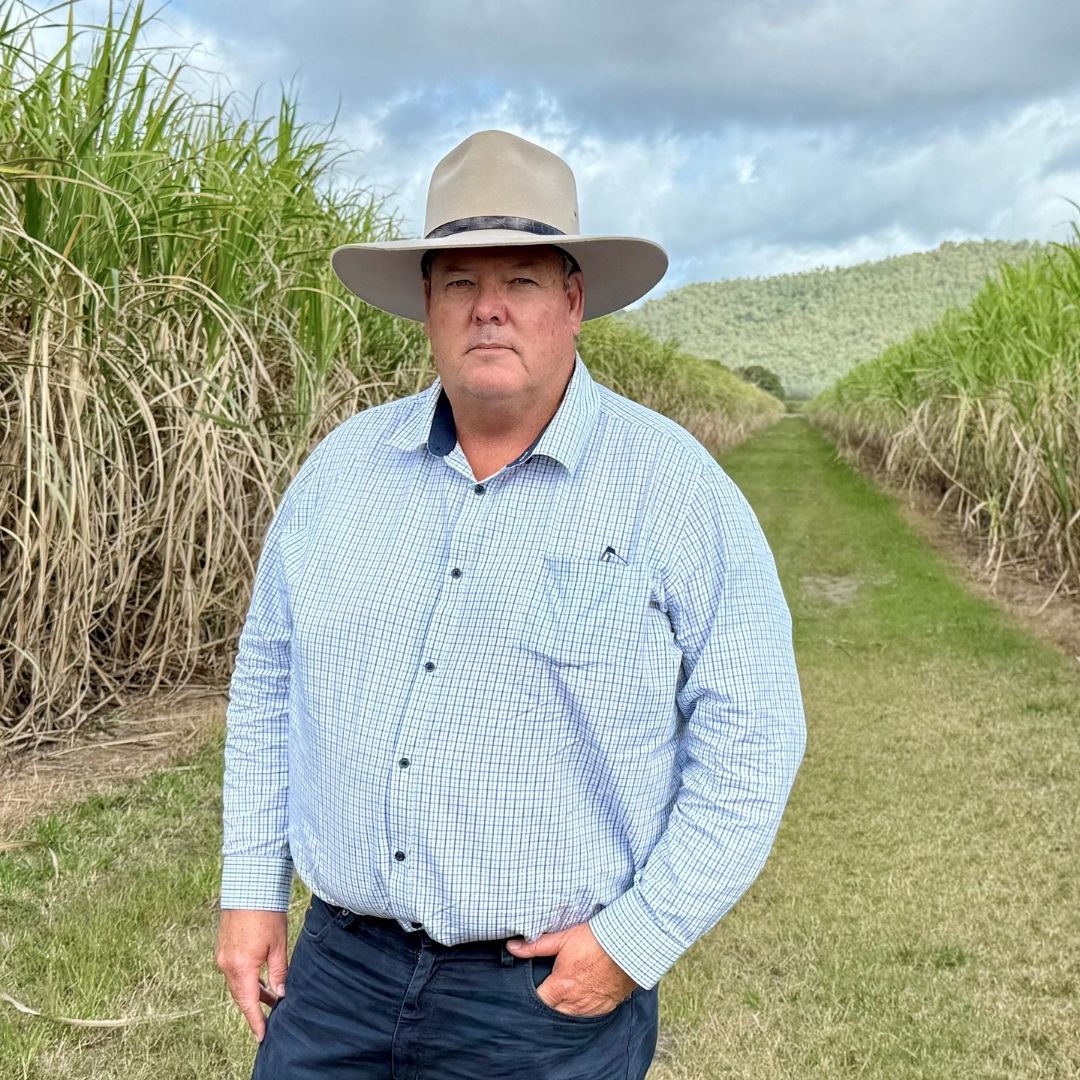
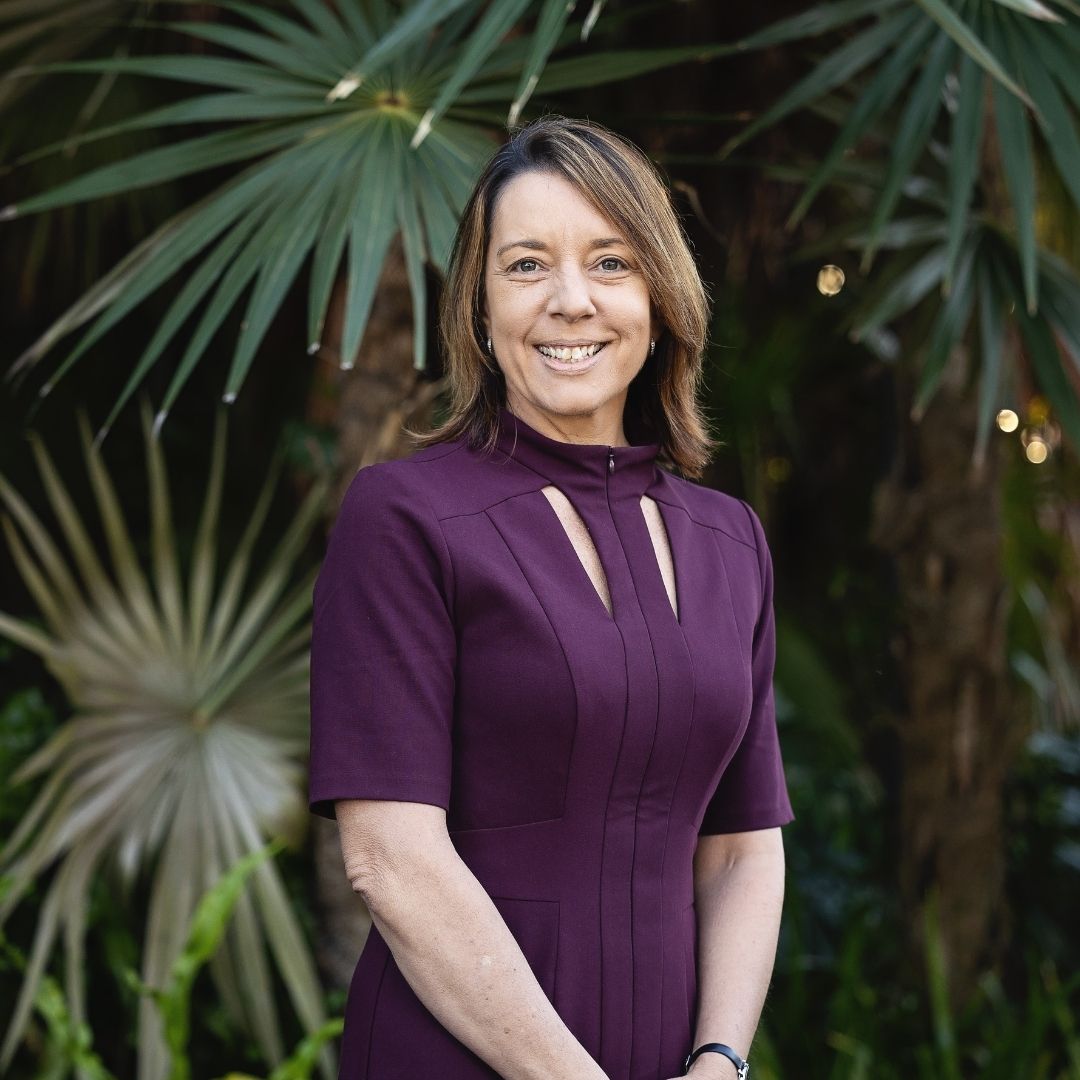
The service marked its 30th anniversary earlier this week with a small celebration at its Wellington Street facility, bringing together current and former staff, Mackay Hospital and Health Service clinicians and staff, Mackay Regional Council Mayor Greg Williamson and Member for Mackay Nigel Dalton.
Since opening in 1996, BreastScreen Mackay has carried out more than 225,000 breast screens, alongside more than 14,300 assessment attendances and 1,274 diagnoses.
BreastScreen Mackay Clinical Director Dr Wendela Schimmer said the figures represented much more than numbers, reflecting three decades of early detection, changing technology and connections with women throughout the region.
“When the service commenced, mammograms were captured on film and processed in a darkroom. In its first year, 1985 women were screened here in Mackay,” Dr Schimmer said.
The number of screenings has continued to grow across the decades, with 53,801 recorded at the Mackay facility between 1996 and 2005, 76,618 between 2006 and 2015, and 87,685 between 2016 and 2025.
Technology has also changed considerably since those early days. A Hologic Selenia Dimensions system with 3D breast tomosynthesis was installed at the clinic in 2018, further expanding the service’s screening capabilities.
For women living outside Mackay, access has also been taken on the road.
BreastScreen Mackay’s mobile screening bus, Freya, began travelling throughout the region in 2019 and has since hosted more than 20,000 screening attendances. The bus was upgraded in 2023 with a Siemens Mammomat Revelation mammography unit.
The service’s reach expanded again in 2024, when Bowen and Collinsville were added to its catchment.
While the equipment may have changed, Dr Schimmer said encouraging women to attend screening remained an important part of the service’s work.
“The service also continues to encourage eligible women to overcome common barriers to screening, including cultural barriers, fear and the belief that screening is unnecessary if you don’t have a family history of breast cancer,” she said.
“Early detection through screening remains one of the most important tools in the fight against breast cancer.”
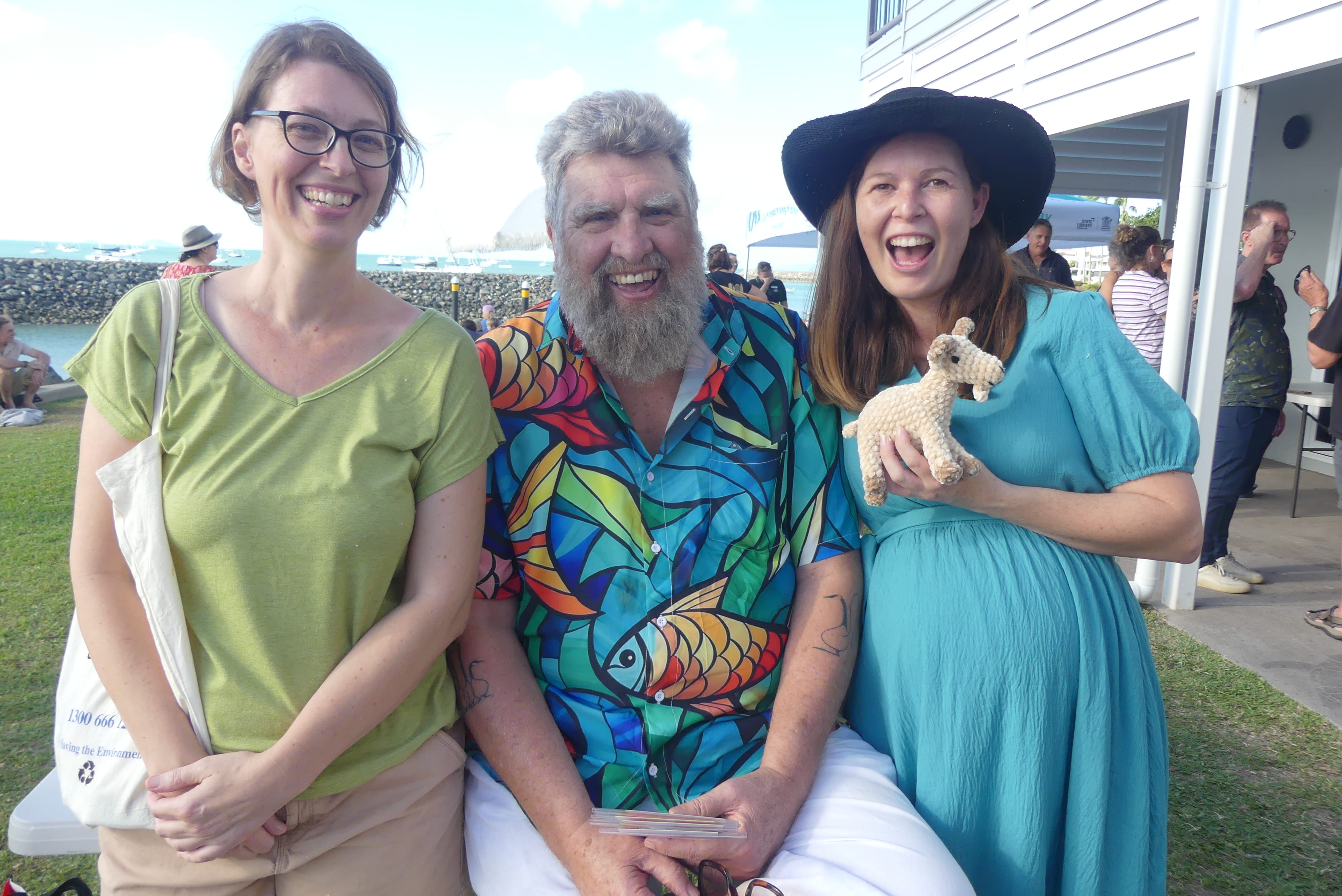
The 30th anniversary event included speeches, a cake cutting, plaque reveal and the launch of the Sista Shawls initiative.
A photo display in the facility’s foyer also captured the journey from 1996 to today, showcasing the people, technology, mobile services and milestones behind three decades of screening in the region.
And despite the changes over the years, the reason behind the service remains simple.
“Every screening represents an opportunity to detect breast cancer early, when treatment can be more effective.”
BreastScreen provides free screening every two years for women aged 40 and over, with women aged 50 to 74 actively invited to participate.

Publishers Indemnity. Any individual or entity that places advertising, supplies copy material, or submits editorial content to Core Life Publishing agrees and undertakes to ensure that all such material:- Does not infringe upon any copyright, trademark, or other intellectual property rights;- Is free from any content that could be considered defamatory, libelous, or slanderous;- Does not infringe upon any rights related to privacy or breach of confidence;- Contains no obscene, indecent, or otherwise unlawful material;- Complies fully with the Trade Practices Act and all other applicable laws, regulations, or statutes.Furthermore, by submitting or placing such material, these individuals or entities agree to indemnify and hold harmless the publisher, Core Publishing and Events Pty Ltd, and/or its agents from and against any and all investigations, claims, demands, liabilities, damages, costs, or judgments arising out of or in connection with the material provided. All material is believed to be accurate at the time of printing and remains the copyright of Core Publishing and Events Pty Ltd.
© 2026 Mackay and Whitsunday Life Pty Ltd.