Independently Owned, Locally Grown, Community Loved


BMA CQ Rescue is celebrating three decades of heroic, lifesaving care delivered across Central Queensland; a vital service that has made it possible for locals and tourists to live, work and play in even the most remote corners of paradise.
The idea for the helicopter rescue service was first seeded in 1992, following a horrific car crash near Lake Elphinstone, 92km west of Mackay.
A helicopter from Mount Isa Mines assisted at the scene, saving lives and leading local hospital and ambulance staff to advocate for a permanent aeromedical service in the region.
Following the advocacy, Queensland State Parliamentary Selection Committee and Queensland Regional Health confirmed Mackay needed a rotary wing aeromedical service in 1993, and Queensland Ambulance Service and Mackay Base Hospital began chartering helicopters on an ad hoc basis. Over 200 missions were flown, often employing Mount Isa Mines helicopters at subsidised rates.
In 1994, a community committee formed to establish Central Queensland Helicopter Rescue Service Ltd, pushing for the region to have its own designated helicopter and rescue team for when things went wrong. A year later, Official Board appointments were finalised.

On August 27th, 1996, CQ Rescue conducted their first official mission.
Led by Dr Bert Sadleir, the team airlifted a critically ill guest from Hayman Island with a ruptured ectopic pregnancy. That patient’s life was saved due to the team’s rapid response.
Since that first mission, approximately 14,000 more have been conducted.
During the first 4 months of service, 43 active service missions were flown, including cardiac emergencies, industrial accidents, Irukandji envenomations, water skiing accidents, and a diver injured in a moray eel attack.
Over the years that followed, rescues included shark attacks, critical mining accidents and even a sea snake bite.

In the year 2000, CQ Rescue conducted their 1000th mission; rescuing a truck driver with neck and chest injuries after a collision with a freight train.
Three years later came a tragedy. Three crew members lost their lives when the CQ RESQ Bell 407 crashed into waters off Cape Hillsborough. The organisation commemorates those fallen heroes every year, and a plaque was installed at Cape Hillsborough in their honour.
In 2008, CQ Rescue conducted Australia’s largest civilian maritime helicopter rescue, winching 37 people from the ‘Romance’ yacht in extreme weather.
In the years since, the organisation has grown their teams, improved their aircraft, and completed countless missions, from a 3-day-old baby transported to receive urgent hospital care, to a bull rider injured in training, to conducting two at sea shark attack responses in less than 24 hours.
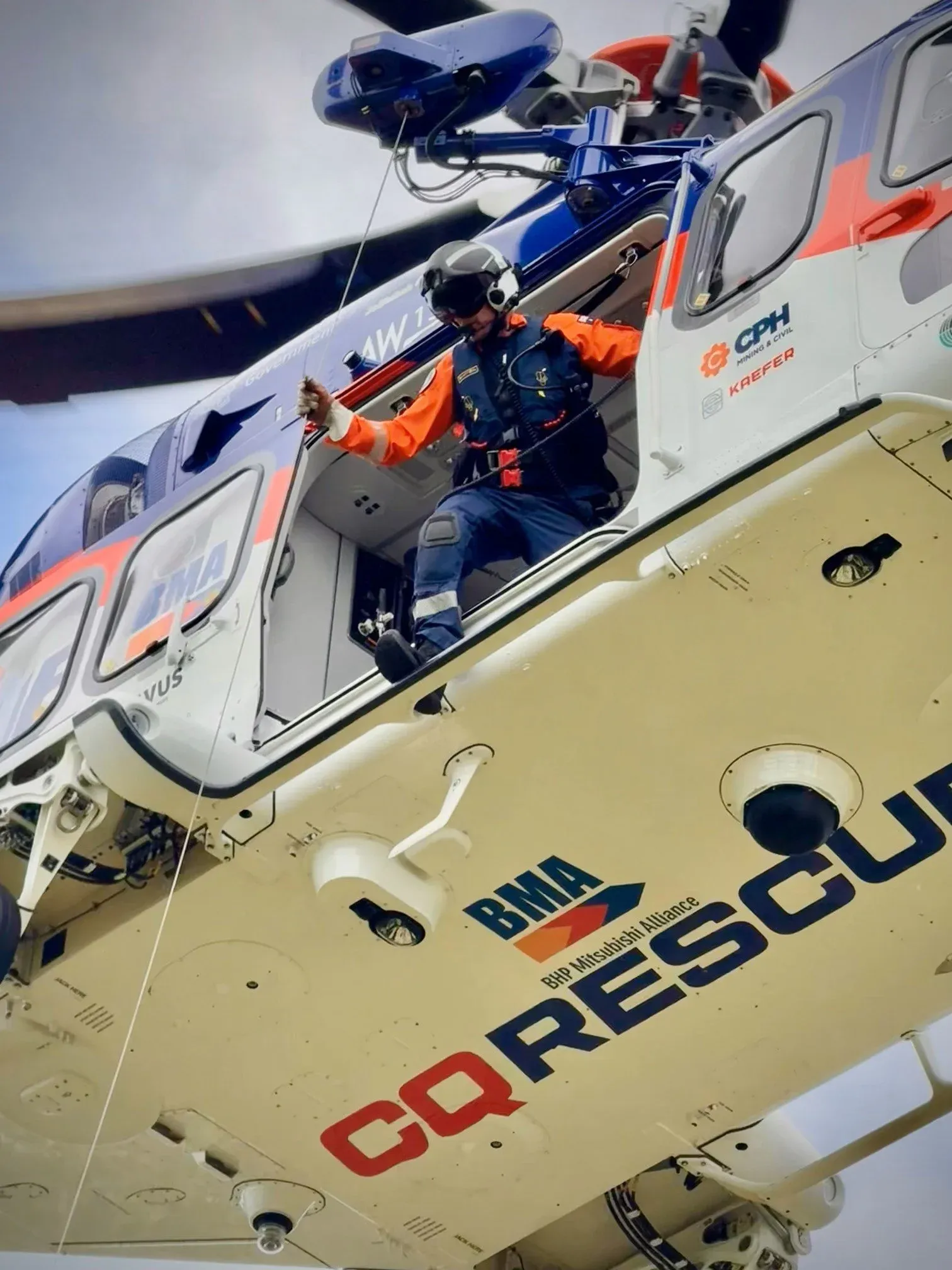
The latest rescue count stands around 14,000, with 778 conducted in 2025 alone.
Underpinning the missions over these three decades has been dedicated pilots and doctors, hardworking staff and the outstanding generosity of businesses and individuals across the communities of Central Queensland.
“This year we celebrate thirty years of CQ Rescue. Thirty years of service, of stories, of lives touched – and of a community that continues to stand behind us,” said CEO Tim Healee.
“This milestone belongs to all of us — to our donors, sponsors, volunteers, staff, board members, and every individual who has supported our mission over the years.
“As we look to the future, I remain incredibly optimistic. The foundations are strong. The team is exceptional. And our mission to deliver world-class aeromedical care where every life matters – has never been clearer.”
“Our pilots, rescue crew, paramedics, doctors, air-crew officers and support staff deserve our deepest thanks,” added Board Chairman Chris Wright.
“Facing constant challenges in emergency situations, they bring compassion, integrity, commitment and reliability to every mission.”
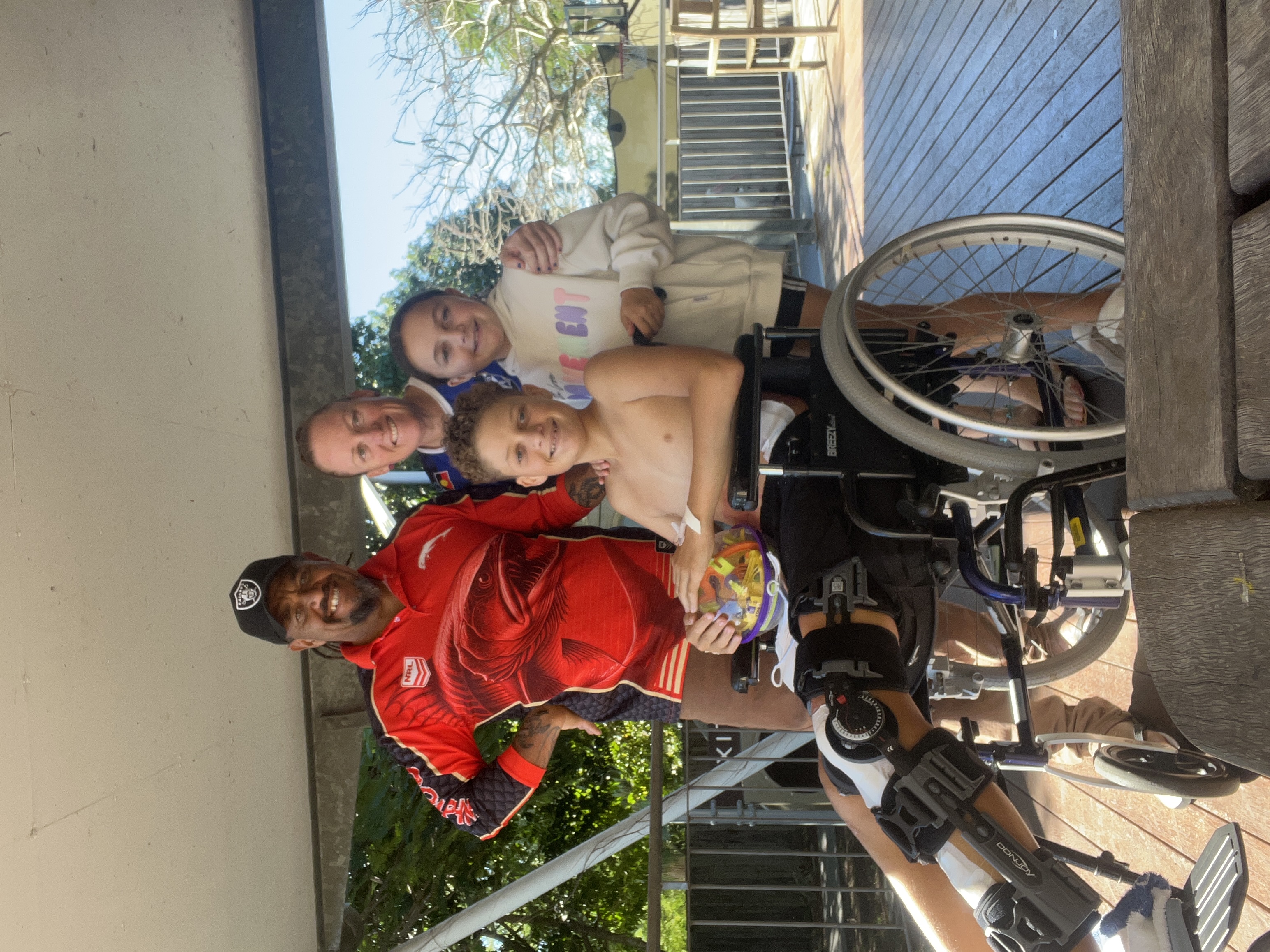
Rebecca and family had been in their new home in Moranbah for just 48 hours when life delivered a brutal reminder of how quickly everything can change.
The move had been tough already. The family 4WD was stolen, and on arrival at their new home they discovered a python in the kitchen.
“Things happen in threes,” Rebecca says now.
On the morning of the Clermont Show Day, the third blow landed.
Rebecca and 13-year-old son Tallis had been arguing. Rebecca wanted him to stay home and help unpack. Tallis wanted to head out to “the Sands” with a new school friend, Levi, to ride motorbikes.
Mother’s intuition told her it wasn’t a good idea — but at 8.30am, an upset Tallis rode off anyway.

At 10am, Rebecca’s phone rang.
“Mum, I think I’ve broken my leg.”
The boys had been riding when an 18 or 19-year-old rider came around a bend and collided with Tallis at around 45km/h.
At Moranbah Hospital, scans revealed the true extent of the damage. Tallis had shattered his pelvis, broken his leg and hip, and suffered four spinal fractures.
Then came the sound Rebecca will never forget.
The arrival of the BMA CQ Rescue helicopter.
Rebecca says the crew moved swiftly and decisively, repositioning Tallis’ hip before transporting him to Mackay Base Hospital.
“They were incredible,” she says.
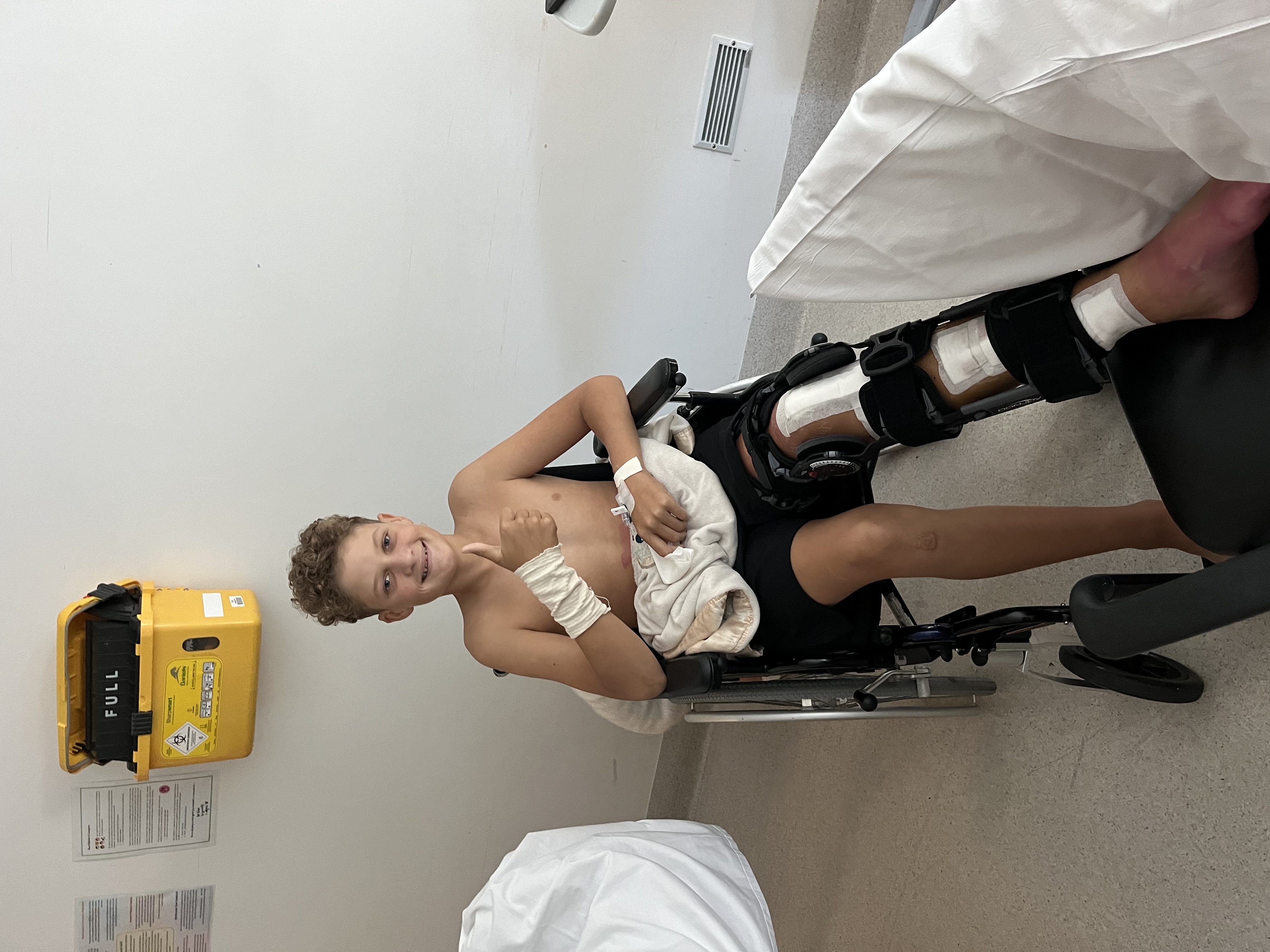
“Absolute angels in the sky.”
One crew member in particular stood out – Dr Katrina Cornish; an “absolute weapon” whose calm, clear and compassionate care made all the difference.
At Mackay Base Hospital, Tallis said something Rebecca will never forget. Still groggy and in pain, he apologised.
“He thought he was being punished for not saying goodbye to me that morning.” Rebecca says.
With such complex paediatric injuries, it took a week to secure the right surgeon. In a remarkable twist, the Sydney Children’s Hospital specialist who could help just happened to be fishing in the Whitsundays.
On the eighth day, Tallis underwent an eight-hour surgery and required multiple blood transfusions.
Doctors warned he would likely spend six months in a wheelchair, but Tallis was off his crutches in just four and a half months.
For Rebecca, the sight and sound of the BMA CQ Rescue helicopter still stops her in her tracks.
“My heart races every time,” she says.
“We are just so grateful for the crew – our angels in the sky.”

Laura and Brayden Bont were in the midst of organising the inaugural Barra Claw Classic fishing competition and had already chosen BMA Rescue as a beneficiary of the event when they found themselves unexpectedly in need of the service.
It was the holiday season, but beneath the usual excitement was a growing worry. Their son, Tennison, had been unwell for weeks. He wasn’t eating. He showed little interest in his Christmas presents. His usual spark had faded.
“He just wasn’t himself. Something wasn’t right,” Laura recalled.
On Boxing Day, Laura’s mother, a nurse, voiced what the Bonts had been fearing. Something was very wrong.
Tennison needed to go to hospital immediately.
Within half an hour of arriving at the Clermont emergency department, it became clear Tennison required urgent, specialised care. BMA CQ Rescue was activated for a critical Boxing Day mission.
What the family didn’t yet know was that an abscess on Tennison’s neck had become septic. In just a matter of hours, the condition had potential to turn fatal. Time was everything.
Brayden accompanied his son on the helicopter.
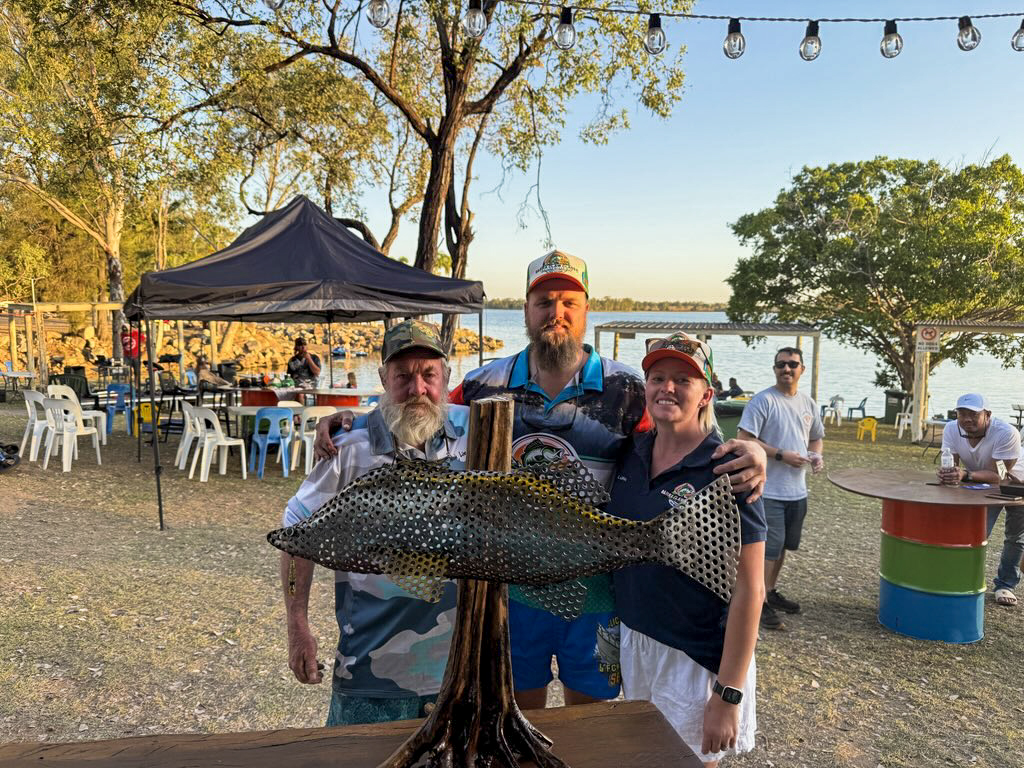
“The crew were incredible,” he said. “They were so gentle with Tennison, they showed him the helicopter, gave him a little toy, and were just unbelievably professional and calm. They made us feel like he was in the safest hands possible.”
From Clermont to Mackay, the crew flew Tennison to the care he needed. He spent a week in hospital on IV antibiotics, several more days recovering, and another week on medication before he was finally out of danger.
“We’re just so grateful they could get him to Mackay so quickly,” Laura said. “It means everything.”
By the time the Barra Claw Classic finally arrived, Tennison was his bright, energetic self again, running, laughing, and reminding his parents exactly why they had poured their hearts into the event. Supporting BMA CQ Rescue now carried a weight they could never have anticipated.
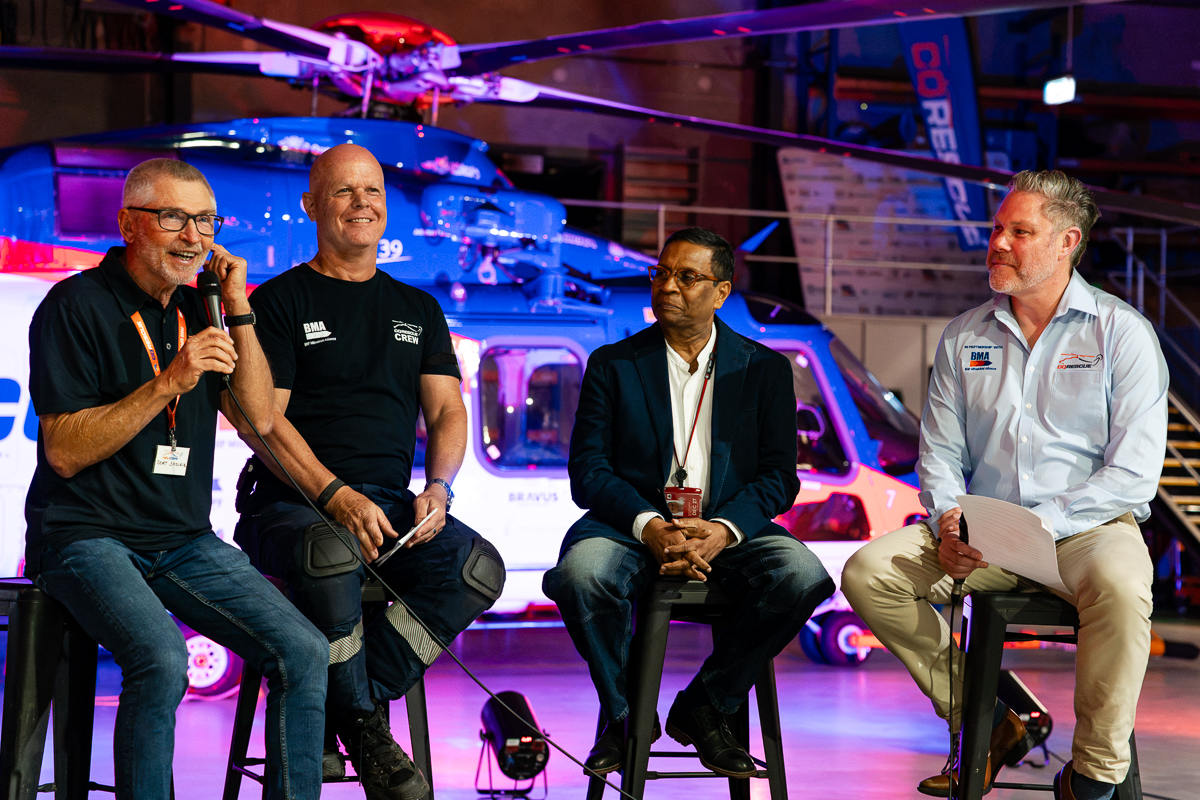
As a former rescuer and current board member, Dr Bert Sadleir attributes BMA CQ Rescue’s ongoing success to the same community support, collaboration and commitment to saving lives that drove its formation three decades ago.
Having helped lay the foundations of the service, Bert has witnessed BMA CQ Rescue’s remarkable evolution from a community proposal into an essential service, with a first-class reputation.
Raised in Ingham, Dr Sadleir’s journey began in 1988, when he became Director of the Emergency Department at Mackay Base Hospital, a role he would hold for more than two decades.
At the time, emergency medicine was rapidly evolving, and the need for patient retrieval across the region was becoming increasingly clear.
With small communities, remote islands and a significant mining industry in the Bowen Basin, patients often needed urgent medical assistance beyond the reach of conventional hospital services.
Working alongside doctors, nurses, ambulance personnel and community advocates, Bert helped develop the protocols, equipment and expertise needed to establish a retrieval service.
A defining moment came in 1992, following a serious head-on collision involving two vehicles carrying miners at Lake Elphinstone.
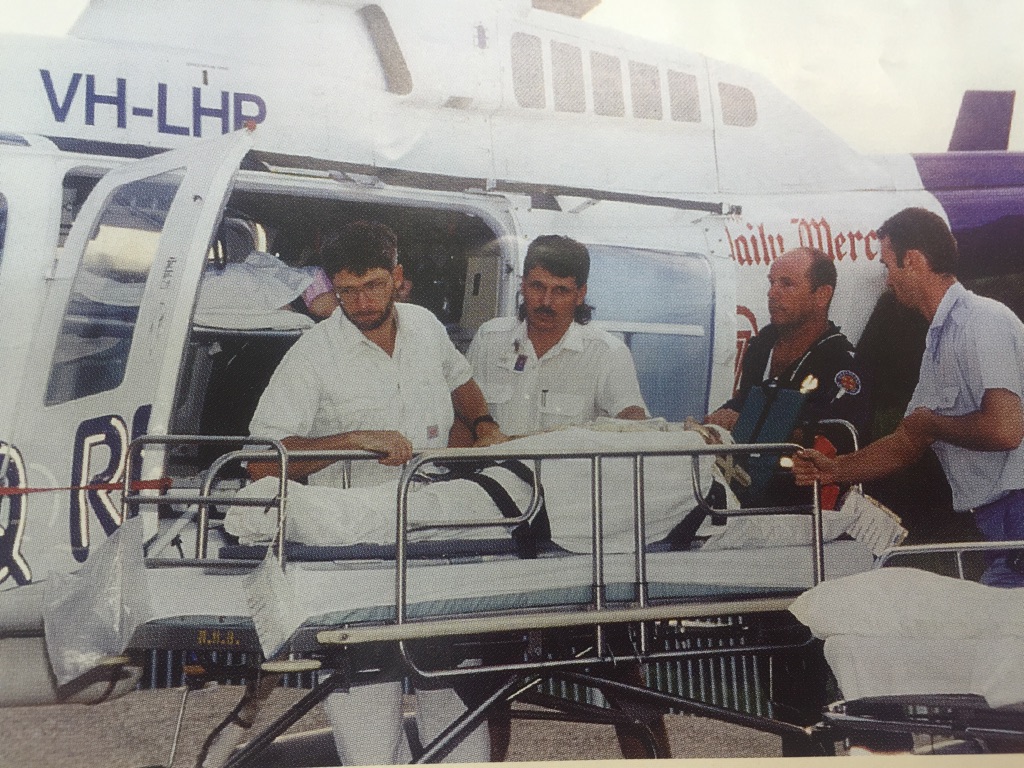
“Mount Isa mines had a helicopter based in Mackay, and the chief pilot was a fellow Vietnam vet by the name of Ken Phillips,” Bert explained.
“We were able to access this helicopter, go out and retrieve three critically injured people. That really brought it home and gave the groups momentum.”
As community fundraising efforts gained momentum and government support followed, CQ Rescue was established.
Bert became part of the operational medical crew, flying for approximately 10 years before he transitioned to the board of directors, where he continues to serve today.
Throughout those decades, Bert has remained mindful that BMA CQ Rescue’s success has never belonged to one person.
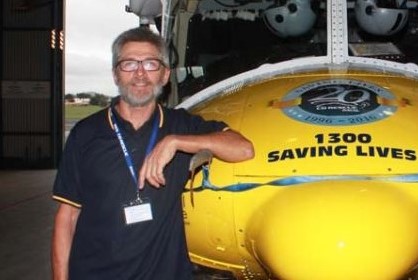
“The contributions came from a lot of different sectors and a lot of different people,” he said.
“There are the big donors, like RACQ and BMA, and that's critically important.
“But also, there’s the community. I remember looking at one report where 96 individual clubs, organisations, and sporting bodies across the region had made donations. That's just enormous community support.”
At the heart of it all, for Bert, has been one simple, unwavering drive: Service to his community.
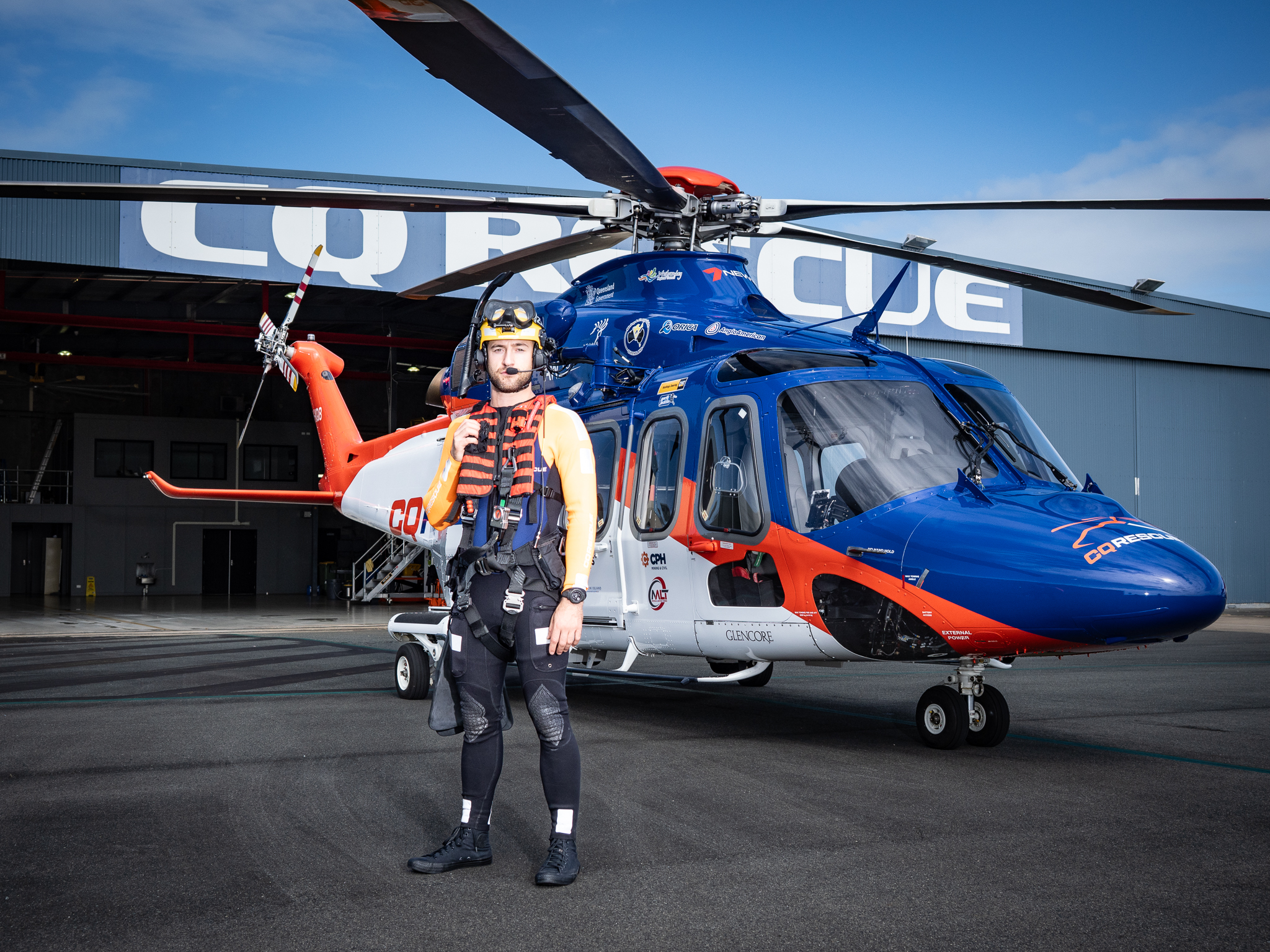
When Ben Grenier pulls on his BMA CQ Rescue flight suit, he’s doing far more than just starting a shift, he’s stepping into the purpose he was born for. Every mission, every rescue, every life touched reminds him why he chose this path.
Ben’s story began years ago on the other side of the world, when tragedy struck close to home. His sister was hiking in the U.S. when she was crushed by a falling boulder, an accident that could easily have taken her life. But it didn’t. Thanks to the skill, bravery and speed of the rescue crew who came to her aid, she survived.
“What they were able to do saved her life, for sure,” Ben said. “I wanted to be part of that. I wanted to contribute.”
That moment lit a fire in him, a calling he couldn’t ignore. What followed were years of relentless hard work, determination and sacrifice. He moved halfway across the world to Australia, determined to follow in the footsteps of the people who had once saved his sister’s life. He researched, sought mentors, took on aviation refuelling jobs and prepared himself physically and mentally for the challenge ahead.
When the time came, he applied for every opening he could find and when the rejections came, he kept going. Because for Ben, this wasn’t just a career, it was his life’s mission.
Then one ordinary day, while standing in line at a KFC, everything changed. His phone buzzed… an email. He’d been shortlisted. The next step was a gruelling physical test. Without hesitation, he stepped out of the line and into the journey that would change his life forever.

“A slight step to the right,” he laughs, “and I was on my way to becoming a Rescue Crew Officer.”
Since joining BMA CQ Rescue, Ben has been part of countless lifesaving missions from the turquoise waters of the Whitsundays to the busy Bruce Highway, from remote properties in Moranbah to far corners of the region where help is hard to find. He’s been there when every second mattered most, helping to bring hope in moments of chaos.
Recently, Ben embarked on a mission of a different kind; one that didn’t involve a helicopter or a harness, but still left a lasting mark on a service he is incredible passionate about. He joined the very first BMA CQ Rescue Fundraising Trek in Tasmania, walking for four days through rugged wilderness alongside people whose lives had been impacted by CQ Rescue.
“Wow, I just love Tassie,” Ben said. “The experience was amazing. Hearing the stories of those who’ve used the service, and those who support us. It was humbling. It really put everything into perspective.”
Sponsored by Mackay West Rotary, Ben says he will be forever grateful for the experience, not just for the adventure, but for the renewed sense of purpose it gave him.
“Their support means the world to me,” he said. “It’s hard to explain just how incredible it was. This trek opened my eyes to the bigger picture. It changed me forever.”
Ben was already 100 percent committed to his work, but now, every time he’s called to a mission, he carries something new with him: a deeper understanding of what BMA CQ Rescue means to the people it serves, and a profound gratitude for the community that stands behind every flight.
Publishers Indemnity. Any individual or entity that places advertising, supplies copy material, or submits editorial content to Core Life Publishing agrees and undertakes to ensure that all such material:- Does not infringe upon any copyright, trademark, or other intellectual property rights;- Is free from any content that could be considered defamatory, libelous, or slanderous;- Does not infringe upon any rights related to privacy or breach of confidence;- Contains no obscene, indecent, or otherwise unlawful material;- Complies fully with the Trade Practices Act and all other applicable laws, regulations, or statutes.Furthermore, by submitting or placing such material, these individuals or entities agree to indemnify and hold harmless the publisher, Core Publishing and Events Pty Ltd, and/or its agents from and against any and all investigations, claims, demands, liabilities, damages, costs, or judgments arising out of or in connection with the material provided. All material is believed to be accurate at the time of printing and remains the copyright of Core Publishing and Events Pty Ltd.
© 2026 Mackay and Whitsunday Life Pty Ltd.