Independently Owned, Locally Grown, Community Loved


By Joseph Borg, Chairman, CANEGROWERS Mackay
It appears that in 2026, Australian agriculture will reach a major industry milestone, with the sector more than likely achieving the ambitious National Farmers’ Federation (NFF) target of $100 billion in farm gate output four years ahead of schedule.
Originally set for 2030, this remarkable achievement underscores the resilience, innovation, and hard work of Australian farmers, with the sugarcane industry playing an important role in powering this growth.
The NFF’s vision for Australian agriculture was bold—requiring sustained investment, technological advancement, and adaptability to unpredictable market and environmental conditions. The sector’s exceptional performance, hopefully culminating in achieving and if not eclipsing the $100 billion mark well before the projected date, is testament to the determination of rural communities and the strategic focus of industry leaders.
While grains, livestock, and horticulture have all played major parts to this target, the sugarcane industry that has emerged as one of the key drivers of agricultural prosperity. Australia plays a significant part in the world’s export of raw sugar, and Queensland’s cane fields have been at the forefront of this achievement. Sugarcane growers have weathered challenging seasons, including droughts and cyclones, but have consistently innovated to meet stringent environmental standards, enhance sustainability, and capture new markets.
In recent years, the sugarcane industry has had numerous technological advancements. Examples include the introduction of precision agriculture techniques, such as satellite mapping and real time data delivery, soil moisture sensors, AI weed detection and drone EMP mapping of soil nutrients. These have enabled growers to maintain productivity while minimising environmental impact. Efficient irrigation systems and nutrient management programs have further contributed to sustainable growth, ensuring that Australian sugarcane remains competitive on the world stage with its exceptional quality, environmental and economic credentials.
Australian sugarcane has also benefited from robust export agreements such as the free trade deals struck by the federal government in collaboration with CANEGROWERS. The UK Free Trade Agreement is an example of this and has opened doors for Australian sustainable sugar, eliminating tariffs and expanding its global footprint. Australian sugar had been locked out of the European (and accordingly, the UK) market since the 70’s. This export strength has been crucial in helping the industry weather global price fluctuations by diversifying our market base.
Growers believe that the sense of community and shared purpose across the sugarcane regions has made a difference. There have been -and still are- tough times, but the sugarcane industry always manages to adapt, invest in new technology, and stay focused on quality. It is something the industry prides itself on.
Environmental stewardship has been another pillar of sugarcane’s success. Growers have implemented programs to reduce runoff and protect the Great Barrier Reef, earning recognition for their commitment to sustainability. The adoption of the Canegrowers Best Management practice (BMP) program has helped Australian sugarcane meet rigorous international and domestic standards, reinforcing its reputation for quality and responsibility.
As the industry looks to the future, the early achievement of the NFF target inspires confidence in the sector’s ongoing growth. The sugarcane industry’s adaptability, innovative spirit, and community focus are expected to drive continued success, with new opportunities emerging in renewable energy, value-added products, and export expansion.
Federal and state governments, alongside industry leaders, have pledged to support the agricultural sector in maintaining momentum. Investments in infrastructure, rural education, and market access will be critical in sustaining growth and ensuring Australian agriculture remains globally competitive.
With Australian agriculture now appearing to eclipse the $100 billion mark, the achievements of the sugarcane industry stand out as a sweet success story. As the sector celebrates this milestone, attention turns to the next frontier—ensuring sustainable growth, fostering innovation, and continuing to deliver value for Australian communities and the world.
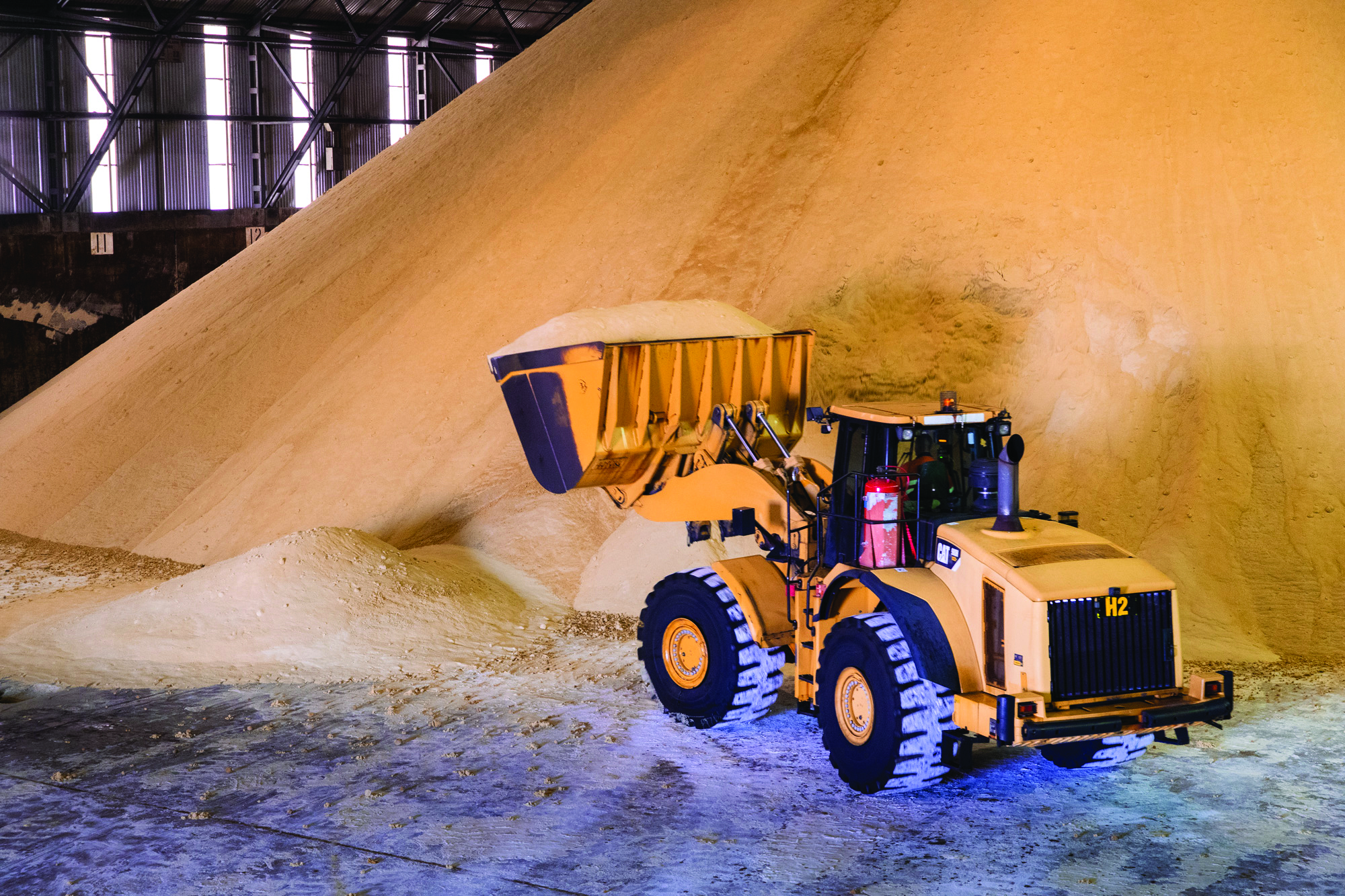
CAPTION: Diversified sugar export markets are critical part of industry resilience. Photo credit: NQBP

Publishers Indemnity. Any individual or entity that places advertising, supplies copy material, or submits editorial content to Core Life Publishing agrees and undertakes to ensure that all such material:- Does not infringe upon any copyright, trademark, or other intellectual property rights;- Is free from any content that could be considered defamatory, libelous, or slanderous;- Does not infringe upon any rights related to privacy or breach of confidence;- Contains no obscene, indecent, or otherwise unlawful material;- Complies fully with the Trade Practices Act and all other applicable laws, regulations, or statutes.Furthermore, by submitting or placing such material, these individuals or entities agree to indemnify and hold harmless the publisher, Core Publishing and Events Pty Ltd, and/or its agents from and against any and all investigations, claims, demands, liabilities, damages, costs, or judgments arising out of or in connection with the material provided. All material is believed to be accurate at the time of printing and remains the copyright of Core Publishing and Events Pty Ltd.
© 2026 Mackay and Whitsunday Life Pty Ltd.