Independently Owned, Locally Grown, Community Loved


By Cr Heath Paton
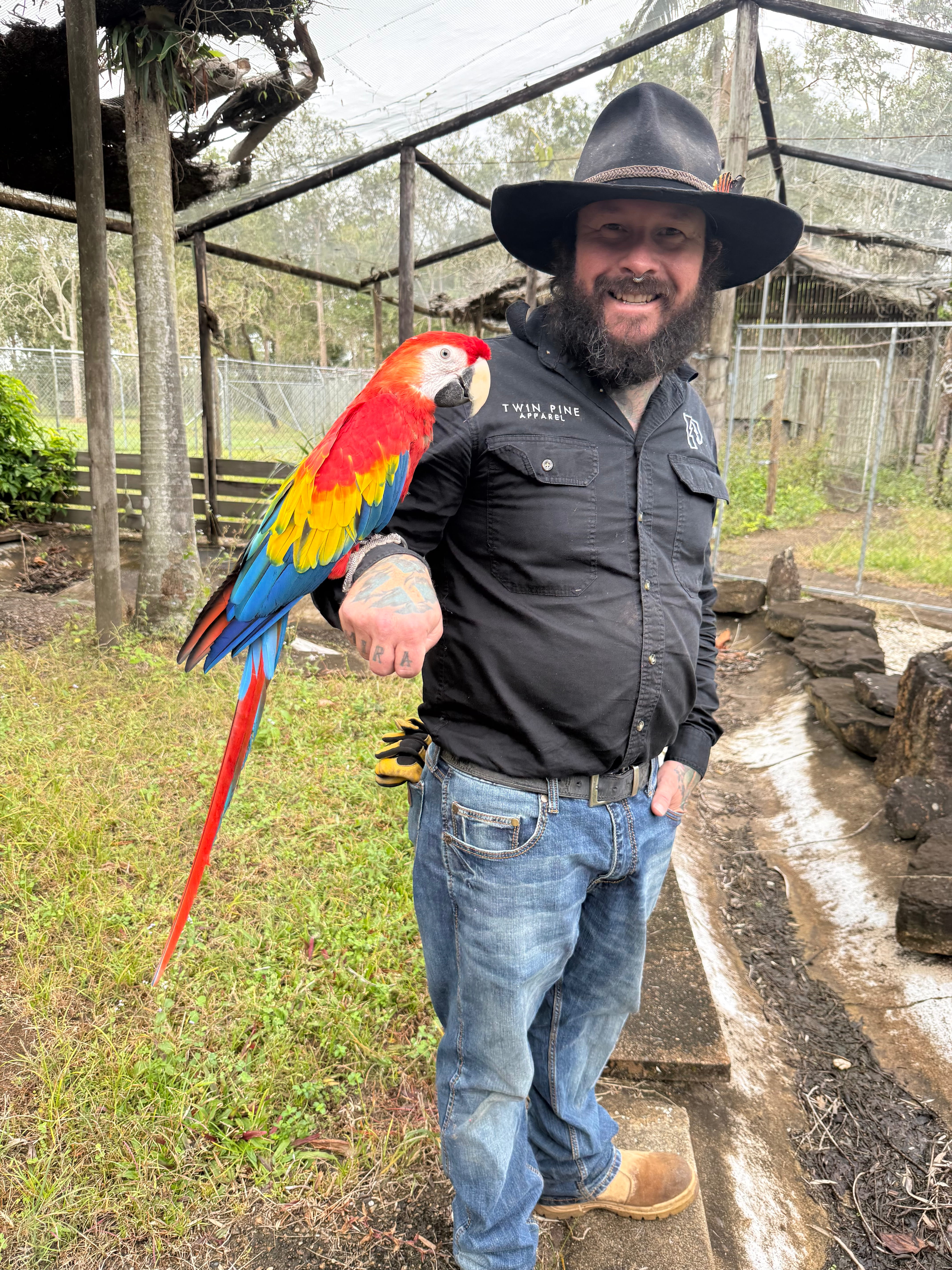
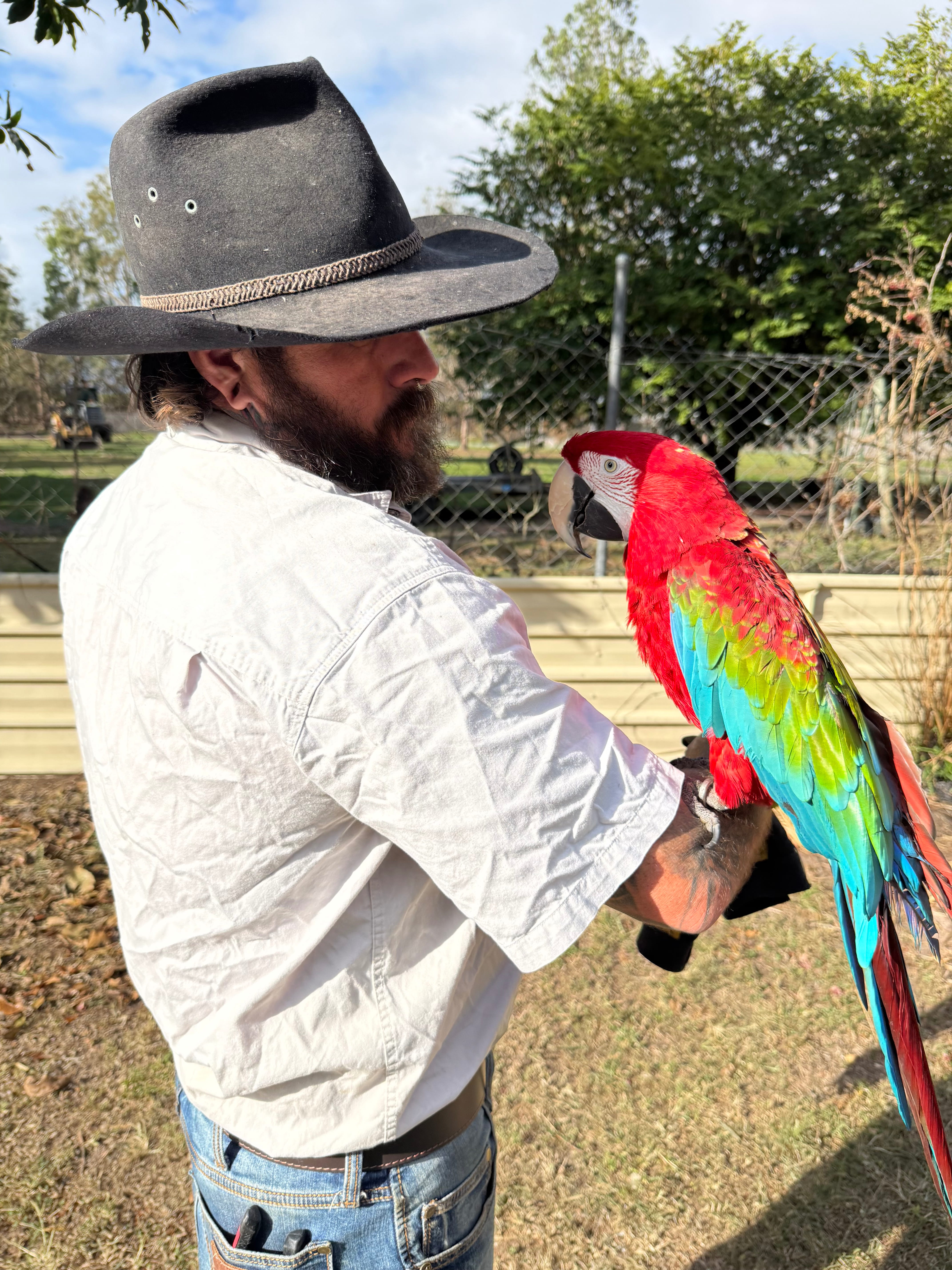
As someone who lives on acreage and keeps both parrots and poultry, the growing spread of H5 avian influenza across Australia is more than just another headline. Like many bird owners, I watch reports of the virus with a mix of concern and hope, knowing how much we value the health and wellbeing of our animals. While Australia's poultry industry remains free of the disease, the increasing number of detections in wild birds serves as a timely reminder that vigilance is essential.
Australian authorities are continuing to monitor the spread of H5 avian influenza, commonly known as bird flu, after 231 detections were confirmed in wild birds across the country (at the time of writing this).
The majority of cases have been recorded in South Australia, where 163 detections have been reported. Victoria has recorded 53 cases, followed by Western Australia with 10, New South Wales with four and Queensland with one. Importantly, there have been no detections of the virus in poultry or Australia's agricultural production systems.
Experts have confirmed evidence of local transmission among wild bird populations in South Australia and Victoria. A significant mass mortality event involving wild birds has also been reported in South Australia, reflecting patterns seen internationally as the H5 strain becomes established in wild bird populations.
Authorities say that while the virus is spreading among wildlife, Australia's poultry industry remains free from infection and strong biosecurity measures continue to protect commercial and backyard flocks.
As the disease becomes more widespread, national surveillance and reporting methods are changing. Rather than focusing on individual bird detections, reporting will increasingly concentrate on investigations, significant mortality events, affected species and disease trends over time. Officials say this approach will provide a more accurate picture of how the virus is spreading and evolving.
Members of the public are still being urged to report unusual wildlife illness or deaths. Reports are assessed according to risk and may trigger investigations and testing where necessary.
Health authorities have reassured Australians that the current risk to people remains low. Human infections with this strain of H5 bird flu are rare, no cases have been recorded in Australia and there is currently no evidence of human-to-human transmission.
Community members who encounter sick or dead birds are advised not to touch them. Instead, they should record details such as the location and species involved, if known, and report multiple sick or dead birds or other wildlife to the Emergency Animal Disease Hotline on 1800 675 888.
Further updates, fact sheets and biosecurity information are available through the national bird flu information website, birdflu.gov.au.
For bird owners, farmers and wildlife lovers alike, the spread of H5 bird flu is a reminder of the importance of biosecurity, early reporting and protecting the animals that play such an important role in our lives and communities.
Publishers Indemnity. Any individual or entity that places advertising, supplies copy material, or submits editorial content to Core Life Publishing agrees and undertakes to ensure that all such material:- Does not infringe upon any copyright, trademark, or other intellectual property rights;- Is free from any content that could be considered defamatory, libelous, or slanderous;- Does not infringe upon any rights related to privacy or breach of confidence;- Contains no obscene, indecent, or otherwise unlawful material;- Complies fully with the Trade Practices Act and all other applicable laws, regulations, or statutes.Furthermore, by submitting or placing such material, these individuals or entities agree to indemnify and hold harmless the publisher, Core Publishing and Events Pty Ltd, and/or its agents from and against any and all investigations, claims, demands, liabilities, damages, costs, or judgments arising out of or in connection with the material provided. All material is believed to be accurate at the time of printing and remains the copyright of Core Publishing and Events Pty Ltd.
© 2026 Mackay and Whitsunday Life Pty Ltd.

.jpg)