Independently Owned, Locally Grown, Community Loved
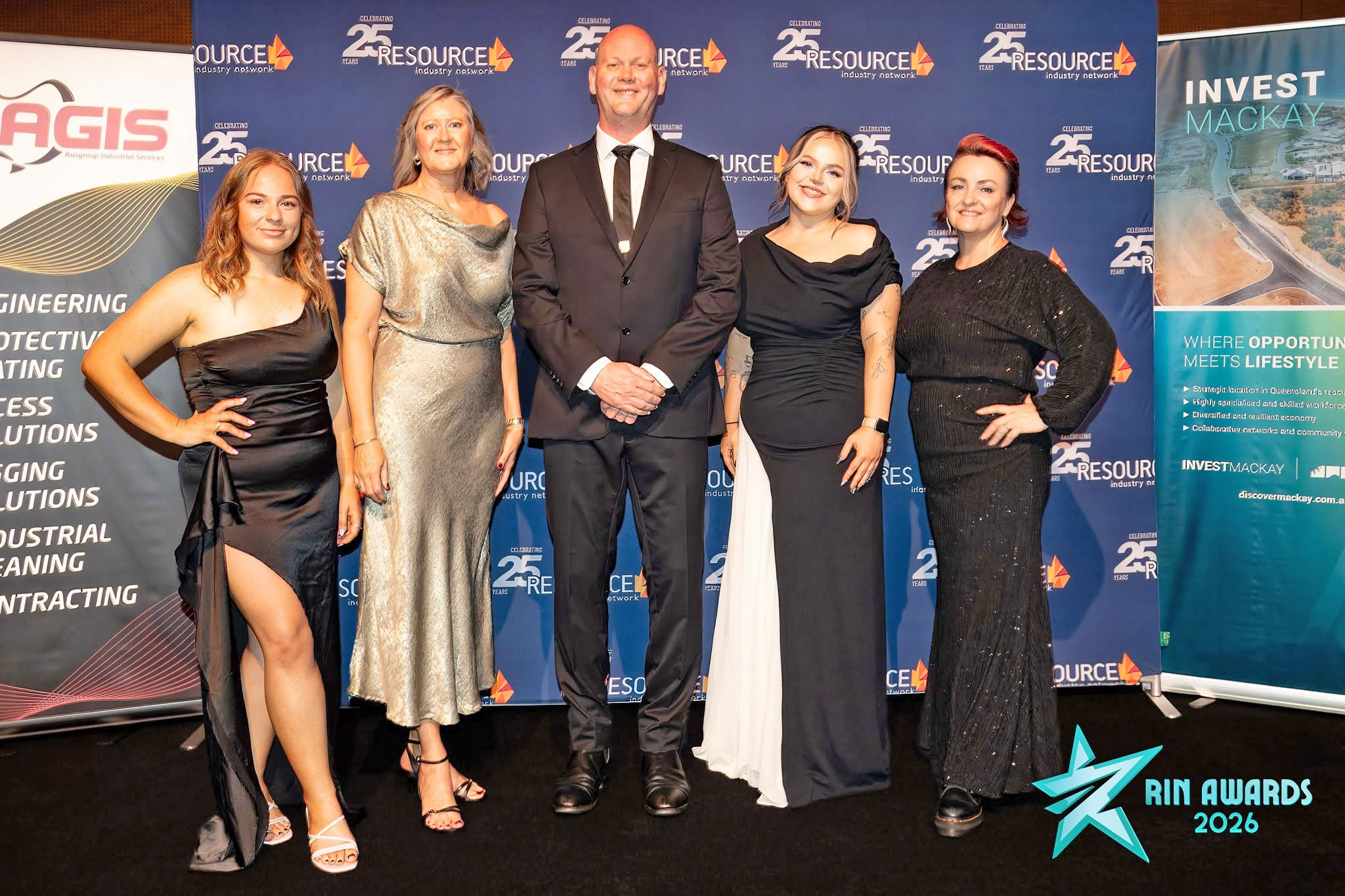


James Cook University Adjunct Professor Adam Smith says citizen scientists could play a greater role in protecting the environment. Photo credit: electra
Everyday Australians could play a much greater role in tackling some of the nation's biggest environmental and public health challenges, according to new research involving James Cook University.
The study found citizen science – where volunteers work alongside professional researchers to collect, analyse or interpret data – has the potential to make a significant contribution to areas such as climate change, reef health, biodiversity and public health by involving the community throughout the entire research process.
James Cook University Adjunct Professor Adam Smith, from the Centre for Tropical Water and Aquatic Ecosystem Research (TropWATER) and CEO of Reef Ecologic, said citizen scientists could contribute from the planning stages of research right through to reporting results.
"There is scope for everyday people to contribute throughout scientific research, from planning projects through to reporting the results," Dr Smith said.
While current estimates suggest Australia has between 100,000 and 130,000 citizen scientists, Dr Smith believes the true figure is much higher.
"I think this is a major underestimate. My survey of about 20 key organisations suggests there are likely more than a million in Australia," he said.
The study, led by charity Science for All, also found greater public involvement in research could improve scientific literacy, build public trust and help combat misinformation.
Researchers have proposed 10 recommendations to strengthen citizen science, including better funding, training, recognition for volunteers and the use of emerging technologies such as artificial intelligence and open data platforms.
Dr Smith said increasing community participation in science would help Australia develop stronger, evidence-based responses to future environmental and health challenges while positioning the nation as a global leader in marine citizen science.
Publishers Indemnity. Any individual or entity that places advertising, supplies copy material, or submits editorial content to Core Life Publishing agrees and undertakes to ensure that all such material:- Does not infringe upon any copyright, trademark, or other intellectual property rights;- Is free from any content that could be considered defamatory, libelous, or slanderous;- Does not infringe upon any rights related to privacy or breach of confidence;- Contains no obscene, indecent, or otherwise unlawful material;- Complies fully with the Trade Practices Act and all other applicable laws, regulations, or statutes.Furthermore, by submitting or placing such material, these individuals or entities agree to indemnify and hold harmless the publisher, Core Publishing and Events Pty Ltd, and/or its agents from and against any and all investigations, claims, demands, liabilities, damages, costs, or judgments arising out of or in connection with the material provided. All material is believed to be accurate at the time of printing and remains the copyright of Core Publishing and Events Pty Ltd.
© 2026 Mackay and Whitsunday Life Pty Ltd.