Independently Owned, Locally Grown, Community Loved

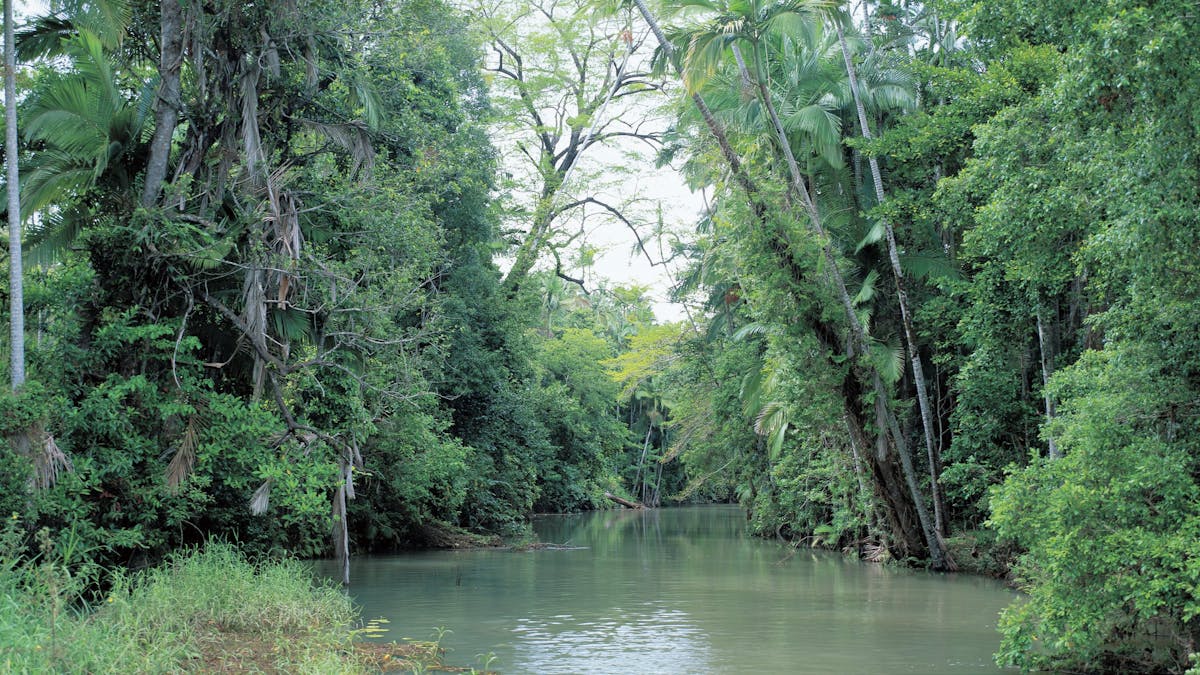
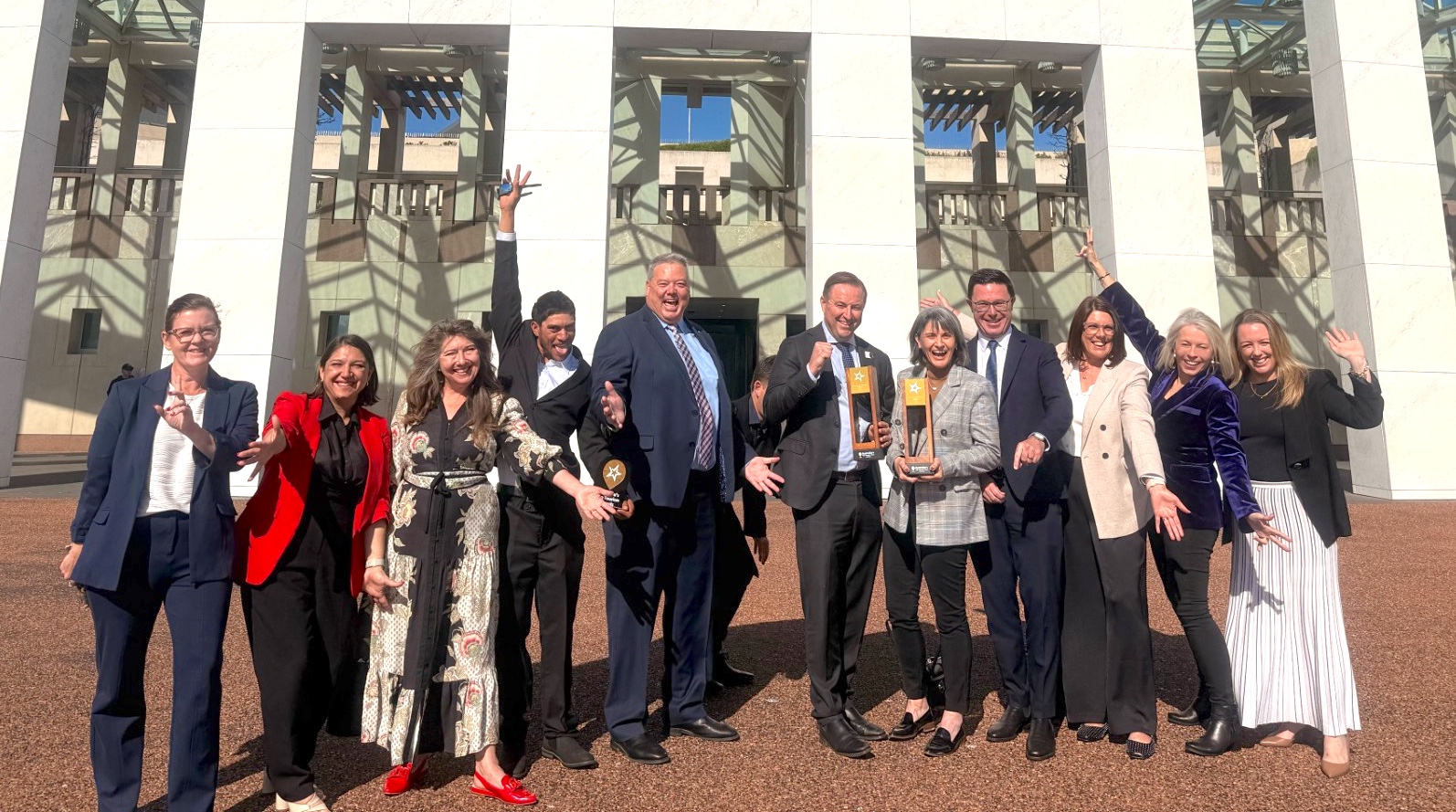
According to the Whitsunday Conservation Council, ecotourism should prioritise conservation and education, not serve as a green label for developments that degrade the natural values they claim to protect. Photo source: Queensland Government
Concerned Conservationists have spoken up following the announcement of the Whitsunday Skyway Project.
Stage One of the proposed new attraction will feature a 1.8km cableway from Airlie Beach to the summit of Conway National Park, a luge-style ride, as well as dining and cultural experiences, special events facilities and bushwalking tracks.
A second stage, including downhill mountain bike trails, is also planned and will be subject to a future feasibility review.
"The Whitsunday Conservation Council’s policy is that National Parks exist to protect nature, not to serve as sites for commercial infrastructure," said Tony Fontes, President of the Whitsunday Conservation Council (WCC).
“Protected areas such as Conway National Park provide refuge for wildlife, safeguard ecosystems, preserve Indigenous heritage, and offer opportunities for sustainable, low-impact recreation and education.
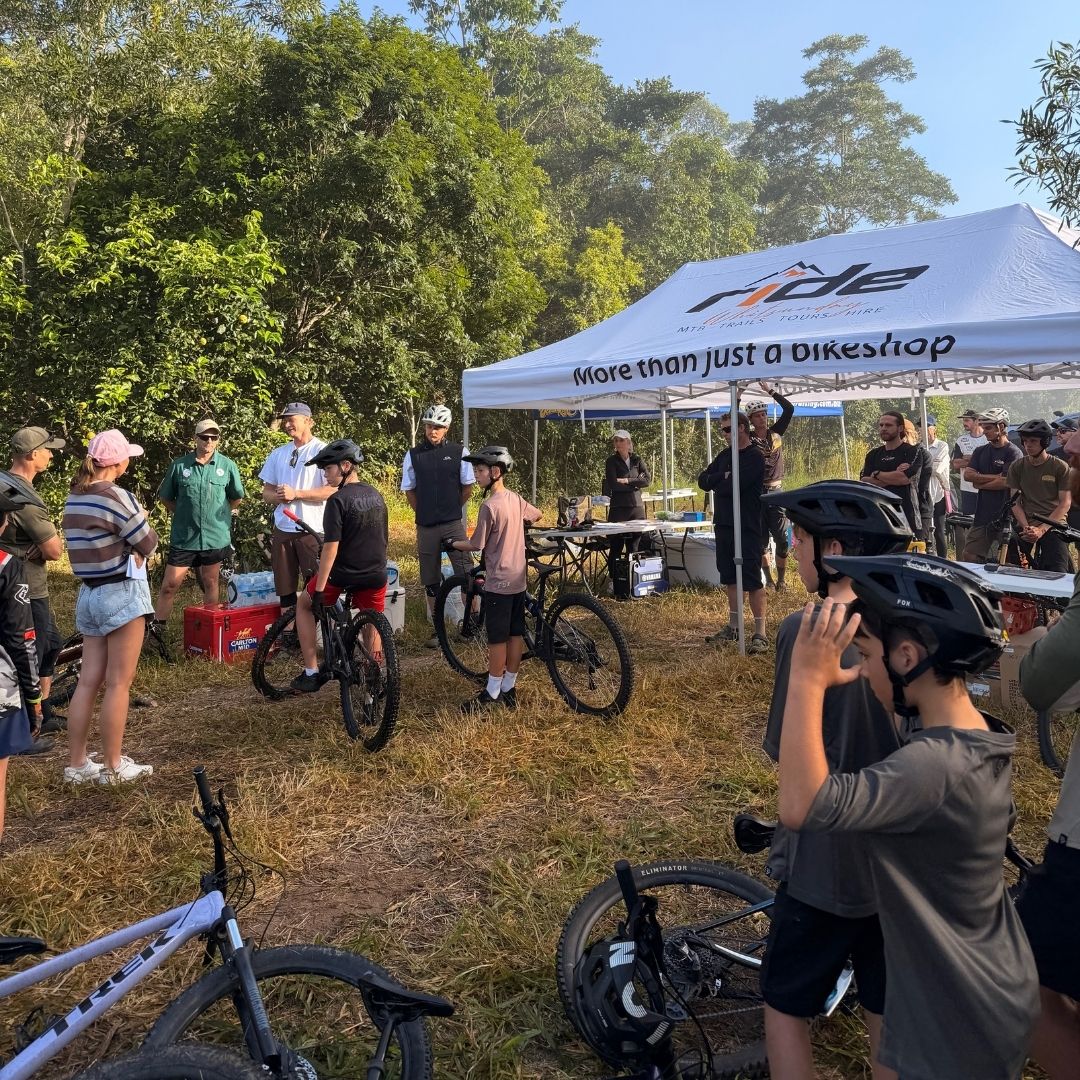
"We are most concerned with the proposed mountain bike trail associated with the Skyway project… A thrill-seeking downhill mountain bike race is not ecotourism and has no place in a National Park.
“Ecotourism is based on conserving natural environments, minimising impacts, and fostering appreciation and understanding of nature. Mountain biking, by contrast, is primarily a recreational activity that requires trails, infrastructure, and ongoing maintenance, often resulting in vegetation clearing, soil erosion, wildlife disturbance, and habitat fragmentation. While mountain biking can occur in natural settings and may support local economies, these benefits alone do not make it ecotourism. Labelling mountain biking as ecotourism risks diluting the meaning of the term and undermining genuine nature-based conservation outcomes.”
"We are also very concerned that the current Queensland government is determined to open our National Parks to a slew of commercial interests, under the guise of ecotourism, with a “streamlined approval process” and no room for public consultation."
“National Parks are established primarily to protect biodiversity, landscapes and cultural heritage, not to serve as commercial assets. A streamlined approval process may weaken environmental scrutiny and limit consideration of cumulative impacts on sensitive ecosystems. Equally troubling is the apparent lack of meaningful public consultation, which removes the community's ability to scrutinise proposals and hold decision-makers accountable.
“Calling a development “ecotourism” does not automatically make it environmentally responsible. Too often, the term is used to market projects that involve habitat clearing, new infrastructure, increased visitation and disturbance to wildlife. Genuine ecotourism should prioritise conservation and education, not serve as a green label for developments that degrade the natural values they claim to protect.”
“The problem with undisturbed natural areas is that they don't make them anymore.”
In response to the WCC’s concerns, Member For Whitsunday Amanda Camm said:
"I respect that some members of the community have concerns about the proposed Whitsunday Skyway and the protection of Conway National Park.
“The Whitsundays' natural environment is one of our region's greatest assets, and any proposal will need to meet the relevant environmental and regulatory requirements. At the same time, the project presents an opportunity to strengthen our tourism industry, support local jobs and contribute to the region's economic growth.
“It is important that discussions around the project are informed by evidence, balanced consideration of environmental impacts and the long-term interests of the Whitsunday community."
With plans projecting that the Skyway would create 390 direct and indirect jobs, and draw 250,000 visitors annually, this debate is part of a broader ongoing discussion within our region: how to encourage tourism growth and economic investment while preserving the environmental and cultural values that make the Whitsundays so unique.
Publishers Indemnity. Any individual or entity that places advertising, supplies copy material, or submits editorial content to Core Life Publishing agrees and undertakes to ensure that all such material:- Does not infringe upon any copyright, trademark, or other intellectual property rights;- Is free from any content that could be considered defamatory, libelous, or slanderous;- Does not infringe upon any rights related to privacy or breach of confidence;- Contains no obscene, indecent, or otherwise unlawful material;- Complies fully with the Trade Practices Act and all other applicable laws, regulations, or statutes.Furthermore, by submitting or placing such material, these individuals or entities agree to indemnify and hold harmless the publisher, Core Publishing and Events Pty Ltd, and/or its agents from and against any and all investigations, claims, demands, liabilities, damages, costs, or judgments arising out of or in connection with the material provided. All material is believed to be accurate at the time of printing and remains the copyright of Core Publishing and Events Pty Ltd.
© 2026 Mackay and Whitsunday Life Pty Ltd.