Independently Owned, Locally Grown, Community Loved

As January wraps up and classrooms fill again, families across the region are adjusting to earlier mornings, packed lunches and the return of school routines. While the new year brings excitement, it can also bring fatigue and emotional overload for both children and parents.
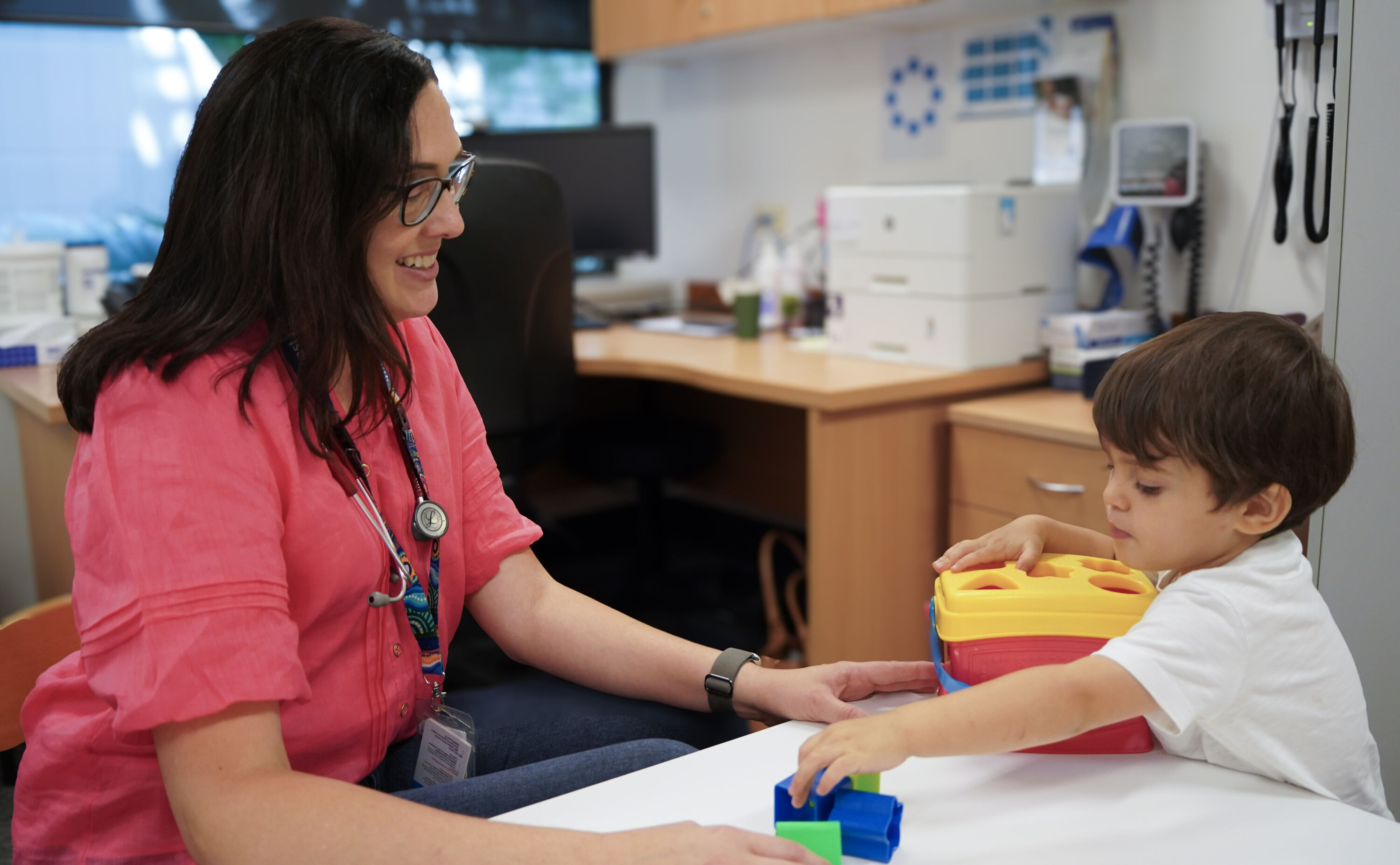
Developmental paediatrician Dr Angela Owens says the return to school is a major transition, and it’s normal for the first few weeks to feel unsettled. With some planning and gentle strategies, she says families can build routines that support learning, wellbeing and connection.
Here are Dr Owens’ top 10 back-to-school tips to help families start the year on a positive note:
• Expect a bumpy start: New routines and social dynamics can be tiring. Behaviour may be more challenging at home, but this usually settles within a few weeks.
• Understand after-school meltdowns: Many children hold it together all day and release emotions at home. Keep after-school time low-pressure and offer snacks, movement or quiet time.
• Prioritise sleep: Consistent bedtimes and wake-up times support emotional regulation, focus and smoother mornings.
• Fuel the brain: Even small breakfasts help with stamina and concentration. Smoothies or grab-and-go options can work when time is tight.
• Use social stories: Simple stories or visual schedules can help younger children prepare for tricky situations like drop-off or playground challenges.
• Share a one-page snapshot with teachers: A brief summary of your child’s strengths, interests and support needs can help teachers respond quickly and effectively.
• Regulation before expectations: When children are overwhelmed, connection and calm come first. Predictable routines and positive cues can help.
• Short-term rewards are okay: In the early weeks, connection-based rewards can support emotional adjustment and motivation.
• Restart shared reading: Just 10 minutes a day supports learning, attention and emotional wellbeing.
• Schedule fun: Keeping enjoyable family time on the calendar supports resilience and helps children feel emotionally supported.
Dr Owens also reminds families that support is available. If challenges persist or stress levels remain high, speaking with a GP can be a helpful next step to ensure both children and parents are well supported as the school year unfolds.
Dr Angela Owens. Photo source: Queensland Health

Publishers Indemnity. Any individual or entity that places advertising, supplies copy material, or submits editorial content to Core Life Publishing agrees and undertakes to ensure that all such material:- Does not infringe upon any copyright, trademark, or other intellectual property rights;- Is free from any content that could be considered defamatory, libelous, or slanderous;- Does not infringe upon any rights related to privacy or breach of confidence;- Contains no obscene, indecent, or otherwise unlawful material;- Complies fully with the Trade Practices Act and all other applicable laws, regulations, or statutes.Furthermore, by submitting or placing such material, these individuals or entities agree to indemnify and hold harmless the publisher, Core Publishing and Events Pty Ltd, and/or its agents from and against any and all investigations, claims, demands, liabilities, damages, costs, or judgments arising out of or in connection with the material provided. All material is believed to be accurate at the time of printing and remains the copyright of Core Publishing and Events Pty Ltd.
© 2026 Mackay and Whitsunday Life Pty Ltd.