
Independently Owned, Locally Grown, Community Loved


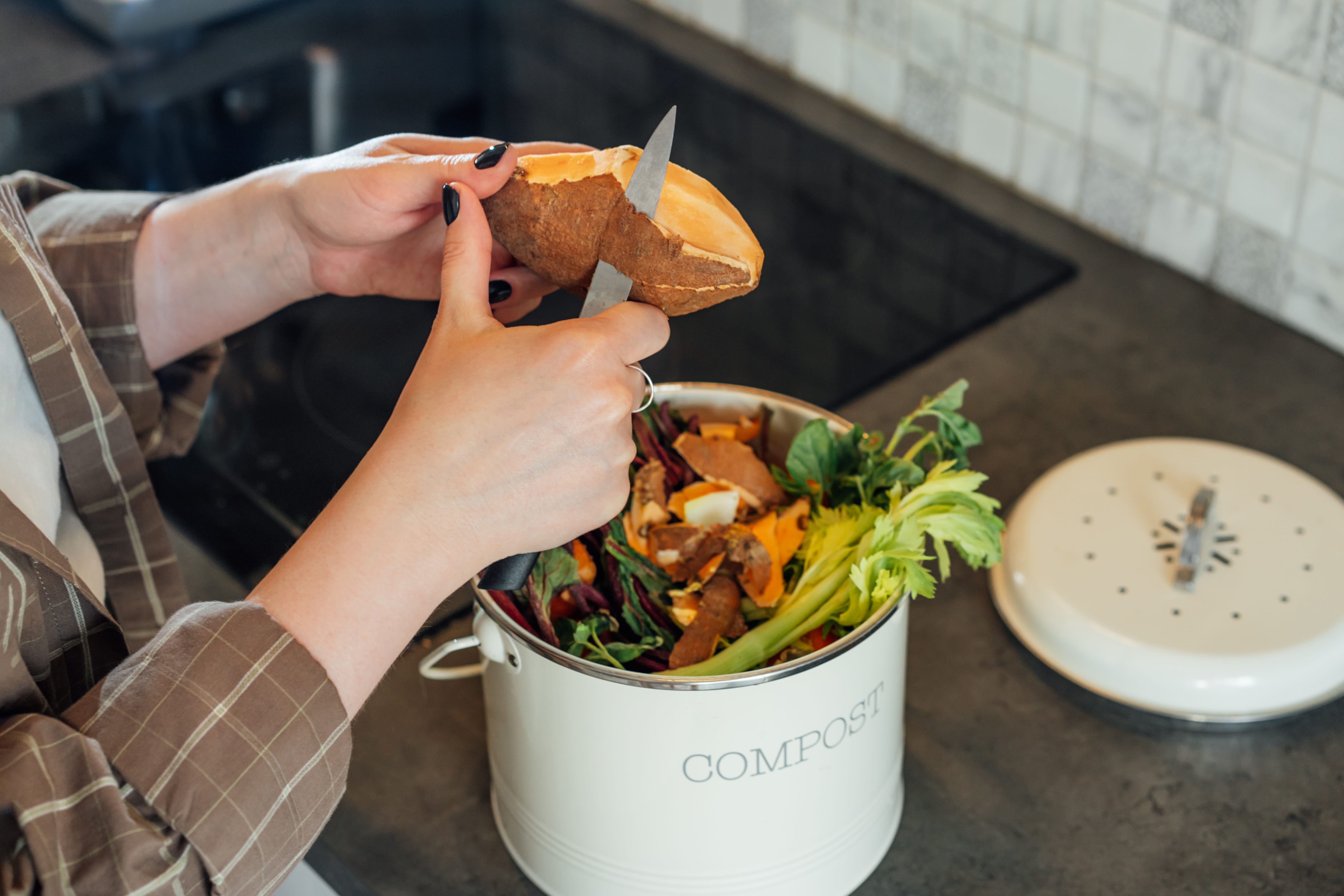
Photo source: Shutterstock
What if some of the waste going into your kitchen bin each week could instead help feed your garden?
Starting a compost cycle at home does not have to be complicated, and even a small backyard can have a simple system that turns everyday food scraps and garden waste into useful compost.
At its most basic, composting is about combining different types of organic material and allowing them to break down naturally.
There are plenty of everyday items that can become part of the compost pile, including:
A good place to start is with a compost bin, tumbler or designated area of the garden. It should have some airflow and ideally be positioned somewhere convenient, rather than hidden away where it will be forgotten.
The trick is finding a balance between ‘green’ and ‘brown’ materials.
Green materials are generally wetter and richer in nitrogen, such as fruit and vegetable scraps, fresh grass clippings and coffee grounds. Brown materials provide carbon and include dry leaves, cardboard, paper and other dry garden material.
Rather than filling the compost with one type of material, try to mix the two. If the pile becomes very wet or starts to smell, it may need more dry material and airflow. If it is very dry and nothing seems to be breaking down, adding some moisture can help.
Food scraps can be added gradually. Chopping larger pieces into smaller pieces can also help them break down faster.
There are some things best left out of a basic backyard compost system. Meat, bones, dairy products, oils and greasy foods can attract unwanted pests and create problems. Avoid adding pet waste, diseased plants and materials that may contain chemicals or contaminants.
A healthy compost pile should smell earthy rather than rotten. Turning or mixing it occasionally helps introduce oxygen and distributes moisture and materials throughout the pile.
Eventually, the scraps and garden waste you started with will become a dark, crumbly material that can be added to garden beds or mixed into soil.

Publishers Indemnity. Any individual or entity that places advertising, supplies copy material, or submits editorial content to Core Life Publishing agrees and undertakes to ensure that all such material:- Does not infringe upon any copyright, trademark, or other intellectual property rights;- Is free from any content that could be considered defamatory, libelous, or slanderous;- Does not infringe upon any rights related to privacy or breach of confidence;- Contains no obscene, indecent, or otherwise unlawful material;- Complies fully with the Trade Practices Act and all other applicable laws, regulations, or statutes.Furthermore, by submitting or placing such material, these individuals or entities agree to indemnify and hold harmless the publisher, Core Publishing and Events Pty Ltd, and/or its agents from and against any and all investigations, claims, demands, liabilities, damages, costs, or judgments arising out of or in connection with the material provided. All material is believed to be accurate at the time of printing and remains the copyright of Core Publishing and Events Pty Ltd.
© 2026 Mackay and Whitsunday Life Pty Ltd.