Independently Owned, Locally Grown, Community Loved


Although Ex-Tropical Cyclone Koji is now long gone, there is still a risk of danger in the aftermath and it is important that Whitsunday residents remain safe, especially during the clean up period. Injury and illness can still occur during this time, and therefore it is imperative that people take the proper precautions.
The main risks may include injuries from exposed debris, skin infections, animal bites, sunburn, mosquito-borne infection, carbon monoxide poisoning from petrol powered generators and using pumps in confined spaces and illness from eating or drink from contaminated sources.
The Queensland Government has specific advice for individual health hazards which can be accessed on their website.
When returning to a home that was previously evacuated, there are a number of measures that should be taken to ensure safe re-occupation. Check that all power and gas supplies have been turned off, including external sources. If the house has sustained significant damage, then an electrician will need to check the wiring before power is restored. It is important to be vigilant of any structural integrity that was affected. Be aware of any dangerous wildlife which has moved in during the disaster event and be cautious of any hazardous household materials or substances that have been released (such as absestos). Assume that anything that has come into contact with floodwater has been contaminated.
Likelihood of illness and injury increases when entering a premise affected by disaster. To protect yourself from injury, measures should be taken such as avoiding direct contact with floodwater, wearing protective clothes, maintaining personal hygiene, wearing sunscreen, avoiding dehydration and wearing P2 face masks as required.
As has been seen with Ex-Tropical Cyclone Koji, massive amounts of waste can be generated. The Whitsundays Regional Council has multiple waste facilities: Bowen Landfill, Kelsey Creek Landfill, Cannonvale Transfer Station and Collinsville Transfer Station. Waste not managed and stored properly can become a health hazard and attract unwanted pests. There are numerous ways to minimise health risks. Perishable waste should be stored in a concealed bag for protection. Building waste and debris must be disposed of in a safe place in allocated disposal sites. Materials from buildings built prior to 1990 may contain asbestos so care must be taken when handling them - such material is generally not a health to risk unless it is significantly disturbed.
Hazardous wastes such as chemicals, medicines, gas tanks and asbestos material should not be left by the kerbside - rather these items should be left in a secure location.
During this clean up period it is important to maintain patience and resilience. Visit the Queensland Government Health site for more specific information and stay up to date with the Whitsunday Regional Council through social media and public announcements. Cleaning up waste after an extreme weather event is a team effort that requires community support. It has been wonderful to see already how the community is banding together to help manage waste - lending support to those most adversely affected. Hopefully the initiative can continue as we move through the season.
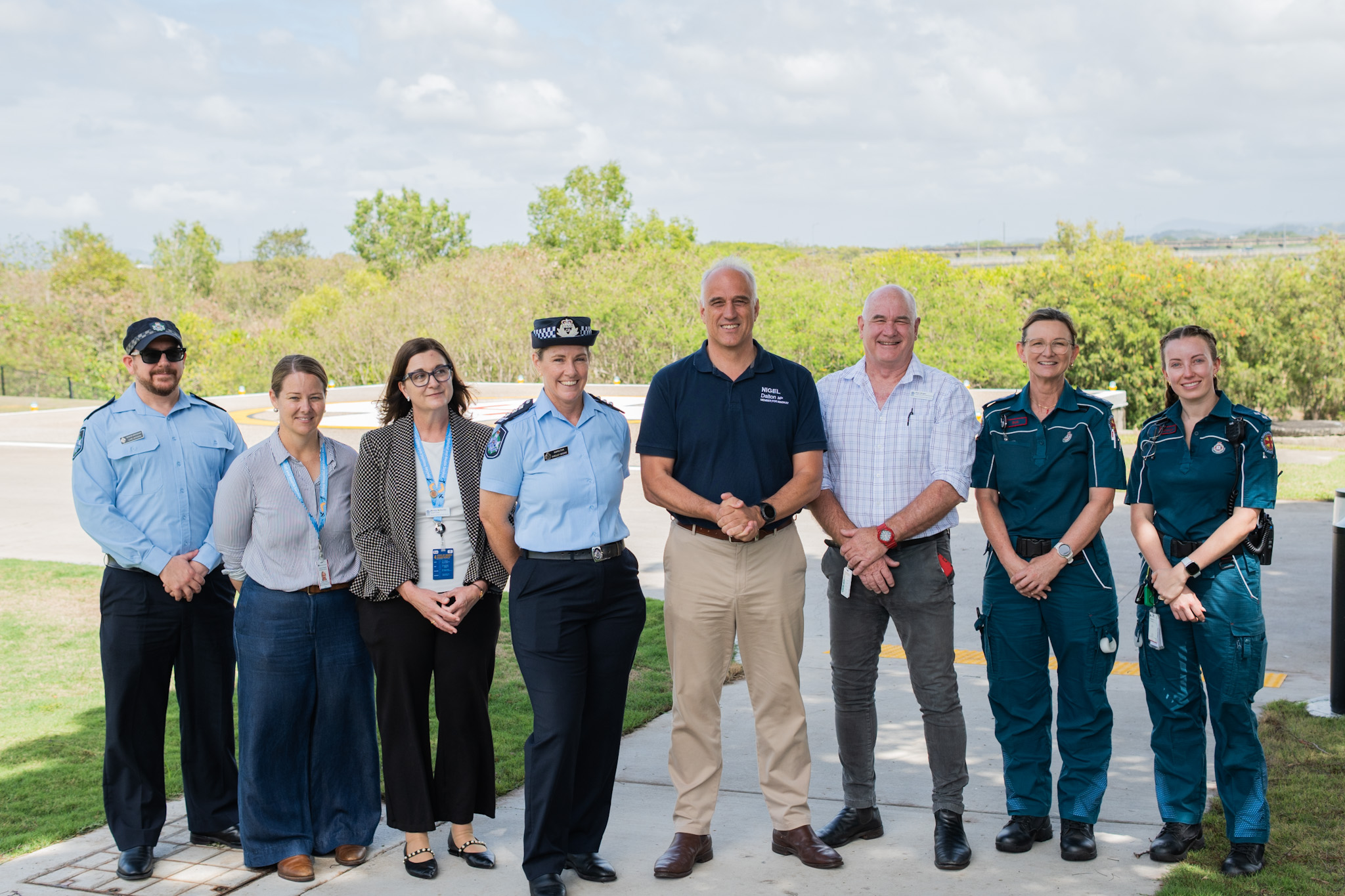
Council and authorities warn residents to focus on their health and safety when cleaning up after Ex-Tropical Cyclone Koji. Photo source: Whitsunday Regional Council
Publishers Indemnity. Any individual or entity that places advertising, supplies copy material, or submits editorial content to Core Life Publishing agrees and undertakes to ensure that all such material:- Does not infringe upon any copyright, trademark, or other intellectual property rights;- Is free from any content that could be considered defamatory, libelous, or slanderous;- Does not infringe upon any rights related to privacy or breach of confidence;- Contains no obscene, indecent, or otherwise unlawful material;- Complies fully with the Trade Practices Act and all other applicable laws, regulations, or statutes.Furthermore, by submitting or placing such material, these individuals or entities agree to indemnify and hold harmless the publisher, Core Publishing and Events Pty Ltd, and/or its agents from and against any and all investigations, claims, demands, liabilities, damages, costs, or judgments arising out of or in connection with the material provided. All material is believed to be accurate at the time of printing and remains the copyright of Core Publishing and Events Pty Ltd.
© 2026 Mackay and Whitsunday Life Pty Ltd.