Independently Owned, Locally Grown, Community Loved

Residents across the Mackay region are being urged to take extra care during post-rain clean-up efforts, with authorities reminding the community to protect themselves against potentially deadly diseases following recent wet weather.
Four cases of melioidosis, a potentially fatal bacterial disease found in ground water and soil, have been confirmed in the region this week, including one in Bowen, one in Seaforth and two at Armstrong Beach south of Sarina.
The four patients, three males and one female, who range in age from 67 to 89 had been exposed to recent flood waters and mud. They are currently patients at Mackay Base Hospital.
Although these cases were not cause for alarm, Townsville and Mackay Public Health Unit physician Dr Steven Donohue said it served as a timely reminder that the elderly and those who have pre-existing medical conditions were at greater risk during the clean up after Cyclone Koji.
“Melioidosis is just one of many serious infectious diseases which are caused by contact with flood waters and soil,” he said.
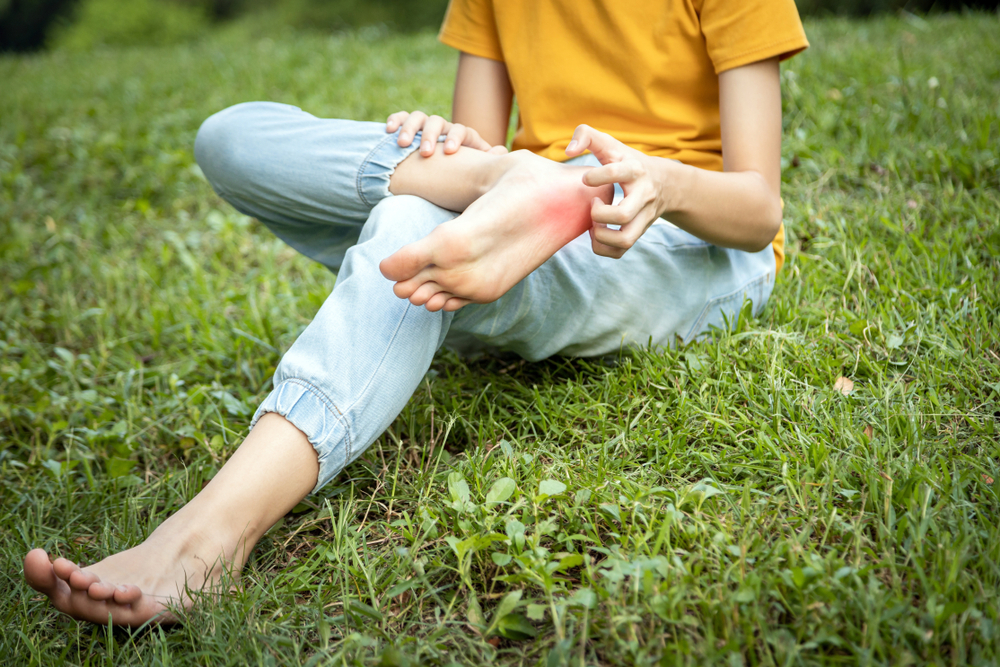
“Bacteria can enter the body through any skin break in contact with contaminated water, or by breathing in muddy droplets, causing pneumonia,” he said.
“People at most risk of contracting melioidosis are already unwell, elderly, have existing chronic conditions such as diabetes and kidney disease, or are heavy alcohol users.
“Symptoms of melioidosis include fever, cough, chest pain, weight loss, muscle pain and headaches.”
Melioidosis was treated with intravenous antibiotics, and infections were more likely during the wet season when there was a higher chance of coming into contact with mud and flood water, he said.
Dr Donohue urged people to take simple precautions including avoiding contact with muddy water where possible, wearing protective clothing when working outdoors and covering cuts or sores with waterproof dressings when in contact with mud or floodwater.
“If you have come into contact with muddy water or soil and you feel unwell, then seek out medical help as quickly as possible,” he said.
“Early diagnosis and treatment with antibiotics can be life-saving.”
Symptoms of melioidosis can vary but often include fever, cough, chest pain, difficulty breathing, disorientation, headache, seizures, abdominal discomfort, skin abscesses or ulcerations, joint pain and swelling. The effects can be severe and often require hospitalisation.
To reduce your risk of melioidosis infection:

Publishers Indemnity. Any individual or entity that places advertising, supplies copy material, or submits editorial content to Core Life Publishing agrees and undertakes to ensure that all such material:- Does not infringe upon any copyright, trademark, or other intellectual property rights;- Is free from any content that could be considered defamatory, libelous, or slanderous;- Does not infringe upon any rights related to privacy or breach of confidence;- Contains no obscene, indecent, or otherwise unlawful material;- Complies fully with the Trade Practices Act and all other applicable laws, regulations, or statutes.Furthermore, by submitting or placing such material, these individuals or entities agree to indemnify and hold harmless the publisher, Core Publishing and Events Pty Ltd, and/or its agents from and against any and all investigations, claims, demands, liabilities, damages, costs, or judgments arising out of or in connection with the material provided. All material is believed to be accurate at the time of printing and remains the copyright of Core Publishing and Events Pty Ltd.
© 2026 Mackay and Whitsunday Life Pty Ltd.