
Independently Owned, Locally Grown, Community Loved
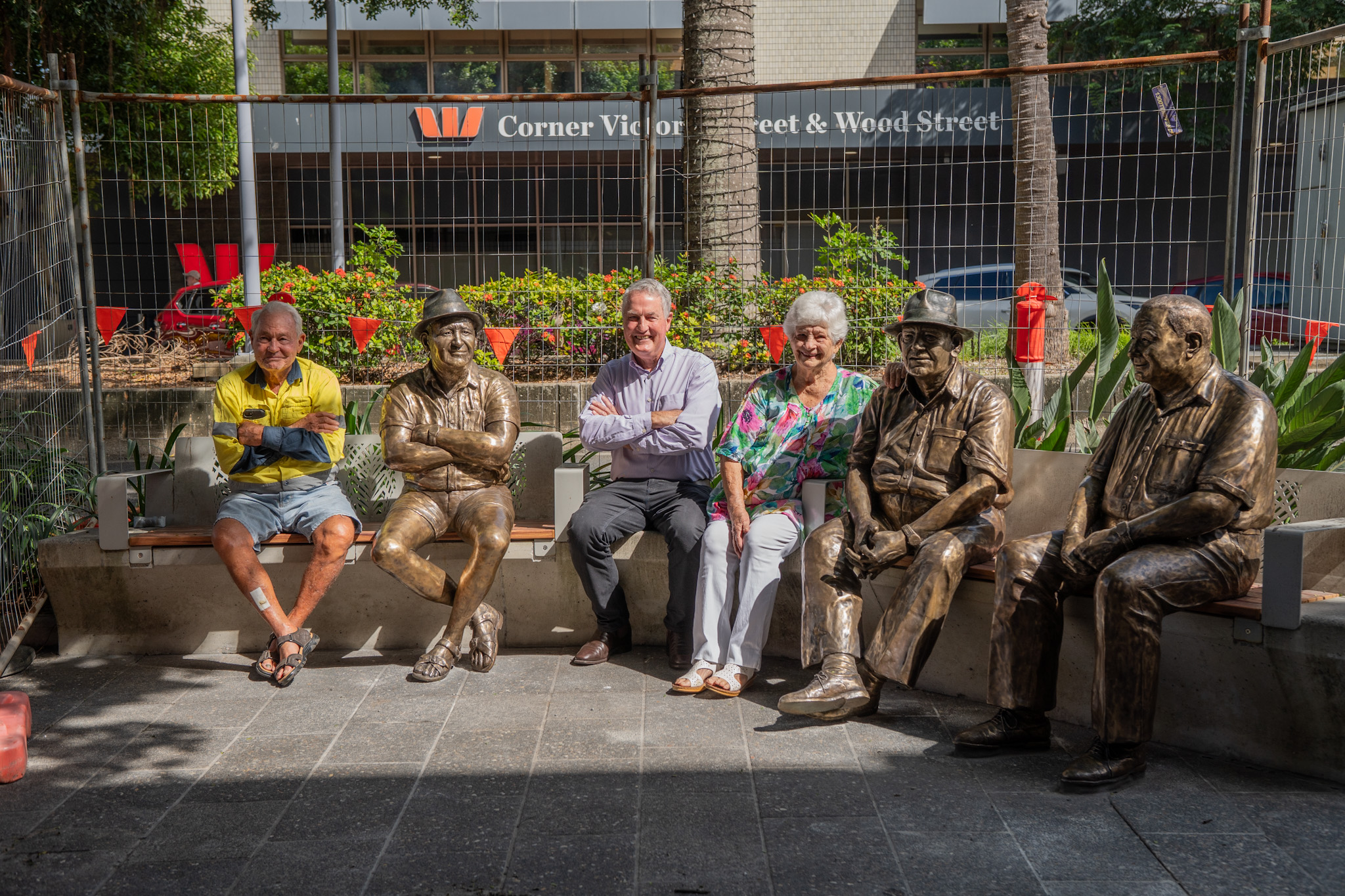
Hundreds of community members gathered in Mackay’s city centre on Saturday for the official unveiling of three life-sized bronze statues honouring Maltese pioneers who helped shape the region’s history. The statues of Emmanuel Grech, Sam Bezzina and John Vassallo now stand proudly on the corner of Wood and Victoria streets – a location long known locally as “Maltese Corner”, where migrant businessmen would regularly gather to talk, support one another and build their futures in Mackay. The project, delivered by the Maltese Corner Fundraising Group Inc, recreates a historic photograph capturing the men meeting at the site, symbolising the spirit of collaboration that helped generations of migrants establish themselves in the region. On Friday, 17th April, a day prior to the official unveiling, Mackay Mayor Greg Williamson said the statues recognise the enduring contribution of Maltese migrants to the region’s identity and economy. “Tomorrow we are unveiling three magnificent statues here on the corner of Victoria and Wood Streets,” he said ahead of the event. “This particular corner was where the Maltese guys sat around, just like a little piazza in Malta. They sat here waiting for the banks to open – probably waiting for the pub to open as well – while their wives went shopping and they did their business.” Mayor Williamson said the tribute reflected Mackay’s long-standing connection with Maltese settlement. “Mackay is recognised as the heart of Maltese settlement in Australia,” he said. “The Maltese have done a fantastic job in our community for decades and decades, and this is a tribute to those who helped build our sugar industry and our region.” The project has been largely community-funded, with the Maltese Association raising more than $250,000 towards the statues, supported by about $45,000 in council grants. For Carmel Baretta, president of the Maltese Corner Fundraising Group, the unveiling marks a rather emotional sentiment. “In 2001, a friend and I published a book on the Maltese pioneers of Mackay,” Ms Baretta said. “While we were working on that book, I was aware of Maltese Corner and asked a photographer to quietly capture a photograph of the men meeting here because they gathered regularly.” That image later became the inspiration for the statues. Ms Baretta said the corner held significant historical meaning for the community. “The greatest significance is that these people helped others become established,” she said. “And it wasn’t only Maltese helping Maltese,” Ms Baretta said. “Some Italians were involved, some returned soldiers were helped, and some local people from Mackay as well.” The initiative also honours the legacy of the Mosta Building Society, established in 1966 as a result of the cooperative financial support that began on the corner. The statues themselves were created by local sculptor Kay Payton, chosen after extensive research into bronze works across North Queensland. “We decided Kay Payton was the ideal person, primarily because she was local and because she is so gifted,” Ms Baretta said. “She was just absolutely fantastic to work with.” With the statues now permanently installed, organisers hope the site will encourage residents and visitors alike to pause, reflect and learn more about the community stories that helped build Mackay. 1 – Mayor Williamson, Carmel Baretta, and Leo Baretta. 2 – A huge crowd turned-out to see the unveiling of the new brass statues. Photo credit: Hannah McNamara
Read the full story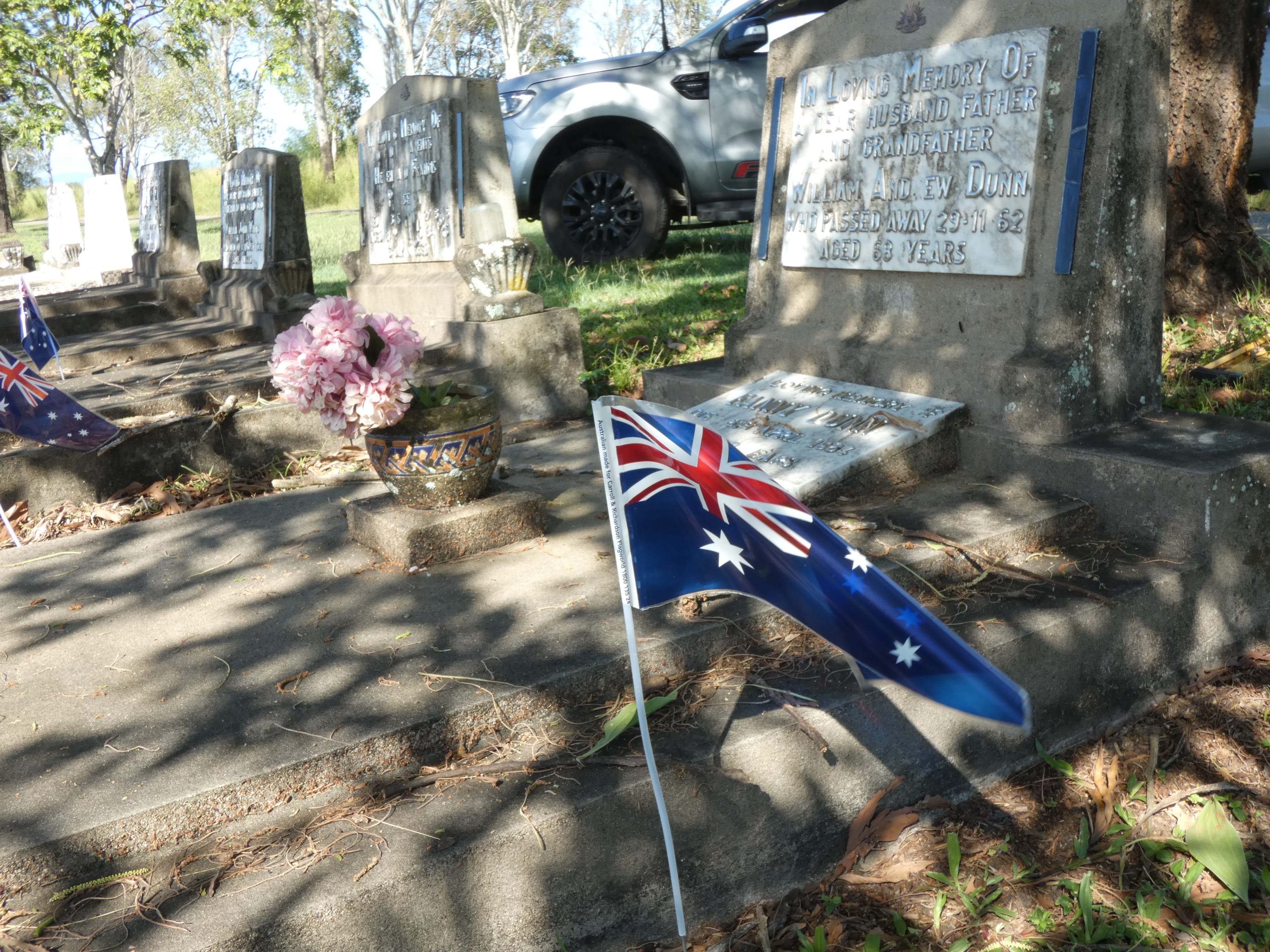
With ANZAC Day approaching, locals gathered at Proserpine Cemetery on Saturday 18th April to pay tribute to the nearly 400 service men and women laid to rest there; a local tradition organised by Lyn Burke which is now in its eleventh year. The event saw flags placed beside the graves of veterans, including Boer War veterans, Gallipoli survivors, Rats of Tobruk, Prisoners of War, Commandos & many more.
Read the full story
Flying under the radar is a little-known fishery that operates within one of the world’s most iconic ecosystems: coral harvesting. Many Australians would be surprised to learn that the Great Barrier Reef supports the country’s largest coral fishery. Each year, up to 190 tonnes of coral are removed from the Reef, much of it destined for the domestic and international aquarium trade. Among these are some of the Reef’s most unique and visually striking species—highly prized, yet ecologically vital. The Great Barrier Reef is often celebrated for its beauty and biodiversity, but it is also an ecosystem under immense stress. Climate change has driven increasingly frequent and severe mass bleaching events, while cyclones and flooding have compounded the damage. Together, these disturbances have contributed to some of the most significant declines in coral cover ever recorded. Against this backdrop, the harvesting of live coral raises difficult questions. Many of the same species targeted by the Queensland Coral Fishery are those already vulnerable to bleaching and mortality. Removing healthy corals from the ecosystem can reduce the Reef’s natural capacity to recover from disturbances, potentially undermining broader conservation and restoration efforts. This creates an apparent contradiction. Governments have invested heavily in protecting and restoring the Reef, funding initiatives aimed at improving water quality, supporting coral regrowth, and enhancing resilience. Yet, at the same time, a regulated industry continues to extract coral from the wild. To be clear, the fishery does not operate without oversight. Strict quotas, spatial zoning, and licensing conditions are in place to manage harvesting. Exceeding quotas or collecting coral from protected “green zones” can result in significant penalties. Enforcement, however, remains an ongoing challenge. In 2016, the first prosecution for illegal coral harvesting since the 2003 rezoning plan occurred in Gladstone, where divers were caught collecting coral in a no-take zone. Since then, there have been more than 20 prosecutions linked to illegal coral collection within the marine park, many involving commercial operators. Such incidents raise concerns about the industry’s “social licence”—the level of public trust and acceptance it holds. Increasingly, reef tourism operators, scientists, and environmental groups are calling for tighter restrictions, with some advocating for a complete ban on wild coral harvesting. Despite this, the fishery continues. In 2024, it received federal approval to operate for another three years. Authorities have indicated that a revised ecological risk assessment and updated harvest strategy will be completed by 2026, potentially shaping the industry’s future. That future may lie beyond the Reef itself. Aquaculture—growing coral in controlled tank environments—has long been promoted as a sustainable alternative. It offers the potential to supply the aquarium trade without removing corals from the wild, easing pressure on an already stressed ecosystem. As the Great Barrier Reef faces an uncertain future, so does coral harvesting. For many, the answer is clear: the Reef’s corals are far more valuable alive, thriving in their natural habitat, than they are as commodities. Contributed with thanks to Whitsunday Conservation Council
Read the full story
HERO – Whales of the whitsundays team celebrating when the Whitsundays was formally recognised as a Whale Heritage Site. Photo supplied
Read the full story

Meet Scooby-Doo 🐾
This handsome 1-year-old Rottweiler cross is bursting with love, loyalty, and personality! Scooby has spent the last few months in care getting all his vet work done and learning how to be the best boy he can be. Now, he is ready to trade kennel life for a home and a family of his own.
Scooby is a sweet and affectionate companion who thrives on being close to his people. The big softie does experience some separation anxiety when left alone — he just loves company too much.
Because of this, Scooby’s ideal home would be with a family who’s home often and ideally has another calm, desexed dog to help him feel safe and secure.
This gorgeous boy is microchipped, fully vaccinated, and desexed, and he’s now ready to find his forever family.
Scooby is the kind of dog who will greet you with a wagging tail every day and never leave your side. At just one year old, he’s just a pup, with plenty of time to grow, learn and love – all he needs is someone willing to give him that chance.
If you’ve got room in your heart (and on your couch) for a loyal best friend, Scooby-Doo would love to meet you.
Please contact Aaron T 0400 821 800 to arrange a meet and greet.
1- Can you give this gorgeous boy the love he deserves?

There is no business owner who has never said this sentence at least once: “We need more enquiries.”
The first reaction is usually more ads, more social media, more marketing.
But sometimes the real problem is much simpler. And when that happens, they move on to the next business very quickly.
Here are three common reasons businesses struggle to generate enquiries.
First: You’re not showing up where people are searching.
Most customers start on Google. If your business doesn’t appear when someone searches for your service in your area, you’re missing opportunities. A well-optimised Google Business Profile and strong reviews can make a huge difference.
Second: Your message isn’t clear.
When someone lands on your website or social media page, they should instantly understand what you do, who you help, and how to contact you. If visitors have to search for basic information, many will simply move on.
Third: There’s no clear next step.
People need direction. Make it easy for them by clearly inviting them to enquire, request a quote, or book an appointment.
And here’s something many businesses never do: ask the customers who didn’t choose you why.
A quick, polite follow-up can reveal valuable insights. The reason might surprise you, sometimes it’s response time, unclear information, or something small that can easily be improved.
The truth is, generating enquiries isn’t always about spending more. Often it’s about doing the basics very well and learning from the customers you already have.

By Cr Anne Baker
Over recent weeks, I’ve had the opportunity to attend a number of council briefings, stakeholder meetings and community gatherings across our region – and if there’s one clear message emerging, it’s this: despite challenges, our region continues to push forward with determination and optimism.
Council briefings have been particularly valuable, providing insight into the scale of work underway and the complexity of decisions being made. With several serious rain events impacting communities, road infrastructure has understandably been front and centre. Flooding and water damage have tested sections of our local and regional road networks, creating disruptions for families, businesses and freight. Restoration efforts are ongoing and, while there is still work to be done, the coordinated response between council teams, contractors and state agencies has been commendable.
These rain events have again highlighted the importance of resilient infrastructure. Investment in road upgrades, drainage improvements and long-term planning is not just about convenience – it’s about safety, economic stability and community connection.
At the same time, it’s encouraging to see continued momentum in development across the region. There is a growing sense of confidence, with new projects and proposals reflecting both population growth and industry expansion. Development, when carefully planned, strengthens our towns, supports local employment and enhances liveability.
One of the most significant long-term opportunities remains the Mackay region’s Critical Minerals Hub project. The establishment of a dedicated hub positions our area as a strategic contributor to emerging global supply chains, particularly as demand grows for minerals essential to renewable energy technologies and advanced manufacturing. The potential economic benefits – jobs, investment and diversification – are substantial.
Complementing this is the continued discussion around port expansion at the Port of Mackay. Expansion plans represent more than infrastructure growth; they signal long-term confidence in our region’s export capacity and industrial future. A stronger port enhances trade, supports local producers and reinforces our standing as a key logistics gateway for Central Queensland.
Beyond infrastructure and industry, some of the most valuable conversations have taken place at community stakeholder meetings and Progress Association gatherings. These forums are where grassroots ideas are shared, concerns are raised and local leadership shines.
One particularly uplifting highlight was attending the fantastic charity event in Sarina supporting Variety - the Children’s Charity. The spirit of generosity on display was inspiring. Events like these remind us that while infrastructure and development are essential, it is community spirit that truly defines our region. The funds raised will make a meaningful difference to children and families doing it tough, and the enthusiasm of participants and supporters alike showcased the heart of Sarina.
Across briefings, project updates and community events, there is a consistent theme: resilience paired with ambition. Yes, we face weather challenges. Yes, infrastructure requires ongoing investment. But there is also growth, collaboration and forward thinking.
There is much work ahead – but there is also much to be proud of.

Glaucoma is often called the “silent thief of sight” and for good reason. It is a leading cause of irreversible blindness in Australia, yet most people with early glaucoma have no symptoms at all.
During World Glaucoma Week (8–14 March 2026), it’s a timely reminder that protecting your vision starts long before you notice a problem.
Glaucoma occurs when damage affects the optic nerve, the part of the eye that carries visual information to your brain. In many cases this damage is linked to pressure inside the eye, but it can also occur even when eye pressure is within the normal range. The worrying thing is how quietly it develops. There is usually no pain, no redness and no sudden blur. Instead, glaucoma slowly reduces your peripheral vision, often without you realising anything has changed.
By the time noticeable vision loss occurs, permanent damage has already happened. The good news is that when glaucoma is found early, treatment can greatly slow or even prevent further sight loss. That is why regular eye examinations are so important especially if you are over 40, have a family history of glaucoma, are highly shortsighted, or have health conditions such as diabetes.
Modern technology now lets us detect glaucoma much earlier. At our clinic, we use Optical Coherence Tomography (OCT) a scan sometimes described as a lightbased ultrasound. It measures the thickness of the fine nerve layers at the back of the eye with great accuracy, helping us pick up early signs of damage before vision is affected.
As an independent optometry practice, our focus is on thorough, personalised care. Appointments are unhurried, allowing time to check risk factors carefully, explain results in plain language and agree on a management plan if needed. I have also completed an Advanced Certificate in Glaucoma, giving extra training in detecting and monitoring this complex condition.
Glaucoma may be silent but your eye examination shouldn’t be optional. Early testing could make all the difference to protecting your sight for years to come.
.jpg)
Most people believe memory is formed while they are awake, studying, working or learning new skills. While that is partly true, the most important part of the process actually happens after you fall asleep. Sleep is when your brain organises, strengthens and stores everything you experienced during the day, transforming short-term information into long-term memories.
Two key areas of the brain play a major role in this process. The hippocampus acts as a temporary holding space for new information. However, its storage capacity is limited. During deep sleep, your brain transfers this information to the cortex, where it becomes stabilised and stored for the long term. This process, known as memory consolidation, is essential for learning, decision making, focus and overall mental clarity. Research shows that even short periods of quality sleep, including naps, can significantly improve memory retention and cognitive performance.
When sleep is disrupted or cut short, this transfer process is incomplete. The result can be forgetfulness, difficulty concentrating and mental fatigue. Over time, chronic sleep disruption can have a noticeable impact on mood, productivity and overall cognitive function.
One commonly overlooked cause of poor sleep quality is obstructive sleep apnoea (OSA). OSA occurs when the airway repeatedly narrows or closes during sleep, causing brief pauses in breathing. These interruptions can happen many times per hour, forcing the brain to wake repeatedly to restore normal breathing. Even if you are unaware of these awakenings, your sleep becomes fragmented and less restorative.
Protecting your sleep is essential for long-term brain health and wellbeing. Sleep is not passive downtime. It is an active biological reset that organises information, strengthens memories and restores your brain so you can think clearly and perform at your best each day.

Despite a little wet weather, the atmosphere was full of energy at the recent open day held by Fitness Cartel Mackay, where families, fitness enthusiasts and curious locals gathered to explore the facility and enjoy a fun-filled day of activities.
The event, held last Saturday, served as an official open day celebration for the gym, giving the wider community a chance to step inside, experience the space and connect with the team. While the gym has already been operating for some time, the open day provided a relaxed and welcoming opportunity for residents across Mackay to visit, meet staff and see what the facility has to offer.
There was plenty to keep families entertained throughout the day, with a range of free activities creating a lively festival-style atmosphere. Children enjoyed a jumping castle, face painting and a petting zoo, while visitors of all ages were treated to a complimentary sausage sizzle. The gym also opened its doors for free entry, allowing guests to tour the facility, try out the equipment and chat with staff about membership options.
Although rain made a brief appearance during the day, it did little to dampen spirits, with many locals still turning out to support the event and take part in the festivities.
In a message shared on social media following the event, the Fitness Cartel Mackay team expressed their appreciation for the strong community turnout.
“Still not over Saturday’s Open Day: A huge thank you from our team at Fitness Cartel Mackay to everyone who came along. It was amazing meeting so many new faces and seeing so many of our regulars too. The energy, the support, the community… we’re so grateful for you all!”
Jasmin Lewis
Customer Service & Logistics Supervisor, Wilmar AgServices
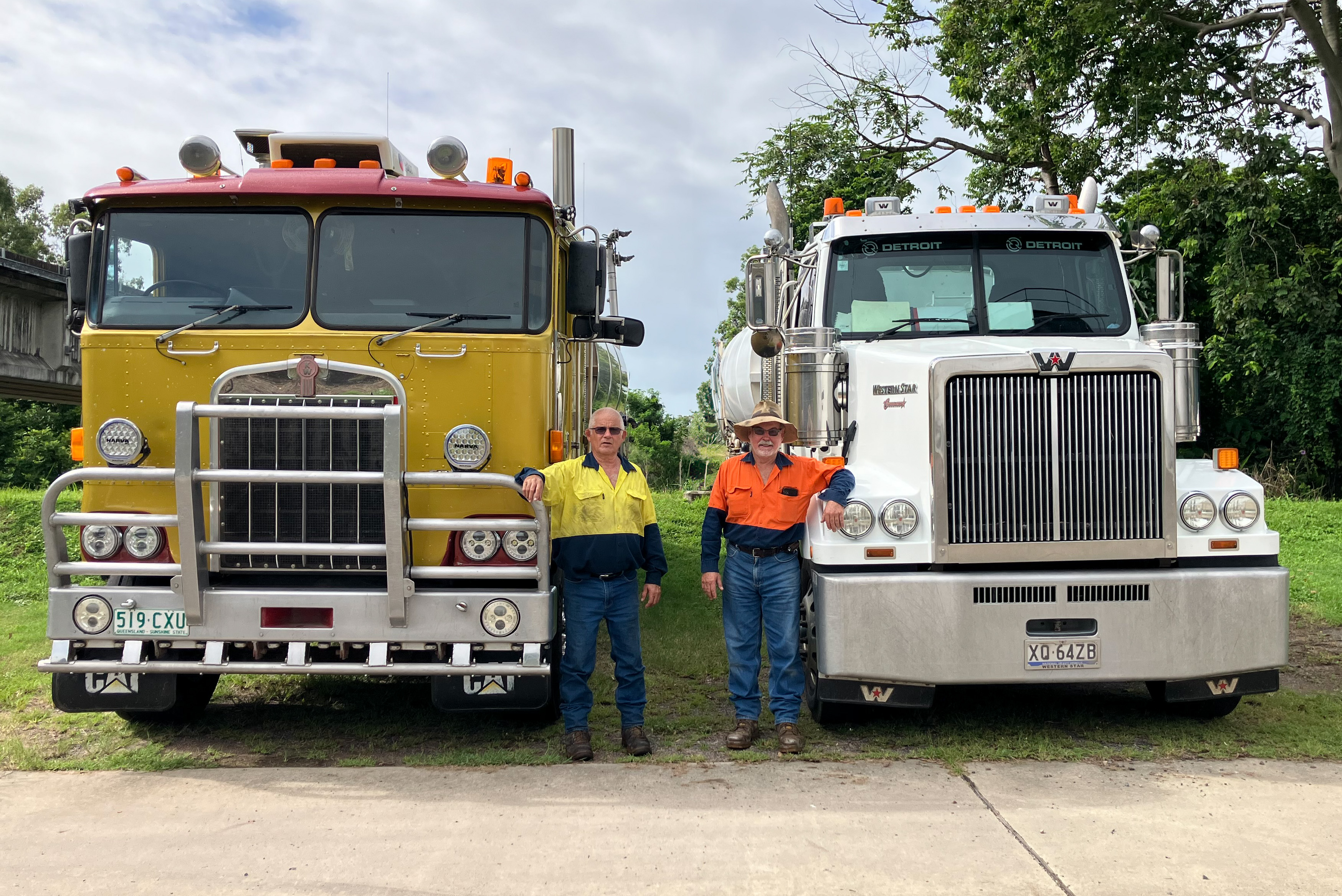
As they prepare for another fertilising season, veteran contractors Andrew Chetcuti and Peter Hackett reflect on the past 40 years in the Bio Dunder business.
Koumala grower Peter Hackett began carting dunder in 1985, with a single truck and a strong understanding of the sugar industry.
What started as a small operation has steadily grown alongside the development of the industry, and the increasing use and popularity of Bio Dunder as a precision-applied liquid fertiliser.
Over the years, Peter has witnessed many significant developments within the farming and fertilising sectors, such as upgrades at Wilmar’s Sarina Distillery and manufacturing plant, improvements in machinery and technology, and product development. What hasn’t changed is his approach to business and fertiliser application: To do the job well.
Fellow application contractor Andrew Chetcuti grew up in Mackay and first started carting dunder in 1985, working for his brother-in-law. After his third season, Andrew bought the truck and has been applying Bio Dunder throughout the Mackay and Sarina regions ever since.
Over the past four decades, and after applying thousands of cubes of dunder to local cane farms, Andrew has only needed to upgrade his truck once, crediting the longevity of his vehicle to looking after it well. As he puts it: “If you put a bit of money and a lot of love into them, they keep on going.”
Forty years on, the trucks are still rolling, the seasons keep coming, and the experience of fertiliser application contractors like Peter and Andrew continues to play an important role in supporting growers across the region.
Bio Dunder contractors Andrew Chetcuti (left) and Peter Hackett (right) have each been applying Bio Dunder liquid fertiliser to farms in the Mackay region for four decades.
By Joseph Borg, Chairman, CANEGROWERS Mackay
It appears that in 2026, Australian agriculture will reach a major industry milestone, with the sector more than likely achieving the ambitious National Farmers’ Federation (NFF) target of $100 billion in farm gate output four years ahead of schedule.
Originally set for 2030, this remarkable achievement underscores the resilience, innovation, and hard work of Australian farmers, with the sugarcane industry playing an important role in powering this growth.
The NFF’s vision for Australian agriculture was bold—requiring sustained investment, technological advancement, and adaptability to unpredictable market and environmental conditions. The sector’s exceptional performance, hopefully culminating in achieving and if not eclipsing the $100 billion mark well before the projected date, is testament to the determination of rural communities and the strategic focus of industry leaders.
While grains, livestock, and horticulture have all played major parts to this target, the sugarcane industry that has emerged as one of the key drivers of agricultural prosperity. Australia plays a significant part in the world’s export of raw sugar, and Queensland’s cane fields have been at the forefront of this achievement. Sugarcane growers have weathered challenging seasons, including droughts and cyclones, but have consistently innovated to meet stringent environmental standards, enhance sustainability, and capture new markets.
In recent years, the sugarcane industry has had numerous technological advancements. Examples include the introduction of precision agriculture techniques, such as satellite mapping and real time data delivery, soil moisture sensors, AI weed detection and drone EMP mapping of soil nutrients. These have enabled growers to maintain productivity while minimising environmental impact. Efficient irrigation systems and nutrient management programs have further contributed to sustainable growth, ensuring that Australian sugarcane remains competitive on the world stage with its exceptional quality, environmental and economic credentials.
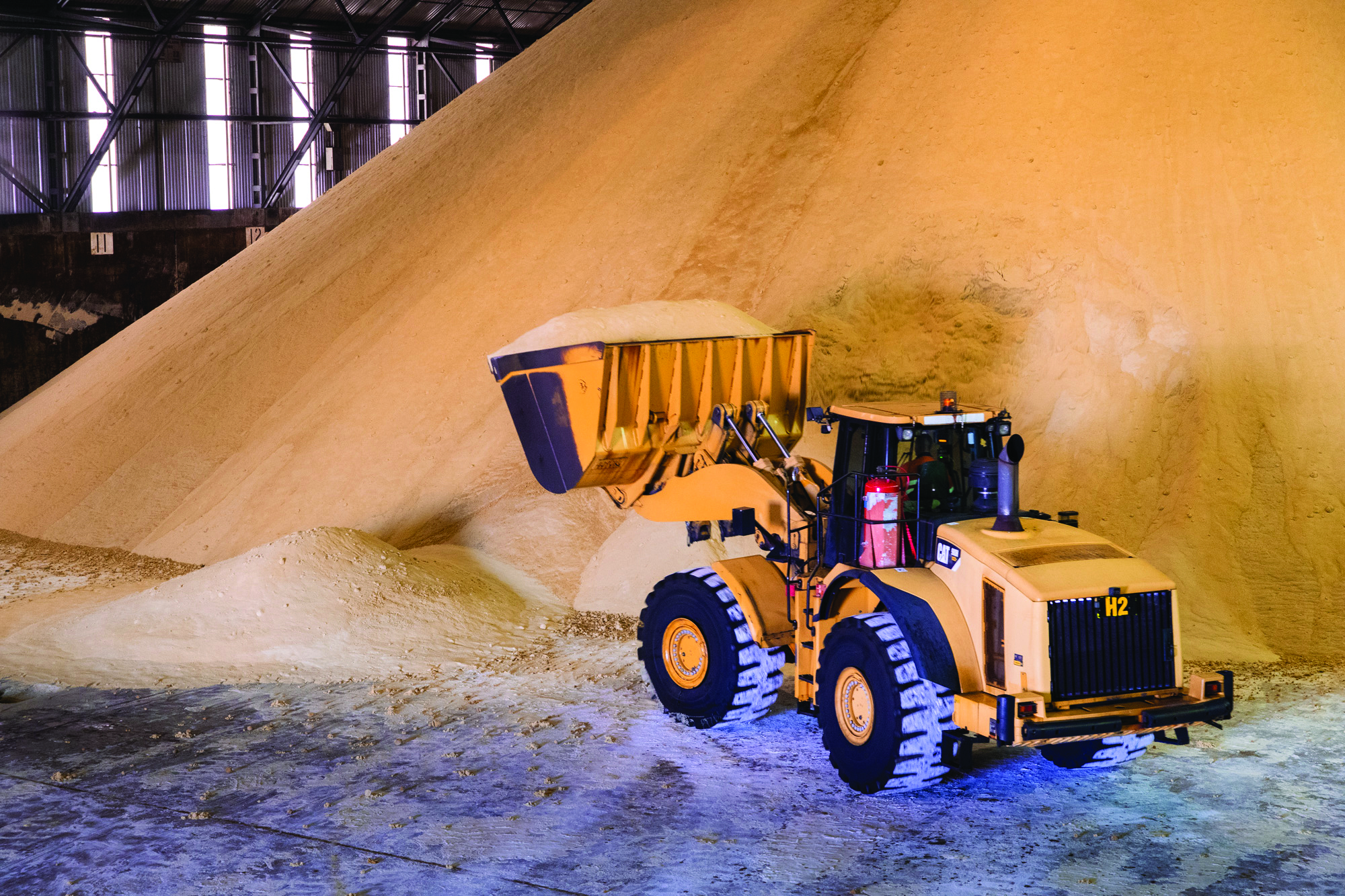
Australian sugarcane has also benefited from robust export agreements such as the free trade deals struck by the federal government in collaboration with CANEGROWERS. The UK Free Trade Agreement is an example of this and has opened doors for Australian sustainable sugar, eliminating tariffs and expanding its global footprint. Australian sugar had been locked out of the European (and accordingly, the UK) market since the 70’s. This export strength has been crucial in helping the industry weather global price fluctuations by diversifying our market base.
Growers believe that the sense of community and shared purpose across the sugarcane regions has made a difference. There have been -and still are- tough times, but the sugarcane industry always manages to adapt, invest in new technology, and stay focused on quality. It is something the industry prides itself on.
Environmental stewardship has been another pillar of sugarcane’s success. Growers have implemented programs to reduce runoff and protect the Great Barrier Reef, earning recognition for their commitment to sustainability. The adoption of the Canegrowers Best Management practice (BMP) program has helped Australian sugarcane meet rigorous international and domestic standards, reinforcing its reputation for quality and responsibility.
As the industry looks to the future, the early achievement of the NFF target inspires confidence in the sector’s ongoing growth. The sugarcane industry’s adaptability, innovative spirit, and community focus are expected to drive continued success, with new opportunities emerging in renewable energy, value-added products, and export expansion.
Federal and state governments, alongside industry leaders, have pledged to support the agricultural sector in maintaining momentum. Investments in infrastructure, rural education, and market access will be critical in sustaining growth and ensuring Australian agriculture remains globally competitive.
With Australian agriculture now appearing to eclipse the $100 billion mark, the achievements of the sugarcane industry stand out as a sweet success story. As the sector celebrates this milestone, attention turns to the next frontier—ensuring sustainable growth, fostering innovation, and continuing to deliver value for Australian communities and the world.
CAPTION: Diversified sugar export markets are critical part of industry resilience. Photo credit: NQBP

Mackay’s Zonta International Women’s Day High Tea once again proved to be a beautiful and empowering celebration, bringing together generations of women in an elegant garden party setting.
With exquisite florals, heartfelt speeches and a traditional high tea, the morning honoured leadership, resilience and the promise of the next generation. Inspired by the 2026 theme Balance the Scales, the event celebrated the achievements of women while supporting vital local initiatives.
Photo credit: Hannah McNamara
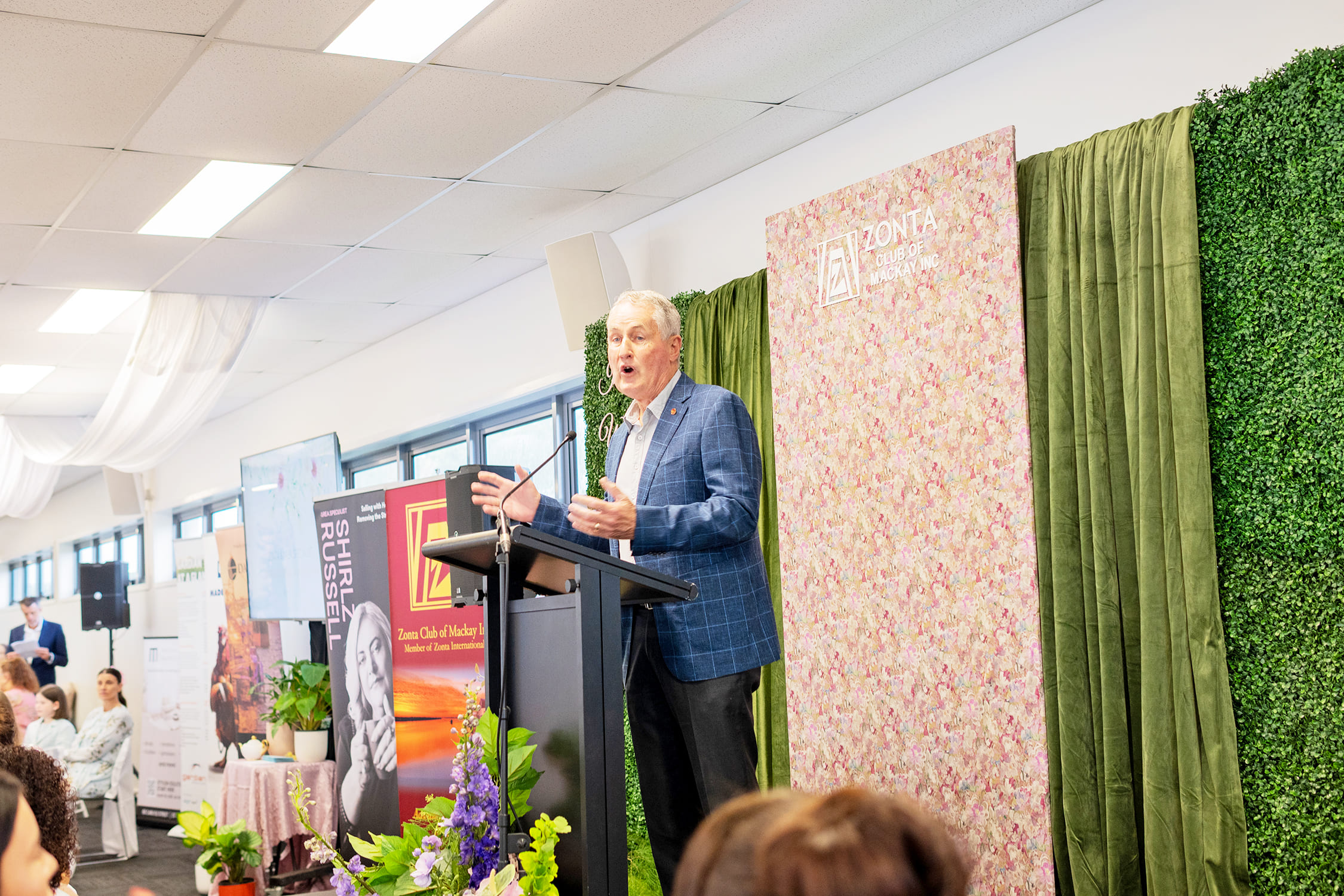
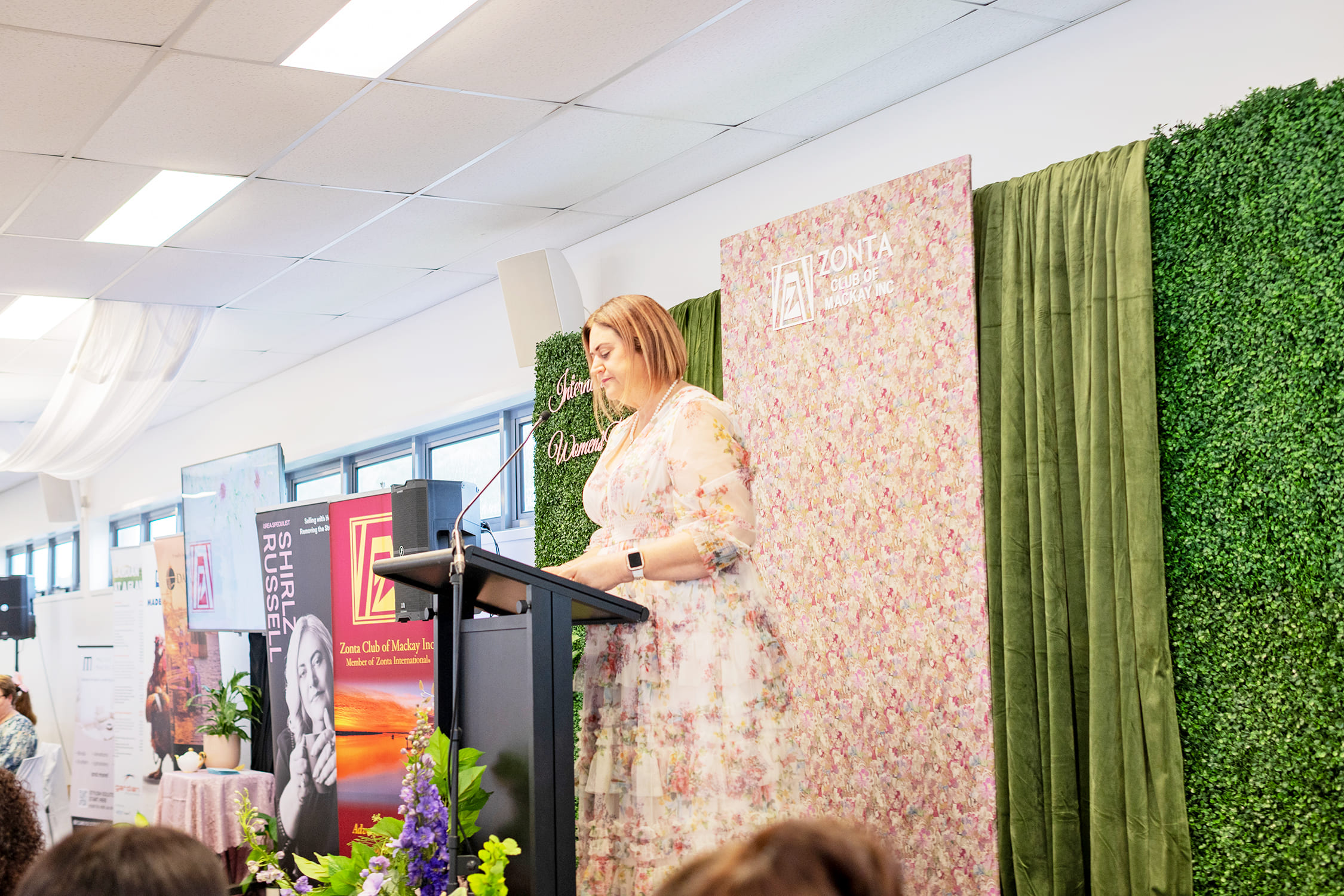
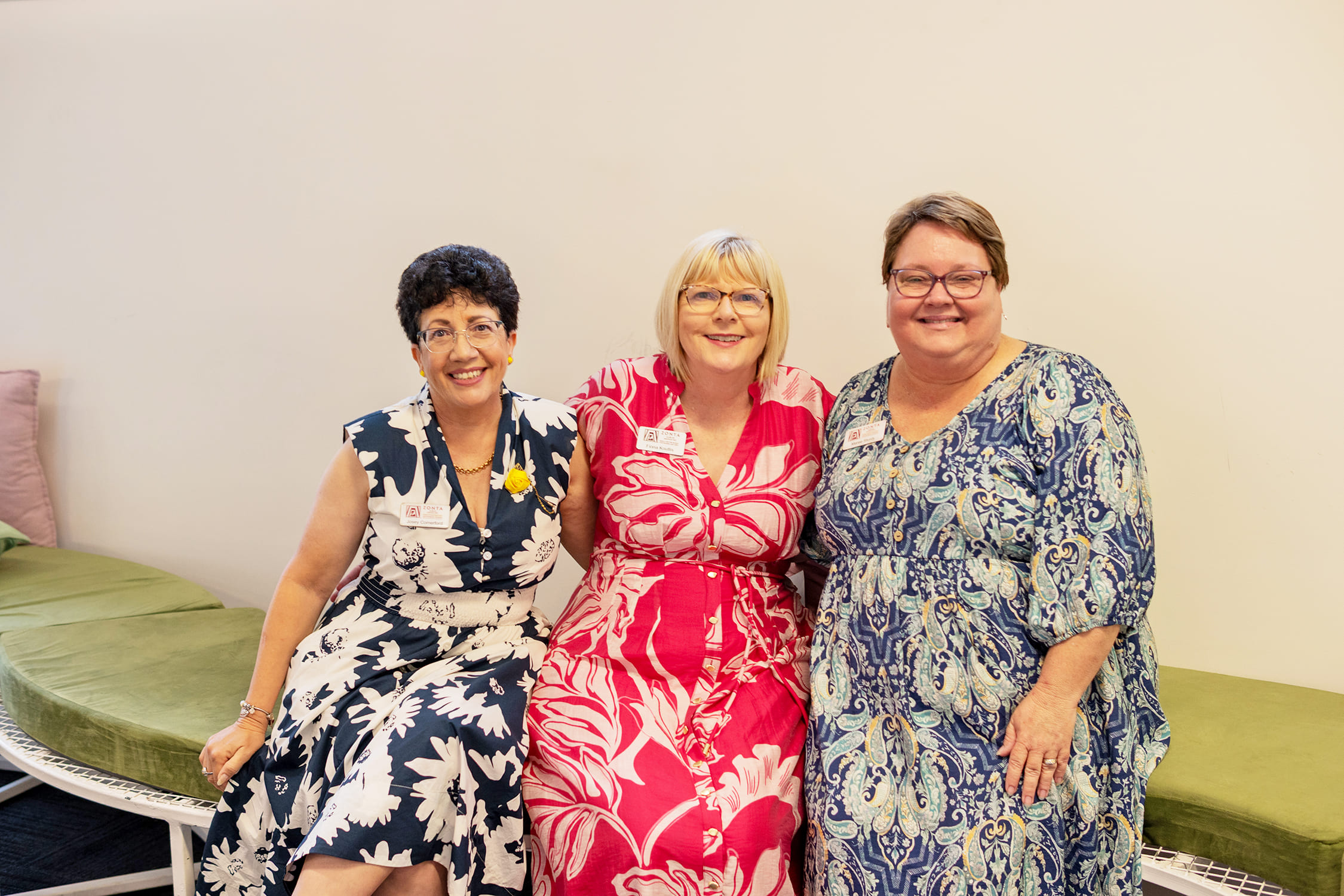
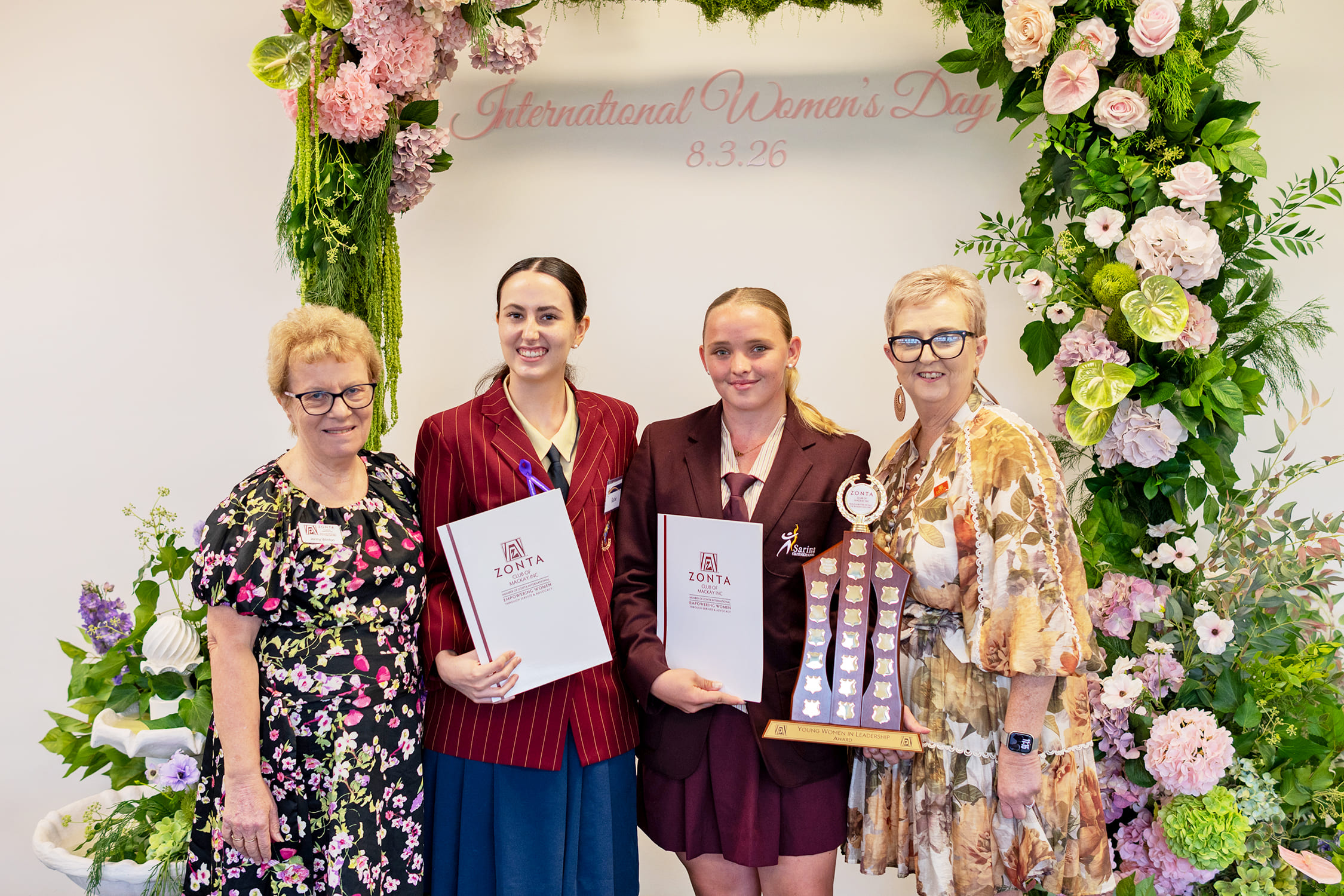

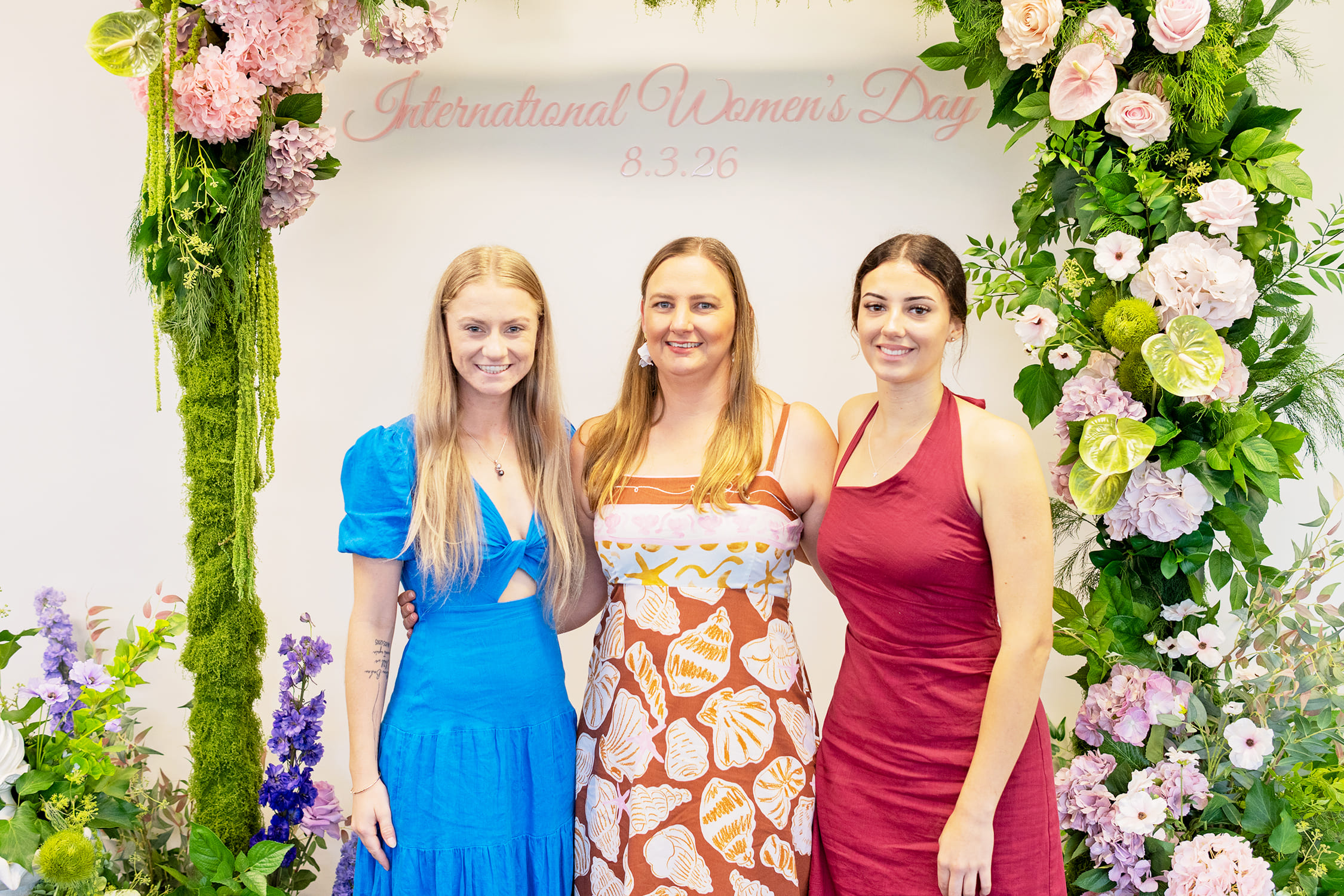

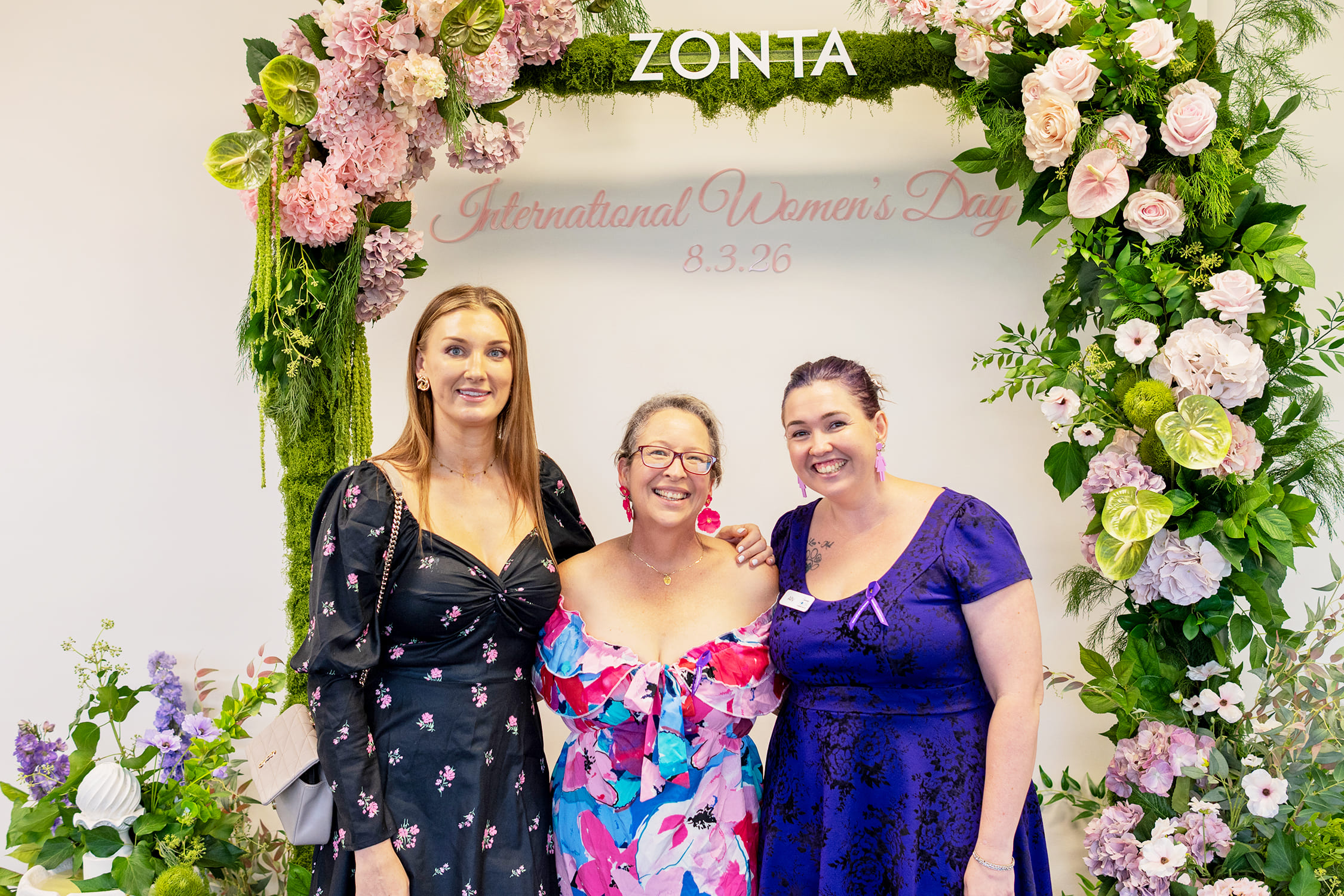

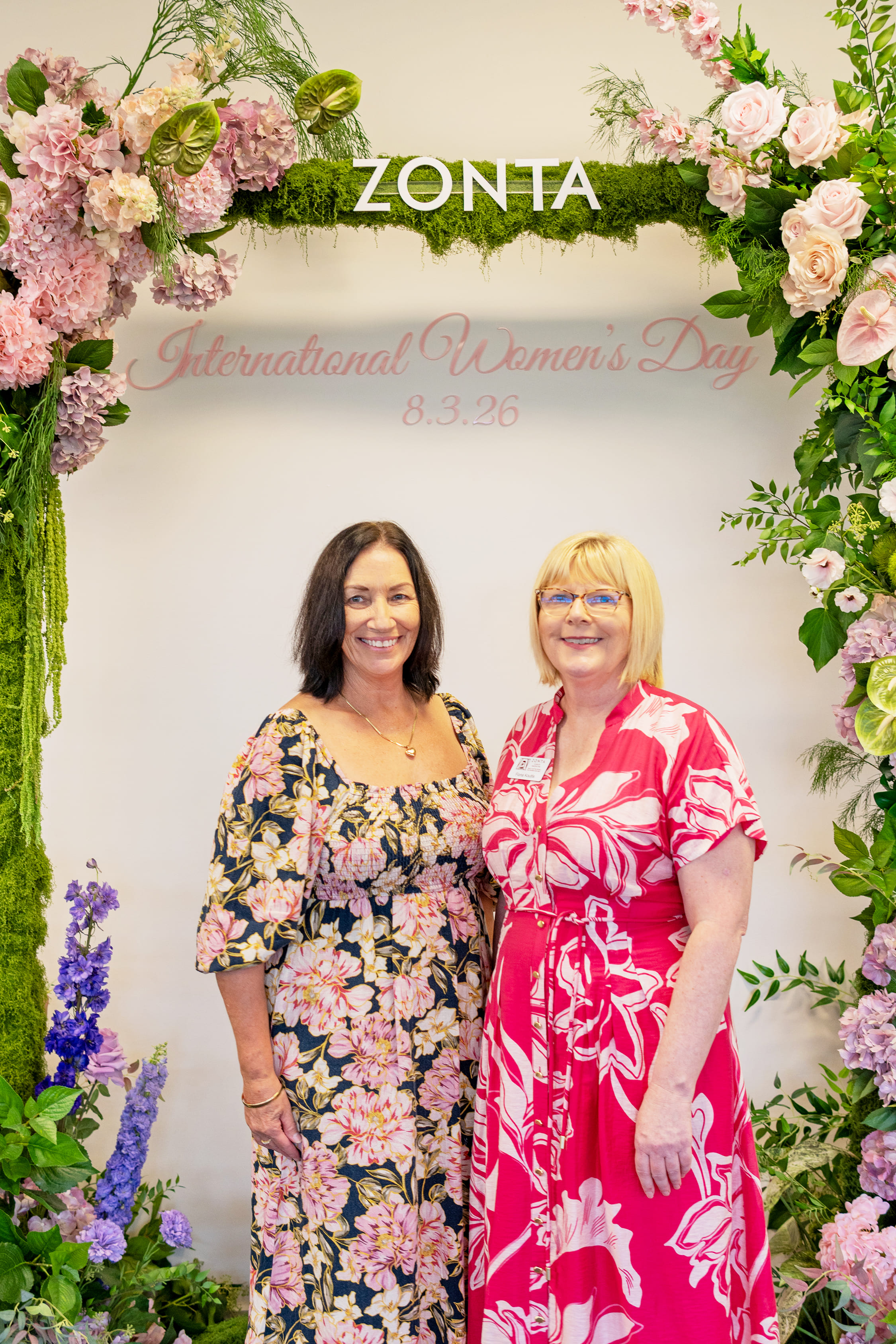


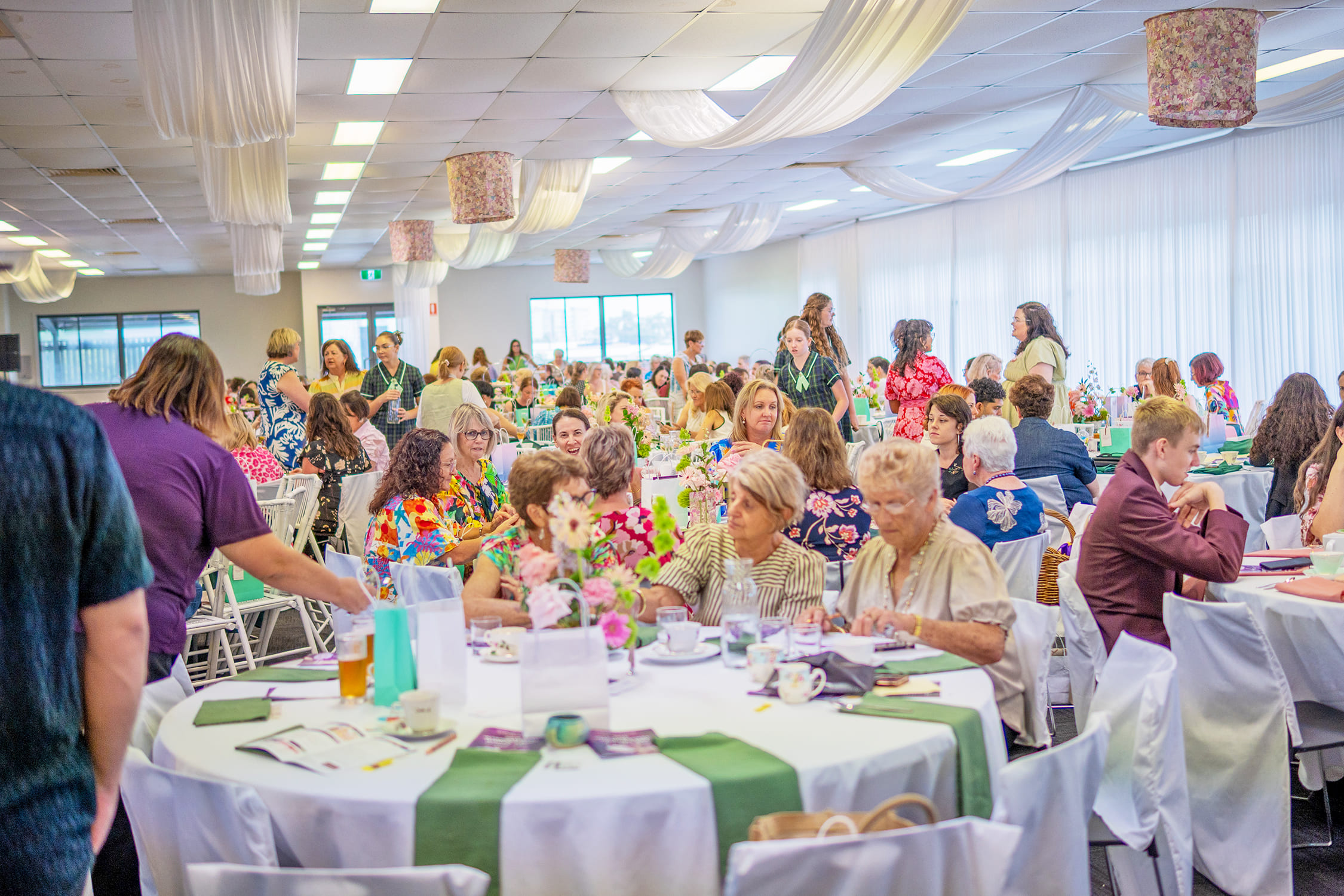
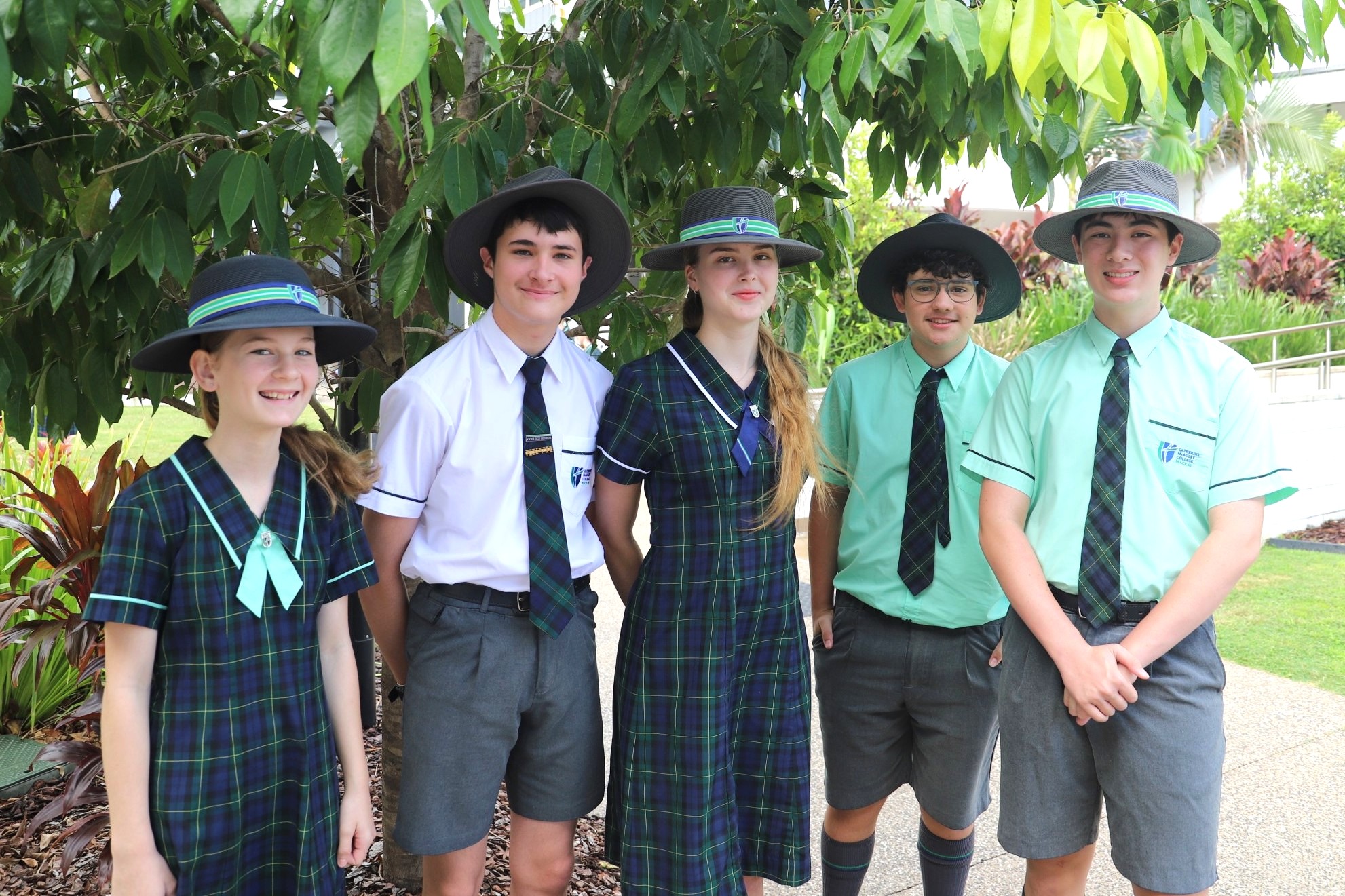
Families across the Mackay region now have the opportunity to secure a place for their children in one of the area’s three Catholic secondary colleges, with enrolments for the 2027 school year officially open.
Catholic Secondary Education in Mackay continues to offer families a rich choice of faith-based learning environments, supported by three well-established colleges: Holy Spirit College, Mount Pleasant; St Patrick’s College, Mackay; and Catherine McAuley College, Mackay. Each college maintains a strong commitment to delivering high-quality teaching and learning, supported by values grounded in the Catholic tradition.
Together, the colleges form a dynamic network focused on nurturing the academic, spiritual, and personal growth of every student entrusted to their care. Their shared mission emphasises excellence, compassion, inclusivity, and service values increasingly sought by families looking for holistic and future-focused education.
As the Mackay region grows, demand for Catholic secondary schooling remains strong. The opening of 2027 enrolments provides families with the chance to explore the unique offerings of each college and secure a place early.
Parents and caregivers are encouraged to visit the colleges’ websites or contact each college for further information about tours, interviews, and transition pathways.
Catherine McAuley College, 239 Nebo Road West Mackay Enrol online via the college website https://cmcmrok.catholic.edu.au/for more information call 4994 9200. Open evening was Thursday 12 March but enquiries are still welcome.
St Patrick’s College 2 Gregory Street Mackay Open Night Tuesday 17 March at the Mercy Campus in Penn Street, Mackay from 4.00pm to 7.00pm. For more information, please visit the college website www.stpats.qld.edu.auor call 4994 8700.
Holy Spirit College 35 –39 Baxter Drive Mount Pleasant Enrol online via www.hsc.qld.edu.au/enrolmentsInformation Evening Tuesday 28April, 5.30pm to 7.30pm. For further information email enrolments@hsc.qld.edu.au or call 4994 8600

Community Bank Sarina Bendigo Bank believes success is measured not just by business outcomes, but by the long-term, positive impact on the community – including supporting the My Hospital Foundation Volunteers.
At My Hospital Foundation, we believe healthcare should never feel like it’s “better somewhere else”. Our community deserves access to quality equipment and support close to home – and partnerships like the one we share with Community Bank Sarina assist in making that possible.
Community Bank Sarina’s ongoing support continues to make a tangible difference, particularly through a major contribution toward purchasing the Sarina patient transfer vehicle. This vehicle now provides reliable transport services for local patients travelling from the Sarina area to Mackay Base Hospital for specialist appointments and treatment. For many in our community, this removes not only financial pressure, but also the stress and uncertainty of getting to critical healthcare appointments.
Beyond this investment, what truly stands out is the Community Bank Sarina’s active involvement. The banking team visits Mackay Base Hospital monthly, making themselves accessible to patients, families and staff. This visible presence reinforces that their commitment to community extends well beyond banking – it’s about connection and care.
We are also looking forward to hosting a volunteer morning tea in the coming weeks, proudly supported by Community Bank Sarina. Our volunteers are the heart of our patient transfer services, generously giving their time to ensure patients feel supported and safe on their journey. Recognising their contribution is incredibly important to us, and we are grateful to have Community Bank Sarina alongside us in celebrating them.
Community Bank Sarina exemplifies what community partnership should look like – local people supporting local services to create meaningful impact.
On behalf of My Hospital Foundation and the patients we serve, thank you to Community Bank Sarina for continuing to invest in the health and wellbeing of our region.
Ashleen O’Neill
Managing Executive Officer
Image 1: Mackay Hospital Foundation Volunteers accepting vehicle from Community Bank Sarina Manager Erin Ryley

Image 2: Mackay Hospital Foundation Volunteers. Photos supplied
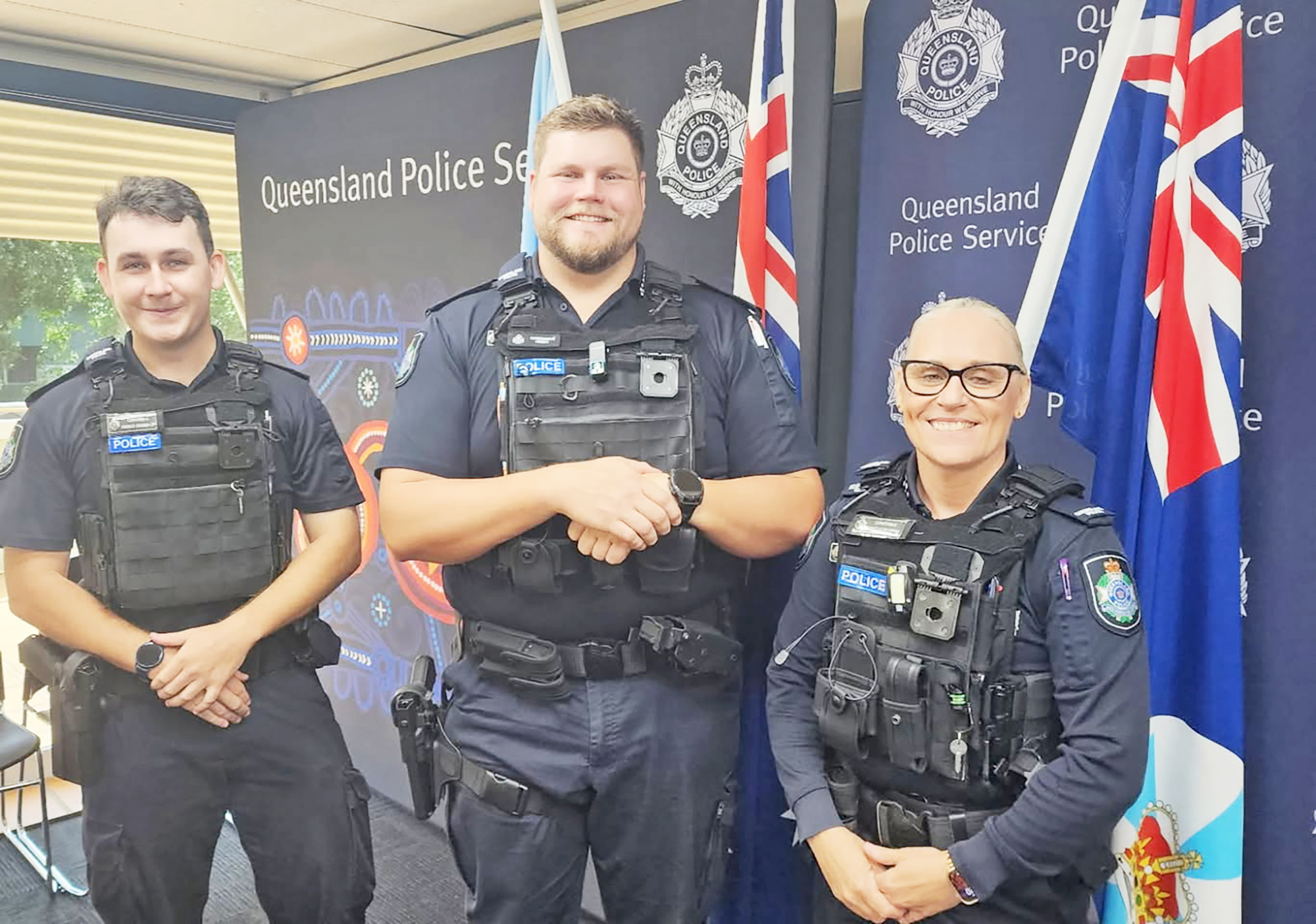
Eight new police recruits arrive at stations in the Mackay region.
Mackay is benefitting from a state-wide, multi-year police recruitment push, that will saw 118 new officers joining the Queensland Police Service in January 2026.
Following their recent graduation from Brisbane’s Queensland Police Academy, Mackay is now welcoming eight new constables across the Mackay and Northern Beaches stations.
For the next eight weeks, the graduates will be mentored under Field Training Officers, keeping Mackay District safe, the first step in their on-the-ground career as First Year Constables.
Building on the achievements of 2025, which saw nearly 1,200 constables sworn in, the Queensland Police Service claims it remains steadfast in its commitment to bolstering the frontline and ensuring the safety of Queensland communities, boosting it’s state-wide numbers of over 12,000 active officers.
On a community post welcoming the new recruits, Retired Police Officer AJ Wittenburg commented:
“Congratulations to you all and a very huge welcome to the Mackay Whitsunday District. You have an awesome team of very talented & dedicated serving police here to guide you.
“We thank you so much for your service & for choosing your exciting police career to look after us in the community & keeping our streets safe.
“You all have our best wishes & full support for a wonderful & successful career ahead- from myself and all members of the MWS Branch of QRPA (retired police). Please take care & stay safe.”
The sentiment echoes that of many locals, who look forward to increased police presence in the area.
Reflecting on the recent Oxley Police Academy graduation, newly retired Police Commissioner Gollschewski said:
“Our newest Constables will have a career that makes a positive difference to the lives of others.
“Joining the blue family is more than a career choice, it’s a commitment to teamwork and being part of a community.
“Queenslanders can be assured that these new officers are ready to support their communities with integrity, respect and courage”.
1 - Mackay, meet Constables Danielle, Davydd and Pierce.
2- Constables Ashton, Anthony, Chyenne, Andries and Jacob. Photos supplied.
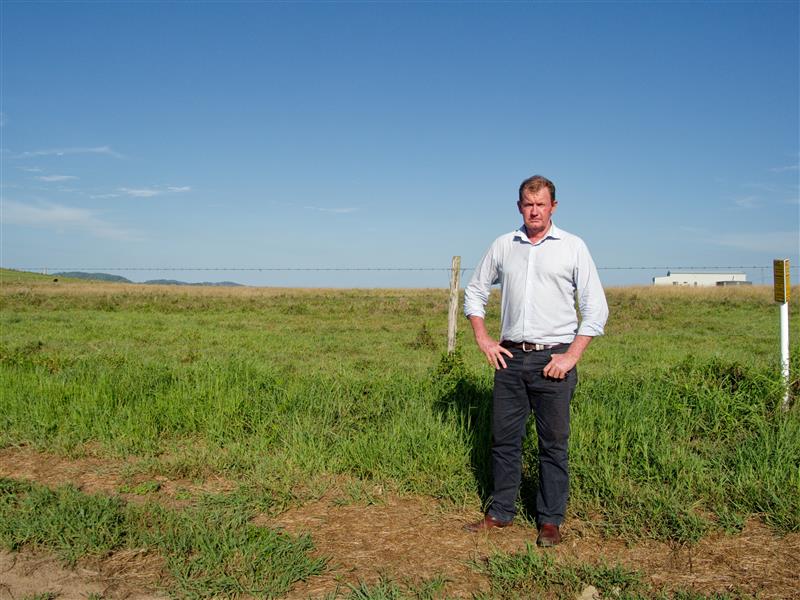
A series of infrastructure, tourism and planning developments across Central and North Queensland have been welcomed by Member for Mirani Glen Kelly, who says the initiatives reflect growing momentum for regional investment and community consultation.
Mr Kelly recently welcomed the start of safety upgrades along sections of the Bruce Highway between Rockhampton and St Lawrence after seeing crews working near St Lawrence and Marlborough.
The works form part of a $9 billion, 10-year upgrade program aimed at improving safety, flood resilience and capacity along Queensland’s main coastal transport corridor.
“The electorate of Mirani is home to approximately 430 kilometres of the Bruce Highway, so what happens on this road matters enormously to our communities,” Mr Kelly said.
“Travelling through St Lawrence and Marlborough on Friday, it was great to see these safety works now underway. This highway carries our families, our tourists, and our freight operators every single day.”
Key works planned for the corridor include pavement strengthening, road widening, wide centre line treatments and audio-tactile line markings to reduce the risk of head-on crashes, particularly involving heavy vehicles.
Recent upgrades to bridges north of Rockhampton, including Twelve Mile Creek and John Murphy bridges, are also expected to improve freight efficiency. Flood mitigation works are continuing in vulnerable areas, where road levels are being raised to improve resilience during major weather events.
“There is no question that fixing the Bruce Highway has a long way to go,” Mr Kelly said.
“But this is an important start, and it’s happening thanks to the commitment of the Government to prioritise regional road safety and critical infrastructure.”
Meanwhile, attention is also turning to tourism opportunities in the Eungella and Pioneer Valley regions following the first meeting of the Eungella and Pioneer Valley Tourism Strategic Advisory Committee.
Mr Kelly, who chairs the committee, said the inaugural meeting brought together tourism operators, small business owners, representatives from Mackay Isaac Tourism and community organisations to help shape the region’s tourism future.
“It was fantastic to bring everyone around the table for the first time. The discussion was constructive, forward-looking, and confirmed what many of us already know, there are enormous opportunities for Eungella and the Pioneer Valley,” Mr Kelly said.
The committee discussed improving long-term access to Eungella, including the possibility of a second access route to improve safety, resilience and visitor growth.
Members also raised the need to reduce red tape linked to the Eungella National Park visitor strategy and expressed strong support for continued development of the Finch Hatton Mountain Bike Trail as a major drawcard for nature-based tourism.
“We all share the same goal, promoting our region while protecting what makes it special. Getting that balance right will be critical as we plan for the future,” Mr Kelly said.
In a separate development, the proposed Pleystowe Battery Energy Storage System has been called in for decision by Queensland Deputy Premier Jarrod Bleijie.
The project, proposed for Pleystowe near Mackay, involves a 200MW/800MWh battery energy storage system made up of up to 288 battery containers.
More than 730 public submissions were received regarding the proposal.
“For a project in a small community to receive over 700 submissions, with 99.5% of those submissions supporting a call in, that makes it pretty clear that this community doesn’t want it there,” Mr Kelly said.
Following the call-in, the final decision on whether the project proceeds will now rest with the Deputy Premier.
CAPTION: Member for Mirani Glen Kelly says the start of safety upgrades along the Bruce Highway is an important step toward improving one of Queensland’s most important transport routes. Photo supplied

The 2026 Mayor’s Charity Ball in May will bring a touch of Monte Carlo to the MECC.
Think James Bond in Casino Royale, roulette wheels, playing cards and bow ties and glamorous gowns.
Mayor Greg Williamson said “James Bond” was the room theme for the MECC Plenary Halls for the Ball on Saturday, May 2.
“As always, the Ball isn’t a fancy-dress event. Ball-goers should come dressed to suit Mackay’s premier red-carpet night out,’’ Mayor Williamson said.
“Following the success of changes to the 2025 Ball, the Community Committee that organises the event has decided to continue with the new format,” he said.
“There will still be a live auction, but it will only be a short segment of the evening, with the focus on having a great social night out.
“A silent auction and raffles will help boost funds raised for charities.”
Musical entertainment on the night will be provided by Brisbane band Beccy and the Jetts, a high energy band that will surely have everyone up on the dancefloor.
In an exciting change, the emcee for this year will be popular Australian comedian Dave O’Neil.
Dave is a regular guest star on ABC’s Spicks & Specks and on TV's Fisk. He’s also a fan-favourite at comedy festivals around the country.
The committee is excited to welcome Mickala Group as Platinum sponsors for 2026, joining BMA, Fergus Builders and Daly Bay.
General Manager Debbie Pedersen said Mikala Group believed strongly in giving back to the communities they work in, and the Mayor’s Charity Ball was a fantastic opportunity to do just that.
“We’re proud to support an event that raises vital funds for our local community while bringing people together in a shared commitment to making a positive impact,” Ms Pedersen said.
The launch for the 2026 Mayor’s Charity Ball was held at the The Neighbourhood Hub on Shakespeare Street last night (Thursday, March 12).
It was attended by the Mayor, Councillors, other council representatives, the organising committee, sponsors, media partners and representatives of the two charities which will benefit from proceeds this year.
The Ball has raised more than $1 million since its inception in 2004.
Mayor Williamson said the Ball raised funds for two charities for two years to enable significant funds to be raised for each charity and make a real difference in our community.
“Proceeds this year will be split 50-50 between Salvation Army’s Samaritan House, in its second year of being a beneficiary and new beneficiary, The Neighbourhood Hub,” Mayor Williamson said.
General Manager Nicolette Ffrost said The Neighbourhood Hub was honoured to be a Mayor’s Charity Ball recipient.
“Our focus is community-based connection, support and engagement,’’ she said.
“We provide crisis support, early childhood engagement, financial well-being services, food donations, educational workshops, support for multicultural communities and newly arrived migrants and so much more.
“This funding will go directly towards our Food Diversion Program, which has diverted more than 138 tonnes of food since 2020 – keeping food out of landfill and on the tables of Mackay families who need it most.”
Hannah Stephen, State Manager Family Violence Programs – NT/QLD, said the Salvation Army Family Violence Services were grateful to be a beneficiary of the funds raised through the Mayor’s Charity Ball for the second year.
“The costs associated with family violence and the long-term impacts on both adult and child victim survivors are significant,’’ she said.
“As a public health issue, a whole-of-community response to end family violence is crucial. The Salvos believe in good, and we are glad to be a part a community who stand together in preventing family violence and in responding to the needs of victim survivors.
“The donation from the Mayor’s Charity Ball will support therapeutic services for victim survivors in Mackay, which will help ensure that women and children are not caught in the cycle of violence but have the opportunity to recover and thrive.”
Platinum partners for the 2026 Mayor’s Charity Ball include Fergus Builders, Daly Bay and BHP Mitsubishi Alliance (BMA) and Mickala Group.
Gold sponsors include Pentacon, Summit and Oral Health and Beyond Collective.
Silver sponsors include CQ Soil Testing and North Queensland Bulk Ports.
Media partners for the Ball are 7 News Mackay, Mackay Whitsunday Life, Hit 100.3 and Triple M and Tropical Exposure.
In-kind sponsor is Signarama.
The 2025 Mayor’s Charity Ball raised $54,000, which was shared between the Salvation Army and the Grapevine Group. Photo supplied

Emergency doctors have issued a warning following an increase in snake bite presentations across the Mackay region.
Mackay Hospital and Health Service facilities recorded a 33 per cent rise in cases over summer, with 133 snake bite presentations since July 2025, which is 36 more than the same period the previous year.
Since January, 23 bites have been treated at Mackay Base Hospital, nine at Proserpine, seven in Bowen, three in Clermont, two in Sarina and one each in Collinsville and Moranbah.
On the first day of autumn, 1 March, two snake bite presentations were recorded – one at Proserpine Hospital and one at Mackay Base Hospital.
There was a total of 24 snake bite presentations at Mackay HHS facilities in February, with 20 recorded in both January and December, 24 in November and 23 in October 2025.
Mackay Base Hospital Emergency Department Senior Medical Officer Dr Nirindu Weerakoon said all snake bites should be treated as a medical emergency, regardless of whether you think the snake is venomous or not.
People who are bitten can often feel very well with little to no symptoms, Dr Weerakoon said.
“Some potential symptoms that you might get are headaches, bleeding from the bite site, double vision, sometimes difficulty with breathing or stroke-like symptoms,” he said.
“The worst-case scenario is cardiac arrest. Knowing snake bite first aid is critical and can save a life.”
Dr Weerakoon said the most important thing to do in the event of a snake bite was to apply a pressure immobilisation bandage as soon as possible.
“Always call 000 or get someone else to go for help. As long as you are not in danger of being bitten again, remain where you are,” he said.
“Venom travels through your lymphatic system so the more you move the faster it is pumped around your body.”
Publishers Indemnity. Any individual or entity that places advertising, supplies copy material, or submits editorial content to Core Life Publishing agrees and undertakes to ensure that all such material:- Does not infringe upon any copyright, trademark, or other intellectual property rights;- Is free from any content that could be considered defamatory, libelous, or slanderous;- Does not infringe upon any rights related to privacy or breach of confidence;- Contains no obscene, indecent, or otherwise unlawful material;- Complies fully with the Trade Practices Act and all other applicable laws, regulations, or statutes.Furthermore, by submitting or placing such material, these individuals or entities agree to indemnify and hold harmless the publisher, Core Publishing and Events Pty Ltd, and/or its agents from and against any and all investigations, claims, demands, liabilities, damages, costs, or judgments arising out of or in connection with the material provided. All material is believed to be accurate at the time of printing and remains the copyright of Core Publishing and Events Pty Ltd.
© 2026 Mackay and Whitsunday Life Pty Ltd.
