
Independently Owned, Locally Grown, Community Loved

Flying under the radar is a little-known fishery that operates within one of the world’s most iconic ecosystems: coral harvesting. Many Australians would be surprised to learn that the Great Barrier Reef supports the country’s largest coral fishery. Each year, up to 190 tonnes of coral are removed from the Reef, much of it destined for the domestic and international aquarium trade. Among these are some of the Reef’s most unique and visually striking species—highly prized, yet ecologically vital. The Great Barrier Reef is often celebrated for its beauty and biodiversity, but it is also an ecosystem under immense stress. Climate change has driven increasingly frequent and severe mass bleaching events, while cyclones and flooding have compounded the damage. Together, these disturbances have contributed to some of the most significant declines in coral cover ever recorded. Against this backdrop, the harvesting of live coral raises difficult questions. Many of the same species targeted by the Queensland Coral Fishery are those already vulnerable to bleaching and mortality. Removing healthy corals from the ecosystem can reduce the Reef’s natural capacity to recover from disturbances, potentially undermining broader conservation and restoration efforts. This creates an apparent contradiction. Governments have invested heavily in protecting and restoring the Reef, funding initiatives aimed at improving water quality, supporting coral regrowth, and enhancing resilience. Yet, at the same time, a regulated industry continues to extract coral from the wild. To be clear, the fishery does not operate without oversight. Strict quotas, spatial zoning, and licensing conditions are in place to manage harvesting. Exceeding quotas or collecting coral from protected “green zones” can result in significant penalties. Enforcement, however, remains an ongoing challenge. In 2016, the first prosecution for illegal coral harvesting since the 2003 rezoning plan occurred in Gladstone, where divers were caught collecting coral in a no-take zone. Since then, there have been more than 20 prosecutions linked to illegal coral collection within the marine park, many involving commercial operators. Such incidents raise concerns about the industry’s “social licence”—the level of public trust and acceptance it holds. Increasingly, reef tourism operators, scientists, and environmental groups are calling for tighter restrictions, with some advocating for a complete ban on wild coral harvesting. Despite this, the fishery continues. In 2024, it received federal approval to operate for another three years. Authorities have indicated that a revised ecological risk assessment and updated harvest strategy will be completed by 2026, potentially shaping the industry’s future. That future may lie beyond the Reef itself. Aquaculture—growing coral in controlled tank environments—has long been promoted as a sustainable alternative. It offers the potential to supply the aquarium trade without removing corals from the wild, easing pressure on an already stressed ecosystem. As the Great Barrier Reef faces an uncertain future, so does coral harvesting. For many, the answer is clear: the Reef’s corals are far more valuable alive, thriving in their natural habitat, than they are as commodities. Contributed with thanks to Whitsunday Conservation Council
Read the full story
HERO – Whales of the whitsundays team celebrating when the Whitsundays was formally recognised as a Whale Heritage Site. Photo supplied
Read the full story
Troy Liesch is a Property Specialist with the Taylors Team, bringing many years of experience in the sale of rural and residential property across Central Queensland and the Whitsundays region. With a strong background in both lifestyle and acreage markets, Troy offers a grounded, practical approach to real estate, supported by extensive local knowledge and a deep understanding of what drives successful property outcomes in regional Queensland. His experience allows him to confidently guide clients through every stage of the selling process, from appraisal through to settlement. Now part of the Taylors Team, Troy continues to build on his reputation for professionalism, reliability, and commitment to achieving the best possible results for his clients. Outside of real estate, Troy is firmly rooted in the Whitsundays community, where he lives with his wife and their three children. Family life plays a central role for him, and he enjoys spending his time supporting his children’s sporting activities, attending dance events, and socialising with friends and neighbours throughout the region. For enquiries or property advice, Troy can be contacted on 0428 646 599 or via email at troy@tpsre.com.au.
Read the full story
Dan has been involved in the property industry all his working life. His early years were spent in the Lands Department (now the Department of Natural Resources) carrying out rental assessment valuations for Crown Land in various centres of Queensland including Rockhampton, Hughenden, Emerald, Longreach, Winton, Cloncurry and Mackay. During that time, he became a Registered Rural and Urban Valuer and was promoted to the position of Assistant Land Commissioner prior to his resignation from the Government Department. In 1984, Dan took over the management of the Valuation Department of Blacks Real Estate before setting up his own private valuation business in 2003, which operated successfully until mid 2013. Dan and wife Kerry have lived in Mackay for over thirty years and have a son Dylan and daughter Kara. Outside of work, Dan has an interest in most sports, particularly Rugby. He is a Life Member of Brothers Rugby Club and spent twelve years coaching the senior boys rugby team at North Mackay State High, winning several premierships. With a wealth of experience in the property market, Dan returned to Blacks Real Estate as a Sales Consultant in August 2013.
Read the full story

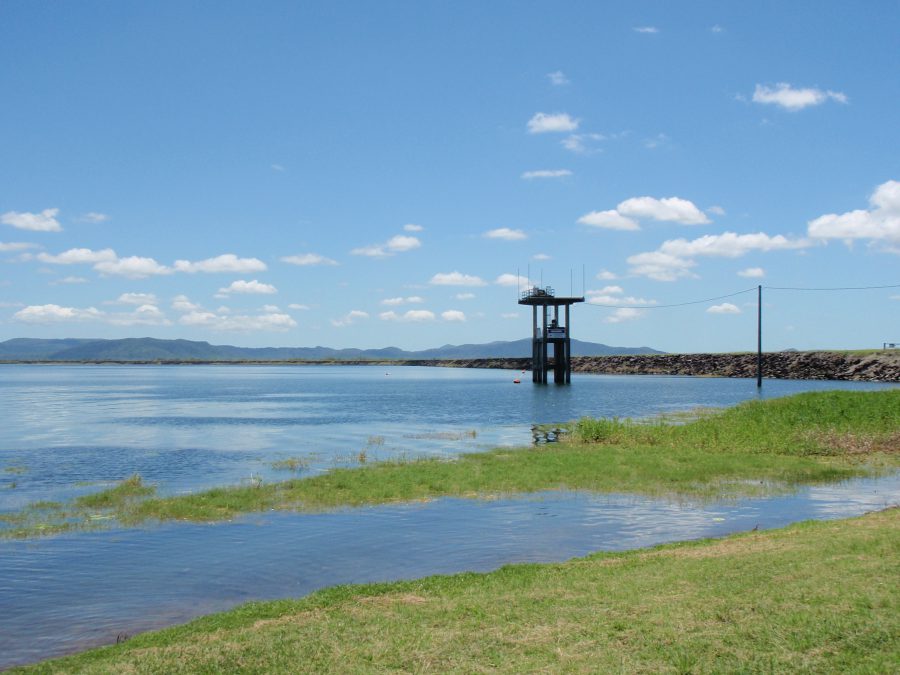
Controlled water releases were underway over the weekend at Kinchant Dam as authorities responded to ongoing and forecast heavy rainfall across the dam’s catchment.
In the early hours of Wednesday, 18 February, Sunwater confirmed release rates would increase from approximately 648 megalitres per day to around 1,250 megalitres per day in preparation for further weather impacts.
Sunwater warned the increased flows may contribute to localised flooding downstream, with reports of minor impacts already circulating since Tuesday, 17 February. Residents in affected areas were urged to remain vigilant as conditions continued to evolve.
Excess water releases commenced at 8:45am on Wednesday after the dam reached its maximum operating level of 87 per cent. Earlier advice issued on Tuesday morning indicated the dam was likely to reach this threshold later that day, with flows expected into Sandy Creek.
At that time, residents downstream of the dam — including those near Sandy Creek, Mirani and Eton — were advised to stay informed and monitor conditions closely. Water flows were expected to impact Antoneys Crossing and Curran’s Crossing, with increased flows forecast within six to 12 hours.
Catchment levels have been rising steadily throughout February. On the morning of Wednesday, 4 February, Sunwater reported the dam peaked at 56.69 metres, reaching 80.30 per cent capacity. By that afternoon, levels had increased to 82.26 per cent.
The most significant rise was recorded on Monday, 16 February, when levels jumped from 83.92 per cent to 87.10 per cent in just 24 hours.
As of Wednesday, 25 February, the catchment was sitting at 84.68 per cent capacity, holding 61,169 megalitres of water at a height of 57.03 metres - just 1.18 metres below the dam’s spillway level.
On Sunday, 22 February, after almost five days of releasing excess water, Sunwater confirmed Kinchant Dam had now returned to regular operating conditions, and releases have now ceased after the catchment recorded a capacity of approximately 84 per cent.
“Sunwater’s thoughts are with any communities in Queensland who may be experiencing flooding due to extreme weather,” said a Sunwater spokesperson.
“Due to recent rainfall across North and Central Queensland, several Sunwater dams are spilling or close to capacity, and minor releases from Kinchant Dam ceased on Sunday 22 February.”
Earlier this week, on Wednesday, 25 February, Peter Faust Dam reached a capacity of 96.72 per cent, 16.81 per cent below the historical high recorded in late March, 2011 of 113.53 per cent.
Sunwater assured they do not expect Peter Faust Dam to spill based on current forecasts, however warned conditions could change rapidly and are urging residents to prepare for potential flooding.
“Sunwater is closely monitoring conditions across dam catchments and liaising with Local Disaster Management Groups as necessary. We will continue to provide updates regarding individual dams as per Emergency Action Plan requirements,” the spokesperson said.
“We would urge the community to remain vigilant near rising water courses and listen to advice from councils and emergency services - and if it’s flooded, forget it.”
Residents are encouraged to stay informed by monitoring Kinchant Dam storage levels, tuning in to ABC Tropical North on 101.1 FM, and checking local updates, road closures and evacuation information through Mackay Regional Council’s Disaster Dashboard. River and rainfall conditions can also be monitored via the Bureau of Meteorology.
In an emergency, residents should call Triple Zero (000). For flood assistance, contact the State Emergency Service on 132 500 or through the SES Assistance QLD app.
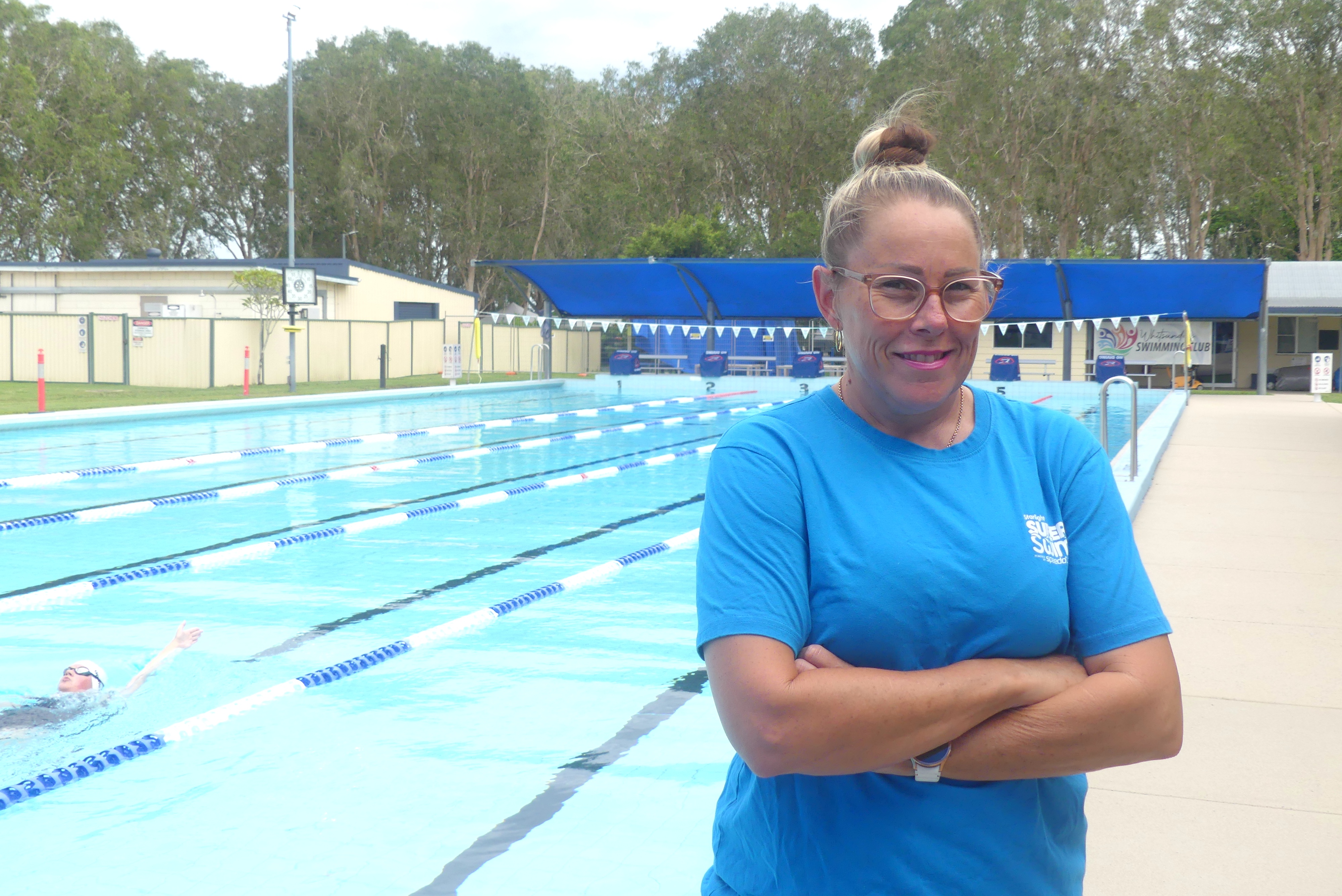
Local mum, business owner and soccer lover, Sonya Quod, is swimming 32 kilometres at Proserpine Pool this February to raise money for Starlight, a charity dedicated to bringing moments of joy to hospitalised children.
When we spoke to Sonya on Monday, she had just five days left of the challenge and was feeling the fatigue – but not letting it get in her way.
By committing to swim 22 lengths of the 50m pool every day for 28 days, Sonya has raised a whopping $5,534 for Starlight, a cause that is close to her heart.
Sonya’s then 11-year-old daughter, Arista, became gravely ill after contracting mycoplasma pneumonia with a secondary mucositis infection.
She initially spent some time in Proserpine Hospital before being moved to Mackay, and eventually was airlifted by the Royal Flying Doctor Service to Brisbane for life-saving treatment.
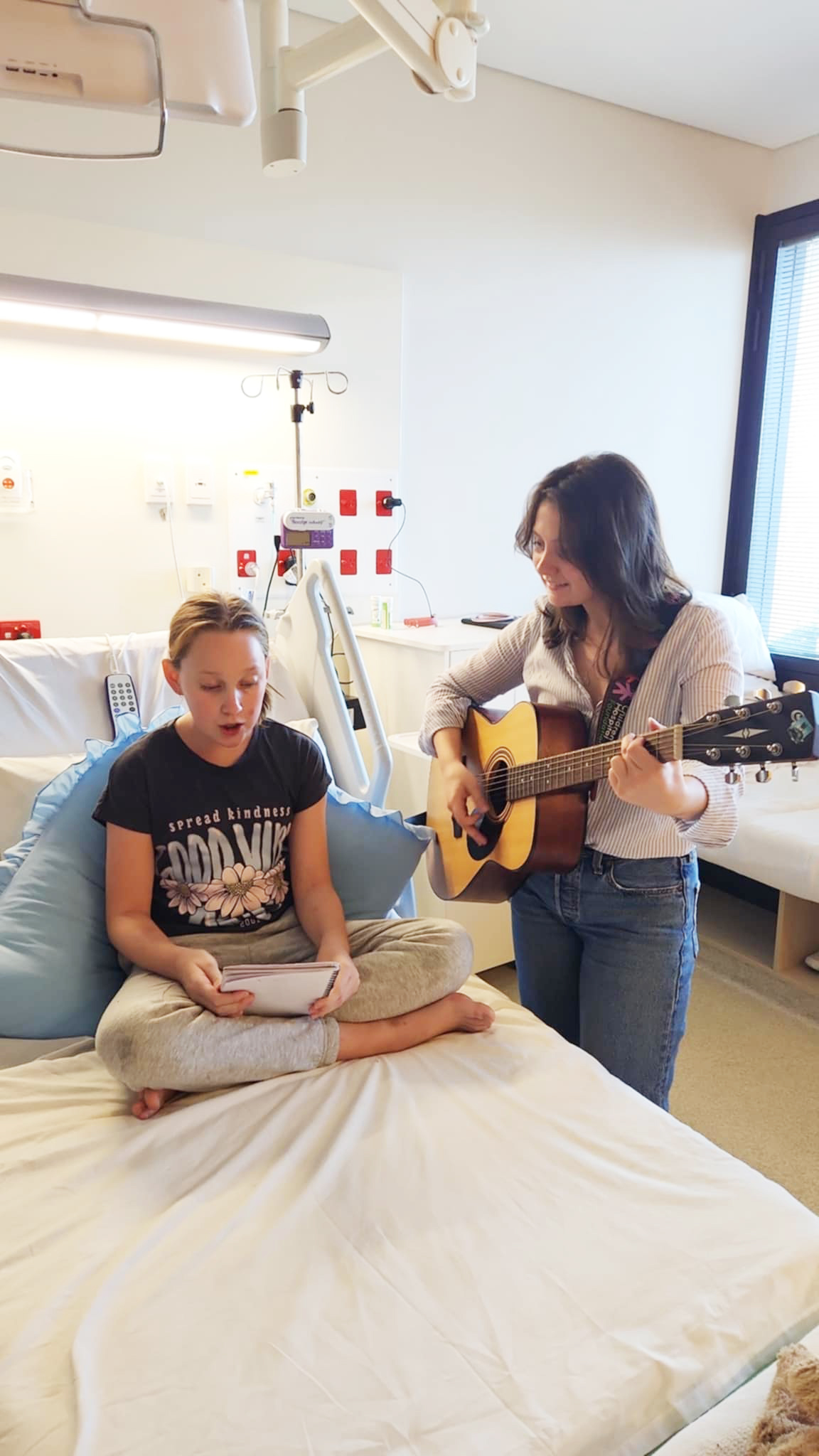
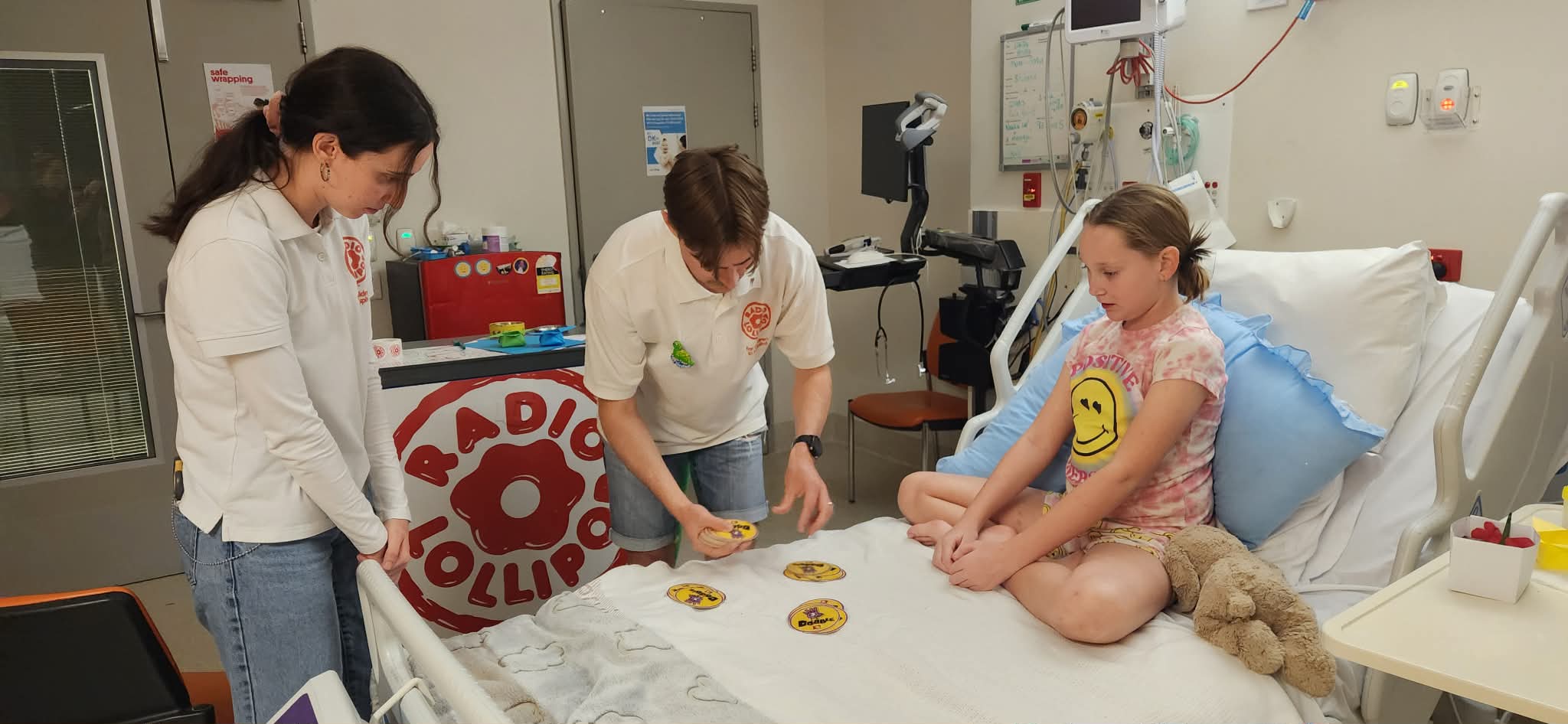
Arista’s hospital stay went on several months, and for a time she wasn’t allowed visitors. When this changed the Starlight Volunteers began visiting her, bringing much-needed brightness to an otherwise difficult time.
“They would come around to the rooms and do entertainment, they’d sing and dance, telling jokes and doing magic tricks,” Sonya explains.
“And they also had a Starlight Room where you could go with your kids to get a break from the hospital. It’s amazing. It’s so bright and bubbly, and there’s music… They’re just amazing at what they do. Everyone walked out of there with a smile on their face, no matter how sick they were.”
When Sonya saw Starlight’s Super Swim campaign on Facebook, she knew she wanted to get involved.
“I've always been a water baby,” she says.
“That's why I thought I could do this challenge, even being busy as a mom and running the business. I thought, I can just do some laps, and that's my way of giving back.”
Alongside raising money for Starlight, Sonya says the challenge has been great training leading up to soccer season. With the pool also providing great exercise for Arista’s lungs following her sickness, Sonya’s spending even more time there, now working for Aquatic Rush, teaching little ones to swim.
Sonya is proud to be one of over 13,600 swimmers supporting the cause, and has even found herself in the Top 15 on the fundraiser leaderboard.
“I’d like to say a huge thank you to my family and friends for their support throughout the challenge,” Sonya says.
“Some days I needed a little support crew to get me through. Also, thank you for the amazing donations – it has blown me away. It will go to the children and families doing it tough.”
To donate, and find more information about how you can support the cause, scan the QR code below.
1- Sonya Quod, super mum swimming for Starlight. Photo: Suzanna Mcloughlin
2 – Arista with the starlight entertainers bringing joy to Queensland Children’s Hospital. Photo supplied.
3 – Volunteers visit children in need of a smile. Photo supplied.
4 – Starlight arrives with a song, joke, or magic trick to make the hospital a brighter place. Photo supplied.
5 – Scan here to donate


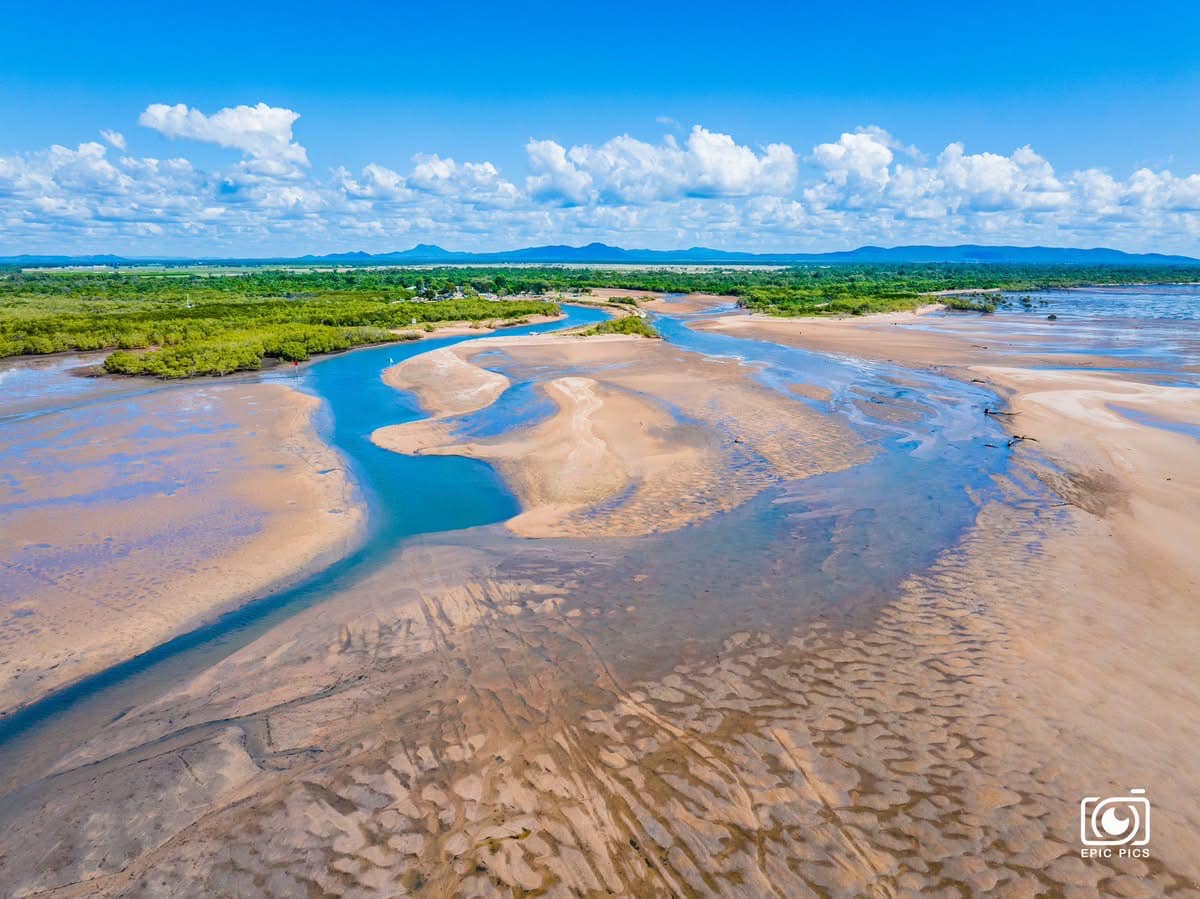
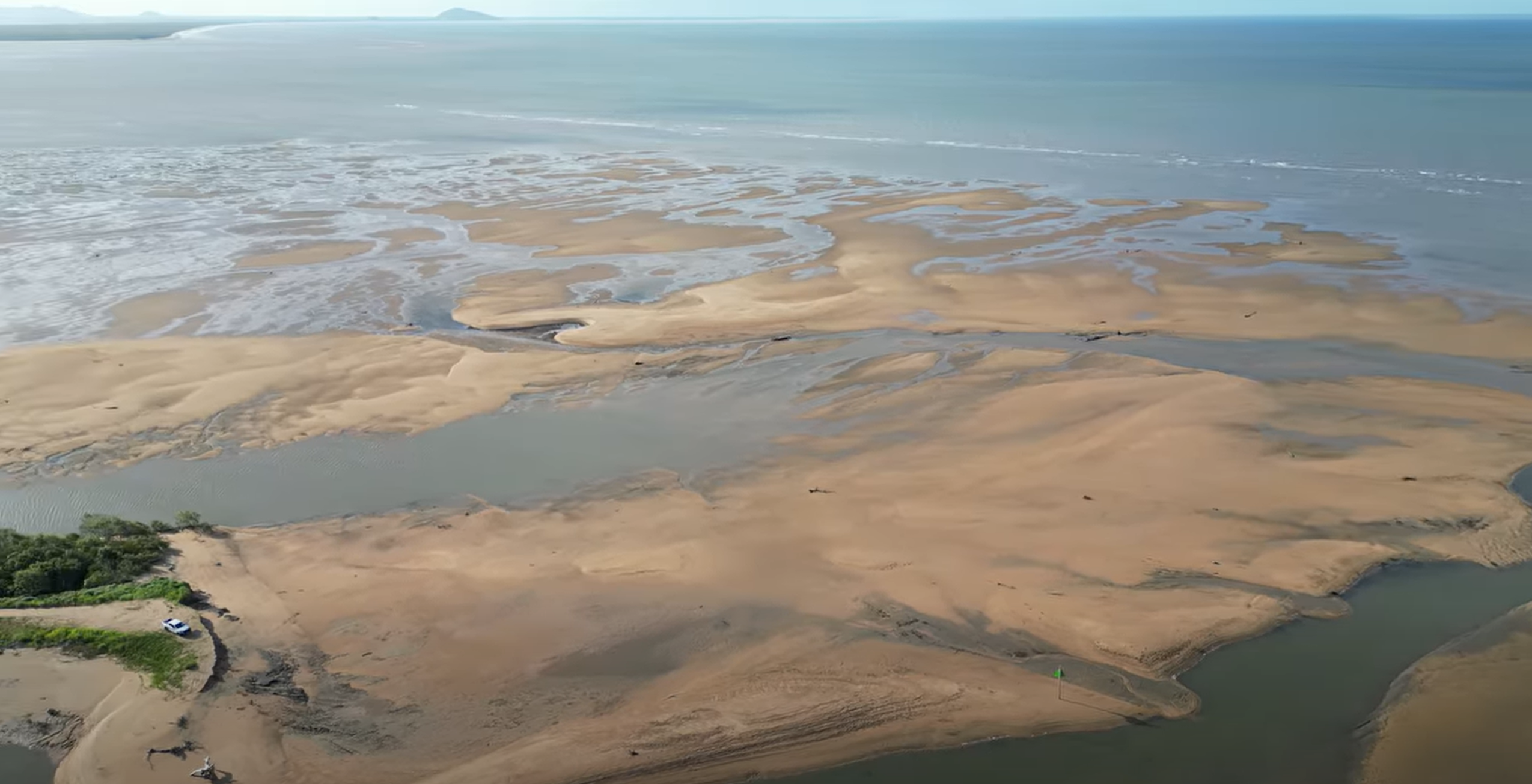
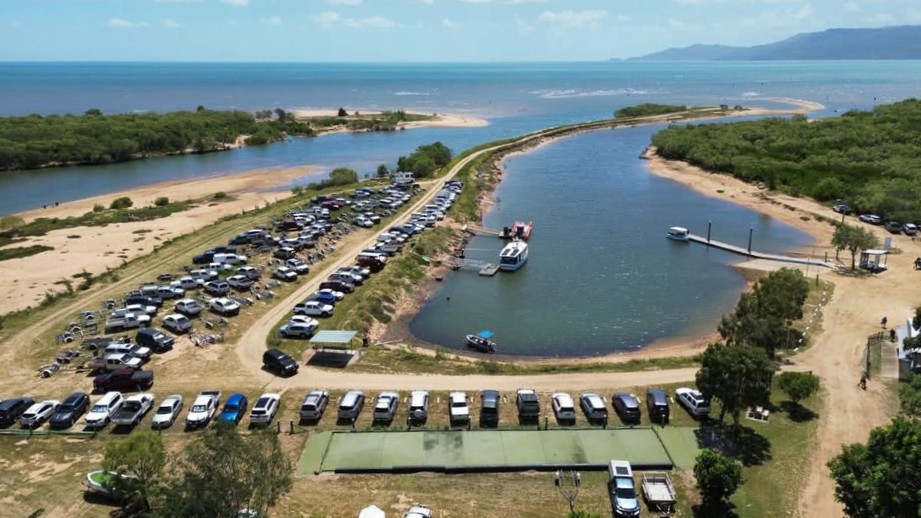
Residents across the Whitsunday and Burdekin shires, alongside the Molongle Creek Boat Club (MCBC) and the wider Cape Upstart community, are calling on the State Government to honour a long-standing commitment to provide reliable all-tide access at Molongle Creek.
The Molongle Creek access channel is the only marine gateway to Cape Upstart, which is home to approximately 240 sea-access-only properties. The channel is a critical link to the mainland for residents, emergency services, visitors and fishers, with estimates showing between 15,000 and 20,000 vessels use it annually.
Despite its importance, locals say the channel no longer delivers the all-tide access promised during the 2016 state election and formalised in a 2021 handover to government.
“The lack of all-tide access severely restricts people’s access to their properties at Cape Upstart,” said Molongle Creek Boat Club Commodore Ken Betteridge.
Built by Volunteers, Handed to Government
The Molongle Creek Boat Club was formed in 1962 and spent decades developing and maintaining the facility through volunteer labour, private funding and club-owned machinery. In 2021, the club formally surrendered its lease and gifted all assets, valued at $2.84 million, to enable public funding and long-term government management.
In return, the State Government assumed responsibility for maintaining an all-tide access channel, boat ramps and supporting infrastructure.
However, long-time members say concerns raised during the design phase were ignored, particularly warnings that the chosen alignment would be vulnerable to flooding and sediment infill.
“Molongle Creek Boat Club’s lobbying secured funding for an all-tide channel, however, due to various government departments, the placement of the channel was restricted to where it is now,” Mr Betteridge said.
“The choice presented to us was a channel where it is – or was – or no channel at all.”
Within months of completion, wet-season flooding filled the channel with sediment, significantly reducing its depth. While temporary maintenance improved access in 2022 and 2023, a major wet season in 2024 again rendered the channel largely unusable. No maintenance funding has since been allocated.
Locals say vessels that once accessed the channel on a 1.7-metre tide now require tides of 2.4 metres or higher, eliminating reliable daylight access on many days.
“All-tide access?” one resident said. “It’s anything but.”
Safety Concerns Escalate
The deteriorating access has raised serious safety concerns, particularly during peak holiday periods and medical emergencies.
Residents have historically transported sick or injured people by boat to meet ambulances at Molongle Creek, but only when tides permit. When tides are out, emergency helicopter access is required.
“There have been quite a few medical incidences where the access to Molongle Creek was tidally available – if no tide, the emergency helicopter was luckily available,” Mr Betteridge said.
In another recent incident, two young boys were stung by Irukandji jellyfish at Kingfish Bay. Locals say the outcome could have been far worse had the tide been out.
Calls for Practical Solutions
The Molongle Creek Boat Club says solutions already exist, particularly the construction of a protective bund wall using rock or geotextile bags; a method proven at the site, where a small barrier has reduced sediment infill for more than 25 years.
“There are approximately 240 dwellings at Cape Upstart that use Molongle Creek as their main, and only access port – a 365 day all-tide access channel will definitely improve the safety of the whole community,” Mr Betteridge said.
“We need a bund wall sooner rather than later.”
Local State Member for Burdekin Dale Last said the former government failed to deliver on its election promise.
“Promises were made and expectations were built on those promises. Clearly those expectations were not met and, clearly, the promises made were broken,” Mr Last said.
Federal Member for Dawson Andrew Willcox described the facility as vital regional infrastructure and said a permanent engineering solution was required.
“In my assessment, a permanent infrastructure solution is required to address the siltation issues,” he said.
Maritime Safety Queensland confirmed the channel continues to be impacted by natural flood flows and said long-term management options are being developed in consultation with stakeholders.
Community Patience Wearing Thin
After more than six decades of volunteer stewardship and a multi-million-dollar asset handover, locals say the issue is no longer about future planning, but about honouring commitments already made.
As one MCBC member put it, “We carried this facility for decades. Now we’re asking the government to carry out its commitment.”

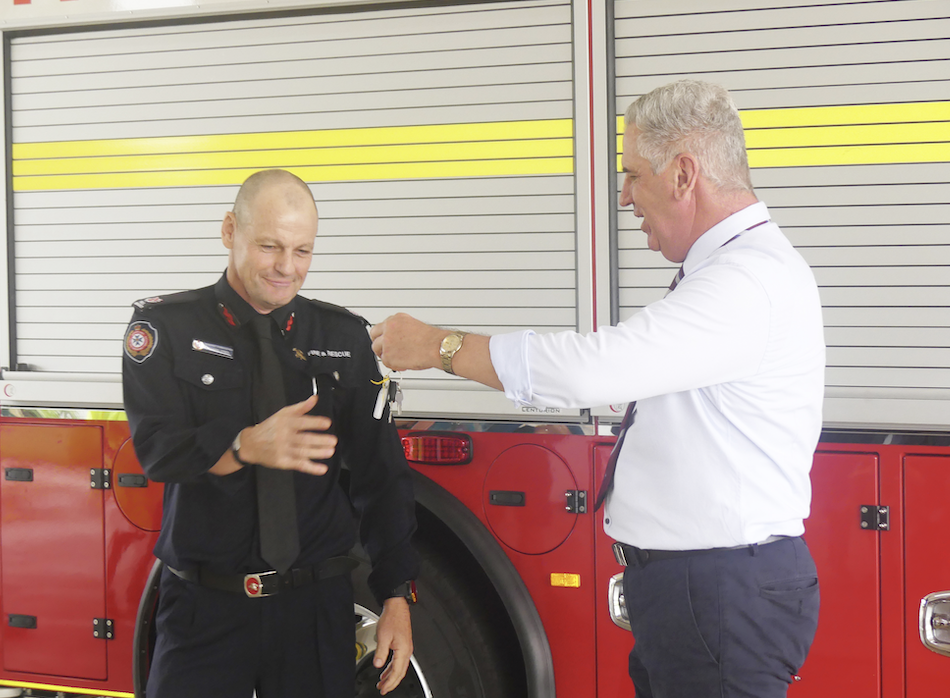
On Thursday 12 February, the Bowen Fire and Rescue Station received a state of the art $1.15 million Type 3 fire truck, the best appliance the team had ever seen. The appliance was provided for by the government to support fire rescue initiatives across the region.
Both Whitsunday Regional Council Mayor Ry Collins and State Member for Burdekin Dale Last, were present at the event, with Mr Last handing over the keys – a ceremonial gesture to mark the start of a great endeavour.
The truck is the first of its kind to be delivered to the Bowen Station and is considered a jack-of-all trades appliance, built with the capability of responding to structural, petrol, chemical and grass fires. Additional features include modern road crash equipment as well as extra space for specialised rescue features, allowing the crew to respond more efficiently to a variety of emergencies.
“Our firefighters go above and beyond for this community, and this new appliance gives them the modern, reliable equipment they need to do their job with confidence and capability,” said Mr Last.
Queensland Fire Department (QFD) Assistant Commissioner Michael O’Neil said the
new fit-for-purpose appliance would help Bowen firefighters continue providing first-
class frontline services to their community.
“Firefighters in Bowen can be called to help people in need right across the
Whitsunday region, from Proserpine to the south, inland to Collinsville and north to
Gumlu,” he said.
“This appliance is a valuable asset to the continued service delivery for Bowen and
surrounding communities, and the crews have undergone extensive training to
ensure they are familiar with the appliance and ready to use it well.”
Overall, it was a great occasion with local and regional firefighters present to show their gratitude. The boost to important infrastructure ensures that more emergency and rescue calls can be responded to with efficiency and consistency.


Ivan Lizarralde, owner of Blue Peace pest control, recently stumbled across a Whitsunday Life article highlighting Vari ‘Bi Bi’ Galletly’s dedicated work with children in Tanzania and was inspired to act.
Ivan makes a donation every year and was looking for his 2026 cause, seeking a trustworthy organisation that ensures all funds go directly to the person in need.
When he read about Vari’s House of Happiness, a home that gives kids in Tanzania care and access to education, he decided he’d found exactly what he was looking for.
The article detailed Vari’s mission to help Simon, one of the orphanage’s wards, on his journey to train to become a pilot. This in particular caught Ivan’s eye.
Ivan flies planes himself, as a hobby and through Blue Peace, visiting the islands to conduct pest inspections.
“I know what joy it is and what a beautiful thing it is to be up there in the air and help others.” Ivan says. “I just thought it was one way to give back to humanity. And Vari, she's amazing.”
Thanks in part to Ivan’s amazing generosity, Simon will be leaving Tanzania for Johannesburg in the coming days, where he will train for his dream career.
Tax-deductible donations to the organisation can be made here: https://www.gdg.org.au/DonateJ602NH
1 - Ivan’s love of flying inspired him to support Vari’s mission.

Hi Everyone,
Earlier this week, my mum and a friend were discussing how disappointing it is that the English tabloids are dominated by stories about a disgraced prince and alleged sexual predator. Especially when there is so much more worth talking about.
I couldn’t agree more.
If you read this paper regularly, you’ll know we focus on positive community news. It’s not just a preference; it’s our business model. And people clearly love it too.
Over the years, we’ve discovered there’s no shortage of uplifting and inspiring local news stories, even in a small community like ours. Imagine if national headlines were filled with stories that celebrate generosity, resilience and creativity. There are certainly enough of them around if only you open your eyes to take a look.
This week brought two wonderful reminders of that.
The first was meeting a baby wombat cradled in the arms (and, to our surprise, tucked safely inside the bra) of Ailen from Fauna Rescue Whitsundays. She keeps rescued joeys close to incubate and nurse them back to health.
You can read more on page 10 about how our company presented Fauna Rescue with $8,000. This donation is part of the $56,000 raised at our Enchanted Garden fundraiser in October. Thanks to the generosity of our community, seven local beneficiaries will each receive an equal share. We’ll be introducing them in print and online over the coming weeks.
The second inspiring moment was attending the Whitsundays Writers Festival focus group on Sunday. I was thrilled to see our two young journalists there, alongside our Sales Manager Trish, who serves on the advisory board with me and other passionate locals.
The committee has one bold goal for the Whitsundays Writers Festival: to become Australia’s best and largest regional writers festival. I admire their ambition, their vision and belief in our region.
Here’s to keeping the good news shining bright in our region!
Rach
Quote of the Week “The bad news is time flies. The good news is you’re the pilot” Michael Altshuler

Adventure meets wonder as Alexander Gall and Sina Cheung prepare to sail from Australia this April on an epic global mission to revive coconut culture across 12 countries. The duo will journey to remote islands and coastal communities, establishing coconut cultural centres and championing self-sufficient living powered by nature.
Alex’s passion was sparked 15 years ago, running a bustling coconut bar in North Queensland. Now, the pair will embark on a great odyssey across the globe promoting their passion for coconuts and sustainability.
Alexander Gall and Sina Cheung are about to embark on the journey of a lifetime. Aboard their boat, they plan to visit 12 different countries, establishing coconut cultural centres in each country with a focus of educating and spreading passion for coconut farming.
‘We want to find out if coconut culture is still alive in villages and islands around the world”, said Alex.
The ambitious project will see the pair sail around the world to foster coconut culture and teach people how to best make use of the plant. At the core of this endeavour is a wealth of inspiration from years of firsthand experience with coconuts and the influence of history.
The inspiration came first from Thor Heyerdahl, a Norwegian explorer whose wooden raft is currently located at the Museum of Sydney. The adventurer famously sailed through Peru to French Polynesia in 101 days.
“I said well, if that’s going to work on a wooden raft, then it might work on a bamboo catamaran as well.”
Over the course of their journey, the pair plan to build a great bamboo catamaran.
“We want to make a sustainable living headquarter out of bamboo. We’re going to find some of the biggest bamboos in the world and build a catamaran of up to 33 metres. We want to make a good first impression when we arrive at villages,” Alex explained.
“We don’t want them to see us as a white catamaran with a champagne bottle, but rather a bamboo boat full of coconuts”.
Alex’s passion for coconuts began 15 years ago in Airlie Beach, when he opened a coconut bar as a backpacker.
“I was 21 at the time. I had just finished the army and was climbing coconut trees every day,” he said.
“My friend and I ended up at Rusty’s Markets in Cairns running a coconut bar for free years, selling around 800 coconuts a day. With that, I received a lot of education about coconuts. My head was full of coconuts after three years”.
Part of the project will see Alex and Sina will film a documentary to record the experience.
“I studied film and documentary in Los Angeles to prepare for this project,” Alex noted.
“We’re going to be connected to Starlink. We will have live updates on social media. The documentary will consist of 13 episodes and will start in Australia”.
Beginning in Australia, the couple will start in the Torres Strait Islands to gauge the coconut culture. From there they plan to sail across the Philippines, Bali, Thailand, India, Zanzibar, the Caribbean Islands, Panama, Hawaii and Papua New Guinea.
Speaking to Sina, she reiterated the emphasis on being self-sustainable, relying on nature over human resources.
“We want to learn how to be self-sustainable and live on boat. We’re not paying rent; we rely on what we have in nature. We’ll look for leaves that we can eat, vegetables we can grow, fish we can catch”, she said.
The couple will likely leave Australia around April directly from the Whitsundays.
“Come join us on this journey and help villagers create this coconut culture centre,” said Alex.
“Support them, go there, ask for the coconut boy. Ask for the grandma who’s going to cook you something with the coconut. Instead of asking for coca cola in the fridge, ask for the coconut”.
Captions
Alex and Sina preparing for their grand journey
Photo Credit: Suzanna McLoughlin
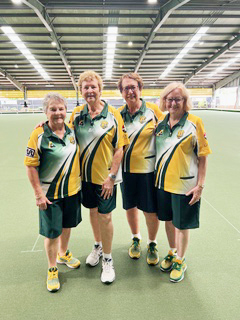
After an exciting and closely fought semi-final on Wednesday 20 February, two standout North Mackay Ladies Bowls Club teams progressed to contest the 2026 Championship Fours Final on Thursday 21 February.
The first team featured lead Brenda Trannore, second Narell Schmidtke, third Pam Spencer (substituting for Phyllis Cooper), and skip Carmel Bell. They faced a strong opposing side made up of lead Min Andrew, second Sue Beale, third Michelle Stockton (substituting for Marie Duck), and skip Jean Zamparutti.
Spectators were treated to another nail-biting encounter, with both teams displaying exceptional skill and sportsmanship throughout the match. The final was played at a high standard, with “beautiful bowls” delivered consistently from start to finish, keeping the audience engaged right through the contest.
After a hard-fought 21 ends, Team Carmel Bell claimed victory by the narrowest of margins, sealing a well-earned championship win. The result was met with warm applause from an enthusiastic and appreciative crowd, who acknowledged the outstanding efforts of all players involved.
Congratulations were extended to both teams for delivering a memorable final that showcased the very best of competitive bowls.


The holiday period, actually the entire summer, was punctuated by the massacre of 15 people at Bondi Beach.
It created a jolting re-set of the Australian psyche, an event that has shaken up our easy-going nature and long-held belief that we Aussies are somehow immune from such atrocities.
The ramifications will reverberate for many years to come and they are playing out now on the political stage as ISIS brides and immigration levels are debated.
The immigration issue had already been contentious because many people felt the increased levels in recent years had added to the competition for housing and had pushed up prices in that area as well as for goods and services generally.
Many people were already feeling that “mass migration” was out of control and a massacre of Jewish Australians by people alleged to be Muslim extremists has added to the calls for an immigration re-set.
These things should constantly be reassessed and examined to see what benefit or damage is being created in this country by immigration policies.
One thing most of us would agree on is that we expect those who migrate to Australia to be attracted to - and seek to support - our freedoms, democratic traditions, tolerance and, well, the “Australian way”.
What we don’t want is for people to come here and attempt to fundamentally change the nature of a country whose traditions have established a nation that, while not perfect and still a work in progress, can hold its head high as one of the great achievements in the long march of human history.
Around the time of the Bondi massacre and with the immigration reverberations playing out, I sold a house to a husband and wife from a southern city. They were investors and, while I had not met them face to face, their names indicated their ethnicity was sub-continental.
I had only spoken to the husband and throughout the process of buying the property he had been friendly and pleasant but also well-researched on our market.
When their finance and building and pest report had been approved, he told me they wanted to visit the property and asked if they could do a “prayer ceremony” in the house, which was vacant.
I was happy to make the arrangements and a week or so later they arrived in Mackay and I met them at the property. They were a delightfully friendly and pleasant couple and I enjoyed meeting them and showing them the house.
I stepped outside to allow them to conduct their prayer ceremony in private and we caught up later for a coffee.
What felt like a 20-minute catch-up turned out to be a stimulating and absolutely engaging two-and-a-half hour conversation that straddled their lives, my life and various stories about our respective journeys.
It struck me that there are two sides to the immigration debate; on one hand there is the understandable backlash when certain people spread hate and don’t uphold their end of the bargain with the Australian people who have invited them into this country.
On the other hand there are those who peacefully, gently add their traditions to the cultural melting pot without turning against what we stand for.
Post-colonial Australia is the story of the benefits of immigration and it continues a fascinating culinary, fashion, artistic and cultural transformation of modern Australia.
We must fight to defend our borders and our nation from those who would undermine the freedoms, tolerance and democratic traditions that define us as Aussies.
But as this real estate agent can attest, a gentle prayer ceremony in a suburban Mackay house shows that the right immigrants respect and assimilate while continuing to embrace their own beliefs and traditions. And that is a good thing.

The Government has announced a further $500 million investment to fast-track new housing developments across Queensland, as part of its push to address the state’s ongoing housing shortage.
The funding forms the second round of the landmark $2 billion Residential Activation Fund, allowing councils and landowners to apply for support to unlock land and deliver critical infrastructure needed for new housing projects. The initiative has already unlocked land for 98,000 homes statewide, with councils describing the program as a “gamechanger”.
The funding is aimed at accelerating essential infrastructure such as roads, water, sewerage and power, helping remove barriers that have slowed housing supply and pushed prices higher in recent years. At least half of the funding is reserved for projects outside south-east Queensland, ensuring regional communities also benefit.
Deputy Premier and Minister for State Development, Infrastructure and Planning Jarrod Bleijie said the investment was a critical step in responding to the housing challenge.
“The reality is Labor’s Housing Crisis has left this state in a residential race against time,” Deputy Premier Bleijie said.
“More homes across the State are needed and fast, and a key way we can play our part is to unlock land and break down barriers that have been holding back councils and the industry.”
He said the Fund was already delivering results, alongside rising housing approvals and commencements across the state.
Logan City Council Mayor Jon Raven said Round One funding was already making a difference locally.
“The support of the Queensland Government is absolutely critical to fast growing cities like ours,” Mayor Raven said.
Local Government Association of Queensland CEO Alison Smith also welcomed the program, encouraging councils to apply.
“Round One has already proven to be a gamechanger,” Ms Smith said.
Round Two of the Residential Activation Fund opens at 10am on Monday, 23 February 2026.

By Cr Heath Paton
The wet season has certainly been in full swing around our region to start off the year.
January and February typically bring the highest rainfall totals, driven by tropical systems and monsoonal flows, and while meteorologists anticipated aboveaverage falls, the increased cases of flooding across the Pioneer Valley, coastal lowlands and surrounding rural areas has impacted many.
During and after heavy rainfall, floodwaters present serious dangers even for experienced motorists and residents who know the roads well. It’s crucial to reinforce the “If it’s flooded, forget it” message. Just 30cm of moving water can wash away a small vehicle, and flooded roads often hide damaged surfaces, deep potholes or fast underwater currents.
With Eungella and the highlands as our backdrop, rapid rises can occur from upstream rainfall with very little warning to those near creeks and drainage channels, increasing the risk of both danger and isolation.
Staying informed is one of the most effective ways to stay safe during our wet season. Residents are encouraged to make full use of council’s Emergency Dashboard, which provides realtime updates on road conditions, weather warnings, flood cameras and storm tide information. Council also offers an optin notification system, allowing residents to receive emergency alerts directly to their phones or inboxes – an invaluable tool during severe weather events. By subscribing, locals can ensure they’re receiving accurate, timely information from an official source throughout the season.
While Mackay’s summer rains are vital for agriculture, water supply and the lush landscapes our region is known for, they also come with operational challenges across council’s outdoor teams. A huge shoutout must go to our mowing crews, who have been working tirelessly between showers to keep parks, roadsides and public spaces under control. With constant rain and intense growing conditions, staying on top of mowing is no small feat, and their efforts help keep our region tidy and safe.
We also extend our appreciation to our Vector Control crews, who have been monitoring and treating key mosquito hotspots across the region. Persistent rainfall creates ideal breeding conditions, and their proactive surveillance and treatment programs play a crucial role in reducing mosquito populations and protecting community health.
By staying informed, staying prepared and looking out for one another, our community can remain safe and resilient throughout the 2026 wet season. And, in the meantime, I’m off to mow my yard because while I typed this, it just grew another 10cm!
Let’s Chat – Council Connect
Residents can catch up with councillors in person at upcoming Let’s Chat - Council Connect sessions held across the region. The next session will be held at Midge Point Tavern on Tuesday, March 3.
Details on upcoming sessions can be found on the Connecting Mackay website.

Balancing university study with a cadetship at a local accounting firm is challenging – but for Brooke Jensen, the support of a Community Bank Sarina Bendigo Bank Higher Education Scholarship has made all the difference.
Each year, Community Bank Sarina invests in local students through scholarships as part of its Community Engagement Program – supporting young people to pursue higher education and apprenticeships while strengthening the future workforce of our region.
For Brooke, the Community Bank Sarina higher education scholarship has eased financial pressure and created space to focus on both her studies and her long-term career pathway.
"This scholarship has given me the confidence to really focus on my studies and cadetship,” Ms Jensen said.
“It’s supported my commitment to keeping my work and academics on track, while approaching everything with a strong work ethic."
DGL Accountants Director Elizabeth Dent said the scholarship supported Brooke’s continued development both academically and professionally.
“We’ve noticed Brooke really coming into her own – more confident and capable in everything she does," Ms Dent said.
"This scholarship has reinforced what she’s capable of reflecting in her steady growth and understanding of the accounting industry."
By supporting students like Brooke, Community Bank Sarina is contributing not only to individual success but to the economic strength and sustainability of the region.
Applications for the 2026 CQUniversity Scholarships for degree studies and apprenticeships close 28 February. Send yours to executive@sarinacommunity.com.au.

Since its launch in January 2024, The Nurtured Village Hampers Mackay has quietly woven a powerful thread of compassion through the local community, uplifting mothers and families when they need it most.
In just over a year, the volunteer-led initiative has received 240 heartfelt nominations, delivered 23 hampers, and coordinated close to 1,000 donations. Beyond the practical essentials, each hamper carries connection, encouragement and a reminder that no mum walks alone.
While many of the volunteers are mums themselves and understandably step back when life demands it, the community spirit remains strong. With a Facebook group of 1,900 Mackay members, the village is ready to welcome new volunteers to continue its vital work.
Volunteering with the village is flexible and varied. Roles include administrative support, social media management, donation collection and delivery, community outreach, and connecting with local businesses to raise awareness and build partnerships. With options for every interest and skill set, there’s a way for anyone to get involved. Plus, volunteering is recognised for Centrelink and childcare subsidy purposes.
The village, which currently boasts around 100 members, is actively seeking more volunteers, such as dads, community leaders, and those beyond the early parenting stage, to create a diverse network supporting maternal wellbeing in Mackay.
Part of the wider organisation The Nurtured Village, founded in 2019, the Mackay branch continues the national mission of delivering home-cooked meals, essential items, and non-perishables to mums, bringing back the traditional support network so vital in early parenthood.
The Nurtured Village Hampers Mackay brings the community together to support local mums through donations, hampers, and volunteer-led programs, rebuilding the traditional village of care in early parenthood.
For more information, contact hello@thenurturedvillage.org

The local community is warmly invited to take part in the World Day of Prayer service to be held at Holy Trinity Anglican Church on Friday 6 March at 10am.
World Day of Prayer is an international, ecumenical movement led by Christian women and celebrated in more than 170 countries. Each year, worship materials are prepared by women from a different country, offering a unique opportunity to learn about their lives, culture, faith, and hopes. In 2026, the focus country is Nigeria.
Nigeria is a nation of great diversity, rich culture, and deep faith, but it is also a country where many people face daily challenges, including poverty, insecurity, and social division. Through scripture, prayer, music, and stories, the service will reflect the strength, resilience, and faith of Nigerian women, while inviting participants to pray with them and for them.
The theme for this years’ service “I will give you rest: Come” encourages participants to listen deeply to the voices of Nigerian women and to reflect on God’s call to justice, peace, and compassionate action in our own communities and in the wider world.
The service will be followed by morning tea, providing an opportunity for fellowship and conversation. Everyone is welcome, women and men of all ages, church members and visitors alike.
All are encouraged to come and share in this global expression of prayer and unity.
Contributed with thanks to Anne Jennings
What: World Day of Prayer 2026 – Nigeria
When: Friday 6 March 2026 at 10.00am
Where: Holy Trinity Anglican Church, Gordon Street, Mackay

The symptoms many women quietly live with — and why they don’t have to
There are things many women quietly build into their daily routine.
Crossing your legs before you sneeze.
Choosing clothes carefully “just in case.”
Knowing exactly where the nearest bathroom is.
Avoiding jumping, running, or certain gym classes.
That heavy feeling by the end of the day.
Discomfort during intimacy.
For a lot of women, this becomes normal.
These changes often creep in slowly; after pregnancy, during the busy years of raising kids, around stressful work periods, or approaching menopause. Because they don’t happen overnight, and because no one really talks about them openly, many women assume it’s simply part of being a mum or getting older.
You’ll hear it said quietly at school pick-up or weekend sport:
“My bladder’s never been the same since kids.”
“I just don’t run anymore.”
“I thought that was normal.”
But here’s the key message: common doesn’t mean normal.
Many of these symptoms come from the pelvic floor muscles; a group of muscles that support the bladder and bowel, help control continence, and contribute to stability and movement. When they’re working well, you never think about them. When they’re not, everyday life becomes just that little bit harder.
This can look like:
These symptoms are very common and they’re also very treatable.
One reason women live with them for so long is timing. The contributing factors such as birth, heavy lifting, constipation, hormonal changes, or simply years of busy life, often happened long before the symptoms appear. By then, it no longer feels connected.
So women adapt. They wear pads, stop certain exercises, or plan their day around bathrooms. These strategies help in the short term, but they don’t address the underlying issue.
The encouraging news is pelvic floor conditions respond well to appropriate assessment and rehabilitation. Treatment isn’t just “do your Kegels.” It’s individualised, evidence-based care that looks at how your muscles function and what your body needs. Many women notice significant improvements in confidence, comfort, and return to activities they had quietly given up.
One of the most common things I hear in clinic is:
“I wish I’d come sooner.”
Your body isn’t letting you down, it’s communicating.
If any of this sounds familiar, it may be worth having a conversation with a qualified pelvic health physiotherapist. Early support often means easier recovery and a quicker return to the things you enjoy.
Because being able to laugh, exercise, sleep comfortably, and move with confidence shouldn’t feel like a luxury — it should be expected at every stage of life.
Publishers Indemnity. Any individual or entity that places advertising, supplies copy material, or submits editorial content to Core Life Publishing agrees and undertakes to ensure that all such material:- Does not infringe upon any copyright, trademark, or other intellectual property rights;- Is free from any content that could be considered defamatory, libelous, or slanderous;- Does not infringe upon any rights related to privacy or breach of confidence;- Contains no obscene, indecent, or otherwise unlawful material;- Complies fully with the Trade Practices Act and all other applicable laws, regulations, or statutes.Furthermore, by submitting or placing such material, these individuals or entities agree to indemnify and hold harmless the publisher, Core Publishing and Events Pty Ltd, and/or its agents from and against any and all investigations, claims, demands, liabilities, damages, costs, or judgments arising out of or in connection with the material provided. All material is believed to be accurate at the time of printing and remains the copyright of Core Publishing and Events Pty Ltd.
© 2026 Mackay and Whitsunday Life Pty Ltd.
