
Independently Owned, Locally Grown, Community Loved

The photo of the week winner is Elise Dunckis for the theme ‘Off the Beaten Track’. Elise’s photo is of a night under the stars which, was taken in Morgan, South Australia. Next week’s theme is ‘Vintage’. Budding Photographers can enter by joining the Whitsunday’s Amateur Photographers group on Facebook. Contributed by Whitsunday Amateur Photographers
Read the full story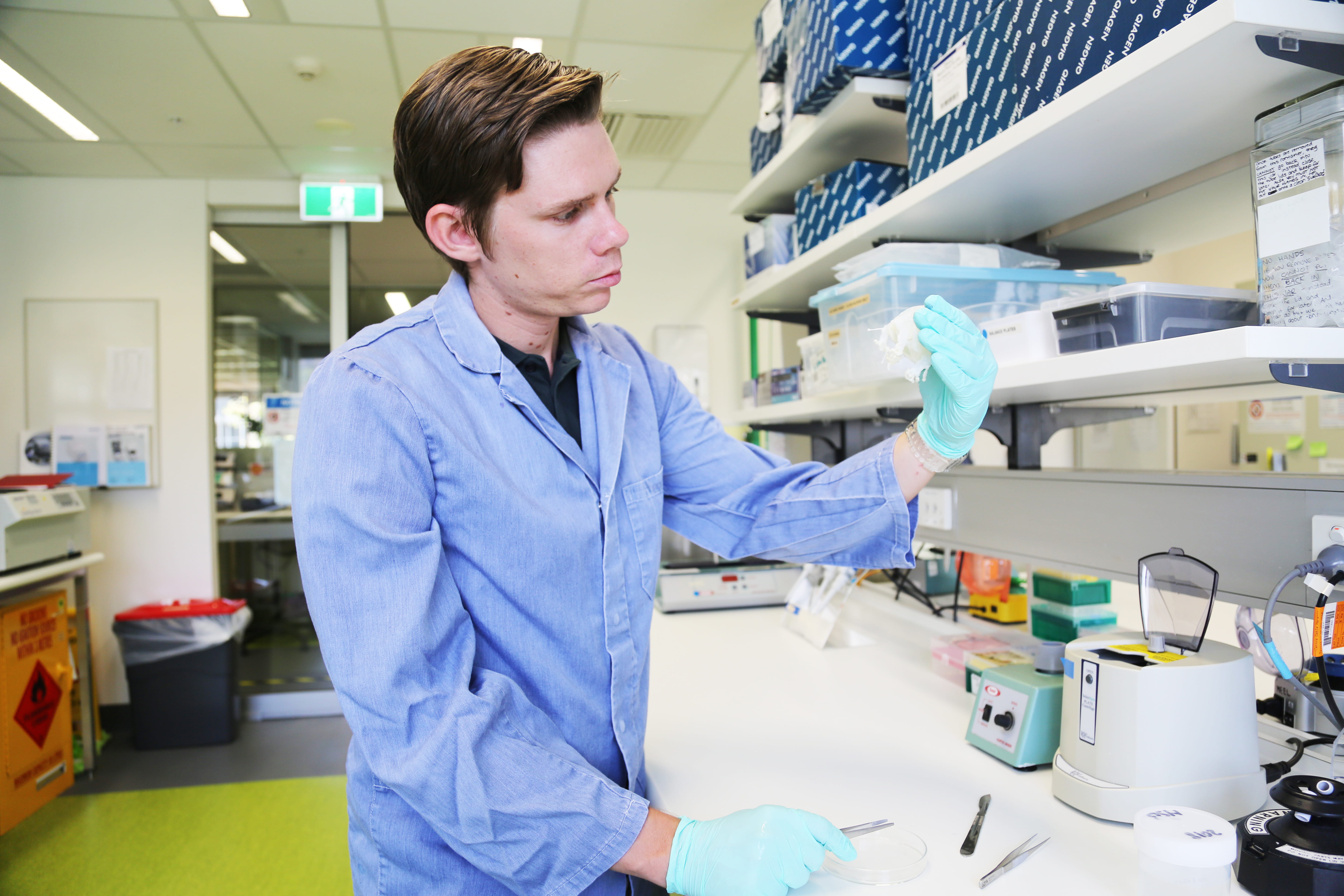
Residents of the Greater Whitsunday Region are no stranger to the burden of box jellyfish. They have no brain; they pose a deadly threat and have been nearly impossible to detect in the water – at least until now. Growing up in Bowen, Dr Scott Morrissey’s passion for marine life was fostered by the town’s beautiful beaches and the opportunities they provided for underwater exploration. “I spent as much time as I possibly could underwater. I wanted to learn as much as I could about what I was seeing,” Scott said. With a robust education courtesy of Bowen State High School, Scott was able to foster his passion for marine life. Hig “Chemistry is okay but it’s like cooking to me. Physics was too much math. Biology was what I really enjoyed. It’s about building an understanding of how everything works together and why things are happening in the environment. It’s great learning biology because you can go outside and apply what you’ve learnt immediately. It definitely resonated with me.” Scott’s classic North Queensland grievances towards the threat of box jellyfish influenced a unique study path that eventually led him to producing groundbreaking research. “Box jellyfish are a huge pain in the backside, especially in summertime when you want to snorkel. The more I looked into jellyfish, the more I realised we actually know very little about them considering the threat they pose. So thought it would be a pretty cool place to start asking questions.” Following his undergrad studies at James Cook University in Townsville, Scott pursued further studies through a PhD leading to monumental research breakthroughs in the realm of jellyfish. “Jellyfish are basically invisible in the water. We know very little about what causes them to appear, when they’re going to appear and how many of them will be there. I wanted to try and create a new way to be able to detect them.” Scott applied general characteristics of biology to investigate the phenomena further. “When animals move through an environment, they leave behind their DNA in the form of things like skin, snot or blood. It’s like how forensic scientists scan for DNA at a crime scene. Our method is quite similar. We take two litres of water and filter it down, leaving us with a soup of DNA that’s been left behind by all animals in the area. We search through that and look to see if there is any jellyfish DNA and we use that as a means of detection.” This research will aid in risk management and monitoring safety around beaches. “The more we understand about them and what they’re doing – the better equipped we are to assess and manage risk. With normal species there is so much information related to population figures and movement that we don’t have with jellyfish. If we’re able to fill in that gap of knowledge, then we will have a complete understanding so that we can actually forecast likelihood of jellyfish in the area with greater accuracy.” The research is will also have broader application on both national and international levels. “We’ve been working with another group in Western Australia. They also have really nasty Irukandji jellyfish that love to sting tourists. We’ve been able to apply the technology to that species and it’s starting to be picked up internationally. There’s work being done in Thailand. The hope is we can continue the research and start looking at things such as are box jellyfish moving South.” Scott shows no signs of slowing down as he continues to consolidate his work. “I would love to be able to conduct our lab work on site to reduce delays. If we can test the water straight away, then we can get an answer on site in three hours as opposed to the three to four days it would take in a lab. I would love to get the process down to an hour or even 45 minutes. It would be great to even develop some sort of user-friendly tool that anyone could use.” Scott expressed gratitude to the support he’d received for his work. “I need to say thanks to Lions Australia, they fund 99% if this research.” The Bowen and greater Whitsunday community look upon Dr Morrissey with pride and keenly anticipate the amazing work he will no doubt continue to do. Captions Scott AKA Dr Morrissey – hard at work. Photo supplied
Read the full story
ANZAC Day is one of the most important days on our calendar as a time for us, as a community, to pause, reflect and come together. Across the Whitsundays, services will be held in towns and communities from Bowen to Proserpine, Airlie Beach to Collinsville, and in our smaller rural areas. These gatherings are a chance for all of us to stand side by side and honour those who have served our nation and those who never returned. As Mayor, I have the privilege of representing our community at these services, but ANZAC Day belongs to everyone. It belongs to the families who have carried the legacy of service through generations. It belongs to the veterans who continue to serve our community in different ways. And it belongs to every resident who takes a moment to remember the sacrifices that have shaped the freedoms we enjoy today. Here in the Whitsundays, service and sacrifice are not distant concepts, they are part of our local story. From Gallipoli to the Western Front, from the Pacific to more recent conflicts, generations of Australians have answered the call to serve including men and women from right here in our region. This year, we also recognise the theme “Women in Service” acknowledging the vital role women have played, and continue to play, in defending our nation and supporting our communities. Among them are people like Commander Natasha Burney, who has ties to the Whitsunday community and served in Afghanistan — a reminder that the ANZAC spirit lives on in people from communities just like ours. Their stories remind us that the ANZAC spirit is not something distant, it is part of who we are as a community. ANZAC Day is also about connection. Standing shoulder to shoulder at a dawn service. Watching the march. Sharing a quiet moment with family, friends and neighbours. These traditions matter. They ensure that the service and sacrifice of past and present servicemen and women is never forgotten and that future generations understand the cost of the freedoms we often take for granted. Bring your family. Bring your children. Help pass on the meaning of this day to the next generation. Because remembrance is not just about looking back, it’s about ensuring those stories and values continue into the future. This ANZAC Day, let’s stand together as a community, united in respect and gratitude. Lest we forget.
Read the full story
Last week, the Whitsundays Chamber of Commerce and Industry represented the region’s business community at a roundtable with the Queensland Minister for Small and Family Business, Steve Minnikin, alongside the Queensland Small Business Commissioner, Queensland Cross-Border Commissioner, peak state and national industry bodies, and regional Chambers of Commerce. The roundtable provided an important opportunity for knowledge exchange, bringing forward real-world examples and discussing targeted, practical interventions to address both the short- and long-term impacts of the current fuel situation. The Chamber’s focus was clear: ensuring a strong regional perspective was part of the conversation. Being at the table means more than representation, it’s about shaping outcomes. By engaging directly with decision-makers, the Chamber ensures local priorities are heard, understood, and acted upon for the benefit of the entire Whitsundays community. Chamber President Allan Milostic said it was critical the region remains at the forefront of discussions. “These conversations are where real advocacy begins. Being part of these discussions ensures the concerns of our region are not only heard but can be elevated at both state and federal levels where decisions are made,” he said. Data from Business Chamber Queensland highlights the scale of the issue, with 95% of Queensland businesses reporting impacts, and more than 70% experiencing major or severe challenges. Allan said the situation is rapidly escalating for regional communities. “We are hearing from businesses experiencing supply chain challenges more significant than those during COVID lockdowns. Flights into the region are being reduced, impacting both tourism and freight. At the same time, consumer confidence is being reported lower than during COVID, affecting discretionary spending and travel commitments, with a noticeable shift toward online purchasing,” he said. “The high cost of living and high cost of doing business existed before the fuel crisis, they are now being amplified.” Locally, the impacts are being felt across all sectors, with flow-on effects for businesses, workers, and the broader community. The Chamber is encouraging practical, community-led responses: Shop local first to keep the regional economy viable. Take a measured approach to fuel purchasing to avoid unnecessary strain on supply. Maintain critical services such as public and school bus networks. Support young people, trainees, and apprentices to access transport to work. For businesses to seek professional financial advice and be cautious of predatory lending or quick loan offers. The Chamber is also reinforcing key advocacy priorities, including: Fuel security — addressing both pricing and supply, including sovereign capability and international supply chains, to ensure certainty for agriculture, tourism, health, and transport sectors. Access to reliable, real-time information — including clear, centralised public reporting to support informed decision-making at a regional level. Have Your Say To strengthen its advocacy, the Chamber is calling on regional businesses to share their experiences. Businesses are invited to complete a short survey to help inform ongoing advocacy efforts and ensure the real impacts of the fuel crisis are clearly communicated to all levels of government. Contributed with thanks to the Whitsunday Chamber of Commerce and Industry
Read the full story

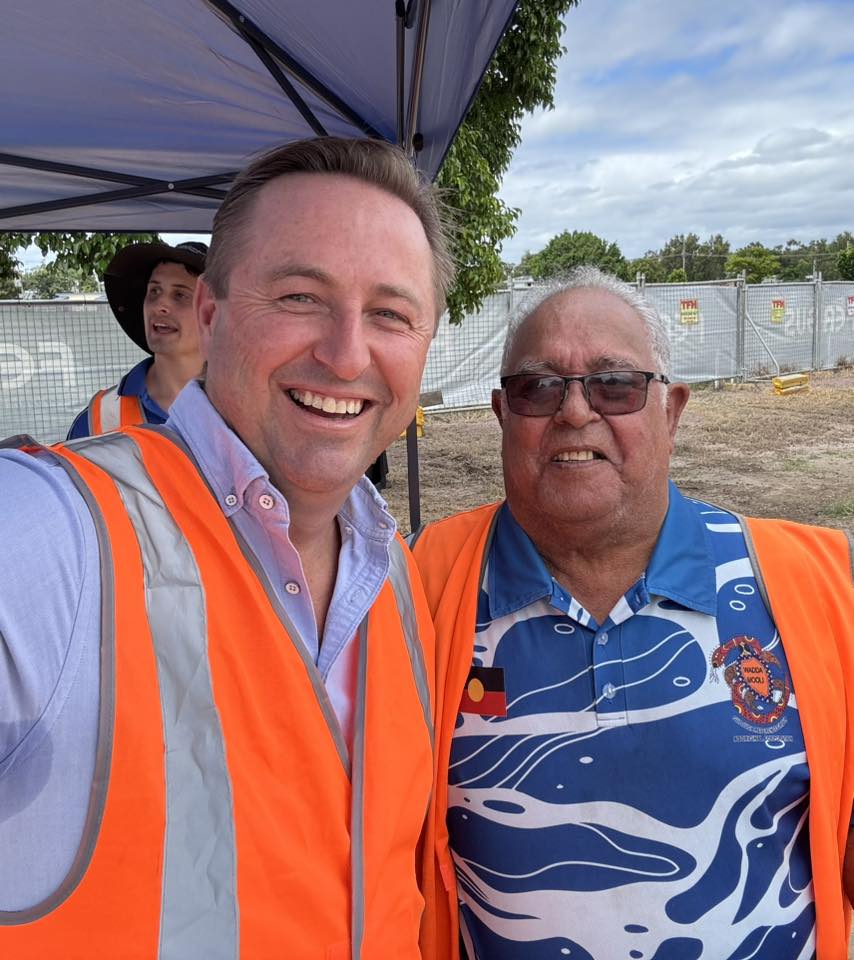
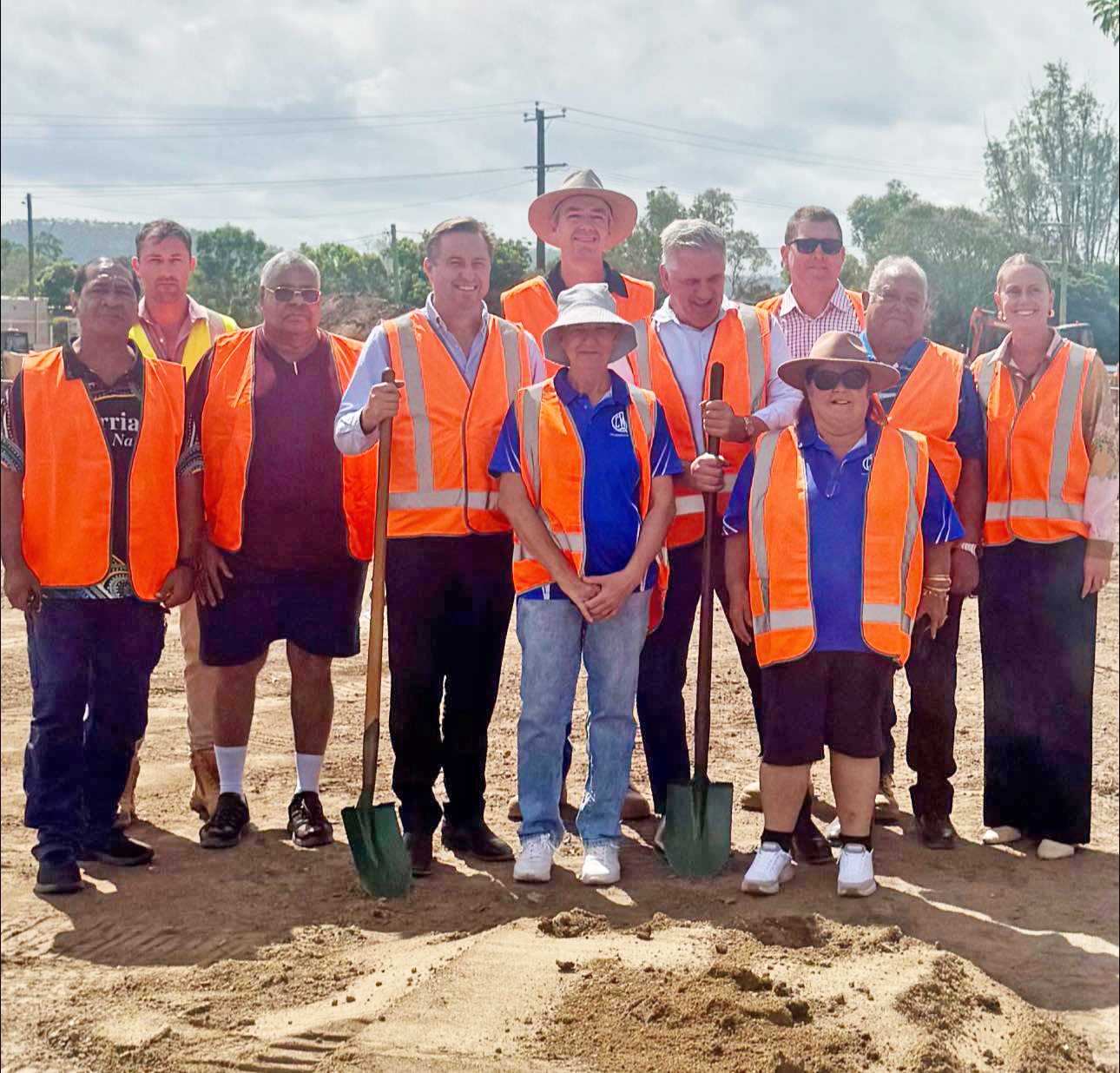
A milestone was marked in Collinsville on 2nd April, when Whitsunday Regional Council officials, Birriah Elders and community members met for a turning the sod ceremony for the new Collinsville Community Hub.
The event brought together Minister Dale Last - Member for Burdekin, Cr Michelle Wright - Division 4, Whitsunday Regional Council, Birriah Elders including Uncle Jim Gaston, and other interested locals.
A traditional smoking ceremony took place, in what Mayor Ry Collins called ‘a meaningful way to acknowledge the cultural significance of the site and mark this important step forward.’
“It’s fantastic to see construction already underway on this important Council project, which will revitalise a long-standing community space and deliver a modern hub for local groups, activities and connection,” Mayor Ry Collins shared.
“This project is about more than just a building — it’s about supporting the volunteers, organisations and community leaders who make Collinsville such a strong and resilient town.”
Once complete, the hub is intended to provide a welcoming home for the whole Collinsville community.
This project was supported through the Resources Community Infrastructure Fund.
“Our region has more than $20 billion worth of resources either mined or moving through our ports each year, and it’s important that we get our fair share and the royalties generated from this are invested back into our communities through projects like this,” Mayor Collins added.
“Looking forward to seeing this facility take shape over the coming months and the benefits it will bring for years to come.”
1- Mayor Ry Collins and MP Dale Last turn the sod.
2- The event brought together Whitsunday Regional Council with Birriah Elders and other interested locals.
3- The new hub is intended to provide a welcoming home for the whole Collinsville community. Photo source: Facebook

More Queenslanders are stepping onto the property ladder, with the State Government expanding its Boost to Buy scheme and opening a second round of applications.
The program, designed to support first home buyers, has already helped 150 Queenslanders secure their first home since its launch, with an additional 500 places now being made available.
Under the scheme, eligible buyers can access a government equity contribution of up to 30 per cent for new homes and 25 per cent for existing properties, helping bridge the gap for those struggling to save a deposit.
Treasurer and Minister for Home Ownership David Janetzki said the response to the initiative had been strong.
“We are delivering more Queenslanders a place to call home through Boost to Buy," Treasurer Janetzki said.
“We're delivering what we promised – the right plan to unlock homeownership opportunities across Queensland.”
Applicants are required to have a minimum two per cent deposit and meet income thresholds, with half of all places reserved for regional Queensland buyers.
First home buyers Mitchell and Samantha Stanger said the scheme had made a significant difference for their young family.
“Even though we were working hard and saving, the deposit gap kept owning a home out of reach,” Mr Stanger said.
“With the Government’s equity contribution, we were able to buy and have payments we can manage and ultimately have the security of knowing we have a place to call home.”
The scheme forms part of a broader package of housing measures, including the First Homeowner Grant and stamp duty concessions, aimed at improving access to home ownership across the state.
Real Estate Agent Hands Over House Stock Photo 2212647767 | Shutterstock
CAPTION: The Government is delivering a place to call home for more Queenslanders by adding an additional 500 placements into its nation-leading home-ownership scheme, Boost to Buy. Photo source: Shutterstock

More Queenslanders could soon find the door to home ownership opening a little wider, with the second round of the State Government’s Boost to Buy now open for applications.
The scheme, introduced by the Queensland Government, helps first home buyers enter the property market sooner by providing an equity contribution toward the purchase price of a home.
In the first three months since the program launched, 150 buyers have already secured their first homes. The government has now expanded the initiative with an additional 500 places available as part of the program’s broader commitment of $330 million to deliver up to 2,000 placements over three years.
Under the scheme, the government contributes up to 30 per cent of the purchase price for new homes and up to 25 per cent for existing homes. To be eligible, buyers must have saved at least a two per cent deposit and purchase a property valued at $1 million or less.
Half of all placements are reserved for buyers living in regional Queensland, ensuring communities outside the south-east corner also benefit from the initiative.
Applicants must also meet income thresholds of up to $150,000 annually for single purchasers or $225,000 for households with two adults or singles with dependants.
Treasurer and Minister for Home Ownership David Janetzki said the program was already delivering results for aspiring homeowners.
“We are delivering more Queenslanders a place to call home through Boost to Buy, after the former Labor Government shut the door on the dream of home ownership,” he said.
Aspiring homeowners Mitchell and Samantha Stanger said the program helped turn their plans into reality after years of saving while living with family.
“With the Government’s equity contribution, we were able to buy and have payments we can manage and ultimately have the security of knowing we have a place to call home,” Mr Stanger said.

April brings a welcome shift in pace. With school holidays, long weekends and cooler nights settling in across Australia, it is the perfect time to plan a getaway or reconnect with family and friends. Whether you are heading up the coast, flying interstate or escaping for a quiet weekend away, travel should leave you feeling refreshed, not run down. For those living with sleep apnea, that starts with staying consistent with your CPAP therapy.
It might feel easier to leave your CPAP at home, but even one night without therapy can lead to poor sleep, snoring, headaches and daytime fatigue. Bringing your device ensures you stay rested, energised and ready to enjoy your trip. The good news is that travelling with CPAP is easier than ever, and with a little preparation, it can fit seamlessly into your plans.
Many people choose to travel with their everyday device, while others opt for a smaller, more portable model that is easier to pack and carry. If you are flying, keep your CPAP in your carry on, as most airlines classify it as medical equipment. For road trips or camping, a reliable power source or compatible battery will help keep your therapy running smoothly.
At CPAP Direct, we believe your therapy should support your lifestyle, not limit it. To get travel ready, visit cpap.com.au or call 1300 133 298 and rest easy wherever your travels take you.
Contributed with thanks to CPAP Direct.

The Queensland Farmers’ Federation, our peak body members and corporate partners remain concerned by the on-farm impacts of global tensions in the Middle East.
The Federal Government recently committed to establishing a dedicated fertiliser taskforce and is exploring mechanisms to underwrite fertiliser shipments to stabilise supply chains. National Cabinet also agreed to the National Fuel Security Plan aimed at coordinating a consistent response across the Commonwealth, States and Territories. The Plan outlines indicative policy settings across four levels, outlining individual, Commonwealth and State and Territory actions, including the potential for fuel rationing at level four.
The Government has also halved the fuel excise, reducing the cost of petrol and diesel by 26.3 cents for three months, with the heavy road user charge also reduced to zero during the same period to relieve freight costs.
QFF CEO Jo Sheppard said that while the reduction in the fuel excise will do little to assist farmers, QFF supports the government’s clear message acknowledging the importance of diesel and fertiliser to the national economy, noting that planning ahead is essential if we are to be in a position to support Australians through the impact of the global energy shock.
“Australia is lucky enough to be home to some of the best energy resources in the world – gas, oil, coal, sun, wind and a significant bio-energy opportunity. A National Fuel Security Plan should not just be something we pull out during times of crisis but should be a long-term strategy with key implementable milestones so that we are continually building our sovereign energy capability,” Ms Sheppard said.
“As a nation we have been complacent. We can be complacent no more.”
CANEGROWERS Australia Chief Executive Dan Galligan said the situation highlights how exposed Australia remains to global fuel shocks.
“Australia imports the vast majority of the fuel we use, and much of it moves through some of the most volatile regions in the world,” Mr Galligan said. “Ethanol made from Australian crops like sugarcane can replace a portion of imported petrol and provide a reliable domestic supply. An enforced E10 mandate would mean around 10% of the fuel Australians use could be produced right here at home rather than shipped in from the other side of the world.”
Cotton Australia General Manager Michael Murray said while most cotton growers appear to be getting their required diesel eventually, the cost is putting huge pressure on financial sustainability.
“We should have learnt a lesson from COVID-19, and we really must learn it now, we must boost our sovereign capability to produce inputs that are vital for our economy,” Mr Murray said.
Queensland Fruit & Vegetable Growers (QFVG) CEO Scott Kompo-Harms GAICD said horticulture producers are already operating under sustained cost pressures, and the current global disruptions are pushing many businesses to breaking point.
“Queensland horticulture growers have been dealing with rising input costs for years, but surging fuel prices, transport levies, and emerging shortages of critical inputs such as plastics and fertilisers are now compounding those pressures in a way that is simply unsustainable,” Mr Kompo-Harms said.
QFF and our peak body members are continuing to seek real time feedback from farmers and communities and are working with industry and government to support practical responses as the situation evolves. Farmers are encouraged to report supply issues to their peak industry body.

In a twist that might surprise any traditional Queensland home builder, new research suggests some of the region’s smallest residents prefer concrete apartments to timber dwellings.
Scientists studying the tiny Robust Whistling Frog (Austrochaperina robusta) have discovered the elusive ground-dwelling amphibians are happily moving into specially designed artificial shelters, and even raising their families there.
The findings, published in Ecology and Evolution, reveal that hundreds of the frogs used the structures throughout their entire life cycle, from egg to adulthood.
Lead author and James Cook University PhD candidate Jordy Groffen said the shelters were created to mimic the frogs’ natural hiding spots beneath rocks and fallen logs.
“We knew they normally live under rocks and logs … so we found fallen trees on-site and chopped them into the right size,” he said.
While some shelters were made from timber, others were crafted from concrete.
“The concrete ones were made here at the University. They’re boulder-sized and have six chambers with multiple passages … like six-pack apartments. Some of them had beautiful moss growing over them.
“The frogs liked the shelters more than we expected. It’s a new non-invasive way to monitor and help frog populations”.
Over the course of the study, researchers recorded more than 800 frog observations, with one survey turning up an impressive 45 residents.
“Although they used them straight away, it still took two years before they bred in them … they had to settle in a bit. But when they did breed in them, they loved it,” Mr Groffen said.
“We found both males and females and we also found eggs in them. We had one male with three nests in a single season. That was great because we know very little about their egg stage.”
Traditionally, frog monitoring relies on listening for mating calls – a method that only detects adult males.
“Normally you only find eggs by flipping things over, which can damage the micro habitat. There’s a chance you might hurt the frogs or their eggs,” Mr Groffen said.
“These frogs are only two centimetres long and brown, living in the leaf litter. We thought that if we make something they actually enjoy, they might come to us instead.”
Tiny temperature loggers placed in the shelters also revealed why the frogs might favour their concrete digs.
“In the winter or dry season in Paluma it can still get below 10 degrees. The concrete shelters warm up bit more and stay warmer for longer, a bit like passive housing,” he said.
“Previously we didn't even know where they were in the dry season. Now we know there are more frogs under the concrete shelters in the dry season than in the hotter wet season.”
While the Robust Whistling Frog is not currently threatened, the research may offer valuable tools for protecting other vulnerable ground-dwelling species.
A Robust whistling frog tending to its eggs. Photo source: JCU / Credit J.Groffen

Australia’s sugarcane industry is facing mounting pressure just weeks out from harvest, with growers reporting they have access to only around five per cent of the fuel required to complete the crush.
At the same time, fertiliser supply is becoming increasingly uncertain, raising concerns not only about this year’s harvest, but the viability of next season’s crop.
A new supply chain impact report compiled by CANEGROWERS, with input from industry organisations and farmers across Queensland and New South Wales, paints a stark picture of the challenges facing the sector. The report reveals that uncertainty around fuel and fertiliser is already influencing on-farm decision-making, with growers reassessing plans in response to rising costs and limited availability.
CANEGROWERS surveyed growers across Queensland and worked alongside NSW Cane Growers and sugar manufacturers to develop a national overview. The findings show up to 98 per cent of growers are concerned about shortages and escalating prices, with the cost of key inputs now exceeding the global sugar price many producers are exposed to.
Fuel has emerged as the most immediate concern, with almost a quarter of growers unable to secure the volumes they require. Meanwhile, nearly 90 per cent say they are already altering or reconsidering farm operations due to ongoing uncertainty.
CANEGROWERS CEO Dan Galligan said the findings confirmed that global supply pressures are now being felt directly on Australian farms.
“This is not a theoretical risk – it is already changing how growers make decisions on farm,” Mr Galligan said.
"And that shows how astute their risk management practices are, and how fair ahead farmers need to plan. This is about income at risk this season and production at risk next season."
He warned the consequences would extend well beyond the farm gate.
“When production drops, the impact doesn’t stop at the farm gate – it flows through to harvesting contractors, transport operators, sugar manufacturers and local businesses right across regional Queensland and Northern NSW.
“At a broader level, reduced production means less export income and more pressure flowing through the economy at a time when Australia can least afford it.”
Mr Galligan said CANEGROWERS was working closely with government and industry to minimise disruption and ensure agriculture is prioritised in fuel supply decisions.
“Our job is to make sure growers are not left at the back of the queue when supply tightens,” he said.
“We’re working directly with State and Federal governments to ensure agriculture is prioritised in fuel supply decisions, provide real-time data on shortages, and coordinate an industry-wide response so there are no gaps in how the sector responds.”
Efforts are underway across multiple levels, including engagement with the Queensland Government’s Emergency Management Response Group, collaboration with the National Farmers’ Federation, and coordination with manufacturers, marketers and terminal operators across the sugar supply chain.
However, Mr Galligan said the situation had exposed deeper structural issues, prompting frustration among growers.
“Australia is not short of fuel options, but we are not using them effectively,” he said.
“We have domestic capacity – particularly in ethanol – sitting underutilised, and without clear policy settings that will not change.
“A properly enforced national E10 mandate would help drive investment, increase domestic production and reduce our reliance on imported fuel and a strategy driver for diversification into biodiesel and rebuilding domestic fertiliser production is clearly needed.”
He said without decisive action, similar challenges would continue to threaten the industry.
“If we want to avoid being in this position again, fuel and fertiliser security need to be treated as a national priority, not an afterthought, issues we have known but seen ignored for decades, now we are paying the price.”
CAPTION: Events in the Middle East might seem a long way from Queensland’s cane paddocks, but they are a timely reminder of how exposed Australia is when it comes to fuel. Photo source: CANEGROWERS

Fatal Crash Near Marian Claims 24-Year-Old Life
A 24-year-old Marian man has died and a 44-year-old Eton man remains in critical condition following a late-night crash in the Pioneer Valley. Police were called to Marian Eton Road around 11.30 pm on 1 April after a Toyota Landcruiser reportedly left the roadway, rolled, and struck a power pole. The driver suffered life-threatening injuries and was pronounced deceased at the scene. The passenger was rushed to hospital with serious injuries. Investigations by the Forensic Crash Unit are ongoing, and police are urging anyone with dashcam or CCTV footage relevant to the incident to come forward.
Serious E-Bike Crash Under Investigation In Andergrove
Police are investigating a serious single-vehicle crash that left an Andergrove man with life-threatening injuries earlier this week. Emergency services were called to Celeber Drive in Andergrove about 4.20pm on April 6 following reports a rider had fallen from an electric bike. Initial information indicates the 56-year-old Andergrove man was travelling south-west along Celeber Drive when he fell from the device. The rider sustained life-threatening injuries and was taken to Mackay Base Hospital in a critical condition. He was later airlifted to Townsville University Hospital for further treatment. Investigations are still ongoing. Anyone who witnessed the incident, or who may have relevant dashcam or CCTV footage, is urged to contact police.
Photo source: Queensland Police Service

A quiet little kitten with a curious gaze is hoping to find a loving home.
Ellie may be small, but she has a big personality quietly shining through. Often found perched in the perfect lookout spot, this fluffy youngster likes to take in the world around her, carefully observing every movement, toy and snack within sight.
While Ellie can be a little shy when meeting new people, those who spend time with her soon discover a sweet and affectionate kitten who enjoys being close to her humans once she feels safe and settled.
Rescue volunteers say Ellie would do best in a calm, caring home where she can relax, watch the world go by and enjoy plenty of gentle attention. A friendly feline companion could also suit her well.
With her soft, wonderfully fluffy coat and thoughtful nature, Ellie is a kitten who simply needs the right family to help her confidence grow.
Ellie is currently available for pre-adoption and is ready to begin her next chapter with a family of her own.
Anyone interested in giving Ellie a forever home is encouraged to contact Janet from Mackay Pet Rescue Incorporated on 0423 768 805 to express their interest.
Photo source: Mackay Pet Rescue Incorporated

Mackay residents are being encouraged to roll up their sleeves for their annual flu vaccination, with the Queensland Government again making the vaccine free this year.
Member for Mackay, Nigel Dalton said the message for the community is simple as winter approaches.
“The message is to get your flu jab ahead of winter,” he said.
“It’s a really difficult disease to get through, and when you’ve got elderly people in the community, you don’t want to pass it on to them.”
Mr Dalton said residents should speak with their GP to determine whether the vaccination is suitable.
“The idea is that you consult with your GP and, if it’s the right thing for you, come and get your free flu jab either at the pharmacy or at a doctor’s clinic,” he said.
After receiving his own vaccination, Mr Dalton said the process was quick and easy.
“It was absolutely painless. It’s so easy and so quick. It just takes a couple of minutes out of your day and you know you’re protected for the coming winter.”
He also highlighted a needle free option available for young children.
“There’s a nasal spray now, and I believe it’s for under-fives which is a really good alternative.”
Owner and pharmacist Jie Lu van der Horst from Express Pharmacy Mackay said getting vaccinated each year helps protect both individuals and vulnerable members of the community.
“It’s really good to get the flu shot every year to protect yourself and also protect those who are vulnerable in the community,” she said.
“That includes the elderly, little children and anyone who is immunocompromised or chronically ill.”
She said the free program has made vaccination more accessible.
“As the owner of a local community pharmacy, I have to applaud the Queensland Government for making this program free for everyone this year so that it’s accessible to everyone.”
Ms van der Horst said the process is simple and convenient.
“It takes less than five minutes. You can come to your local community pharmacy or GP clinic, fill out an easy questionnaire and receive your flu shot.”
She added that the vaccine protects against influenza specifically, while COVID booster vaccinations are also available.
Nigel Dalton MP received his flu vaccination from pharmacist Jie Lu van der Horst and is encouraging the community to speak with their GP or local pharmacy about getting their free flu jab ahead of winter. Photo credit: Hannah McNamara

Mackay State High School sent a team of Year 12 students to camp on Konomie Island recently to collect data for their Biology assessment.
Students got to explore a number of different sites across the island, even donning snorkels to learn about the sea.
The trip was a chance to gather data about the natural environment, whilst gaining many valuable lifelong skills in the process.
The trip was a demonstration of how the rich landscape of the Mackay region can offer our young ones unique chances to interact with nature and engage with the natural world.
Photo source: Mackay SHS



A miniature park, or ‘parklet’, will be installed this week that will bring more shade, greenery and community activity to the Bluewater Quay.
The temporary placemaking intervention will remain in place for about three months and will act as a trial to test community sentiment and public use of the area.
Mayor Greg Williamson said the parklet was a quick win to help continue the reactivation of the Riverfront Precinct.
“We’ve had some tremendous success lately with the Riverfront Action Plan,” Mayor Williamson said.
“This plan began with extensive collaboration between council and State support agencies to engage with homeless people in the area and make it safe, tidy and welcoming for the public,” he said.
“We then moved to the activation phase which saw a fee-free food truck and recreation provider trial, which has seen hundreds of people flocking to the area on the weekends, especially on Saturday mornings.
“This parklet trial directly responds to community feedback gathered during engagement on the Mackay Waterfront Place Strategy.
“The community told us they wanted more shade, more greenery and more reasons to spend time at Bluewater Quay.
“This temporary parklet is a practical way to test those ideas on the ground, activate the space and see how people use it before considering longerterm options.”
The parklet has been designed and supplied by specialist placemaking company Future Village, using highquality temporary furniture and greenery to create an inviting, flexible space for locals and visitors.
Mayor Williamson said the project would support communityled activations and complement existing events at the waterfront.
“We’re working closely with market convenors and local community stakeholders to ensure this space supports a range of activities,” he said.
“It’s about creating a place where people can meet, relax and connect, whether they’re attending a market, hosting a small group activity or simply enjoying the river.
“This is a trial, but it’s an important one. If it proves successful, there is potential to purchase and recycle the parklet for use in other Waterfront and City Centre locations, helping us to activate various locations as needed.”
Caption: The temporary parklet is a practical way to activate the Bluewater Quay and see how people use it before council considers longerterm options. Image supplied
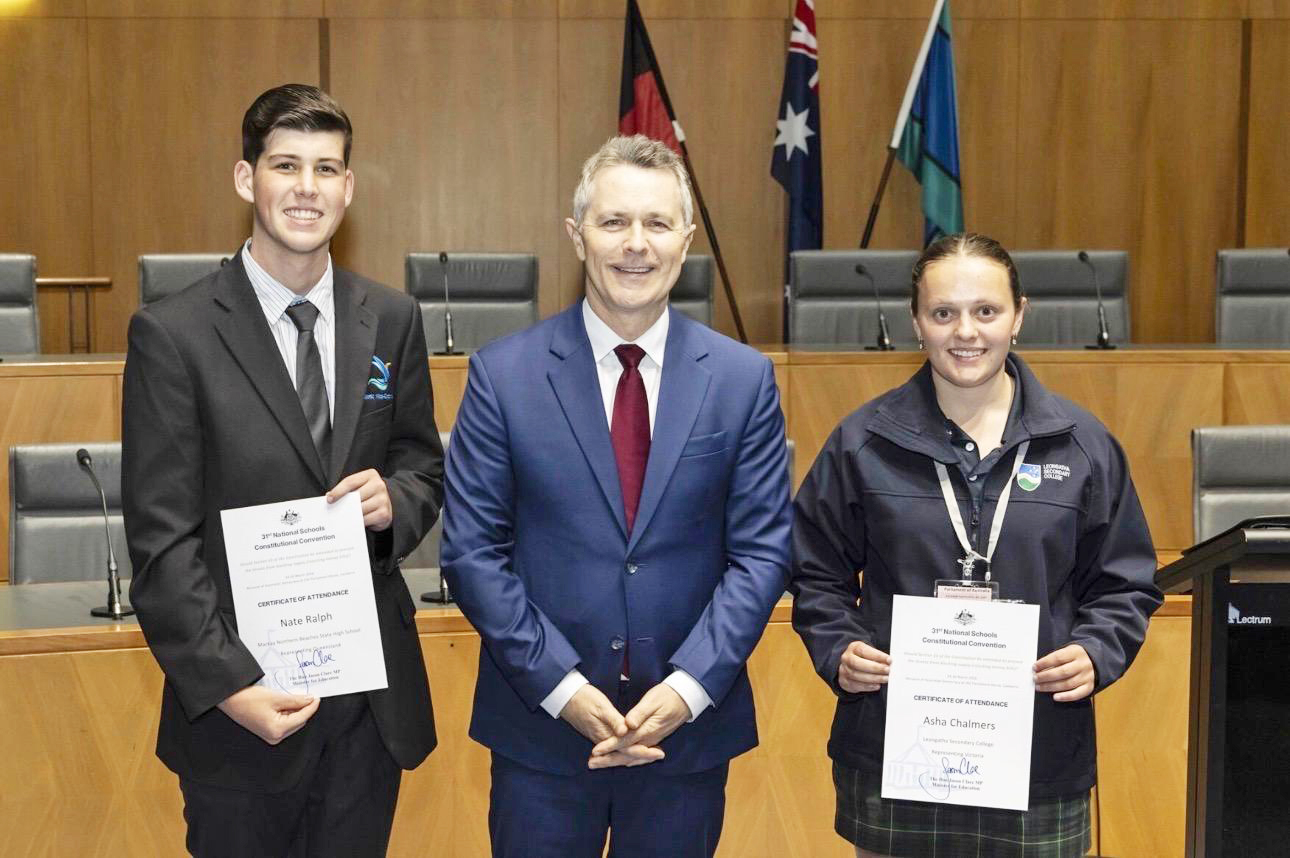
Local student Nate Ralph represented Mackay in Canberra last week, having earned a place at one of Australia’s most prestigious student forums.
The 31st National Schools Constitutional Convention was held at the Museum of Australian Democracy at Old Parliament House, bringing together more than 100 high-achieving Year 11 and 12 students from across Australia to explore the Australian Constitution and contemporary political issues.
The achievement built on an already impressive record for Nate, who previously served as the Youth Member for Whitsunday in the 30th Queensland Youth Parliament and continues to contribute locally through his role on the Mackay Youth Council, where he is serving his second term. He has also been recognised as a nominee for the 2026 Mackay Regional Council Young Citizen of the Year.
As part of the program, Nate took part in a series of high-profile experiences, including a welcome reception at Parliament House hosted by the Minister for Education, a meeting with the Governor-General, and an official dinner at the National Press Club of Australia.
Local member for Dawson Andrew Willcox praised Nate and congratulated him on the milestone.
“It is fantastic to see a young person from our region with such passion and interest in politics and the issues driving our nation's future,” Andrew said.
“This achievement is the latest in a significant string of contributions Nate has made to our community.”
Nate said the event gave him a “good insight to how the constitution works, and a deeper understanding of how it can be amended, changed, added to or removed from to better apply to Australia.”
“It’s absolutely crucial young people are involved in our decision making and have a proper understanding of our democracy so they can make informed decisions.” He added.
“This needs to be part of education curriculum.”
Nate highlighted Royalties for Regional Advancement and the decentralisation of Australia as issues he personally feels strongly about.
Looking ahead, he would like to see more regional industry profits reinvested into local communities, and advocates for boosting on-shore manufacturing across the country.
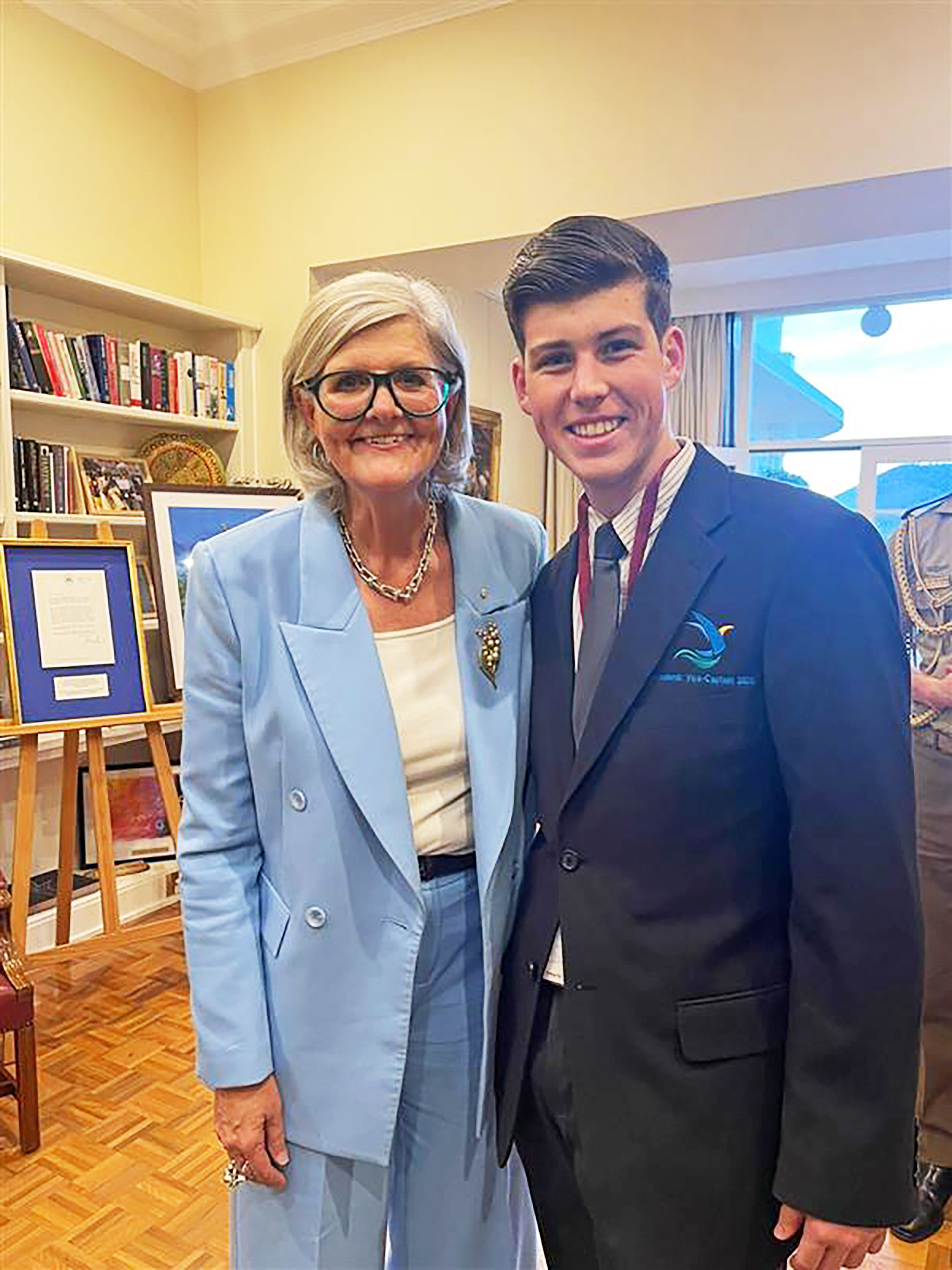
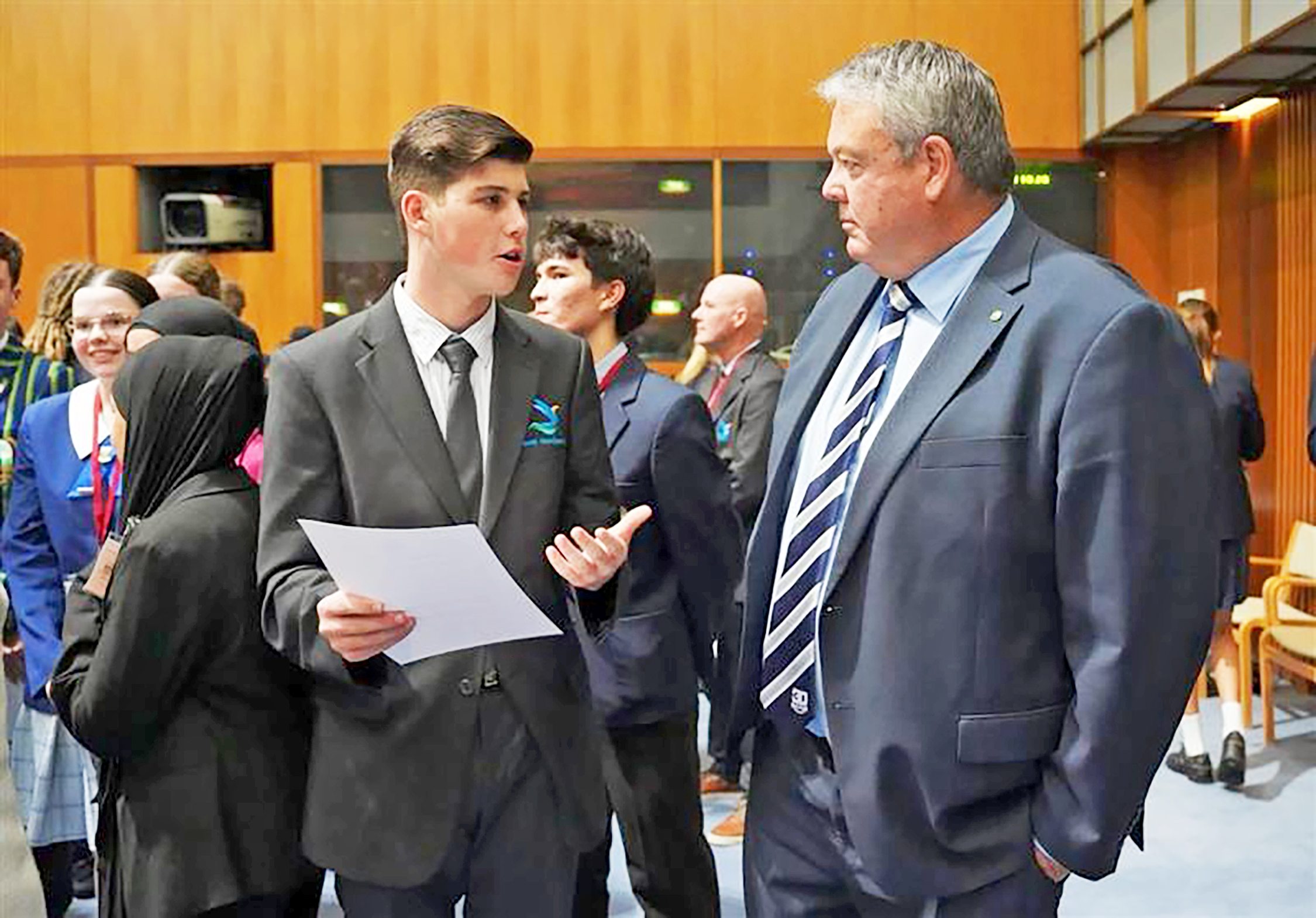
1 – Nate Ralph, Minister For Education Jason Clare, and Asha Chalmers.
2- Nate Ralph with Governor-General Sam Mostyn
3 – Nate Ralph with Federal Member for Dawson Andrew Willcox. Photos supplied
OPINION PIECE By Federal Member for Dawson, Andrew Willcox
The Coalition will strongly oppose any move by the Albanese Government to increase the size of the Australian Parliament; warning it would come at significant cost to taxpayers at a time Australians are already under severe financial pressure.
Analysis from the Parliamentary Budget Office shows that expanding the Parliament could cost taxpayers more than $620 million, including salaries, staff, travel, and office costs.
Federal Member for Dawson, Andrew Willcox, said the proposal is a direct threat to the representation of regional Queensland.
Leader of the Opposition, Angus Taylor, said the Government had its priorities completely wrong.
“At a time when Australian families are tightening their belts, the last thing they should be asked to fund is more politicians,” Mr Taylor said.
“This is a Government that cannot manage the economy, cannot control spending, and now wants to make Australians pay for a bigger Parliament. This is more spending, more bureaucracy, and more pressure on the budget at exactly the wrong time.”
Leader of The Nationals, Matt Canavan, said the proposal showed how out of touch the Government had become.
“People in regional Australia are doing it tough. They are paying more for fuel, groceries, and power,” Senator Canavan said.
“They do not want more politicians in Canberra; they want practical help with the cost of living.
“This Government is focused on itself; the Coalition is focused on Australians.”
Mr Willcox said that increasing the number of seats would further diminish the voices of regions like Dawson by shifting the balance of power toward the major cities.“This is a calculated Labor tactic to stack the deck in their favour.
“By adding more seats to urban areas with high levels of immigration and a heavy reliance on government services, they are effectively diluting the voting power of our regions,” Mr Willcox said.
“More seats in the cities means more voting power for urban centres, and that diminishes the voices of our farmers, miners, and regional small business owners.
“This city-centric ideology is already strangling the country, it will be detrimental to an Australian-made future.”
As the Shadow Assistant Minister for Manufacturing and Sovereign Capability, Mr Willcox warned that the move would erode the national identity.
“Our sovereign capability relies on a strong, independent regional Australia.
“The more we pander to imported ideologies and urban-focused agendas, the more we lose our national identity.
“The Coalition will always back our regions and fight to ensure that Dawson is not left behind by Labor’s bureaucratic expansion.”
Contributed with thanks to the office of Andrew Willcox MP.
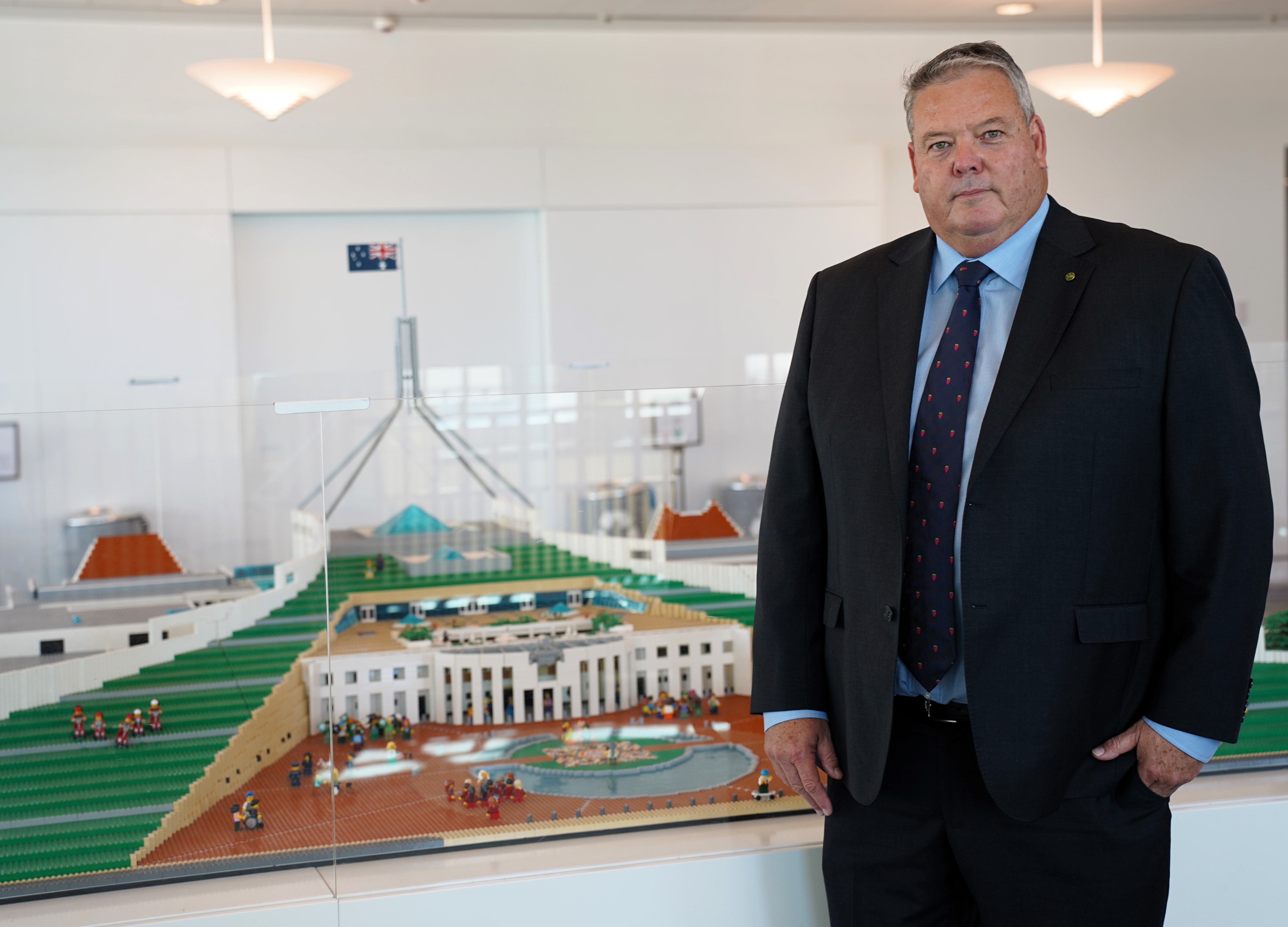
Andrew Willcox MP says making room for 28 additional politicians in Parliament won’t be as easy as simply dismantling and rebuilding this impressive LEGO model of Parliament House, which is on display inside Canberra’s Parliament House. Photo supplied.

Mackay and surrounding regions embraced the Easter long weekend with a mix of family gatherings, community events, and traditional church services. Residents took the opportunity to relax, reconnect, and celebrate the holiday in ways that suited everyone, from festive outings to quiet time at home.
Many residents enjoyed spending quality time with loved ones, whether sharing meals, enjoying the outdoors, or simply relaxing together. Local churches also saw strong attendance over Easter, as families came together to commemorate the season with reflection and worship.
Across the community, events added a festive touch for children and adults alike. Easter hunts were popular highlights, with children eagerly searching for hidden treats while parents cheered them on. At Walkerston Library, the Easter Story Time drew a crowd of families, who enjoyed stories, songs, and playful bunny antics.
Community groups also celebrated in style. Mackay VIEW Club members enjoyed a lively morning of laughter, coffee, scones, games, and friendship, with the Easter Bunny making a special appearance.
Meanwhile, the Mackay & District Senior Citizens’ Association hosted their annual Easter Ball, with attendees enjoying music, dancing, and social connection.
Whether heading out to events, participating in Easter hunts, gathering or simply staying home with family, the long weekend was a chance for families, and the greater Mackay community to come together, celebrate, and enjoy the joys of the season.

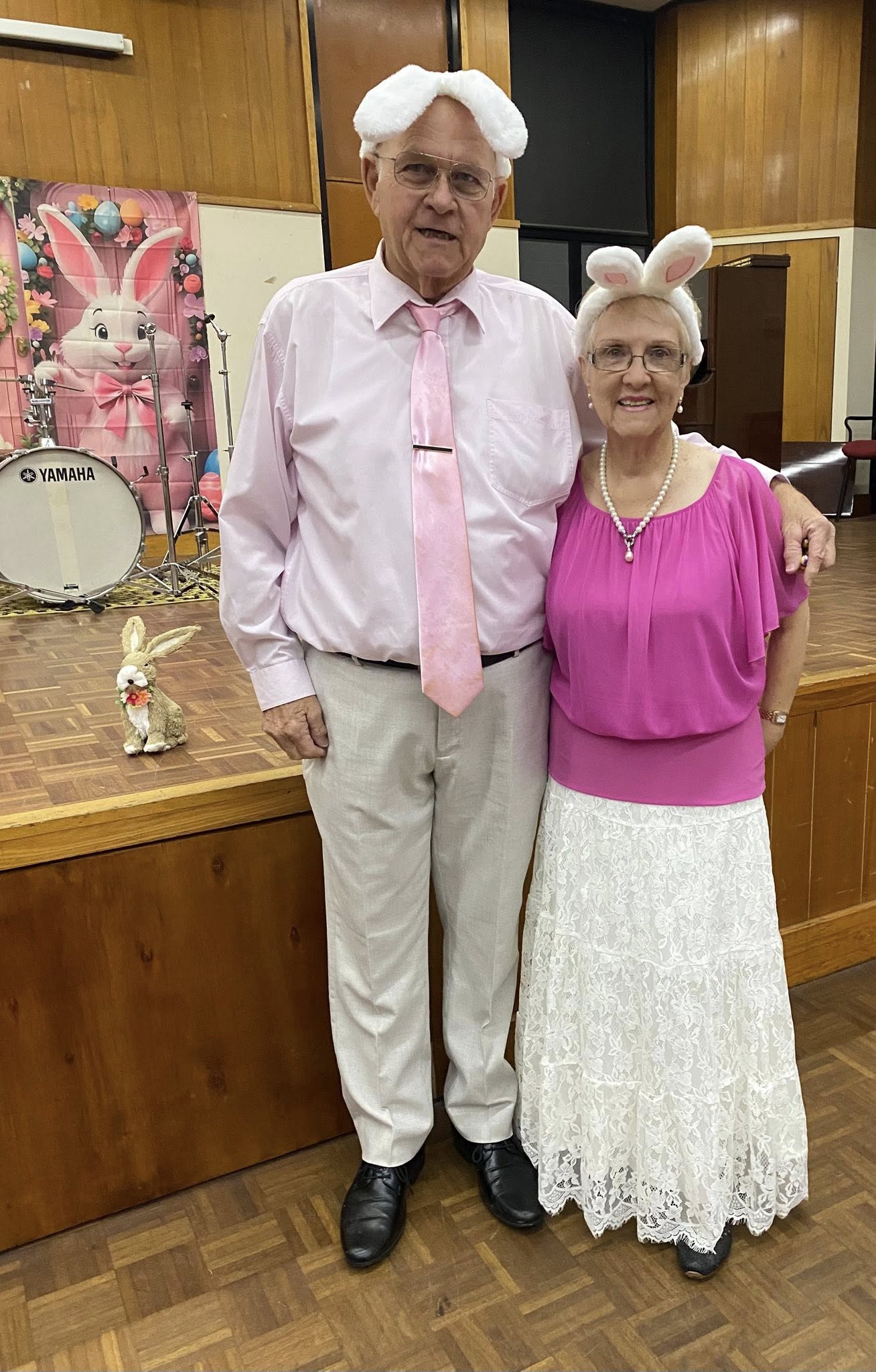
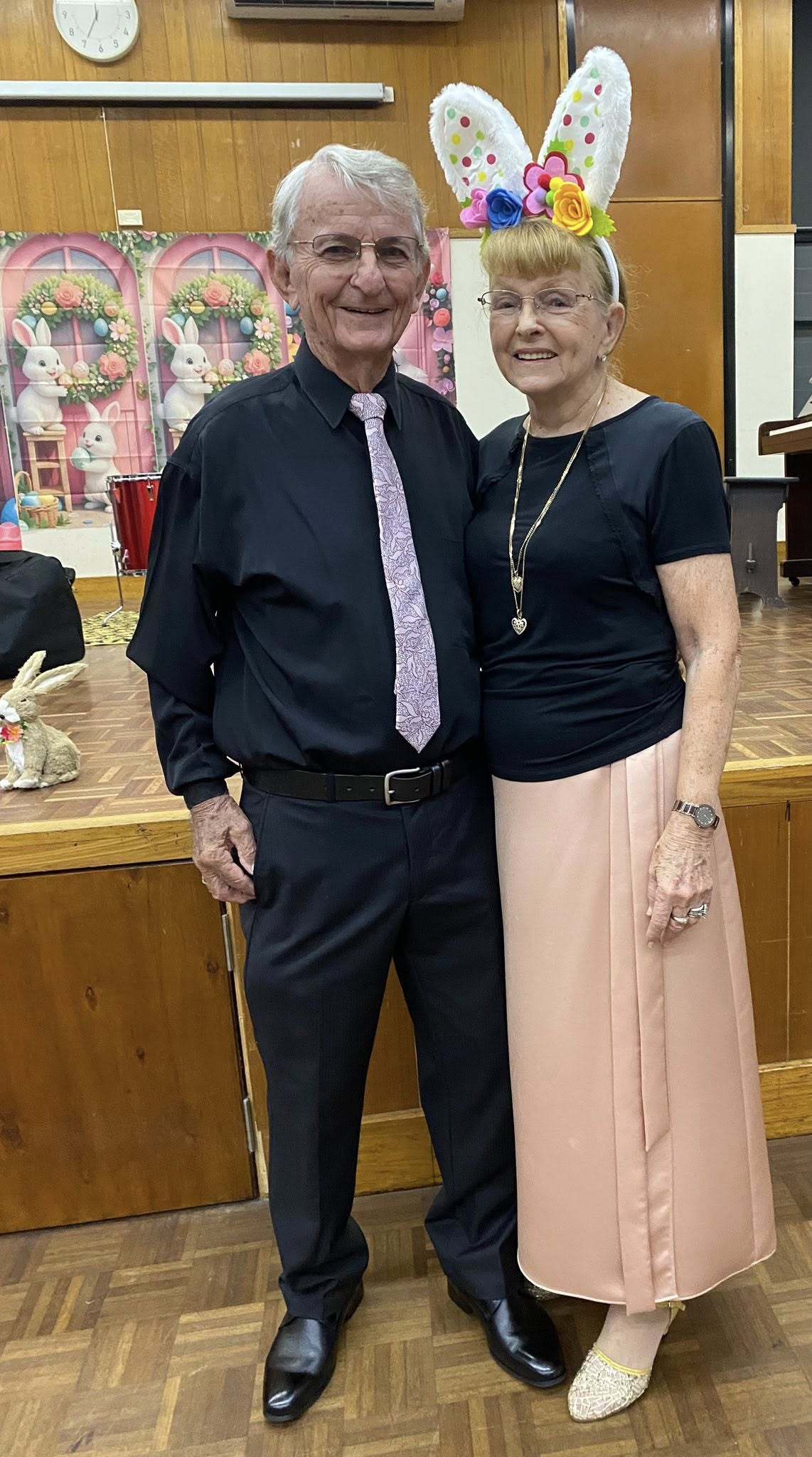
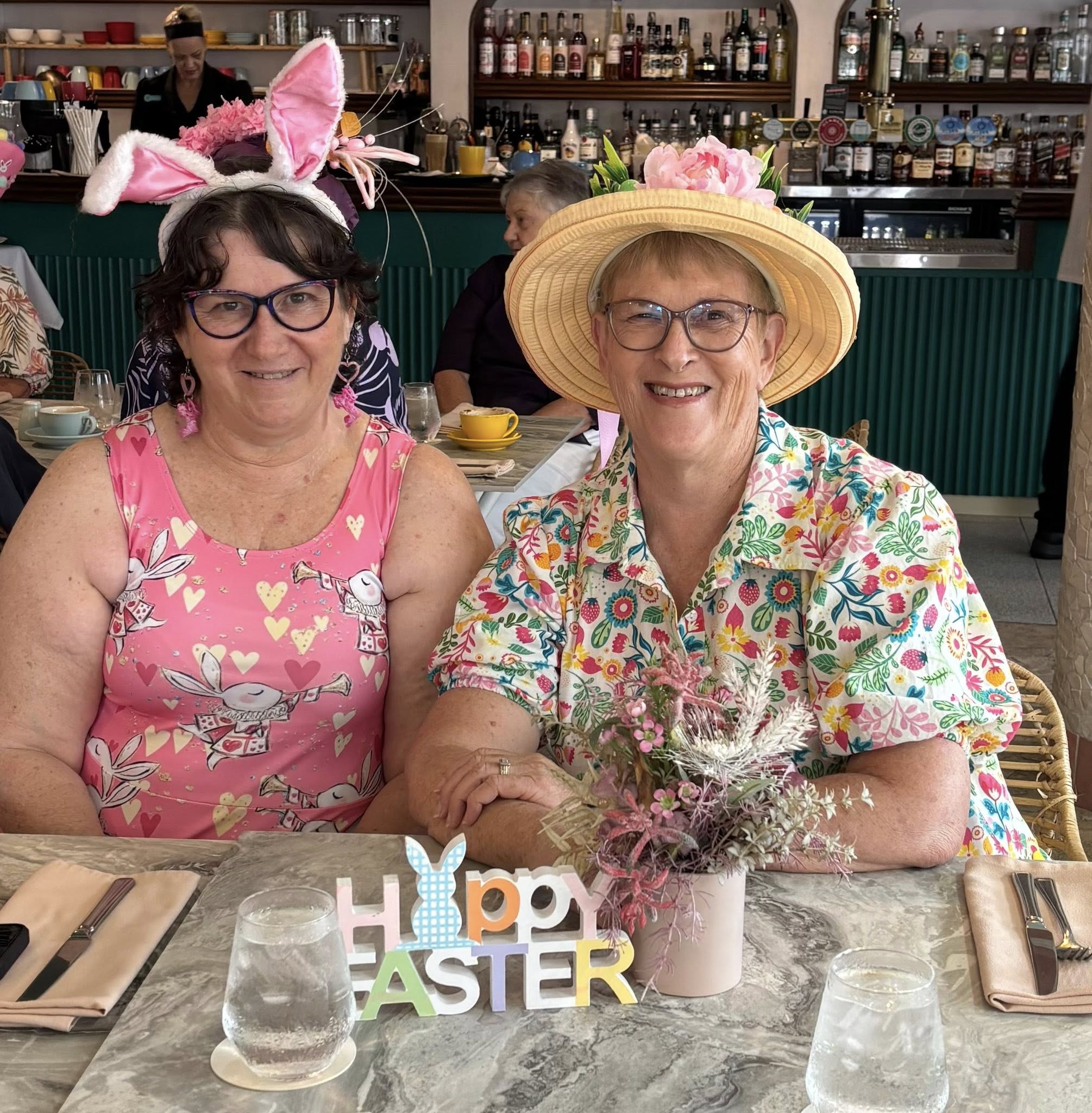

Mackay VIEW Club members celebrated Easter with hats, games, coffee, and scones, enjoying a morning of friendship and treats hosted by Ocean International. Photo source: Mackay View Club
Kids and families hopped into Easter Story Time at Walkerston Library, enjoying stories, songs, and playful bunny fun before the long weekend. Photo source: Mackay Regional Council Libraries
Members of the Mackay & District Senior Citizens’ Association enjoyed a lively Easter Ball, celebrating friendship, music, and community spirit. Photo source: Mackay & District Senior Citizens' Association Inc.
Publishers Indemnity. Any individual or entity that places advertising, supplies copy material, or submits editorial content to Core Life Publishing agrees and undertakes to ensure that all such material:- Does not infringe upon any copyright, trademark, or other intellectual property rights;- Is free from any content that could be considered defamatory, libelous, or slanderous;- Does not infringe upon any rights related to privacy or breach of confidence;- Contains no obscene, indecent, or otherwise unlawful material;- Complies fully with the Trade Practices Act and all other applicable laws, regulations, or statutes.Furthermore, by submitting or placing such material, these individuals or entities agree to indemnify and hold harmless the publisher, Core Publishing and Events Pty Ltd, and/or its agents from and against any and all investigations, claims, demands, liabilities, damages, costs, or judgments arising out of or in connection with the material provided. All material is believed to be accurate at the time of printing and remains the copyright of Core Publishing and Events Pty Ltd.
© 2026 Mackay and Whitsunday Life Pty Ltd.

