
Independently Owned, Locally Grown, Community Loved
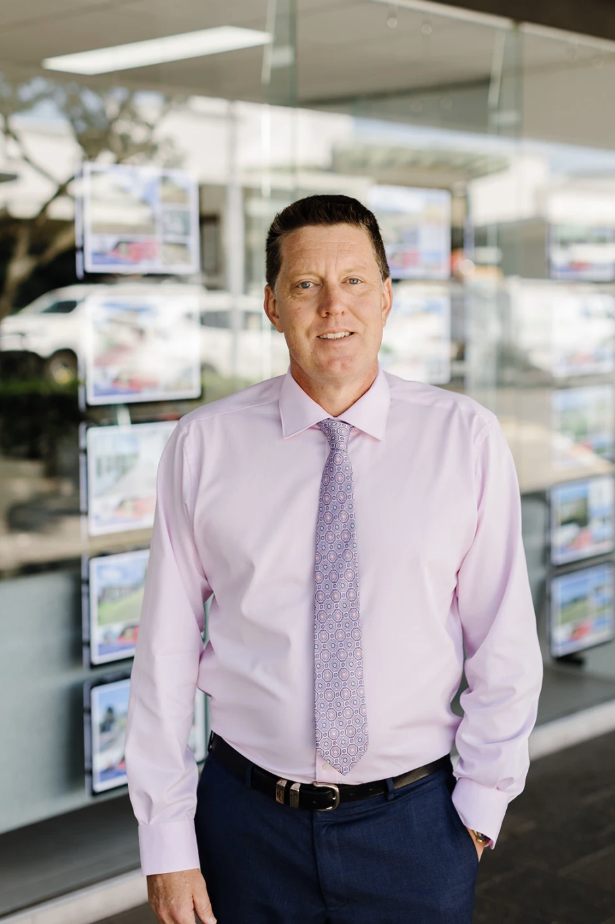
With nearly two decades at Blacks Real Estate, Peter Francis has built a reputation across Mackay for honest service, strong negotiation skills and consistent results. Joining the agency in 2008, Peter now serves as Director and Sales Consultant, helping vendors and buyers navigate the property market with a focus on professionalism and clear communication. Originally trained as a surveyor at the University of South Australia, Peter later transitioned into real estate, where he went on to achieve national and international recognition, including National Top 20 rankings on seven occasions and a Hall of Fame award during a previous role. Since moving to Mackay in 2004 with his wife Kylie and their family, Peter has become deeply involved in the local community, balancing a busy career with raising five children and contributing to school communities and the Mackay Chamber of Commerce. Known for his calm approach and ability to mediate between buyers and sellers, Peter said building trust with clients has always been central to his work. His long list of repeat clients and referrals reflects the strong relationships he has developed across the region over the years. Blacks Real Estate continues to operate from Wood Street in Mackay and Dysart Garden Plaza, servicing residential, commercial and rural clients across the region. CAPTION: Peter Francis, Director and Sales Consultant at Blacks Real Estate. Photo supplied
Read the full story
We need to talk about something that happens far too often – black kittens are usually the last to be chosen. Yet they are often the very best companions. These kittens are not just “another kitten”. They are the ones who follow you from room to room like your shadow. Who climb into your lap and stay there. Who greet you at the door like a dog and want to be involved in everything you do. They don’t just live in your home – they become part of your everyday life. Our black kittens are incredibly affectionate – true lap cats who crave human connection. They are confident and curious, often the first to explore and investigate. Playful and cheeky, they are full of personality and mischief. They are also highly social. They will chat to you, respond to you and connect with you. Once they choose you, they are yours completely. And in real life, they are absolutely stunning – with glossy coats, striking eyes, and an elegant, sleek presence that photos simply don’t capture. If you have ever wanted a cat that truly bonds with you, that seeks you out and becomes your constant little companion, come and meet our black kittens. Because once you meet them, you will understand. To register your expression of interest, please contact foster carer Janet on 0423 768 805. Contributed by Mackay Pet Rescue Inc
Read the full story
There’s a type of exhaustion many women carry that doesn’t disappear with a good night’s sleep. It’s not just physical tiredness. It’s the constant mental juggling. Remembering school events, organising appointments, replying to messages, planning meals, checking homework, thinking ahead, caring for ageing parents, supporting friends, managing work deadlines, and somehow trying to look after yourself somewhere in between. Even during moments of “rest,” many women describe feeling like their brain never truly switches off. This invisible load is something women carry every day, and over time, the body often carries it too. As a women’s and pelvic health physiotherapist, I often see women who come in with symptoms like pelvic pain, bladder urgency, tension, leaking, headaches, jaw clenching, shallow breathing, or a feeling that their body is constantly tight or “on edge.” Many are surprised to learn that stress and nervous system overload can play a significant role in how the body feels and functions. When we’re stressed for long periods, the body naturally shifts into a protective state. Muscles tighten, breathing becomes shallow, sleep can be disrupted, and the nervous system stays on high alert. It’s a helpful response in short bursts, but when the body stays in that heightened state for weeks, months, or years, symptoms can begin to appear. And the pelvic floor is particularly influenced by this. Many people think the pelvic floor only matters during pregnancy or after birth, but these muscles respond closely to stress, posture, breathing, and tension patterns throughout the entire body. Some women unknowingly hold tension through their pelvic floor all day long, almost like clenching their jaw without realising. Over time, this can contribute to discomfort, urgency, constipation, pain, or difficulty fully relaxing the muscles. What’s important to understand is that this does not mean the body is “broken.” Often, it’s a body that has been coping, adapting, and carrying a great deal for a long time. And while exercise and movement are incredibly important, healing isn’t always about pushing harder. Sometimes it’s about creating moments where the body feels safe enough to soften and let go. That might look like slowing your breathing for a few minutes while sitting in the car before school pick-up. Going for a walk without turning it into another task to complete. Stretching before bed. Asking for help. Resting without guilt. Learning how to relax your pelvic floor, not just strengthen it. Small moments matter. Women are often exceptionally good at caring for everyone else while quietly ignoring their own symptoms. But tension, fatigue, and overwhelm are not simply things to “push through” forever. The body has a way of asking for attention eventually. If your body feels tight, tired, or not quite like itself, it may be worth listening with curiosity rather than criticism. Support can make a meaningful difference, whether that’s through movement, stress management, pelvic health physiotherapy, or simply giving yourself permission to slow down occasionally. Because women were never meant to carry everything alone, and the body shouldn’t have to either.
Read the full story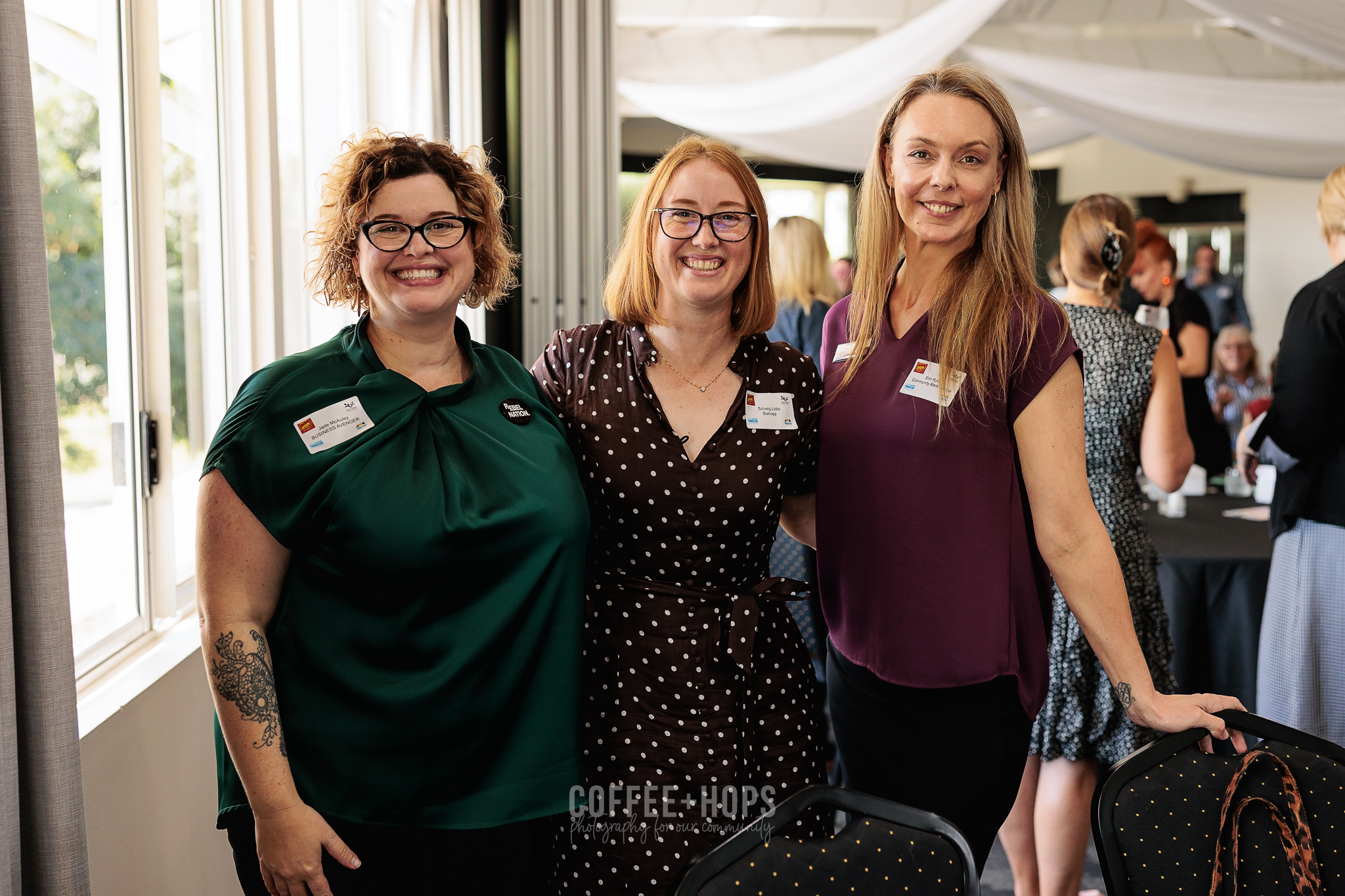
Word of mouth is some of the most powerful marketing your business can get. It’s trusted, it’s personal + in regional areas especially, it carries a LOT of weight. Most businesses will proudly say, “Most of our work comes from word of mouth”. Which is awesome – but then they treat it like something that just magically happens. The truth is – the businesses getting the most word of mouth are usually doing a few things really well. People need a reason to talk about your business in the first place. And no, “good service” on its own usually isn’t enough anymore – that’s the baseline expectation from people! The businesses people tend to recommend are the ones that are memorable in some way. Maybe they communicate really well, make life easier, solve a specific problem, have a strong personality, do something unexpectedly fast or simply make people feel looked after. Another big one? Visibility. People are far more likely to recommend businesses they remember (I know – what a shocker lol). If someone hasn’t seen or heard from you in two years, you’re probably not top of mind when a friend asks for a recommendation. This is where consistent marketing does a lot of heavy lifting. Social media, email marketing, networking, community involvement, even signage – all of it helps reinforce who you are, what you do + why someone should choose you. Clarity matters too. If people can’t easily explain what your business does, who you help or what makes you different, referrals get weaker. The easier you are to describe, the easier you are to recommend!! One of the simplest things businesses can do is also be more specific when talking about the work they want. Instead of “let us know if you hear of anyone”, try “we’re looking for more commercial fitout work” or “we’d love more bookkeeping clients in construction”. Specific prompts help people connect the dots faster. People can’t recommend a business they forgot existed. Word of mouth doesn’t just come from doing good work – it comes from being remembered when someone needs what you do. Photo credit: Coffee + Hops
Read the full story

The heart of Airlie Beach, Coral Sea Marina has evolved into one of Australia’s premier boating and lifestyle destinations – a thriving hub that connects locals, visitors, and the world’s marine community with the magic of the Whitsundays.
The marina offers a comprehensive range of services, including long- and short-term berthing, superyacht facilities, on-shore tenancies for retail, dining, and tourism operators, and essential amenities such as fuel, gas, ice, and parking. But beyond the facilities, Coral Sea Marina stands out for something less tangible – a commitment to quality, service, and community.
The current owner purchased the marina in 2013 when it was in receivership and in a state of disrepair. From the outset, the vision was ambitious: to transform the site into a world-class destination marina that reflects the natural beauty and prestige of the Whitsundays and the Great Barrier Reef. More than a decade later, that vision is clearly realised. Coral Sea Marina has become a benchmark for excellence, recognised for its service standards, sustainability practices, and contribution to the region’s tourism and marine industries.
Since COVID-19, the demand for marina berthing across Queensland has surged, with boat ownership reaching new highs. While the initial boom has steadied, the market remains strong, particularly for long-term berthing driven by new residents relocating to the region, and for seasonal berthing during the winter months.
According to the marina team, the key to their ongoing success lies in offering much more than a place to berth a boat. “Our guests aren’t just docking; they’re becoming part of a community,” General Manager Kate Purdie said. “From our friendly team and premium shoreside facilities to events and social activities, we aim to create experiences that build loyalty and connection.”
As proud members of the Whitsunday Chamber of Commerce and Industry, Coral Sea Marina recognises the importance of collaboration and advocacy in strengthening the regional economy. “The Chamber has gone from strength to strength,” Kate said. “It’s encouraging to be part of an organisation focused on strategy, cooperation, and positive change for the Whitsundays.”
Contributed with thanks to Whitsunday Chamber of Commerce & Industry.
Coral Sea Marina CEO Kate Preston

You may be eligible for a rates concession on your Whitsunday Regional Council rates. If you own and live in your property as your principal place of residence, and it is used for single residential purposes, you could qualify for a lower general rate category.
Applications for the concession must be made by the discount date listed on your upcoming rates notice. In addition, eligible pensioners may now also apply for a pensioner remission on their rates for the second half of the 2025/2026 year.
Pensioners who are already in receipt of the concession and whose situation has not altered need not reapply. For more information, head to Council’s website.
%20(1).JPG)
Community feedback is a vital part of how Council makes decisions, but it’s also one of the most misunderstood parts of local government.
Over the past few years, Council has heard from residents across Airlie Beach, Cannonvale, Proserpine, Bowen, Collinsville and surrounding areas on a wide range of projects and plans. Those conversations have been honest, passionate and, at times, challenging and that’s not a bad thing.
One thing we’ve learned is that listening well isn’t about who speaks the loudest. It’s about hearing a wide range of views, including those who don’t often put their hand up, and weighing that feedback alongside technical advice, budgets, legislation and long-term planning.
Not every issue ends in consensus, and it never will. Communities are diverse, and different people experience change in different ways. Council’s role isn’t to please everyone, but to make informed decisions that serve the broader community, now and into the future.
That doesn’t mean feedback is ignored when decisions don’t align with every submission. In fact, community input often reshapes projects in quieter ways by refining layouts, adjusting staging, changing priorities or influencing how and when things are delivered.
Engagement also helps Council understand where concerns are strongest, where more information is needed, and where expectations need to be clearer. Sometimes the biggest lesson isn’t about what to do but how to communicate it better.
I know consultation can feel frustrating when outcomes don’t match individual preferences. But I want residents to know that feedback matters, even when decisions are difficult. It informs how Council moves forward, how projects evolve, and how future conversations are approached.
Listening better isn’t about volume. It’s about respect, balance and transparency and that’s something Council continues to work on.
Next week, I’ll share a practical look at tourism season — how it supports our economy, the pressures it creates, and the people who keep the Whitsundays running when it’s at its busiest.
-p-1600.jpg)
Whitsunday Regional Council has recognised the region’s community achievers at its 2026 Australia Day Awards Ceremony, with Mayor Ry Collins noting the awards highlight the people and groups whose contributions help shape strong, connected communities across the Whitsundays.
“Our award recipients and nominees are community achievers from dedicated volunteers and emerging leaders to those who quietly support others behind the scenes,” Mayor Collins said.
“These awards celebrate more than individual achievements; they recognise the values of generosity, resilience and community spirit that define the Whitsundays. Taking time to acknowledge these contributions reminds us why our region is such a great place to live.”
Citizen of the Year, Peter Goodman has dedicated decades to serving Bowen with quiet generosity and humility. A long-standing member of the Lions Club, Peter has held every office, including Zone Chairman, while also serving as President of the Parish Council at his local Uniting Church. His volunteer work spans Meals on Wheels, the Bowen Historical Museum and numerous church fundraisers. For many years, he personally collected produce from local farmers for the church fete, using his own time and resources. Peter’s lifelong service marks him as a truly deserving recipient.
Young Citizen of the Year, Allegra Bradley is an inspiring young leader known for her compassion, energy and commitment to service. She regularly volunteers at events including the Great Barrier Reef Festival, ANZAC Day services and school productions, while supporting charities such as Mates4Mates and the B-Kinder Foundation. A founding member of the Seagrass Theatre and Music Company and Vice President of the Whitsunday Leos Club, Allegra balances leadership, creativity and academic excellence, making her an outstanding role model.
The Mayoral Awards recognise exceptional contributions across the region. Cooper Wilde is acknowledged for his dedication to competitive shooting, having achieved state and national success through discipline, sportsmanship and tireless training. Gregory Buckler is honoured posthumously for 38 years of running charity bingo in Collinsville, raising more than $400,000 for schools, health services and community organisations. The Whitsunday Running Club is recognised for delivering the 2025 Whitsunday Trail Festival, which attracted 245 participants and was supported by more than 30 volunteers and the Whitsunday SES. Wurra Yumba Kangaroo House is honoured for over 30 years of wildlife care by Carol, who provides rescue, rehabilitation and community education as the sole wildlife carer in the Scottville–Collinsville area.
The Spirit of the Whitsundays Award goes to Brian “Weary” Dunlop for his tireless service to the Proserpine RSL. Brian rebuilt the club’s kitchen, secured government grants and helped grow membership, ensuring the RSL remains a vital place of support and connection for veterans and the wider community.
Community Event of the Year is awarded to the Proserpine Rock Wallaby Festival, founded by Leigh Skead. Launched in 2025, the festival celebrates local heritage, wildlife and creativity, showcasing artists, performers and small businesses. Plans are underway to expand the event in 2026 with a strong focus on youth engagement and community connection.
Volunteer of the Year recognises the Bowen Community Centre’s 24 volunteers, who contribute hundreds of hours across administration, events and direct support services. Their dedication saves significant costs and fosters a culture of kindness and inclusion.
The Community Champion Award honours Justin Butler for his 12-year commitment to developing the Whitsunday Sportspark and establishing Club Whitsunday, improving access to sport for local clubs and residents.
The Australia Day Achievement Award for Outstanding Queensland SES Member is presented to Greg Yuskan, whose leadership as Local Controller has strengthened the Whitsunday SES through innovation, collaboration and volunteer support.
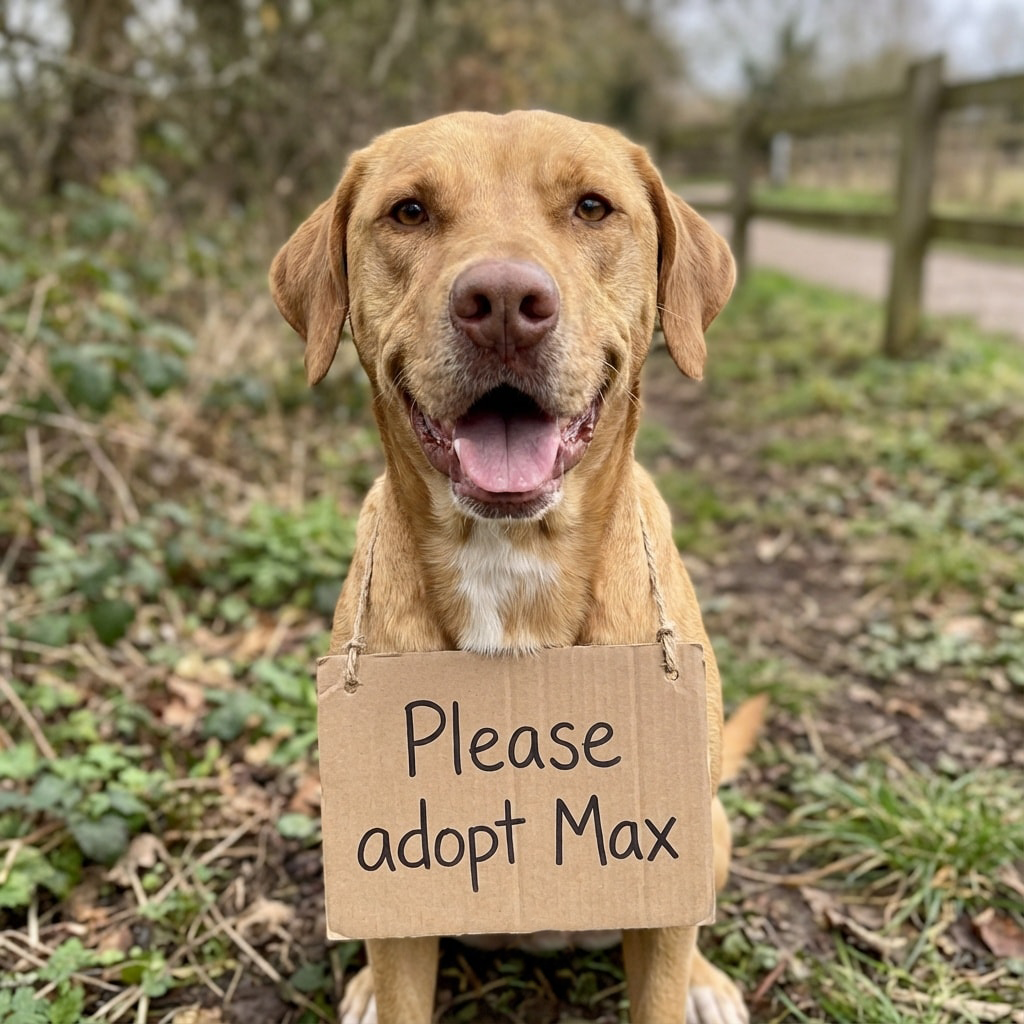
Max is a handsome Staffy cross, approximately 1.5–2 years old, who came into care due to lifestyle changes — through no fault of his own. This big-hearted boy has a calm, affectionate nature and loves being around people. He enjoys connection, routine, and being part of everyday family life.
About Max:
• Male, Staffy cross, Approx. 1.5–2 years old
• Desexed, vaccinated & microchipped
• Medium–large build
• Affectionate, gentle, and people-focused
• Good with children, dog-friendly, and social with other dogs
• Recently spent time with other dogs and settled in beautifully
• Confident, adaptable, and well-mannered
• Loves ear rubs and back scratches
Other notes:
• Cats: not tested
• Secure fencing recommended
• Would suit a home familiar with larger breeds
Ideal Home:
Max would thrive in a home where he’s treated as part of the family — included, loved, and given stability. He’s an easy-going boy who just wants companionship and consistency.
Adoption Fee: $400
This helps cover veterinary care, desexing, vaccinations, microchipping, and supports us in rescuing dogs in need.
Interested in Max?
Please see the Bowen Collinsville Pet Rescue Inc page on Facebook.
Photo source: Facebook
.jpg)
One of the great things about tourism in the Whitsundays is that our operators are always looking for ways to do things better. Right across the region, local businesses are investing in their people, building skills and backing strong leadership to keep the industry moving forward for both locals and visitors.
Out on the water, Portland Roads Sailing the Whitsundays is working towards B Corp Certification, lifting standards around accountability, transparency and the way the business operates, from its team and suppliers through to its community impact.
Iconic Whitsunday Adventures has marked an important milestone, with Lady Enid operating with an all female crew for the first time. Recent skipper and deckhand promotions highlight the growing opportunities for women and career progression in marine tourism.
Eco Barge Clean Seas Inc. is also building capability, rolling out new core crew training and expanding its marine debris recycling program. It’s practical, hands-on work that’s delivering real environmental results for the Whitsundays.
On land, Driftwood Tours has been sharpening its guiding skills, attending the 6th Savannah Guide Field School in Kununurra. The experience has brought new ideas, knowledge and confidence back to guiding here in The Whitsundays.
Whitsunday Transit is actively recruiting new bus drivers, with a focus on increasing female representation in the transport industry. Magnums Accommodation Airlie Beach continues to back its team through regular training, refreshed procedures and internal promotions, including a long-term team member stepping into a senior management role.
A big shout out to the local operators investing in their teams and doing the work that keeps tourism strong in the Whitsundays.
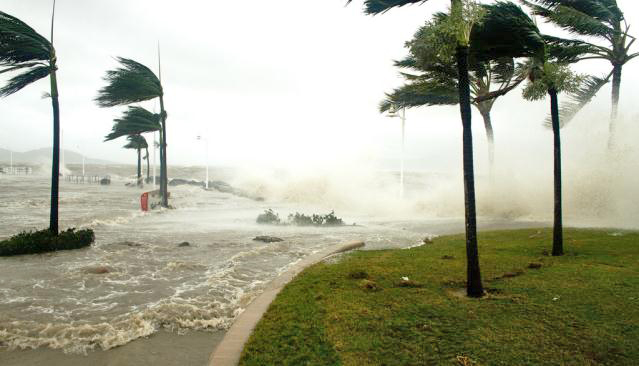
Fifteen years ago today, the Whitsundays held its breath as Cyclone Yasi tore into North Queensland, leaving a lasting imprint on the region despite sparing it the worst.
As Cyclone Yasi carved a destructive path across the coast in the early hours of 3 February 2011, the Whitsundays watched and waited, and although the region was spared the worst of the wind’s fury, it was forever changed by the sheer scale, force and consequences of one of Australia’s most powerful tropical cyclones.
Yasi made landfall near Mission Beach as a Category 5 system, unleashing wind gusts of up to 285 kilometres per hour and impacting a vast stretch of coastline between Cairns and Townsville. While communities such as Tully, Cardwell and Mission Beach bore the brunt of the devastation, the Whitsundays felt the ripple effects of the cyclone long after the winds subsided.
Offshore, the cyclone’s immense wave energy reshaped parts of the marine environment. Surveys of inner shelf reefs between Townsville and the Whitsundays later recorded relatively low levels of direct reef damage, a small mercy in an otherwise devastating event. However, commercial fishers reported the emergence of new cays and large rubble banks offshore from Bowen; a powerful reminder of the raw force Yasi generated even south of the cyclone’s destructive wind boundary.
The Great Barrier Reef did suffer significant damage overall, though reefs in key tourism regions, including the Whitsunday Islands, were among the 94 per cent of reef areas that escaped major impact. For a tourism-dependent region, this proved critical to recovery, allowing the Whitsundays to rebuild its visitor economy far sooner than many feared.
On land, the economic shockwaves were profound. Agriculture across North Queensland suffered an estimated $300 million in losses, with sugarcane growers and primary producers facing months, and in some cases years, of recovery. Insured losses from the cyclone reached approximately $1.4 billion, surpassing the damage caused by Cyclone Larry just five years earlier.
In response, unprecedented recovery assistance was rolled out. Concessional interest rate loans of up to $250,000 were made available to small businesses and primary producers across affected local government areas, including Whitsundays, while charitable and not-for-profit organisations could access loans of up to $100,000. Freight subsidies, clean-up grants of up to $20,000 and the Category C Community Recovery Package were also introduced to help communities get back on their feet.
The Whitsundays, like much of North Queensland, leaned heavily on this support. From restoring essential public assets to assisting small operators and community organisations, recovery was not just about rebuilding infrastructure, it was about restoring confidence, livelihoods and a sense of normalcy.
Fifteen years on, Cyclone Yasi remains a benchmark event, not only for its size and strength, but for the lessons it taught. While the Whitsundays were fortunate to avoid catastrophic destruction, the cyclone left an indelible mark on the region’s environment, economy and collective memory.
Tidal surges across the coastline ravaged communities. Photo source: Australian Geographic
Authorities were dispatched to communities in need. Photo source: QPS
Beaches were left littered with debris and shorelines were forever changed. Photo source: Australian Geographic
.JPG)
After almost two years at the helm, owners Adam and Anita Lichos say their focus has been on consistency, quality and respecting the traditions that have made the local bakery a long-standing community favourite.
The couple took over the business around two years ago when the previous owners retired, a natural progression for Adam who has spent close to 20 years working as a baker and pastry chef in the region. With deep roots in the local area, stepping into ownership felt like the right move at the right time.
Since taking over, Adam and Anita have overseen a significant refurbishment of the front counter, installing new hot and cold display cabinets, ambient shelving and benches. The upgrade was completed using local electricians, carpenters and tradespeople wherever possible, reflecting the couple’s commitment to supporting other local businesses.
While customer favourites such as vanilla slices and apple slice remain firmly on the menu, the bakery has gradually introduced new offerings. One of the most popular additions has been the Friday deluxe donut, which has quickly become a weekly tradition. Flavours rotate regularly, with the Biscoff donut emerging as a standout favourite.
The savoury range has also expanded, with new pie flavours regularly trialled and refined. A recent addition, the chunky steak Diane pie, went through several test batches before earning a permanent place on the roster.
Custom cakes are a big part of the business, ranging from small celebration cakes to large slab cakes for schools, kindergartens and major events.
The owners credit the amazing team, good coffee and a mix of loyal locals and passing travellers, the bakery continues to evolve while remaining firmly grounded in the community it serves.
Owners Adam and Anita have owned Whitsunday Bakery for almost twoyears. Photo credit: Daniel Heggie
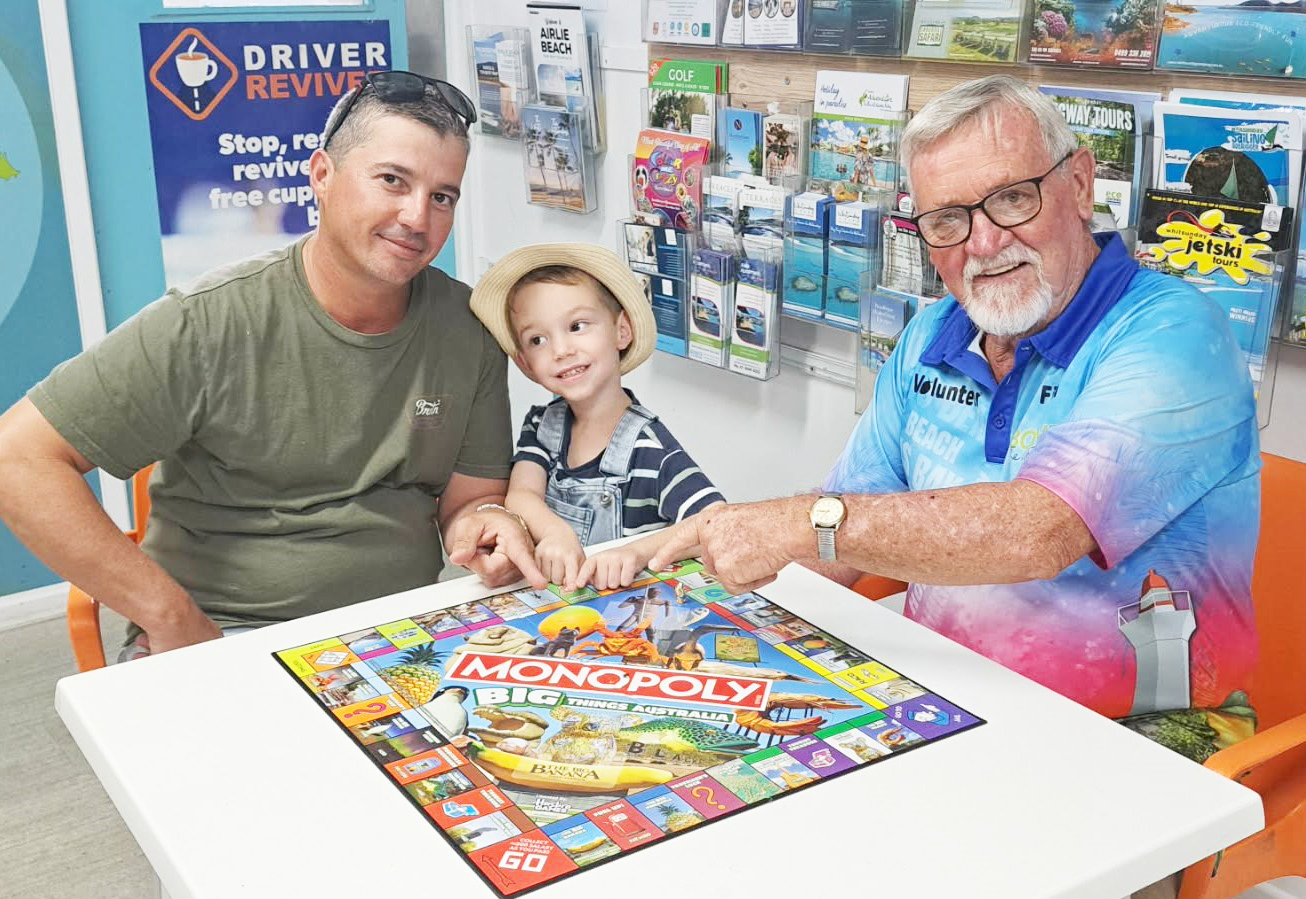
Bowen’s iconic Big Mango is featured on the most recent edition of Monopoly, and it is proving very popular.
“The Big Things of Australia” edition of the iconic board game was launched in November.
More than 130 copies have already been sold at the Bowen Visitor Information Centre since the launch.
Manager of Bowen Tourism and Business, Leanne Abernethy said there were hundreds of different editions of the board game, and the “Big Things of Australia” was the most recent one.
“We decided to sponsor this edition as we wanted the Big Mango to be featured and it is very prominent,” she said.
The game includes a custom-made Big Mango token.
“A lot of local people bought copies as soon as it was launched as it was such a great Christmas present,” said Leanne.
“We thought sales may have slowed down after Christmas, but this game is still proving very popular among visitors and locals.”
The Visitor Information Centre also has copies of the Whitsundays edition of the game for sale.
The Whitsundays edition is travel-size (much smaller) but the Big Things edition is the standard size game.
Monopoly has been around since the early 20th century and is played worldwide in various forms. It is a game all members of the family can enjoy.
Bowen Tourism and Business volunteer Steve “Fish” Fisher showing the board game to some visitors last week.
.jpg)
Families often hope a new year will bring more connection, less conflict, and smoother communication. While every family is different, research consistently shows that everyday communication habits significantly affect relationships, mental health, and adolescent behaviour.
Why communication routines matter
From a Family Systems perspective, families operate like interconnected emotional units. When one person is stressed or disconnected, it influences everyone. Healthy families balance this disruption with patience and understanding and shared expectations.
Start with small, consistent routines.
Deep family change doesn’t require big interventions. The most effective strategies are simple and regular.
Try these quick routines:
1. Ten-Minute Daily Check-In
Each family member shares:
• one thing that went well
• one challenge
• one small win or goal for tomorrow
This strengthens emotional literacy and normalises communication.
2. Co-create family expectations
Rules work best when teens help create them.
Involve them in:
• household responsibilities
• boundaries around devices, sleep, and screen time
• Shared ownership increases adherence.
Scripts that support healthy communication
Use simple, non-threatening openers:
1. “Help me understand…”
2. “What do you need right now?”
3. “I’m listening, tell me more.”
4. “Let’s figure this out together.”
Connection over correction
While rules and boundaries are essential, connection is the foundation. A child or teen who feels emotionally safe is more open to guidance, feedback, and compromise.
Need help with connection, visit my website https://www.personaltransitions.com.au/ or give me a call 0418708214. NDIS FRIENDLY

Passionate Queenslanders aged 16-25 are invited to apply to the Queensland Youth Parliament, where 93 young people will represent their communities in Parliament House and work to develop and debate their ideas.
The six-month program provides a platform for Queenslanders aged 16-25 to amplify their voices, whilst helping them build leadership skills, contribute to meaningful policy discussions and create connections.
“We received a record 471 nominations last year, which shows the passion of our next generation to have their say on the issues that matter to them." Minister for Youth, Sam O’Connor, said.
According to Queensland Youth Parliament Coordinator Grace Campbell; “This is a unique opportunity for young people right across the state to represent their communities and experience how parliament operates firsthand, including presenting and debating their Youth Bills in Queensland’s Parliament House.”
Former Youth Parliament Member Charlotte Squire encouraged any young person who has identified a specific issue within their community to apply for QYP.
“Queensland Youth Parliament provides the tools, skills, and support to help address issues that matter to youth and their communities," Ms Squire said.
Applications are available online, and as a printable form. QYP offers direct support to young people who may need assistance in completing their applications.
Nominations will close on 22 February 2026.
Applications can be submitted at www.ymcaqyp.org.au.
Photo source: Facebook

Celebrating two years of service to Proserpine:
Mackey Permanent Building Society celebrated two years of service in Proserpine. Birthday festivities lasted for a week: giveaways for children and drinks and cake for the other customers. The staff members who were sharing the joy were Wendy Edwards, Paula Taylor, Bernadette Day and Christine Hinschen.
High School Observations:
The year started with an increased population, as, 85% of Year Tens returned to school and enrolled in Year Eleven. Congratulations to Tim Jorgensen and Karryn Crothall, seniors from 1985, who attained a TE score of 970. Michael Braby and Bobby Steel did very well with 965 and Catherine Pini 930.
An exchange student arrives from Sweden:
Sweden exchange student Carl Frederick Elgh,17, will live in Proserpine Shire for a year attending High School and living with Muriel and Con Jansen. He is fascinated by sharks and our wildlife.
Special air posting for Samantha French:
Samantha, 19, was commissioned to a special post in Air Traffic Control at the Melbourne RAAF base. Her father was very proud. He had been a sergeant ion the RAF in England. Some of her classmates Sharon Hedgelong and Tracey Muller have also joined the Air Force and two lads joined the army.
Entertainment:
Dave and Joy Seawright celebrated the first birthday of the Reef Gateway Hotel on Saturday night. Rodeshow, the showband proved to be versatile and funny. Talent ranged from serious musicianship to slapstick comedy. Their rendition of ‘Stairway to Heaven’ received the most applause. A large birthday cake was cut by Dave and Joy and trays of hot and cold savouries were served.
First Woman to lead Tennis Association:
Another chapter was written in the fifty-two-year history of the Proserpine Tennis Assn when Mrs Irene Ferraris was elected as its first female president.
Indoor Cricket launched last week:
Indoor Cricket, a sport popular Australia wide, began officially in Proserpine last week. Hundreds of players who formed forty teams (eight in each) and many spectators visited the new cricket court in Anzac Road. Court Manager, Mr Dan Dray said that for a small court fee the players can enjoy an invigorating sport, in any weather conditions. All equipment is supplied.
School of Dance is in again:
The Dee Jay’s School of Dance commenced classes in the Cultural Hall this week. The Principal Miss Denise Jarrott ARAD said the children seemed very keen to get back to class after a long break.
Road Report:
The Council’s Consulting Engineers, Ullman & Nolan, have been requested to submit a detailed report on the state of all secondary roads within the Shire and to evaluate the adequacy in respect to existing and projected traffic flows. Estimated cost of this report $5 558.
Plains become a Traffic Hazard:
Monday morning saw many commuters who work in Proserpine, drive in from the coast in trucks or four-wheel drives to cope with the conditions on Hamilton Plains. RACQ spokesman said he only had to help a couple of people who stalled their cars, but it was the worst traffic hazard he had seen.
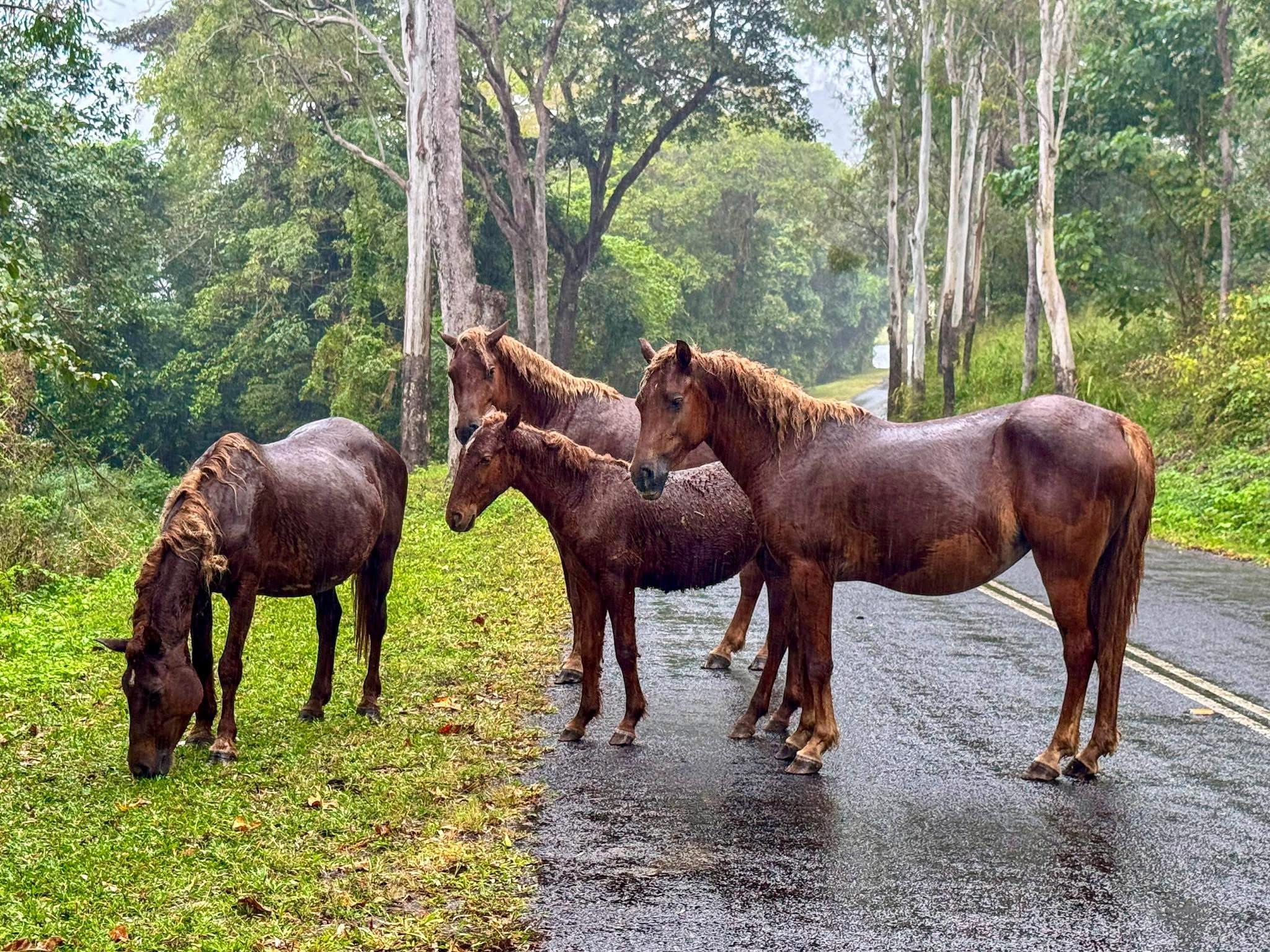
By Michele Shea
This week’s photo of the week winner Michele Shea for her photo of wild horses on a backroad near Cairns.
These photographs are contributed by the Whitsundays Amateur Photographers Group
.JPG)
The Great Barrier Reef — the jewel in the crown of coral reefs worldwide — is facing an uncertain future.
Most Australians are now aware that the greatest threat to the Reef is climate change. Rising ocean temperatures are driving mass coral bleaching events, while ocean acidification weakens the very skeletons corals rely on to grow. Combating climate change requires a coordinated global response, and while action is underway, it is happening far too slowly. Time, unfortunately, is not on the Reef’s side.
Yet all is not lost. While the Reef cannot be saved by local action alone, there is much Australia can do right now to buy the Reef time. The key lies in building reef resilience — strengthening the Reef’s ability to withstand disturbances and recover from them when they occur.
What Is Reef Resilience?
Reef resilience refers to a coral reef’s capacity to resist damage and bounce back after stress events such as bleaching, storms, or disease outbreaks. A healthy, resilient reef is far more likely to survive climate impacts than one already weakened by pollution, overfishing, or poor water quality.
The good news is that building reef resilience does not require international agreement or global consensus. It can be — and already is being — done at home. Two major strategies are being pursued together: reducing local pressures on the Reef, and actively restoring and adapting reef ecosystems.
Reducing Local Impacts on the Reef
Local stressors have long undermined the health of the Great Barrier Reef, making it more vulnerable to climate change.
One of the most damaging is poor water quality. Runoff from the land carries excess nutrients such as nitrogen and phosphorus, along with pesticides and fine sediments, into coastal waters. These pollutants largely originate from agriculture, land clearing, and coastal development. Once in the ocean, they promote harmful algal blooms and reduce the amount of light reaching corals, stifling growth and increasing disease risk.
Australia’s recently released Nature Laws have the potential to significantly reduce this decades-old problem — but only if they are properly enforced and adequately funded.
Another major threat comes from crown-of-thorns starfish (COTS). These coral-eating predators can devastate reefs, consuming vast areas of coral in a matter of weeks. Outbreaks have plagued the Reef for decades, and research suggests that poor water quality may play a role in triggering population explosions.
Today, trained dive teams are actively controlling outbreaks by injecting starfish with substances such as vinegar or cattle bile — both reef-safe but lethal to the starfish. While labour-intensive, this approach has proven effective in protecting high-value reefs from severe damage.
Fishing practices also play a critical role in reef health. Overfishing, destructive gear use, and illegal fishing can severely disrupt reef ecosystems. The removal of key herbivorous fish allows algae to overgrow and smother corals, while practices such as bottom trawling physically damage reef structures.
On the Great Barrier Reef, fishing is managed through a combination of spatial zoning, quotas, gear restrictions, and enforcement by Australian and Queensland authorities. Measures include limits on commercial access, total allowable catches, size and bag limits, and seasonal closures — all designed to maintain ecological balance and long-term sustainability.
Restoration and Adaptation: Science in Action
Alongside reducing local impacts, scientists are now working to actively restore and adapt the Reef to a warming world.
Reef restoration and adaptation is a suite of large-scale, science-driven initiatives aimed at helping corals survive climate change. The goal is to develop tools that increase coral heat tolerance, accelerate recovery after bleaching, and enhance long-term adaptation to rising temperatures.
Some of the key approaches include:
· Coral propagation and aquaculture: Growing large numbers of heat-tolerant corals in laboratories and nurseries before transplanting them onto damaged reefs.
· Heat tolerance acceleration: Studying coral genetics and using beneficial microbes, or “probiotics”, to enhance natural resilience to warmer waters.
· Assisted recovery: Using robotic and semi-automated systems to distribute coral larvae and stabilise loose reef rubble, improving survival rates after disturbances.
It may sound like science fiction, but these projects are already underway — right now, on the Great Barrier Reef.
The Role of Climate Action
Despite these local and national efforts, climate change remains the Reef’s greatest existential threat. Reducing greenhouse gas emissions is essential to limiting global warming to 1.5°C — a threshold widely regarded as critical for the long-term survival of coral reefs worldwide.
Local action alone cannot save the Reef. But every step taken to reduce pollution, manage fisheries, control outbreaks, and restore damaged reefs strengthens resilience and increases the chances of survival.
Building reef resilience is not about replacing climate action — it is about buying time. And for the Great Barrier Reef, time may be the most valuable resource we have.
Contributed with thanks to Tony Fontes.
.jpg)
The Whitsunday Regional Council Australia Day Awards celebrated citizens in our region that weer recognised as community achievers.
All winners and nominees should be proud of their efforts, without them and their generosity the Whitsunday community could not thrive as it does.
Mayor Ry Collins said the awards highlight the people and groups whose contributions help shape strong, connected communities across the Whitsundays.
“Today we’re recognising the individuals and organisations who go above and beyond for others,” Mayor Collins said.
“Our award recipients and nominees are community achievers from dedicated volunteers and emerging leaders to those who quietly support others behind the scenes, and these awards celebrate more than individual achievements; they recognise the values of generosity, resilience and community spirit that define the Whitsundays.
“Taking time on Australia Day to acknowledge these contributions reminds us why our region is such a great place to live.”
The Australia Day Awards held at Bowen PCYC earlier this week was a huge success, with over 200 people in attendance to celebrate the nominees and award winners.
The winners of the Whitsunday Regional Council Australia Day Awards are:
Citizen of the Year Award – Peter Goodman
Young Citizen of the Year – Allegra Bradley
Mayoral Awards – Cooper Wilde, Gregory Buckler, Whitsunday Running Club and Wurra Yumba Kangaroo House
Spirit of the Whitsundays Award – “Weary” Brian Dunlop
Community Event of the Year – Proserpine Rock Wallaby Festival
Volunteer of the Year Award – Bowen Community Centre
Community Champion Award – Justin Butler
Australia Day Achievement Award for Outstanding Members of the Queensland SES – Greg Yuskan
Whitsunday Regional Council Mayor Ry Collins warmly thanked everyone who submitted nominations for the event, noting the day was a wonderful celebration of community, connection and the people who quietly and selflessly make a difference within the region.
"I really want to thank everybody that submitted nominations to celebrate the amazing people right across our region and I think you all agree we have an immense number of worthy nominees here today," he said.
"To our Australia Day, nominees and recipients, I want to say how genuinely impressed I am by each and every one of you. The depth of service, commitment and care represented here today is truly extraordinary - you give your time, you give your energy, you give your passion and your skills, not for recognition, but because you believe in our community. You believe the people in it."
Mayor Collins highlighted those who had been dedicating their time for years, thanking them for their continued commitment to bettering the community.
"Some of you have been doing this work for decades others are only making impact in newer days," he said.
"All of you are leading by example, mentoring young people, support those doing it tough, strengthening our local organisations and institutions, and helping shape the Whitsundays into a community we are so proud of today."
Citizen of the Year Peter Goodman said he was over the moon and that the win came as a surprise.
Peter has devoted a lifetime to serving the Bowen community with dedication, humility and generosity. He has been a long standing member of the Lions Club, holding every office, including Zone Chairman , and contributed countless hours to community invitations.
Peter has given many years of dedicated volunteer service through Meals on Wheels, the Proserpine Historical Museum and numerous church fundraisers. Known for his quiet generosity, he has also personally supported community events by collecting local produce at his own expense, making him a valued and unsung local contributor.
Young Citizen of the Year Allegra Bradley said her award completes her aims and goals for last year, with it being the cherry on top of a fantastic academic year.
Allegra is a dedicated volunteer and leader, contributing to community events including the Great Barrier Reef Festival, school musicals, Anzac Day services and charity fundraising. She combines creativity, service and strong academic achievement in the performing arts, making her a worthy Young Citizen of the Year recipient.
Australia Day Awards Ceremony Winners. Photo credit: Daniel Heggie
Whitsunday Citizen of the Year Winner Peter Goodman with Councillor John Finlay, Member for Burdekin Dale Last MP, Federal Member for Dawson Andrew Willcox MP, and Whitsunday Regional Council Mayor Ry Collins. Photo credit: Daniel Heggie
Whitsunday Young Citizen of the Year Allegra Bradley with Member for Burdekin Dale Last MP and Whitsunday Regional Council Mayor Ry Collins. Photo credit: Sebastian Conidi
Publishers Indemnity. Any individual or entity that places advertising, supplies copy material, or submits editorial content to Core Life Publishing agrees and undertakes to ensure that all such material:- Does not infringe upon any copyright, trademark, or other intellectual property rights;- Is free from any content that could be considered defamatory, libelous, or slanderous;- Does not infringe upon any rights related to privacy or breach of confidence;- Contains no obscene, indecent, or otherwise unlawful material;- Complies fully with the Trade Practices Act and all other applicable laws, regulations, or statutes.Furthermore, by submitting or placing such material, these individuals or entities agree to indemnify and hold harmless the publisher, Core Publishing and Events Pty Ltd, and/or its agents from and against any and all investigations, claims, demands, liabilities, damages, costs, or judgments arising out of or in connection with the material provided. All material is believed to be accurate at the time of printing and remains the copyright of Core Publishing and Events Pty Ltd.
© 2026 Mackay and Whitsunday Life Pty Ltd.
