
Independently Owned, Locally Grown, Community Loved

With 26 years of experience and a results-driven reputation, Stacey Arlott has firmly established herself as one of Queensland’s most accomplished real estate professionals. She is widely recognised, receiving great industry acclaim, but prides herself most on the trust she has garnered from the community she serves in Mackay. In 2021 Stacey reached a huge milestone in her career, being declared the number one agent in Australia by Real Estate Business’s dealmaker ranking - the first in Mackay to receive such an accolade. The win occurred during a volatile time for the market, with COVID-19 challenges failing to knock Stacey off-course. What sets Stacey apart is not only her consistent sales performance, but also her disciplined work ethic and ability to foster long-term client relationships. Her career is marked by a series of accolades, including the REMAX Lifetime Achievement Award (2024) and induction into the REMAX Hall of Fame (2020). From 2022 to 2025, she has consistently ranked among the Top 10 agents in Queensland and Top 20 nationally - an indication of her ongoing push for excellence in a dynamic and demanding market. Beyond industry recognition, Stacy’s success is strongly validated by client feedback. She has earned multiple “Agent of the Year” titles through RateMyAgent, including four consecutive wins for East Mackay (2021–2024) and the broader Mackay region in 2023. These consistently high ratings across major platforms reflect a reputation built on transparency, communication, and results. Having previously owned and operated her own agency and served as REIQ Zone Chairperson, Stacey does more than transactional sales. She brings a comprehensive understanding of the real estate landscape, from regulatory frameworks to market strategy; a depth of knowledge that allows her to guide clients with confidence through every stage of the buying and selling process. Known for her approachable style, Stacey’s secret to success is communication. She prioritises keeping clients informed to ensure they feel supported throughout their property journey. Her business is driven by referrals and repeat clients, a testament to the trust she builds and the outcomes she delivers. remax.com.au/select/stacey-arlott CAPTION: Stacey Arlott, Property Consultant at RE/MAX Select Mackay. Photo source: RE/MAX Select Mackay
Read the full story
I was among the Mackay real estate agents who received calls from buyers agents from southern capitals last week saying they had investors who were more interested than ever in securing a property in this town. That is not to say that investors around the country are not spooked and considering their options after the Federal Budget announcement that negative gearing would no longer be available for new investments other than brand new builds. There will be plenty who will be watching the impact of the removal of negative gearing and it remains to be seen what happens with property prices both in Mackay and in the nation generally. Someone told me the other day that they didn’t understand exactly what negative gearing is, which is fair enough because not everyone lives in my world of property prices, rental yields, capital gains and tax benefits. So for those who are unsure, the basic meaning of negative gearing is that an investor can claim the losses they make on a property on their personal tax. So if an investor has a property that gives them a rental return after costs of $600 a week but their mortgage is $800 a week, they are able to claim the $200 a week loss as a reduction from their personal tax payments. A lot of people are suggesting that the removal of negative gearing will have the biggest impact in Sydney because the cost of housing is high and rentals do not typically cover the mortgage if someone had a 20 per cent deposit on the property they had bought. The rent on a $2m Sydney property does not go anywhere near covering the mortgage so being able to claim the loss as a reduction on your PAYE tax is the only way most investors can do it. Investors who had an investment property prior to this month’s Federal Budget will be able to continue to negatively gear their property but anyone who buys after Budget night will not be able to unless they are building a new home. The impact in Sydney was immediate, with an auction clearance rate of under 50 per cent last weekend. Sydney is an auction town so the results send a clear message that investors there are spooked and possibly no longer see the value in buying an investment property at current prices and with current rental returns. The impact on prices in Sydney, and around the country, will be the big real estate story this year. As I said in my column last week, there is a theory – completely untested and not to be taken as gospel until the facts emerge – that the removal of negative gearing will not have a huge impact in Mackay because house prices are lower than in southern capitals and rental yields are much better. Investors with a decent deposit on a property don’t need negative gearing because rental returns cover the mortgage; so their properties are actually positively geared. Will this make Mackay an attractive place for southern investors looking for an investment that doesn’t run at a loss? We’ll have to wait and see. It is interesting to note what has happened to real estate prices in New Zealand in the years since the government there made changes to negative gearing; prices have dropped by 30 per cent (adjusted to inflation) since their peak about five years ago. Other factors play into that: there has been a reduction in immigration and Kiwis prefer to live in Australia than in New Zealand (only joking!) but there is no doubt that the removal of negative gearing has had an impact. With fewer investment properties coming onto Australian markets, we can expect to see fewer rental properties which, in a world of demand and supply, could push rental prices up. And young people looking for an investment will not be able to claim the negative gearing that older Australians could access. It’s a nuanced world.
Read the full story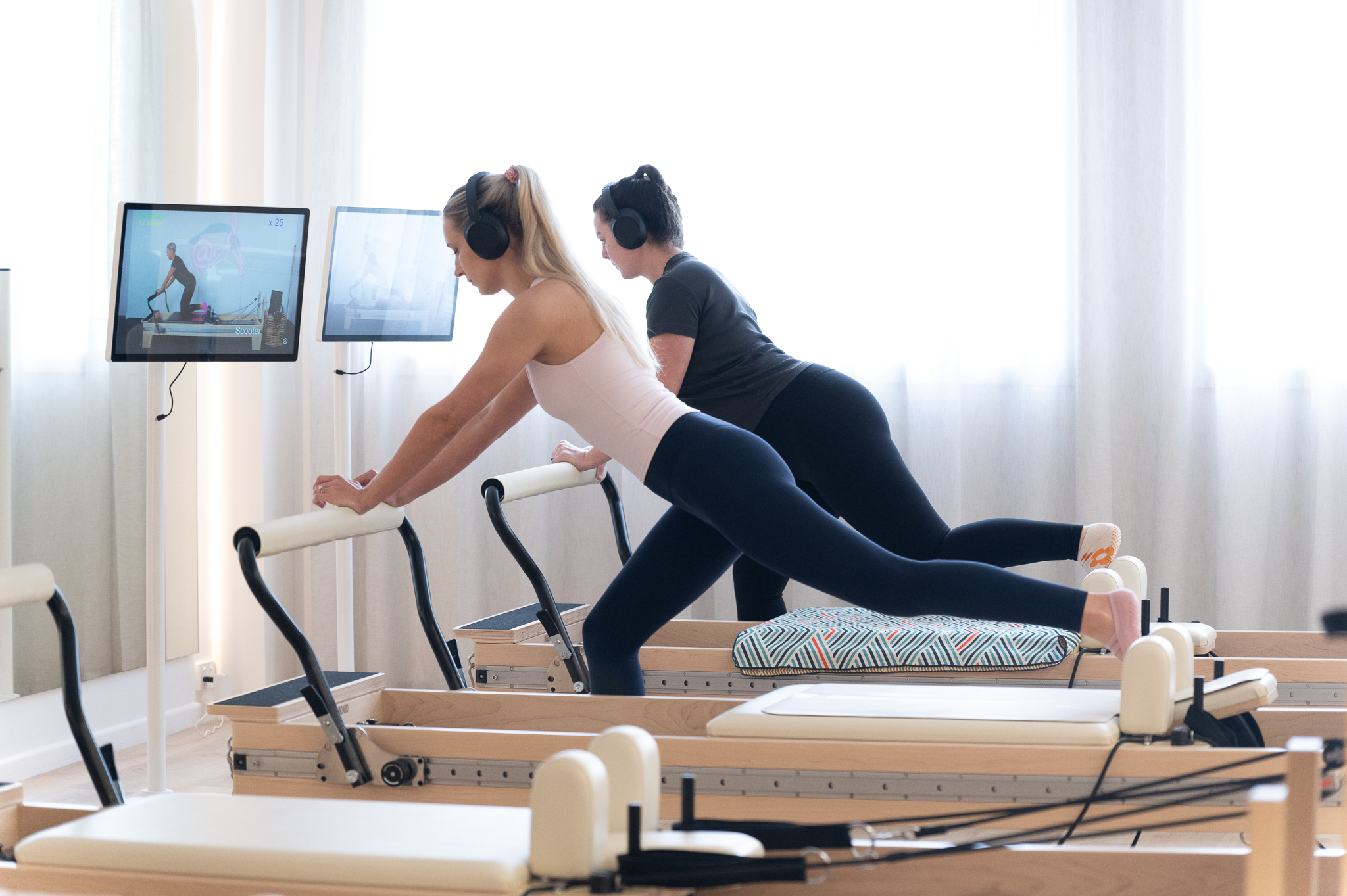
@Pilates 24/7 Mackay is a boutique reformer Pilates studio built around flexibility, recovery and real life. As Mackay’s first 24/7 Pilates studio, members can train any time, with no timetables. The studio runs on a hybrid model combining on demand classes with in studio support during staffed hours. Using noise cancelling headphones, members follow sessions from a platform offering more than 500 classes, choosing their own pace, level and style. Programs cater to all levels, including pregnancy and post-natal, with a focus on strength, mobility and safe progression. Memberships include reformer Pilates, infrared sauna and red-light therapy, creating a complete wellness experience in one space. New clients can get started with our '10 days for $45' intro offer, with memberships starting from only $39 per week. With premium reformers and full flexibility, @Pilates 24/7 Mackay makes consistency simple. You lead. Our platform follows. Only @pilates
Read the full story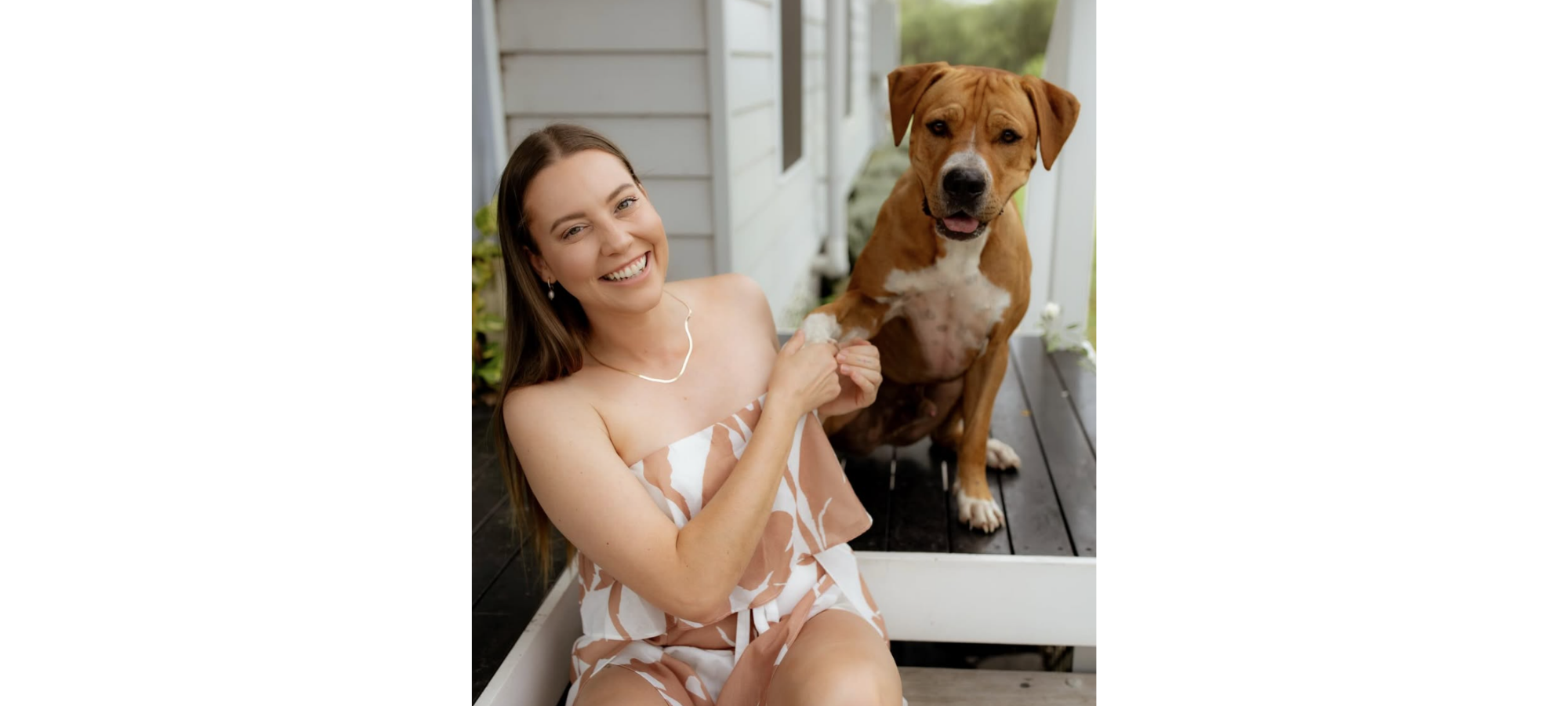
Dr Maddilyn Brown is the passionate Owner and Founder of The Nurture Haus, where she specialises as an Advanced Paediatric Chiropractor dedicated to supporting women, babies and children through every stage of life. A proud Mackay local, Maddilyn completed both school and university in the region before spending several years living and working in Brisbane, Dysart and Emerald, eventually making her way home after seven years away. Her journey into chiropractic began following a gymnastics injury as a teenager, sparking a passion that would shape her entire career. Since then, Maddilyn has devoted herself to extensive postgraduate study in paediatrics, pregnancy, postpartum care and women’s health, completing a postgraduate diplomat in 2025 while continuing further study in women’s health. Since 2023, she has worked exclusively with women and children. Outside of work, Maddilyn describes herself as “animated, nerdy and unflappable”. When she’s not studying or caring for patients, she enjoys weightlifting, walking her beloved American Staffy x French Mastiff, Askari, and spending time with her partner Josh after recently ending two years of long distance. An ex-gymnast with an adventurous streak, Maddilyn also once flew planes before relocating to Central Queensland and enjoys aerial silks in her spare time. Her happiest life moment? Witnessing the Northern Lights in Alaska — a lifelong bucket-list dream she says was the most remarkable thing she has ever seen. CAPTION: Dr Maddilyn Brown has dedicated her career to paediatric and women’s health chiropractic care, supporting Mackay families through The Nurture Haus. Photo supplied
Read the full story

On Sunday, 18th January a male patient in his 50s was transported to Mackay Hospital in a stable condition with minor injuries after emergency services responded to calls a vehicle had crashed into a pole on the corner of Sams Road and Malcomson Street at 7:46pm.
The Queensland Police Service's Forensic Crash Unit is investigating a fatal traffic crash at Blacks Beach on 16 January, after a pedestrian involved passed away on Tuesday, 20 January. Around 5pm, emergency services were called to Blacks Beach Road following reports a Toyota Hilux had collided with a 83-year-old female pedestrian. The driver of the Toyota, a 39-year-old Rural View man, remained on scene and assisted police with enquiries. The 83-year-old female pedestrian from Blacks Beach was transported to Mackay Base Hospital with life-threatening injuries, however, has since passed away. Investigations are ongoing.
Two people lost their lives as a result of a two-vehicle crash on the Peak Downs Highway, about 20 kilometers North of Nebo on Tuesday, 20 January. At approximately 10:10pm, a westbound Toyota Hilux collided head-on with an eastbound Mitsubishi Triton. The 49-year-old male driver and sole occupant of the Triton was declared deceased at the scene, as was the 39-year-old female driver and sole occupant of the Hilux. The Forensic Crash Unit is investigating the circumstances leading to the crash, and anyone who was travelling in the area around the time of the crash and may have information is urged to contact police and quote the reference number: QP2600128649.
On Thursday, 22nd January, paramedics transported one stable male patient in his 60s with minor injuries to Mackay Hospital following a single vehicle crash on Goldsmith Street, East Mackay, at 8:13pm.
The QPS Forensic Crash Unit is currently investigating multiple local incidents. Photo source: QPS
By Hannah McNamara
The Crisafulli Government and Mackay Regional Council are stepping up efforts to address antisocial behaviour in Mackay, while advocating for people sleeping rough and offering accommodation pathways for those camping in public areas including the riverfront, the CBD and Queens Park.
As part of the riverfront activation plan, police crews and council officers have been engaging with people sleeping rough, issuing notices to leave and offering accommodation and housing solutions. Both Mayor Greg Williamson and Mackay Regional Council CEO Gerard Carlyon have confirmed that “All services have confirmed they can accommodate everyone.”
Member for Mackay Nigel Dalton said the Crisafulli Government was taking decisive action to improve safety and amenity across the region.
“After hearing from locals at our community forum, the Crisafulli Government has acted quickly with a stronger police presence and bolstered local services,” Mr Dalton said.
“Our top priority is ensuring those who live, work or visit Mackay are safe, while connecting vulnerable individuals to the help and services they need.
“We know there is much more to be done to make Mackay safer, and we will continue to work with residents and businesses to deliver the fresh start we promised.”
As part of the clean-up, abandoned material such as trolleys, tents, mattresses and debris has been removed by council crews. CEO Gerard Carlyon confirmed, “We are not taking people’s personal possessions.”
“Police are key partners in this operation,” he said.
“We work as part of a combined agency group that includes Housing, Health, alcohol and drug services, and mental health services. This has been a multi-month operation, beginning with outreach visits to everyone sleeping rough in the CBD and waterfront areas, where appropriate services were offered.
“We are now at the clean-up stage. There have been some very challenging incidents, including staff being scratched, rocks being thrown, and needle-stick injuries from discarded syringes.”
Mayor Greg Williamson said community safety had reached a critical point.
“The people who are still here now are here by choice. All services have confirmed they can accommodate everyone who has been living here," he said.
“The antisocial behaviour has made the public feel unsafe, and we cannot accept that any longer. This is about making our city safe again for people who want to use the public environment.
“Our workers have been spat at, had rocks thrown at them, and police have also been involved in those incidents. That is not the environment we want for our community, or for these people.”
People who choose to remain camping along the riverfront, in the CBD or in Queens Park will be issued with a 24-hour notice to leave and seek accommodation. If they do not move on, council and police will return to enforce compliance.
CEO Gerard Carlyon said, “If people choose to remain, council and police will return daily to ensure camping ceases in public spaces, including the waterfront, Queens Park and the CBD.”
“We are confident supports are in place. On a daily basis, there are vacancies that people are choosing not to use.
“Our goal is to reclaim public spaces for the public and activate these areas so families, children and the wider community can safely enjoy them.”
Mayor Greg Williamson reiterated that the focus remains on safety, support and restoring confidence in public spaces.
“This is not about criminalising homelessness. It is about saying enough is enough.”
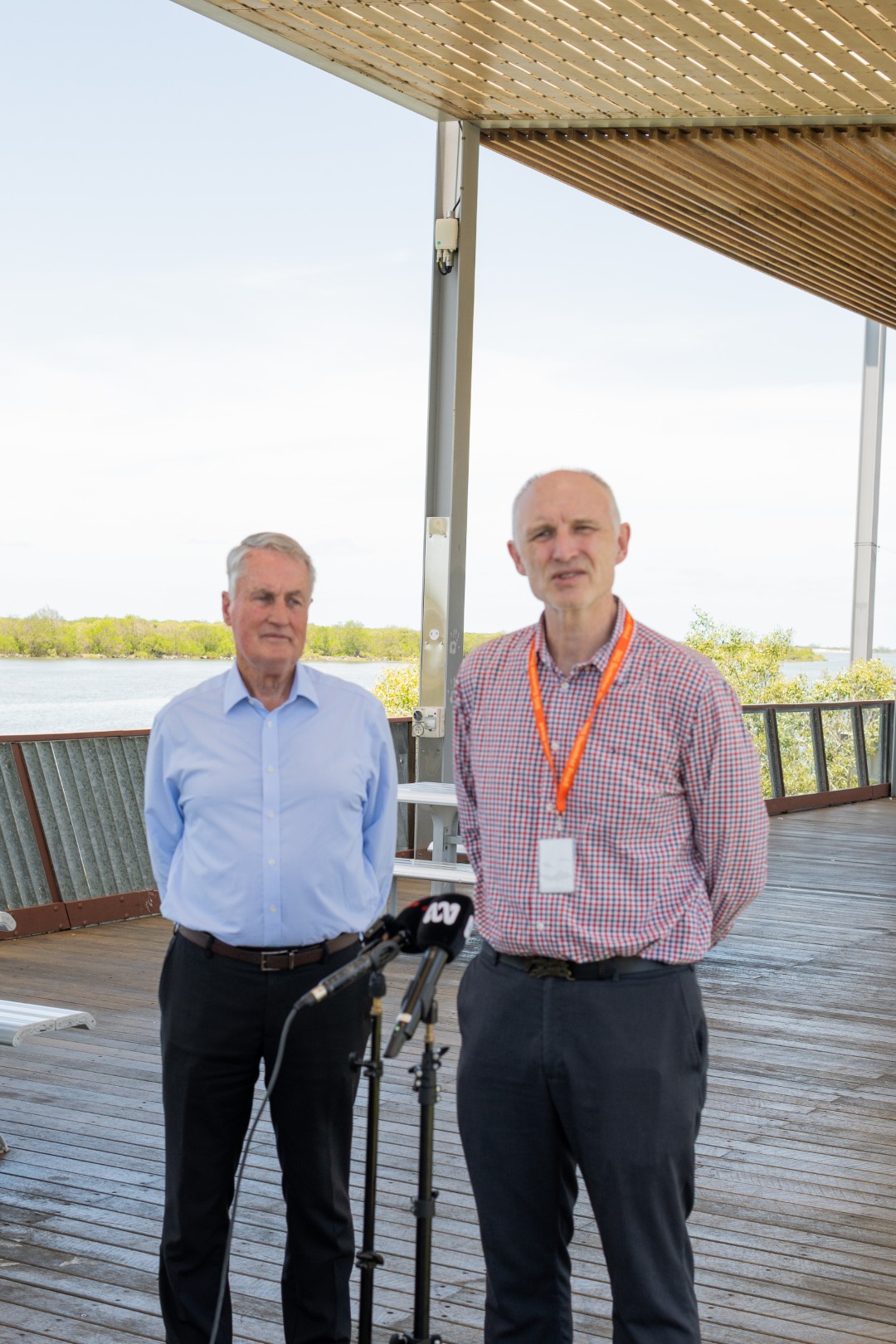
Mayor Greg Williamson and appointed CEO of Mackay Regional Council Gerard Carlyon said the Crisafulli Government and Mackay Regional Council are enforcing public space rules to improve community safety while offering accommodation and support to people sleeping rough across Mackay’s riverfront, CBD and Queens Park. Photo credit: Hannah McNamara
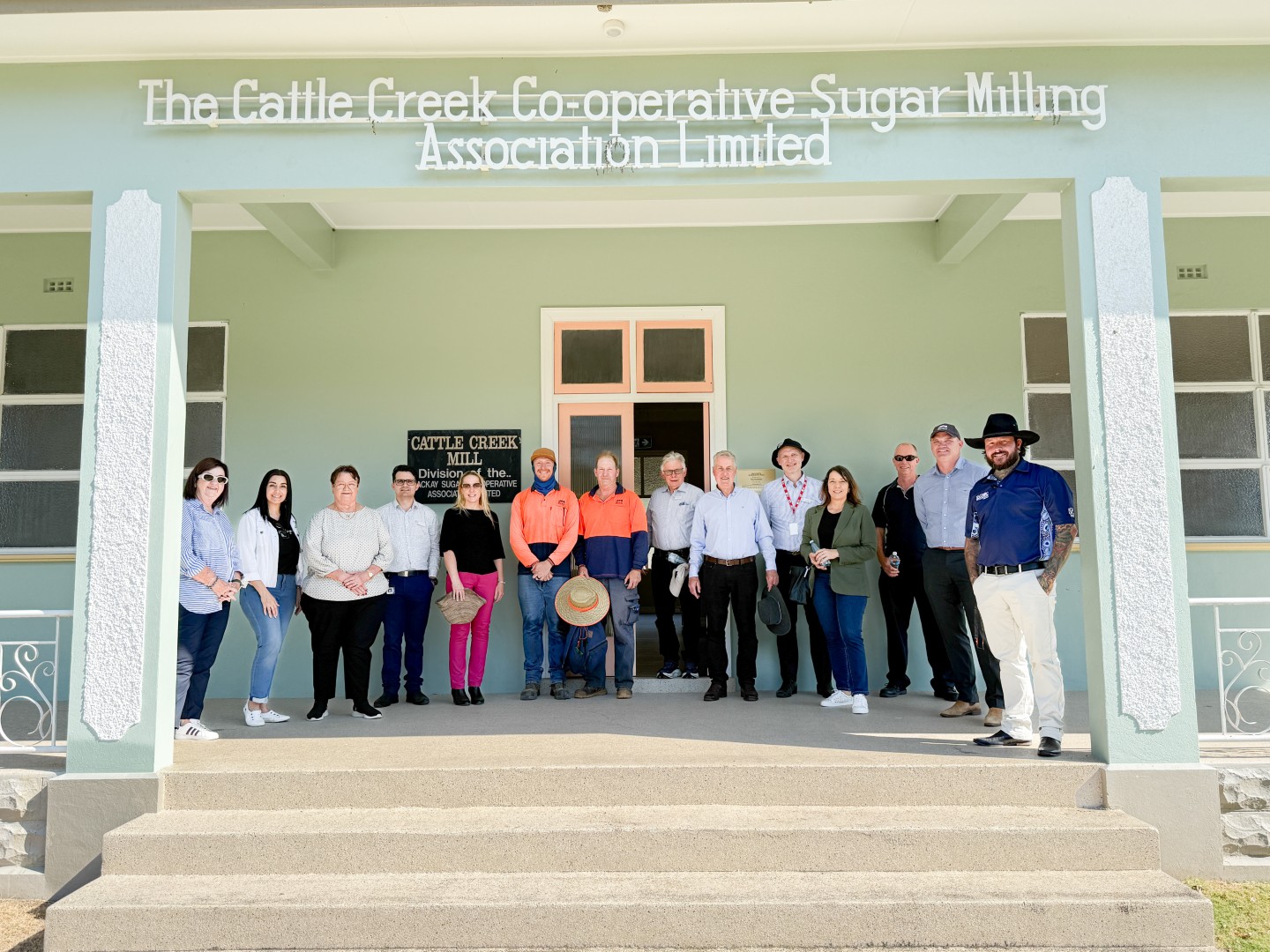
Councillors are swapping the council chambers for taverns, bowls clubs, halls and hotels as they hit the regions in 2026 for the second round of council’s Let’s Chat – Council Connect sessions.
Following last year’s successful trial of the program, councillors have committed to monthly sessions in local areas starting at Eungella and Finch Hatton next Tuesday (February 3).
Councillors will be at the Eungella Chalet from 1pm to 2pm and then will be at the Cattle Creek Admin Building in Finch Hatton from 5pm to 6pm.
Future sessions will be held at regional communities including Midge Point, Sarina, Eton, Seaforth, Koumala, Mirani, Hay Point, Walkerston, Calen and Marian.
Mayor Greg Williamson said residents had been loud and clear in their feedback last year around engagement with their elected officials.
“Residents, especially in our regional areas, were telling us that they didn’t feel heard and appropriately represented by council,” Mayor Williamson said.
“They wanted to feel that councillors knew them personally, knew their issues and their local priorities and represented them when decisions were made,” he said.
“Let’s Chat – Council Connect is residents’ chance to connect directly with their councillors in a relaxed, informal setting in their local areas.
“These aren’t town hall meetings – rather they are informal chats that let councillors build local relationships and get a handle on regional priorities.”
Residents can simply come along, or if required book a 10-minute time slot to discuss a specific issue or idea with a senior council officer.
To book a 10-minute time slot, go to connectingmackay.com.au, click “Let’s Chat – Council Connect” and then go to “Book a Session” on the right-hand side of the page.
No RSVP is required for general attendance. Just drop in and have a chat.
Tea and coffee will be available.
A full timetable of Let’s Chat – Council Connect sessions for the year is available at connectingmackay.com.au
Should you have any questions or need help making a booking, please contact council's Community Engagement Team on 1300 MACKAY (622 529) or email engagement@mackay.qld.gov.au
Photos supplied

Pheobe is a four-year-old American Bulldog currently in care and ready to begin the next chapter of her life in a loving home.
When Pheobe first arrived, she was frightened and facing a challenging road after testing positive for heartworm. She immediately began treatment and has now completed the most difficult phase. Since then, she has gained healthy weight and continues to grow in confidence, showing more of her gentle and happy personality each day.
Pheobe is a people-loving dog who wants to be everyone’s friend. She walks beautifully on a lead and is just as content spending time indoors with her humans. She is known for greeting people at the door with her enthusiastic wiggle-bum and a big smile, complete with her distinctive front tooth.
She is looking for a slow, calm and loving home where big changes are handled with patience and care. As she continues to recover, Pheobe will need limited exercise, so movie nights in is something she is very comfortable with.
Pheobe is microchipped, desexed and up to date with her vaccinations.
Anyone interested in adopting Pheobe is encouraged to contact Lucy’s Lucky Tags and Dog Rescue to find out more. Donations to support Lucy’s Lucky Tags and Dog Rescue are also welcomed.
Bank details: Commonwealth Bank
Name: Lucys Lucky Tags and Dog Rescue Inc
BSB: 064-722
Account: 1069 7243
Photos supplied

Life in the Mackay region can be a balancing act. Between FIFO rosters, sugar industry demands, or busy professional and family lives, even the strongest marriages can feel strained.
Satellite Psychology, a specialist digital practice serving the region, offers the road map back to ‘Us’. While Clinical Psychologist Cassandra Burford provides quality individual therapy for adults, her passion is Gottman Method couples therapy—a renowned approach based on 40 years of research.
“The Mackay region is unique, but local couples report universal relationship struggles. They find themselves stuck in cycles of endless bickering, reeling from big hurts, or simply lacking closeness.”
“The Gottman Method is gold standard for a reason,” Cassandra explains.
“By studying ‘Master’ versus ‘Disaster’ couples, we know exactly what makes love last. My role is helping couples adjust the patterns that keep them stuck. Using the Sound Relationship House (pictured) as our blueprint, we’ll replace disaster habits with research-backed tools that improve relationship satisfaction.”
Satellite Psychology operates entirely online, a choice Cassandra says is perfect for regional Queenslanders.
“In a town like Mackay, privacy is paramount. Online sessions offer unmatched privacy and flexibility, making sure stretched and busy couples don’t go without support. It allows the work to happen where your relationship actually lives—at home.”
“Ultimately, it’s about more than just surviving each week—it’s building real connection and equipping you both with the tools to restore your relationship for more better days together.”
www.satellitepsychology.com.au
Clinical Psychologist Cassandra Burford, from Satellite Psychology

Residents across the Mackay region are being urged to take extra care during post-rain clean-up efforts, with authorities reminding the community to protect themselves against potentially deadly diseases following recent wet weather.
Four cases of melioidosis, a potentially fatal bacterial disease found in ground water and soil, have been confirmed in the region this week, including one in Bowen, one in Seaforth and two at Armstrong Beach south of Sarina.
The four patients, three males and one female, who range in age from 67 to 89 had been exposed to recent flood waters and mud. They are currently patients at Mackay Base Hospital.
Although these cases were not cause for alarm, Townsville and Mackay Public Health Unit physician Dr Steven Donohue said it served as a timely reminder that the elderly and those who have pre-existing medical conditions were at greater risk during the clean up after Cyclone Koji.
“Melioidosis is just one of many serious infectious diseases which are caused by contact with flood waters and soil,” he said.
“Bacteria can enter the body through any skin break in contact with contaminated water, or by breathing in muddy droplets, causing pneumonia,” he said.
“People at most risk of contracting melioidosis are already unwell, elderly, have existing chronic conditions such as diabetes and kidney disease, or are heavy alcohol users.
“Symptoms of melioidosis include fever, cough, chest pain, weight loss, muscle pain and headaches.”
Melioidosis was treated with intravenous antibiotics, and infections were more likely during the wet season when there was a higher chance of coming into contact with mud and flood water, he said.
Dr Donohue urged people to take simple precautions including avoiding contact with muddy water where possible, wearing protective clothing when working outdoors and covering cuts or sores with waterproof dressings when in contact with mud or floodwater.
“If you have come into contact with muddy water or soil and you feel unwell, then seek out medical help as quickly as possible,” he said.
“Early diagnosis and treatment with antibiotics can be life-saving.”
Symptoms of melioidosis can vary but often include fever, cough, chest pain, difficulty breathing, disorientation, headache, seizures, abdominal discomfort, skin abscesses or ulcerations, joint pain and swelling. The effects can be severe and often require hospitalisation.
To reduce your risk of melioidosis infection:
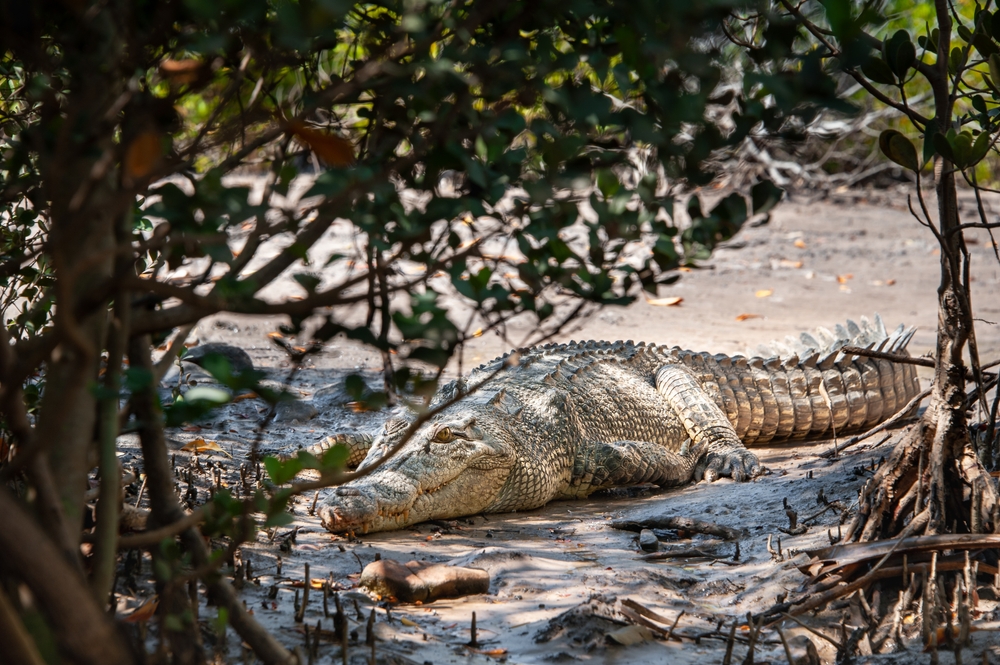
The Queensland Government has updated crocodile management zones in the Mackay region as part of its ongoing efforts to protect the community while conserving estuarine crocodiles.
The changes are part of the Queensland Crocodile Management Plan (QCMP), which guides how crocodiles are managed across the state based on risk. Estuarine crocodiles, or saltwater crocodiles, are a protected species but can pose significant dangers to humans, particularly in waterways near towns and popular recreational areas.
In the Mackay region, crocodile management focuses on removing problem crocodiles—those that are large, aggressive, or have developed a dangerous association with humans. In high-risk zones, such as rivers, creeks, and wetlands frequented by the public, crocodiles may be removed through traps, direct capture, or monitoring patrols.
The QCMP classifies areas into four zones: Active Removal, Targeted Crocodile Removal, General Management, and Reportable Removal. In Active Removal Zones, all crocodiles are targeted for removal, while in Targeted Removal Zones, large crocodiles and those displaying dangerous behaviour are prioritised.
The plan is supported by the long-running Be Crocwise public safety program, which educates residents and visitors about safe behaviour in crocodile habitats. Authorities emphasise that while removal reduces risk, no waterway can ever be considered completely crocodile-free.
Residents are encouraged to report sightings and remain vigilant near rivers, creeks, and wetlands. The Queensland Government also conducts annual consultations to ensure the management plan reflects the latest science and community feedback.
For more information on crocodile safety and reporting sightings, visit the Be Crocwise website.
Estuarine crocodiles are commonly spotted around the region. Photo credit: Linda K

Sugar Research Australia’s (SRA) breeding program is set to undergo a major transformation, with genomics poised to reshape how new sugarcane varieties are developed.
From next year, SRA General Manager Variety Development Dr Garry Rosewarne will be based at Meringa, leading the rollout of genomic selection within the breeding program. DNA, genomics and big data will become central tools, allowing researchers to assess quality and disease resistance much earlier in the breeding process.
“We will be recombining the existing genes from parents through crossing programs like we have always done but now we will be able to select our parents and their progeny much more efficiently and based on data collected from the best lines,” Dr Rosewarne said.
“Using genomic selection we will be able to check for quality and disease resistance right from the beginning so that everything coming through the pipeline will succeed at the end of the PATs, CATs and FATs in the field for traits such as tonnes of cane per hectare, CCS, fibre, and resistance to Pachymetra and smut.”
The change follows eight years of research, with 8,000 sugarcane clones already genotyped, including all parents in the Meringa crossing plot and FAT clones from the past decade. This data has been used to create “training populations” in the field to develop prediction equations linking DNA to performance.
“We genotype these lines and then we test them in the field for tonnes of cane per hectare, CCS scores, smut resistance, for fibre and for Pachymetra resistance,” Dr Rosewarne said.
“From this work we have a prediction equation which enables us to analyse brand new germplasm straight out of the honeymoon suite by taking a DNA sample from the baby leaves.”
Dr Rosewarne said the approach would allow earlier and more accurate selection of promising lines.
“The impact it has on a breeding program is a complete game changer,” he said.

By Joseph Borg, Chairman, CANEGROWERS Mackay
In the century of Queensland CANEGROWERS, the organisation has supported members weathering floods, droughts, cyclones.
One of the recent wins for growers, in the aftermath of the major floods in the Herbert and Burdekin last year, was successfully advocating to government and gaining the inclusion of plant cane losses in disaster recovery grants.
TC Koji certainly brought significant damage from flooding and erosion for many in the top parts of the Pioneer Valley, and other parts of the region like Koumala, Pindi Pindi and Calen copped some substantial falls. We have seen wash out damage to cane rail track and rural roads, and erosion on farms.
We are urging anyone that has sustained damage to complete the Queensland Department of Primary Industries’ disaster survey, to assist government in understanding where and how to direct any funding.
It has also been positive to see some dispensation to allow landholders affected by flooding to do any necessary clearing associated with clean up efforts. There is a fact sheet available to clarify that.
Monsoon activity is just part of life and farming in the tropics, but we can’t get complacent about the hazards that this can bring.
Swollen flooded creeks can present rapids and turbulence that look fun, but in reality, the creeks in flood are full of hidden snags, whether it’s the regular vegetation along the creek, fences, or flood debris like logs. Not great for swimming, and no-one wants to see a tragedy on our beautiful waterways running through the region.
Equally, people should be aware of the increased risk of risk of melioidosis, a serious tropical disease caused by bacteria found in wet soil, mud, and surface water. There’s plenty of people who like to walk about in the wet with no shoes on, but you really do need to have some sort of footwear.
I know growers who have walked through muddy flood waters and contracted it, and are sadly no longer with us because of it. It’s also worth acknowledging that at the time of writing, four cases had already been diagnosed in Mackay area from this rain event.
The floodwaters that have came with Cyclone Koji have receded, but you can bet we will have another pulse of the monsoon before the end of the wet.
On the whole, the rain, which properly began around Christmas has been welcomed by growers, and it has been good to see the sun break through and help the 2026 get a good kick-along, and that has been a real positive start to the Centenary Year for members of Canegrowers Mackay.
The sugarcane growing sector has weathered cyclones, droughts, market changes and technological revolutions and is a testament to the resilience and ingenuity of Queensland’s farming families.
We’re not just celebrating our past this year, we’re looking ahead to a sustainable and prosperous future, we are working on all those things that support our industry- including the resilience of our people and their farms to the challenges that come, whether social, economic or environmental.
From the rich soils of the upper Pioneer Valley to the state of the art, industry-best sugar terminal sheds at the Mackay Harbour, the centenary of Queensland Canegrowers stands as a proud reminder of the enduring spirit and unity that has defined the industry for a hundred years—and promises to carry it forward for many more to come: whatever the weather.
With you, whatever the weather. Sarina cane farmers in the 1920’s. Farmers were far more exposed to weather conditions when Queensland CANEGROWERS formed in January 1926. Photo source: Mackay Canegrowers archive.

Sugar Research Australia (SRA) has taken a major step forward in sugarcane research with the installation of a new DNA extraction robot at IRIS Laboratories, a move expected to significantly speed up the development of superior cane varieties.
The advanced equipment will dramatically increase the number of DNA extractions that can be completed each year for genotyping — the process used to identify specific sugarcane traits — allowing researchers to analyse far more plants in a much shorter timeframe.
The robot operates using a multi-channel pipette system, processing eight tubes with 96 wells simultaneously. Sugarcane leaves are macerated and centrifuged by the machine, streamlining what has traditionally been a highly labour-intensive task.
Variety Development Manager Dr Garry Rosewarne said the investment formed part of SRA’s expanding use of genomics within its breeding program and represented a major boost in efficiency.
“Done manually, somebody in the laboratory must grind up leaf tissues by hand using liquid nitrogen and then centrifuge the contents to separate them to extract and sequence the DNA. The total number of plants that can be analysed is around 1,000 in a fortnight,” Garry said.
“However, with a DNA extraction robot that figure can be increased to 10,000 completed in two to three weeks while the technicians can be employed in more strategic tasks.”
The genotypic data collected will be added to SRA’s growing database, which already includes information from 8,000 clones, encompassing all parent plants in the crossing plot at Meringa and FAT clones from the past decade.
“This ‘training population’ has been grown in the field to establish the strength of the traits in the field compared with the data we have collected in the laboratory,” Garry said.
“The result is the development of ‘prediction equations’ for each sugarcane trait which can then be used for analysing new seed that has just been crossed at Meringa.”
Key traits currently being prioritised include tonnes of cane per hectare, CCS, fibre content, and resistance to smut and Pachymetra. Looking ahead, the same technology could be used to identify additional traits such as disease resistance, plant height, tiller number and maturity.
As Garry put it, “The future just got closer!”
Local growers are encouraged to share which sugarcane traits matter most on their farms and what they would like to see developed next by writing in and having their say.
Sugarcane leaf samples, like these, are used for DNA testing to help identify and develop stronger, higher-yielding cane varieties. Photo credit: Bowonpat Sakaew
Dr Jenny Sun, Genomics Scientist in Variety Development at SRA’s IRIS Laboratories will work with the new robot. Photo source: SRA

By Michael James – Fitness Industry Professional, Facility Owner & Wellness Coach
Every fitness journey begins with a goal. For some, it’s rebuilding strength after an injury. For others, it’s improving energy, gaining confidence, or finding a healthier routine. At Fitness Cartel Mackay, our vision has always been to create an environment where every member — no matter their background or starting point — has the opportunity to pursue those goals in a supportive, world-class setting.
More than equipment
Yes, our facility is packed with high-end equipment and cutting-edge spaces. But what makes Fitness Cartel Mackay truly stand out isn’t just what’s inside the walls — it’s the culture we’re building around it. From the outset, we set out to create a place where ambition could thrive, where families would feel welcome, and where the community could connect through health and fitness.
A place for everyone
Walking into a new gym can sometimes feel intimidating, which is why this facility has been carefully designed with inclusivity in mind. With multiple training zones, group fitness studios, a Reformer Pilates studio, and our Comfort Zone, every member can find a space that feels right for them.
It doesn’t matter whether your goal is to lift heavier, move with greater freedom, tone and strengthen, or simply improve your overall wellbeing — the environment has been created to support progress at every level.
Recovery as part of the journey
Training hard is only half the story. Recovery, rejuvenation, and mental reset are equally important. Our Wellness Centre has been purpose-built for exactly that. Featuring a large, 30-person traditional hot-rock sauna and three contrast therapy pools with a combined capacity of over 70 people, along with compression systems and red-light therapy, it offers one of the most comprehensive recovery experiences available anywhere in the country. Whether your focus is performance, wellness, or balance, recovery has a central place here.
Looking ahead
The opening of Fitness Cartel Mackay marks the beginning of a new chapter for health, fitness, and community in our region. What excites me most is not just the facility itself, but the opportunities it creates for people of all ages, backgrounds, and abilities to come together in pursuit of their own version of greatness.
For me personally, after decades in the industry and visiting some of the best clubs across the globe, seeing a facility of this calibre come to Mackay is incredibly rewarding. But the real reward will come as our community embraces this space, makes it their own, and uses it as a platform to grow stronger — physically, mentally, and socially.
Because at Fitness Cartel Mackay, the journey is only just beginning. And greatness is waiting for everyone who chooses to step inside.

By Cr Ash-Lee Johnson
Recovery is never just about rebuilding what was damaged, it is about learning and becoming stronger together. Each disaster event reminds us that our community is built on how we respond when times are tough and how we support one another.
As Chair of the Human and Social Recovery Sub Group, I see firsthand that the impact is not only structural, but also emotional and social. In times of uncertainty, communities need connection and practical support. This is where our community truly shows its strength.
I want to sincerely thank the many residents who stepped up to help neighbours, check in on friends, share resources and offer a hand where it was needed during Tropical Cyclone Koji. That willingness to look after one another speaks to the strength of our community and is something we should never take for granted.
I also want to acknowledge everyone who played a role in the response and recovery. The people working on the ground, coordinating behind the scenes, and supporting people in ways both visible and unseen. Thank you for your commitment and professionalism, your effort underpins our region’s ability to recover and move forward.
Natural disasters place a multidimensional burden on local councils, who operate at the frontline of recovery. The impacts are felt right across council operations. Budgets are stretched by repair costs and unplanned expenditure, essential services are disrupted and communities require ongoing support as recovery unfolds.
One of the most immediate challenges councils face is damage to local infrastructure. Roads, stormwater networks, community facilities and emergency access are often affected, limiting mobility and slowing recovery for residents and businesses alike. The Queensland Reconstruction Authority’s 2024-2025 Annual Report highlights the scale of this challenge, with 73 of Queensland’s 77 local government areas activated under the Disaster Relief Funding Arrangements and reconstruction costs exceeding $2.2 billion.
With disasters becoming more frequent and severe, we need to look past the urgent response and work on building resilience that lasts. This requires investing in sound planning, strong partnerships and holding a clear understanding of risk. Just as importantly, it means recognising that resilient infrastructure and resilient communities go hand in hand.
We will always be learning. And with each challenge, we have the opportunity to do better together.
Let’s Chat – Council Connect
Residents can catch up with councillors in person at upcoming Let’s Chat - Council Connect sessions held across the region. The next sessions will be held at Eungella and Finch Hatton on Tuesday, February 3.
Details on upcoming sessions can be found on the Connecting Mackay website.
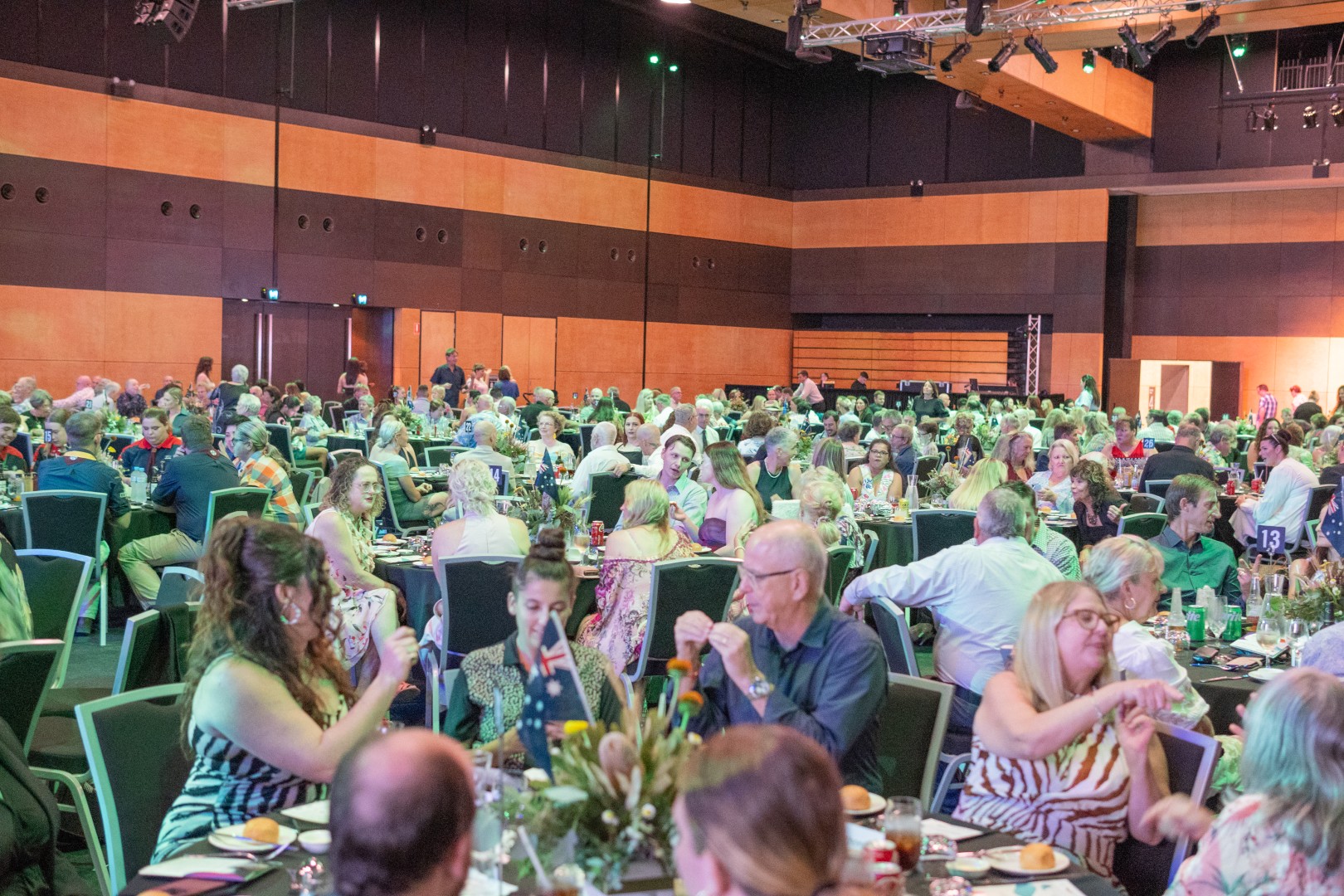
The spirit of community was on full display as the Mackay region gathered for a memorable night of pride, gratitude and celebration at the 2026 Mackay Regional Council Australia Day Awards.
With more than 186 nominations submitted, the awards recognised 98 outstanding individuals and community groups whose dedication, passion and service continue to shape the region.
Mayor Greg Williamson said, “Choosing a winner in each category was a real challenge,” this year.
“The volume of outstanding nominations truly reflects the incredible community we are fortunate to be part of.
“These awards wouldn’t exist without your efforts, so thank you for helping us shine a spotlight on our local heroes.”
The 2026 Australia Day Award recipients are as follows:
• Citizen of the Year: Col Benson
• Young Citizen Award: Amelia Bishop
• Lori Burgess Community Volunteer Award: Edie Weiss
• Senior Sports Award: Daniel Mayfeld
• Young Sports Award: Ayla Moon
• Community Group Award: Mackay parkrun
• Arts and Culture Award: Nicole Thomson
• Environmental Achievement Award: Dr Alison Pighills
• Access and Inclusion Achievement Award: Krystal Demaid
Ayla Moon and Nicole Thomson were absent on the night of the awards
Congratulations to all winners and nominees recognised for their outstanding contributions to the Mackay community!
Find the pics here!: https://tinyurl.com/2bg69tdf
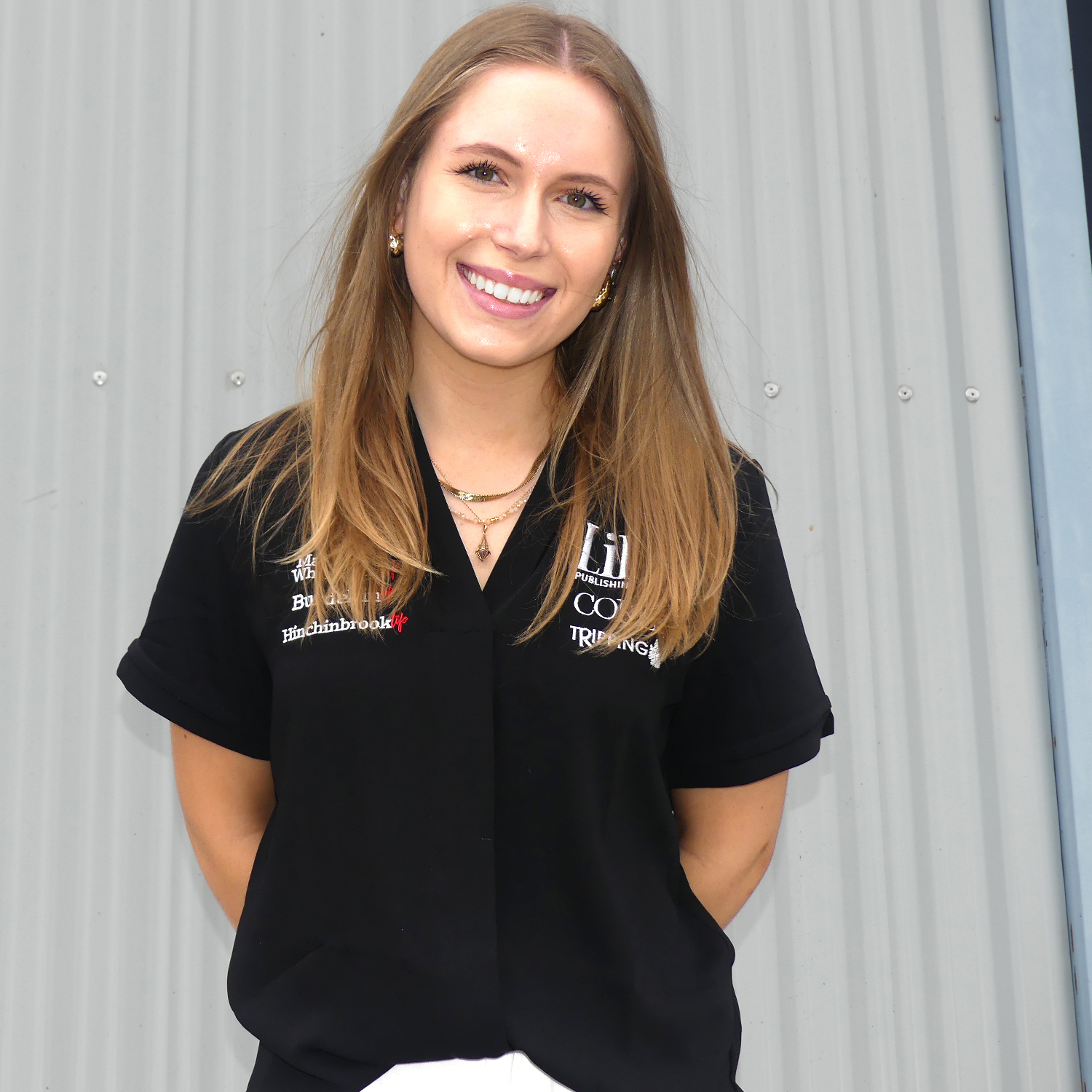
Hi Whitsundays!
I’m not sure if I’ve ever formally introduced myself to you all before, but hi, I’m Chelsea.
I’ve been working behind the scenes of Whitsunday Life for around a year now, however, I’ve been writing for Burdekin Life for over two years. Although I’ve been working alongside the talented Life Publishing team for what feels like forever, this month saw me enter the office for the VERY FIRST TIME!
I grew up in Ayr, yet for the past couple of years, I’ve been writing the stories of North Queensland from Brisbane, the United States, Africa and all over Europe!
I spent the entirety of last year travelling and exploring the world; skydiving over the island of O’ahu, sandboarding down the dunes of the Sahara Desert and making millions of memories and friends across the globe. I hope one day soon you all find yourself in a position to pack a suitcase and book a one-way ticket because as cliché as it sounds, it’ll be one of the best experiences of your life!
In just a week, I’ll set off on my next adventure, but for now, I’ve very much enjoyed indulging in the serenity of the Whitsundays and staying with my grandparents at our family’s holiday house in Adelaide Point.
Send me an email at Chelsea@LifePublishingGroup.Com and say g’day. I’d love to continue sharing your stories and meeting you all!
Until next time, have a great read, and a great week!
Chelsea.
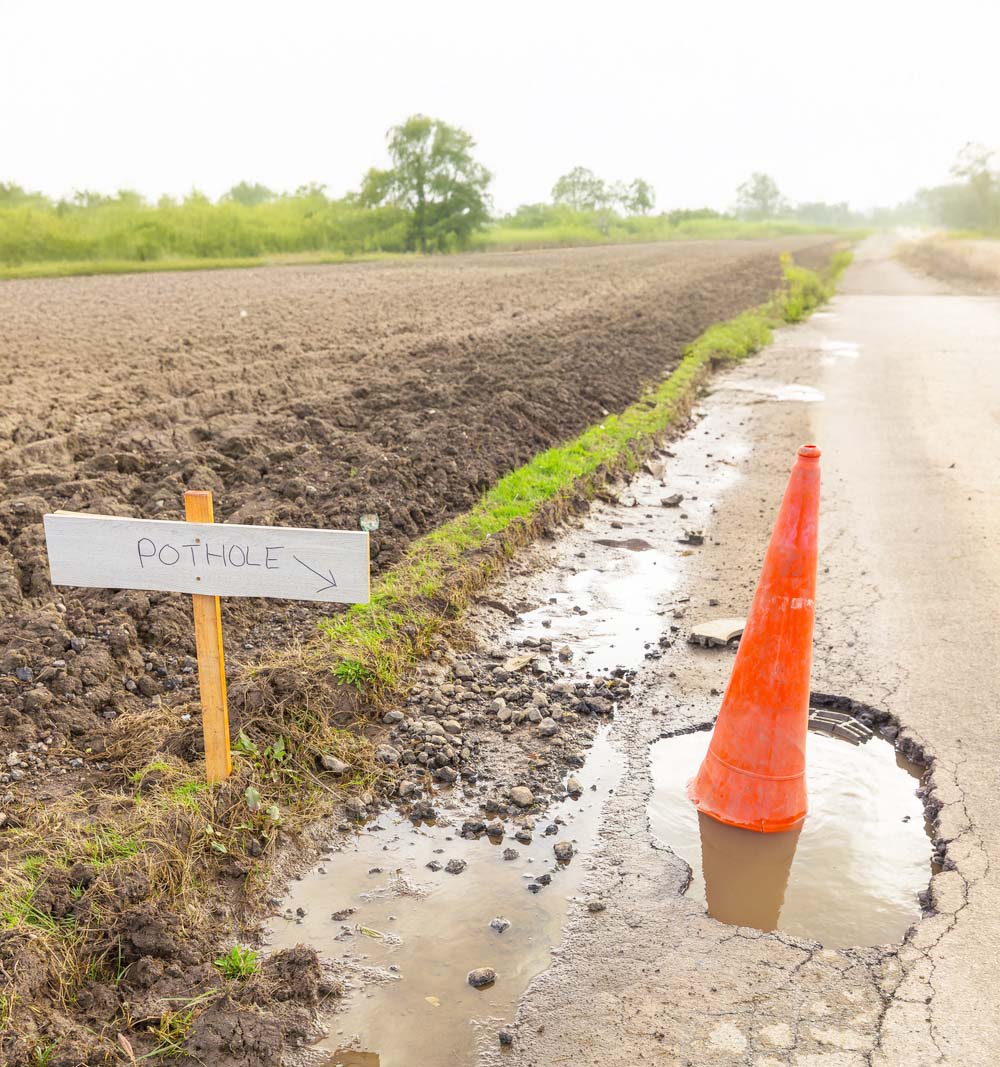
In light of recent weather events, including Ex-Tropical Cyclone Koji, residents have been looking out for one another, citing local damage across the region and posting warnings on private community pages to ensure the safety of others.
A helpful local recently shared a heads-up for anyone travelling between Collinsville and Bowen. They spotted a large water-filled pothole near the railway crossing by Terry’s Creek and warned others to take care.
The post reminded drivers that the pothole is easily avoidable if you spot it in time and watch for oncoming traffic. Simple advice like this can make a huge difference, especially during the wet season when road hazards pop up quickly.
It’s a great example of locals looking out for locals — sharing tips, keeping each other safe, and helping everyone get home without incident. If you see something on the road that could be dangerous, don’t keep it to yourself — let your neighbours know and report the incident to Whitsunday Regional Council's Customer Service Centre by calling 1300 972 753.
Residents have been looking out for one another following local damage from Ex-Tropical Cyclone Koji. Photo source: Shutterstock
Publishers Indemnity. Any individual or entity that places advertising, supplies copy material, or submits editorial content to Core Life Publishing agrees and undertakes to ensure that all such material:- Does not infringe upon any copyright, trademark, or other intellectual property rights;- Is free from any content that could be considered defamatory, libelous, or slanderous;- Does not infringe upon any rights related to privacy or breach of confidence;- Contains no obscene, indecent, or otherwise unlawful material;- Complies fully with the Trade Practices Act and all other applicable laws, regulations, or statutes.Furthermore, by submitting or placing such material, these individuals or entities agree to indemnify and hold harmless the publisher, Core Publishing and Events Pty Ltd, and/or its agents from and against any and all investigations, claims, demands, liabilities, damages, costs, or judgments arising out of or in connection with the material provided. All material is believed to be accurate at the time of printing and remains the copyright of Core Publishing and Events Pty Ltd.
© 2026 Mackay and Whitsunday Life Pty Ltd.
