Independently Owned, Locally Grown, Community Loved


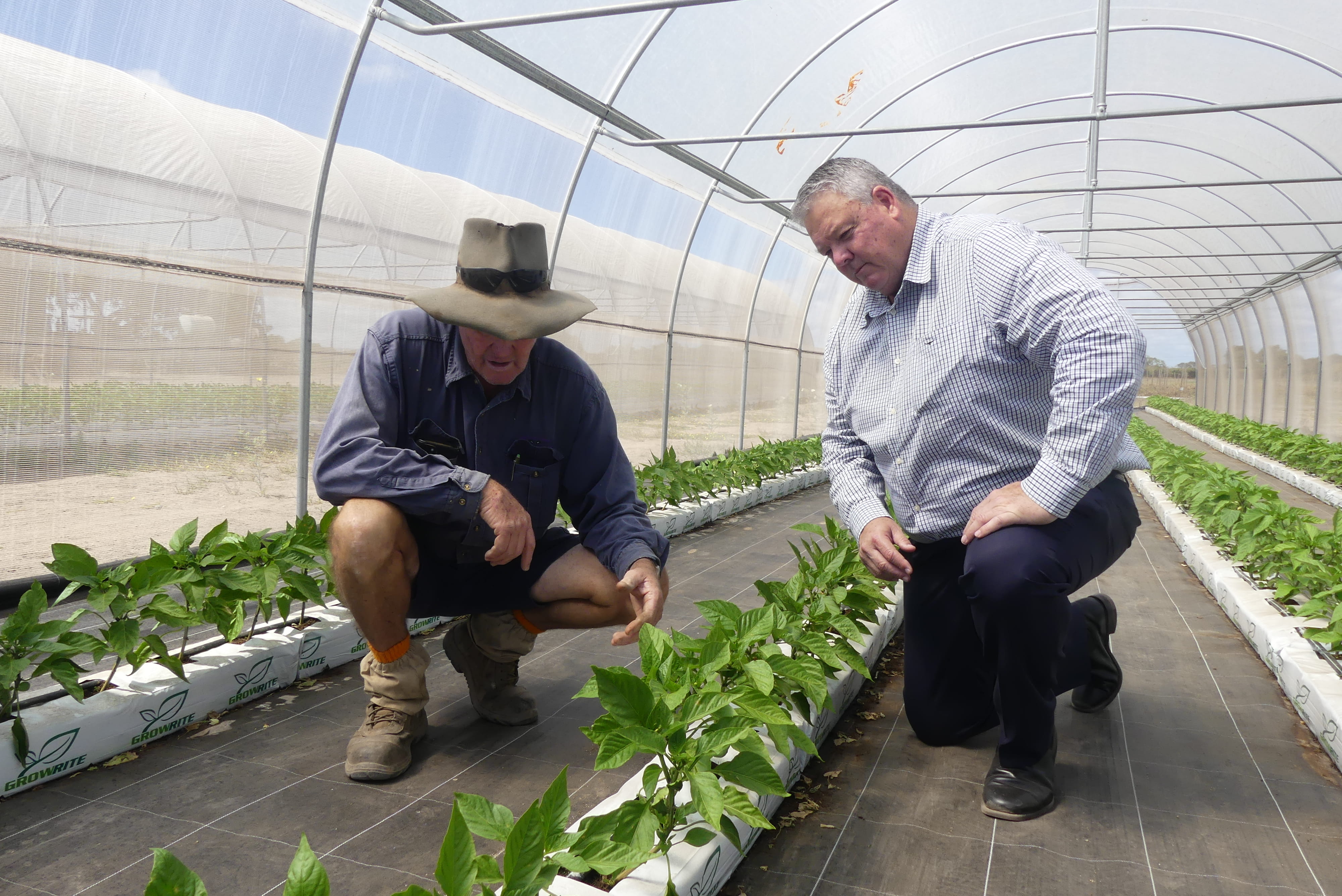
Andrew Willcox MP and Carl Walker, Bowen farmer
Pressure on housing and demand for seasonal workers are at the centre of the migration debate in Dawson, with the Coalition proposing to cut overall migration while protecting workforce programs supporting regional industries.
Released on the 6th October, the Coalition’s Australia-First Migration Plan proposes scrapping the backpacker ballot and caps on second- and third-year working holiday visas, reducing fees for regional workers and prioritising regional employment.
Federal Member for Dawson Andrew Willcox said the plan aimed to give housing and infrastructure time to catch up while maintaining access to workers needed by local businesses.
“You cannot run a tourism economy in Airlie Beach without workers, you cannot harvest a crop in Bowen without workers,” he said.
The plan forms part of a broader push to reduce migration and follows Labor’s proposed restrictions on working holiday visas, which have raised concerns among North Queensland farmers and tourism operators who rely on backpackers to fill seasonal jobs.
“We need those people to fill the gaps in the hospitality industry, you know, to be baristas, to work behind bars, particularly around school holidays and peak periods when we need extra staff,” Mr Willcox said.
“That’s where those working holiday maker visas really fill that gap.”
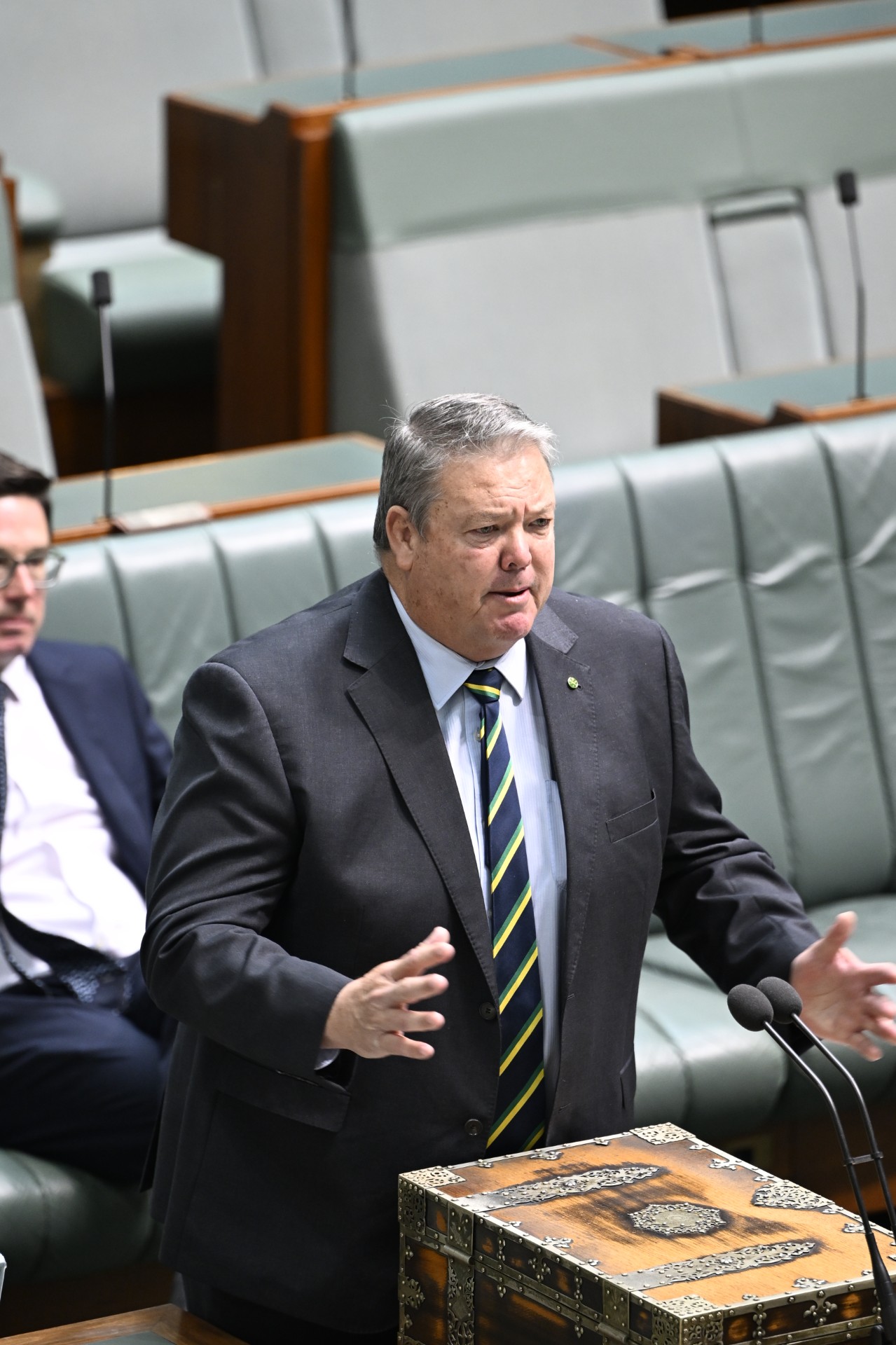
“Once they haven’t got the work, then they become the holiday maker themselves.”
Beyond working holiday visas, the plan would reduce net overseas migration to 100,000 a year for the first two years, rising to 130,000 in year three and 160,000 in year four. It also proposes reducing the number of temporary visa holders by around 650,000 over four years, while capping the permanent migration program at 185,000 places annually.
Higher-skilled migrants would receive priority, with stronger requirements around income, age, English proficiency and full-time employment. The Coalition also proposes introducing 15,000 Skilled Project Visas annually to address workforce shortages on major projects.
Other changes include abolishing Temporary Graduate Visas, reducing international student migration and tightening temporary visa rules, while protecting regional programs supporting agriculture, health, tourism and hospitality.
“We will protect the regional migration programs our farmers, tourism operators and communities rely on, while bringing overall migration back to sustainable levels.
For the Whitsundays, the proposal would retain access to seasonal workers in tourism and hospitality while prioritising skilled migrants to fill shortages in areas such as construction and health care.
“We need fewer people coming overall, but we also need to make sure the people we do bring in are going to the places where they are genuinely needed,” he said.
Publishers Indemnity. Any individual or entity that places advertising, supplies copy material, or submits editorial content to Core Life Publishing agrees and undertakes to ensure that all such material:- Does not infringe upon any copyright, trademark, or other intellectual property rights;- Is free from any content that could be considered defamatory, libelous, or slanderous;- Does not infringe upon any rights related to privacy or breach of confidence;- Contains no obscene, indecent, or otherwise unlawful material;- Complies fully with the Trade Practices Act and all other applicable laws, regulations, or statutes.Furthermore, by submitting or placing such material, these individuals or entities agree to indemnify and hold harmless the publisher, Core Publishing and Events Pty Ltd, and/or its agents from and against any and all investigations, claims, demands, liabilities, damages, costs, or judgments arising out of or in connection with the material provided. All material is believed to be accurate at the time of printing and remains the copyright of Core Publishing and Events Pty Ltd.
© 2026 Mackay and Whitsunday Life Pty Ltd.