Independently Owned, Locally Grown, Community Loved


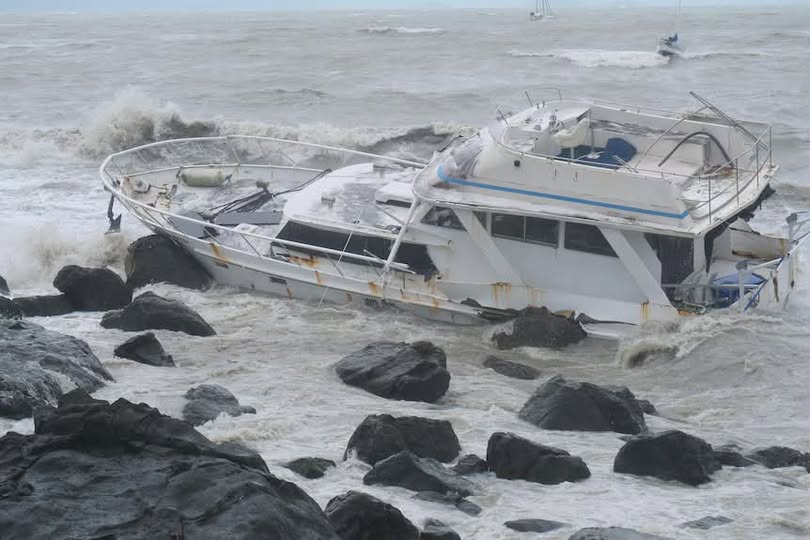
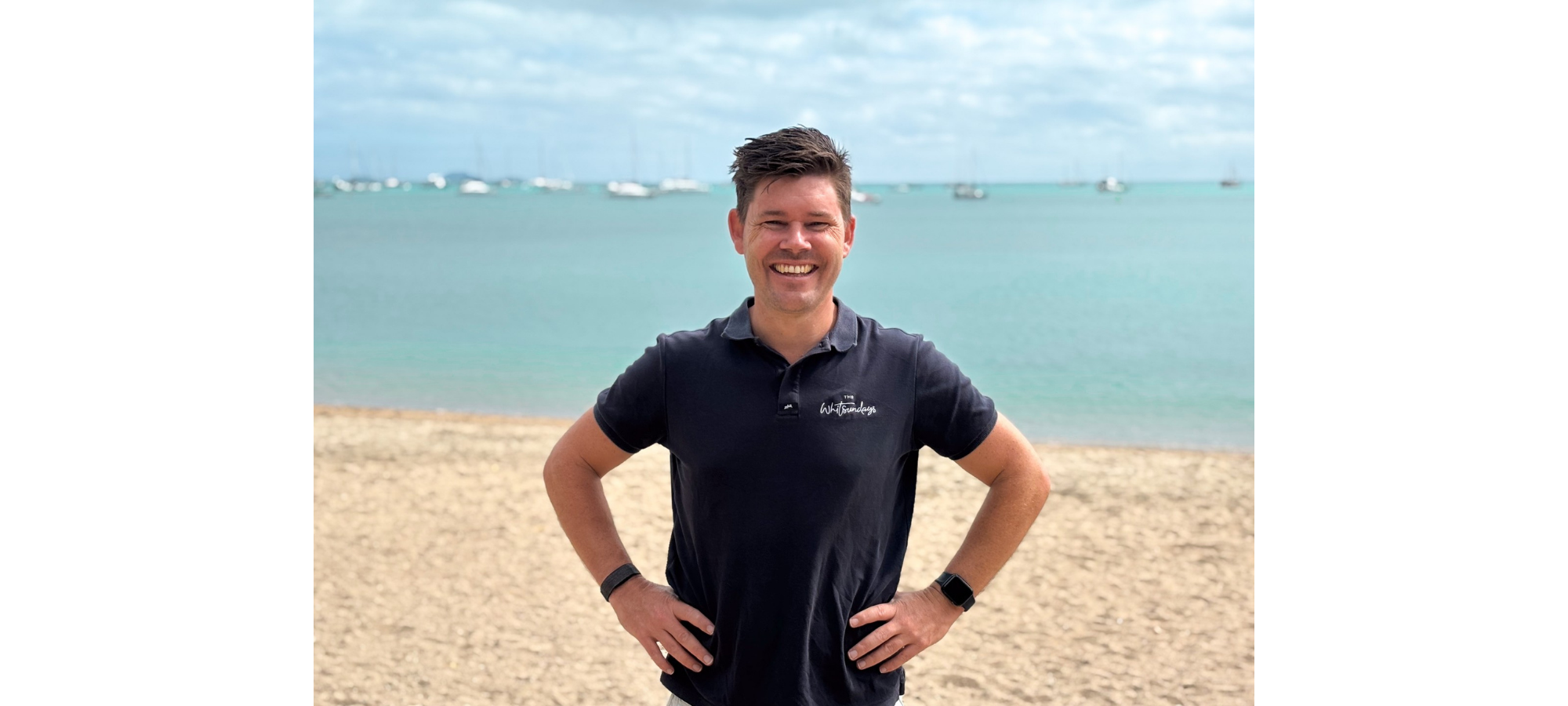
Photo supplied: Mayor Ry Collins
The Whitsundays can breathe a sigh of relief after the Federal Government dropped its proposed 50/50 disaster recovery funding model, following sustained advocacy from Queensland councils and regional leaders.
On Friday 9th October the Federal Government confirmed it would withdraw the 50/50 disaster recovery scheme, retaining the existing funding arrangements for communities recovering from natural disasters.
"This is a huge win for disaster-prone communities like Dawson, and I'm incredibly
proud to have fought alongside our regional mayors to get this result," said Federal Member for Dawson Andrew Willcox MP.
"From the moment Labor announced these cuts, I warned they would be devastating for regional councils and the ratepayers who would ultimately be left picking up the bill.
"Today, the Government has finally listened, and common sense has prevailed.”
Here in the Whitsundays, Council’s past recovery costs paint a clear picture of how much the proposed changes could have hurt the region.
“Our analysis showed the proposed 50/50 funding model could have left the Whitsundays facing an estimated $25 million funding gap if it had applied to disaster recovery works since 2018,” said Mayor Ry Collins.
“That is a massive impost for a regional council and would have meant some tough decisions around rebuilding damaged infrastructure, Council budgets and potentially additional costs for ratepayers.”
Since the proposal was announced on 5th June, regional leaders across North Queensland have pushed for the existing funding arrangements to remain, warning that the changes could place greater pressure on council budgets and ratepayers.
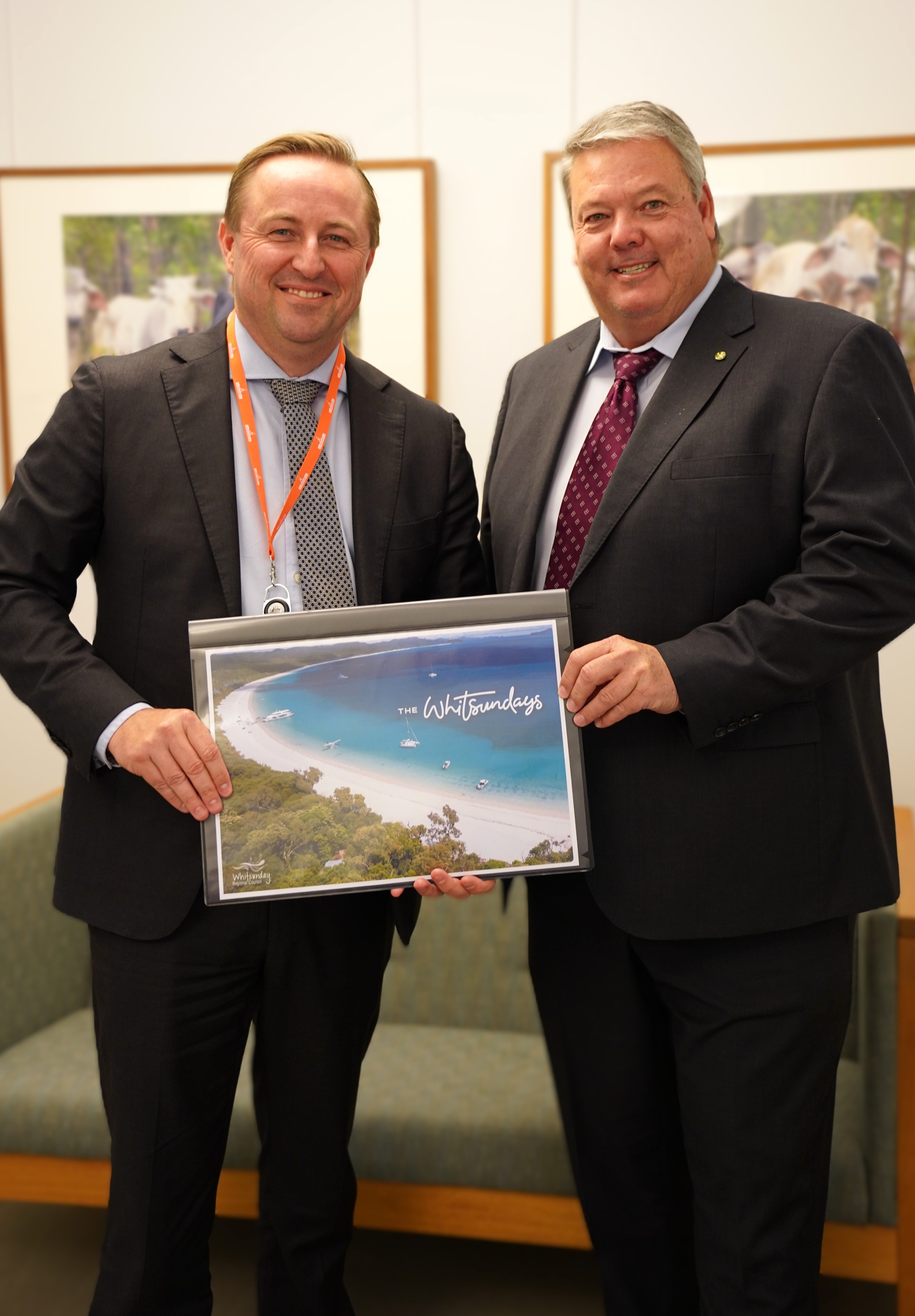
For Mayor Collins, this has included racing to regional meetings like the coastal leaders’ forum, joining the Local Group Association of Queensland (LGAQ) and flying down to Canberra with Andrew Willcox MP to voice regional concern.
“From regional and coastal leaders' forums to taking our case directly to Canberra, this has been a sustained and united advocacy effort,” he said.
With another disaster season approaching, the next priority points to strengthening our local infrastructure before cyclones and floods hit.
“But disaster funding isn't just about rebuilding after the event. We also need continued investment in making our roads, bridges, drainage networks and other essential infrastructure more resilient so they can better withstand future cyclones and flooding,” said Mayor Collins.
“Every dollar invested in disaster resilience now has the potential to save considerably more in recovery costs down the track.
“As we head into another disaster season, this decision provides important reassurance for our community that the funding partnership needed to help rebuild after a major disaster will remain in place.”
Publishers Indemnity. Any individual or entity that places advertising, supplies copy material, or submits editorial content to Core Life Publishing agrees and undertakes to ensure that all such material:- Does not infringe upon any copyright, trademark, or other intellectual property rights;- Is free from any content that could be considered defamatory, libelous, or slanderous;- Does not infringe upon any rights related to privacy or breach of confidence;- Contains no obscene, indecent, or otherwise unlawful material;- Complies fully with the Trade Practices Act and all other applicable laws, regulations, or statutes.Furthermore, by submitting or placing such material, these individuals or entities agree to indemnify and hold harmless the publisher, Core Publishing and Events Pty Ltd, and/or its agents from and against any and all investigations, claims, demands, liabilities, damages, costs, or judgments arising out of or in connection with the material provided. All material is believed to be accurate at the time of printing and remains the copyright of Core Publishing and Events Pty Ltd.
© 2026 Mackay and Whitsunday Life Pty Ltd.