Independently Owned, Locally Grown, Community Loved


A day out on the tranquil sands of Horseshoe Bay turned into a harrowing emergency for an Ayr family, when their nine-year-old granddaughter Olivia was stung by an Irukandji jellyfish.
Chris Richardson, Olivia’s grandmother, is now sharing the family’s story to raise awareness about the dangers of Irukandji stings.
On Monday 2nd February, the family spent their morning teaching Olivia to fish in the shallows – even though, as Chris jokes, the seagulls got 90% of the bait. At lunchtime, Olivia suddenly stated her skin felt really itchy, all over her body.
Thinking it was just sea lice, Chris sent Olivia for a shower, but when she returned feeling worse, she decided to take her home to see a doctor.
But quickly, the symptoms progressed, with Olivia complaining of pain, her skin now hurting all over.
Chris admits she initially wondered if Olivia was exaggerating, joking that her granddaughter has a flair for dramatics and will request a bandage for the lightest scratch.
But then, Chris asked Olivia to pinpoint the pain, and Olivia said, “it feels like it's in my chest and it's going around my back.”
Straight away, alarm bells sounded.
A former nurse, Chris recognised the symptom as an indication of heart distress, which presents this way in women — very different from the crushing chest pressure more commonly described by men.
Instead of driving home to Ayr, Chris and Olivia’s Grandfather, Bob, made a decision that likely saved Olivia’s life, choosing to head straight to Bowen Hospital’s emergency department.
According to the treating doctor, had they attempted the longer drive home, Olivia may have gone into cardiac arrest in the car.
On arrival at the emergency department, Olivia had begun going into cardiac fibrillation. Staff moved quickly, administering antivenom and magnesium — a treatment used to reduce pain and protect the heart from dangerous rhythm disturbances associated with Irukandji syndrome.
Seeing Olivia in such pain was incredibly difficult for Chris and Bob, with Bob also treated for shock.
Chris credits the staff at Bowen Hospital for their exceptional service, keeping calm, and treating her granddaughter with an astounding level of care — from the receptionist at the front desk to the emergency nurses and the attending doctor.
Praising Doctor Luke, she said, “He’s got three daughters himself, which helped him relate to Olivia. He spoke to her very gently and held her arm while she was crying, explaining everything they were going to do and why.”
Later, Chris joked to her husband, “If I ever get sick, you bring me down to Bowen Hospital.”
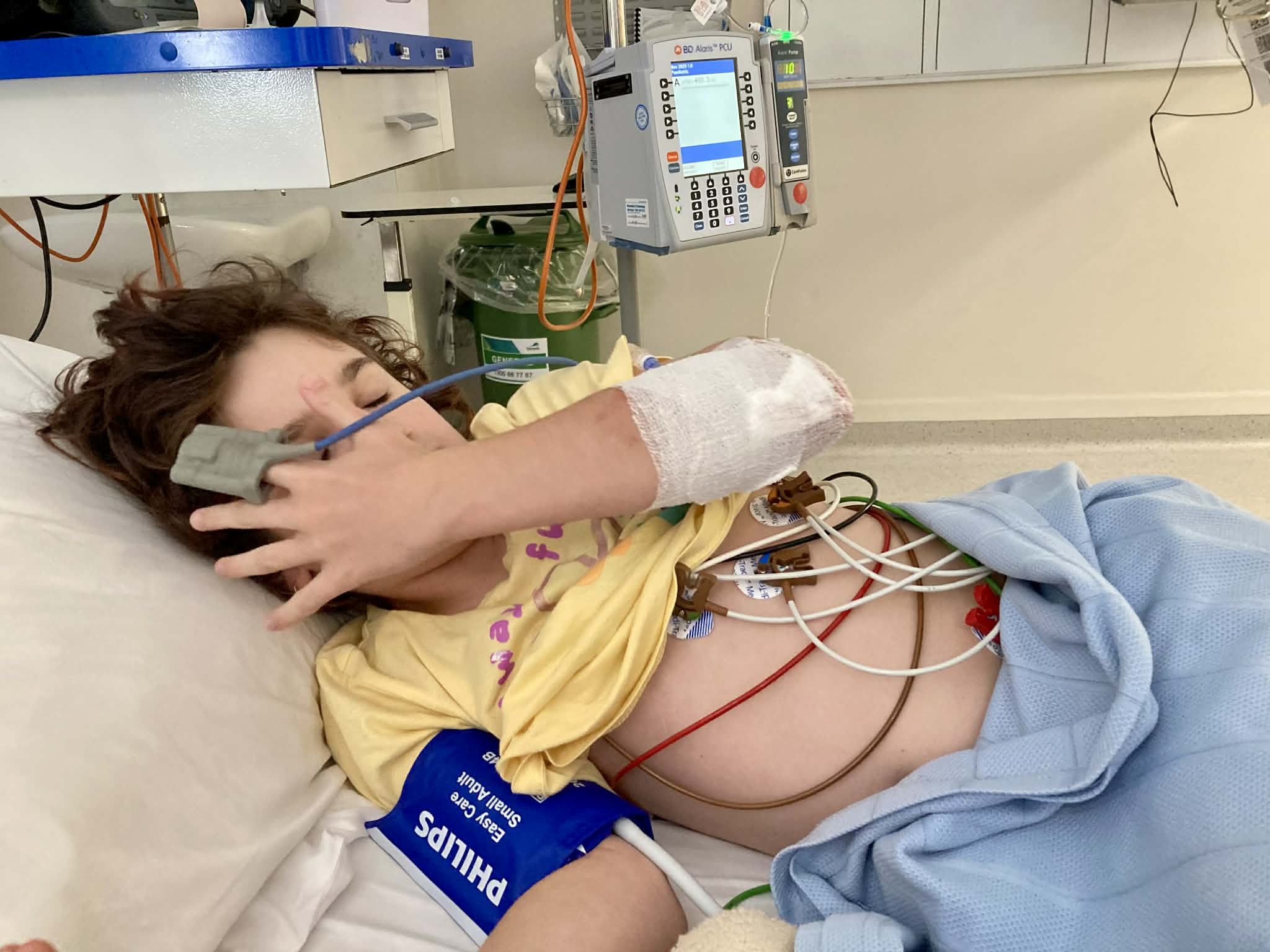
Olivia was kept in hospital for two days on an intravenous drip before being discharged. While the physical side effects — tingling skin and fatigue — eased within days, the emotional impact has lingered, with Olivia going through occasional bouts of tears as she processes what she experienced.
“She kept crying out, “I’m not going to die. Nanny, don’t let them make me die”,” Chris explained.
Thankfully, Olivia has now made a full recovery. The family hope the experience won’t keep her from enjoying the ocean — now equipped with a new understanding of Irukandji risks and safety precautions.
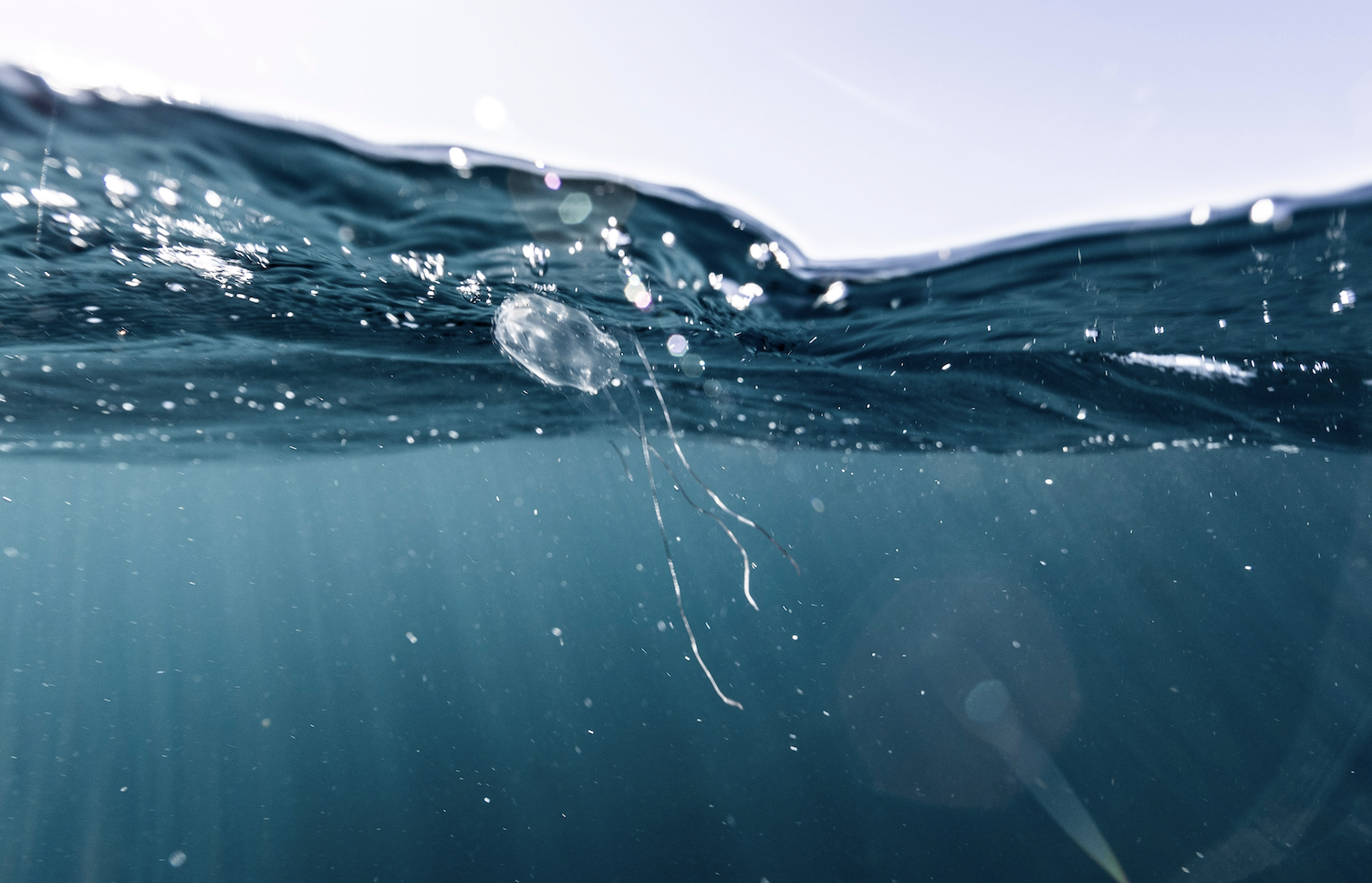
Chris warns locals and holidaymakers to be careful; Irukandji jellyfish are small, around the size of a fingernail and so are difficult to see. The initial stings themselves can go undetected, but their aftermath can include severe pain, nausea, high blood pressure and heart complications.
Whitsunday Regional Council advises swimmers to take the following precautions:
If you suspect an Irukandji sting, call 000 immediately. When in doubt, treat it as Irukandji and seek urgent medical attention.
1 – 9 Year Old Olivia overcame a nasty Irukandji sting. Photo supplied
2 – The brave girl spent 2 days in Bowen Hospital, receiving exceptional care. Photo supplied.
3 – Irukanji jellyfish are transparent, and one cubic centimetre- making them hard to detect. Photo source: Shutterstock
Publishers Indemnity. Any individual or entity that places advertising, supplies copy material, or submits editorial content to Core Life Publishing agrees and undertakes to ensure that all such material:- Does not infringe upon any copyright, trademark, or other intellectual property rights;- Is free from any content that could be considered defamatory, libelous, or slanderous;- Does not infringe upon any rights related to privacy or breach of confidence;- Contains no obscene, indecent, or otherwise unlawful material;- Complies fully with the Trade Practices Act and all other applicable laws, regulations, or statutes.Furthermore, by submitting or placing such material, these individuals or entities agree to indemnify and hold harmless the publisher, Core Publishing and Events Pty Ltd, and/or its agents from and against any and all investigations, claims, demands, liabilities, damages, costs, or judgments arising out of or in connection with the material provided. All material is believed to be accurate at the time of printing and remains the copyright of Core Publishing and Events Pty Ltd.
© 2026 Mackay and Whitsunday Life Pty Ltd.

.jpg)