Independently Owned, Locally Grown, Community Loved
Bowen Growers Speak Out Against New Backpacker Visa Restrictions
In Bowen, a good harvest depends on having hands at the ready when the crops are ripe.
Backpackers have long provided that workforce, moving with the seasons and helping growers bring capsicums, mangoes, tomatoes and other produce from the paddock to Australian tables.
But under the Federal Government’s proposed changes, second-year working holiday visas would be capped at 45,000 and third-year visas at 5,000, with places decided by ballot.
Local farmers fear that uncertainty could leave regional communities without the seasonal workforce they have come to rely on.
Farmers in Bowen and across Australia fear they could be left without the seasonal workers needed to harvest their crops following the Federal Government’s crackdown on backpacker and student visas.
Under the proposed changes, backpackers seeking to stay beyond their first year would enter a ballot for limited places, with Second-year visas capped at 45,000, down from about 57,000 last year, while third-year places would fall from approximately 31,000 to 5,000.
Applicants must still complete 88 days of regional work for the second-year ballot and six months for the third. The Federal Government says the restrictions will provide greater control over migration, but growers warn they could discourage backpackers and further shrink the seasonal workforce.
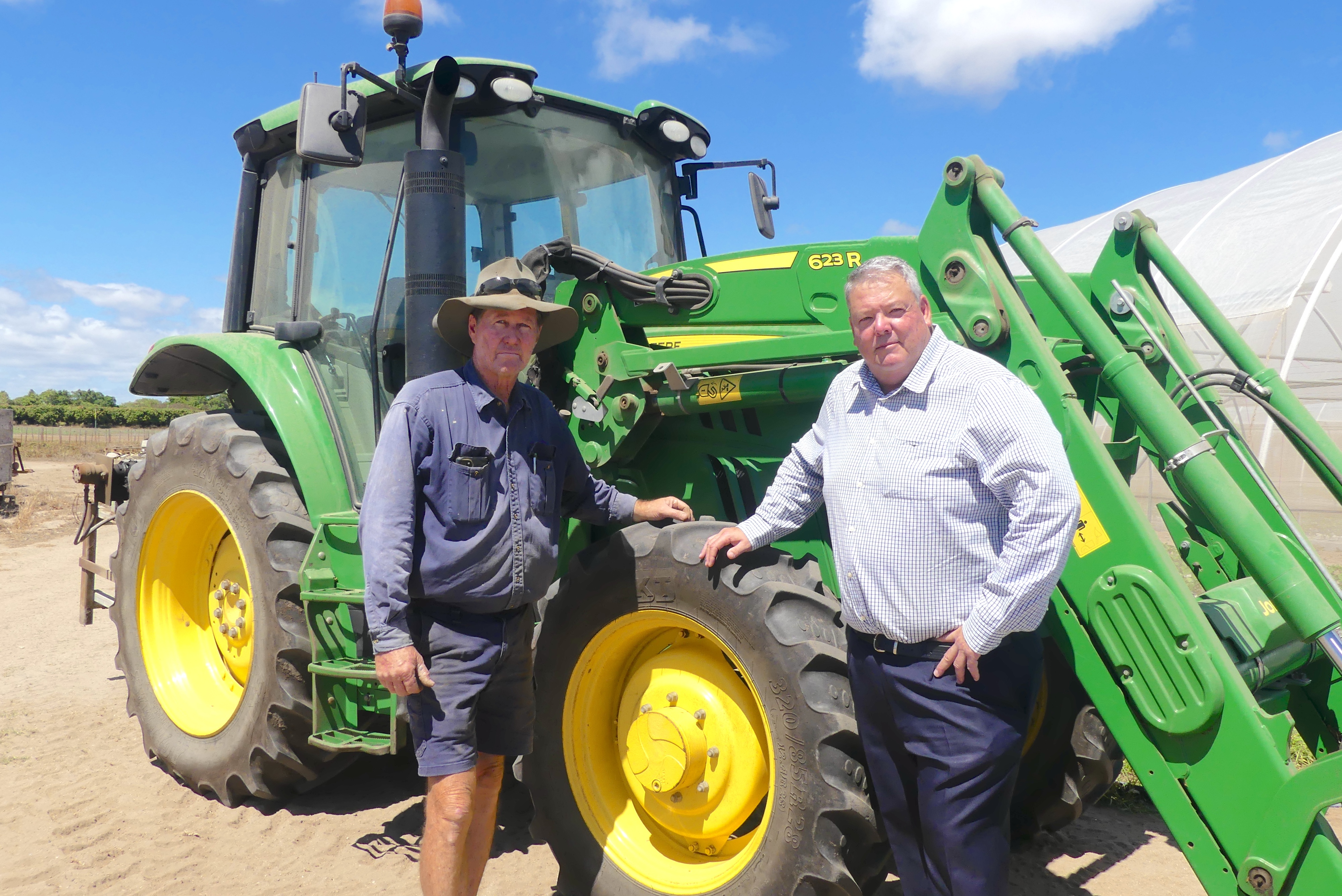
“You’ve got backpackers now thinking, ‘Do I apply for a second visa? Do I even bother coming to Australia? We’ll go to Canada or New Zealand, somewhere they actually want us,’” said Chair of the North Queensland Farmer Carl Walker.
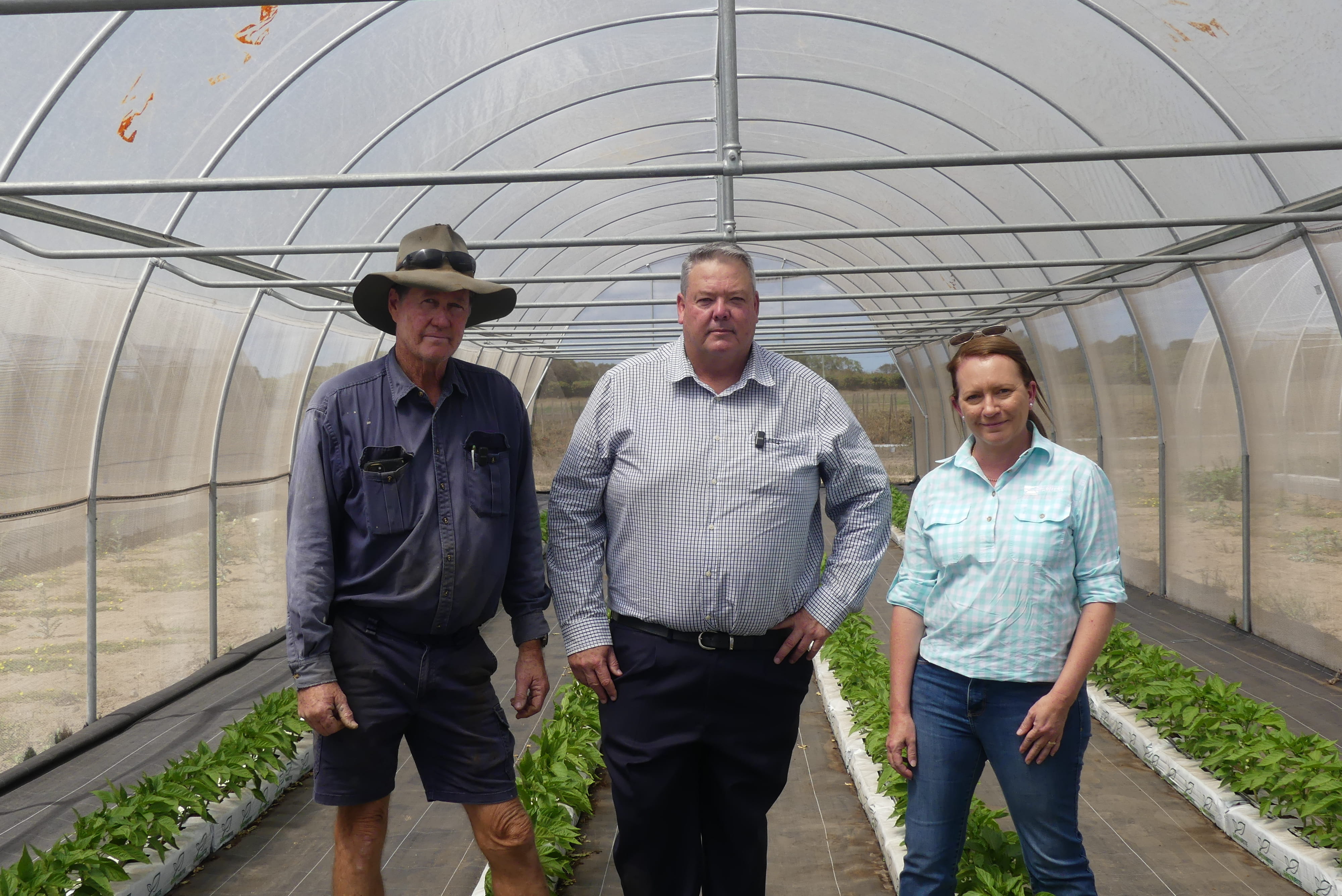
Carl Walker has grown capsicums in Bowen for 30 years and understands how quickly labour demands can change during harvest. Unlike permanent employees and workers employed through the Pacific Australia Labour Mobility (PALM) scheme, backpackers provide farms with a flexible workforce that can rapidly expand when warm weather causes crops to ripen at once.
“If the weather changes and everything comes on at once, you might need another 50 or 100 people,” Carl said.
“You can’t just find another 50 locals or PALM workers, but with backpackers, you can bring them in when you need them.
“We could lose up to 30 per cent of our product with no return.”
That pressure is not confined to Carl’s capsicum crop, with NQ Farmers CEO and former mango grower Jenn Honnery warning the changes could also threaten one of Bowen’s best-known delicacies.
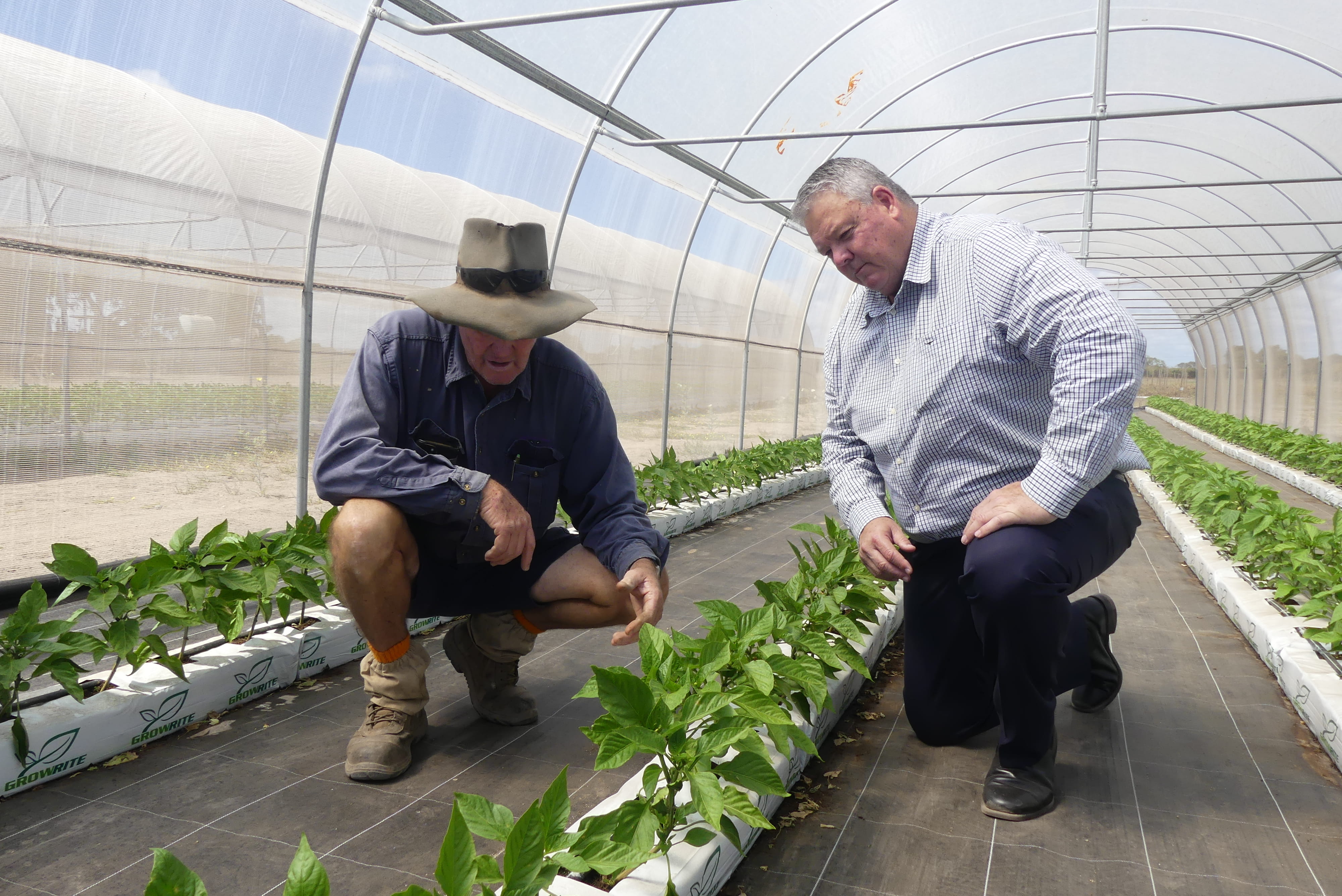
“Mangoes are a Christmas fruit, and we want Australians to have them on their Christmas lunch tables,” Jenn said.
“With this reduction, the Bowen Special could be at risk.”
The impacts of a labour shortage during harvest season would extend beyond the farm gate, with Federal Member of Dawson and former Tomato Farmer Andrew Willcox MP warning that unpicked crops would reduce supply and push prices higher for families at the checkout line.
“If that fruit falls to the ground, it won’t make it to market,” Mr Willcox said.
“Under the simple laws of supply and demand, prices will rise and every Australian will pay more for fresh fruit and vegetables, while the farmer also misses out.”
On top of the trickle-down effect on local business and tourism, Mr Willcox criticised the Federal Government for introducing the changes without properly consulting the regional industries that rely on backpacker labour.
“This was handled really badly,” Mr Willcox said.
“It was announced at the National Press Club and didn’t come through Parliament, despite being a major impost on growers and the hospitality industry.
“They’re incredibly important, and for the government not to understand the seasonality of this region is a major problem.”
Publishers Indemnity. Any individual or entity that places advertising, supplies copy material, or submits editorial content to Core Life Publishing agrees and undertakes to ensure that all such material:- Does not infringe upon any copyright, trademark, or other intellectual property rights;- Is free from any content that could be considered defamatory, libelous, or slanderous;- Does not infringe upon any rights related to privacy or breach of confidence;- Contains no obscene, indecent, or otherwise unlawful material;- Complies fully with the Trade Practices Act and all other applicable laws, regulations, or statutes.Furthermore, by submitting or placing such material, these individuals or entities agree to indemnify and hold harmless the publisher, Core Publishing and Events Pty Ltd, and/or its agents from and against any and all investigations, claims, demands, liabilities, damages, costs, or judgments arising out of or in connection with the material provided. All material is believed to be accurate at the time of printing and remains the copyright of Core Publishing and Events Pty Ltd.
© 2026 Mackay and Whitsunday Life Pty Ltd.