Independently Owned, Locally Grown, Community Loved

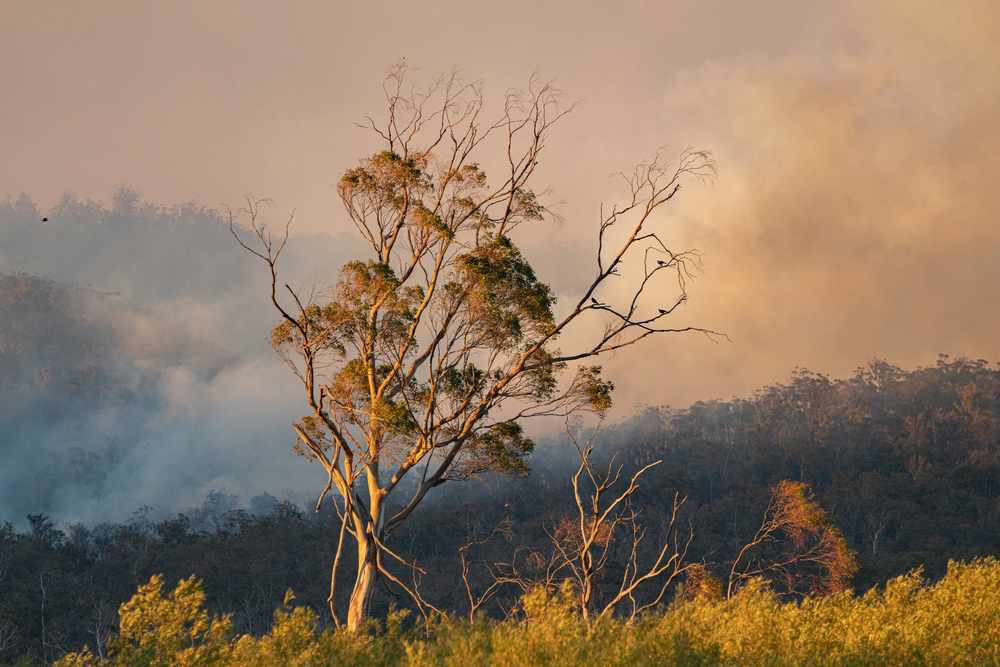
Dry conditions are expected to intensify across the Whitsundays as a strong El Niño looms. Photo source: Shutterstock
The upcoming 2026 El Niño has been forecast to be among the strongest on record, bringing hotter, drier weather in the coming weeks.
With already drier-than-average conditions recorded in early 2026, farmers are bracing for a challenging season as worsening soil moisture deficits and water scarcity raise concerns.
Whitsunday Regional Council Mayor Ry Collins has sought to reassure the community, saying Council will continue to keep a close watch on the evolving conditions.
“As Chair of the Local Disaster Management Group, we’re watching the El Niño outlook closely and what it could mean on the ground here in the Whitsundays,” said Mayor Collins.
“We’ve only just come through flooding, so the prospect of flipping straight into dry conditions is a real concern.”
Mayor Collins assures residents the Whitsunday Shire will remain in a strong position, pointing to Peter Faust Dam, which is currently at 100 per cent capacity; the first time it has reached full capacity since 2011.
“Peter Faust Dam gives us a solid buffer, but we know how quickly conditions can change in North Queensland, and having come out of the ag sector myself, I know exactly how quickly things can tighten up,” he said.
“When you start talking water, pasture and input costs all going the wrong way at once, it puts real pressure on families and businesses. And when ag feels it, the whole region feels it.”
Mayor Collins acknowledged that although the farming sector are feeling the pressures at the moment, prolonged heat and dry conditions can also impact tourism, increase bushfire risk, and put added strain on local communities.
Mayor Collins said that while Whitsunday Regional Council is taking the necessary precautions and making preparations, it cannot face such an unpredictable period alone, calling for additional support from higher levels of government.
“We’re not sitting back. We’re actively managing water, working closely with emergency services on bushfire readiness, and continuing to strengthen our resilience planning across the region,” he said.
“But the reality is regions like ours can’t carry this alone. We’ll need strong, ongoing support from State and Federal Government — particularly for our primary producers and for health and wellbeing services, because we know the pressure builds quickly when conditions turn.
“North Queensland communities are tough — we always are. But it’s about being prepared, backing each other in, and making sure our communities have the support they need to get through whatever comes next.”
Publishers Indemnity. Any individual or entity that places advertising, supplies copy material, or submits editorial content to Core Life Publishing agrees and undertakes to ensure that all such material:- Does not infringe upon any copyright, trademark, or other intellectual property rights;- Is free from any content that could be considered defamatory, libelous, or slanderous;- Does not infringe upon any rights related to privacy or breach of confidence;- Contains no obscene, indecent, or otherwise unlawful material;- Complies fully with the Trade Practices Act and all other applicable laws, regulations, or statutes.Furthermore, by submitting or placing such material, these individuals or entities agree to indemnify and hold harmless the publisher, Core Publishing and Events Pty Ltd, and/or its agents from and against any and all investigations, claims, demands, liabilities, damages, costs, or judgments arising out of or in connection with the material provided. All material is believed to be accurate at the time of printing and remains the copyright of Core Publishing and Events Pty Ltd.
© 2026 Mackay and Whitsunday Life Pty Ltd.