Independently Owned, Locally Grown, Community Loved


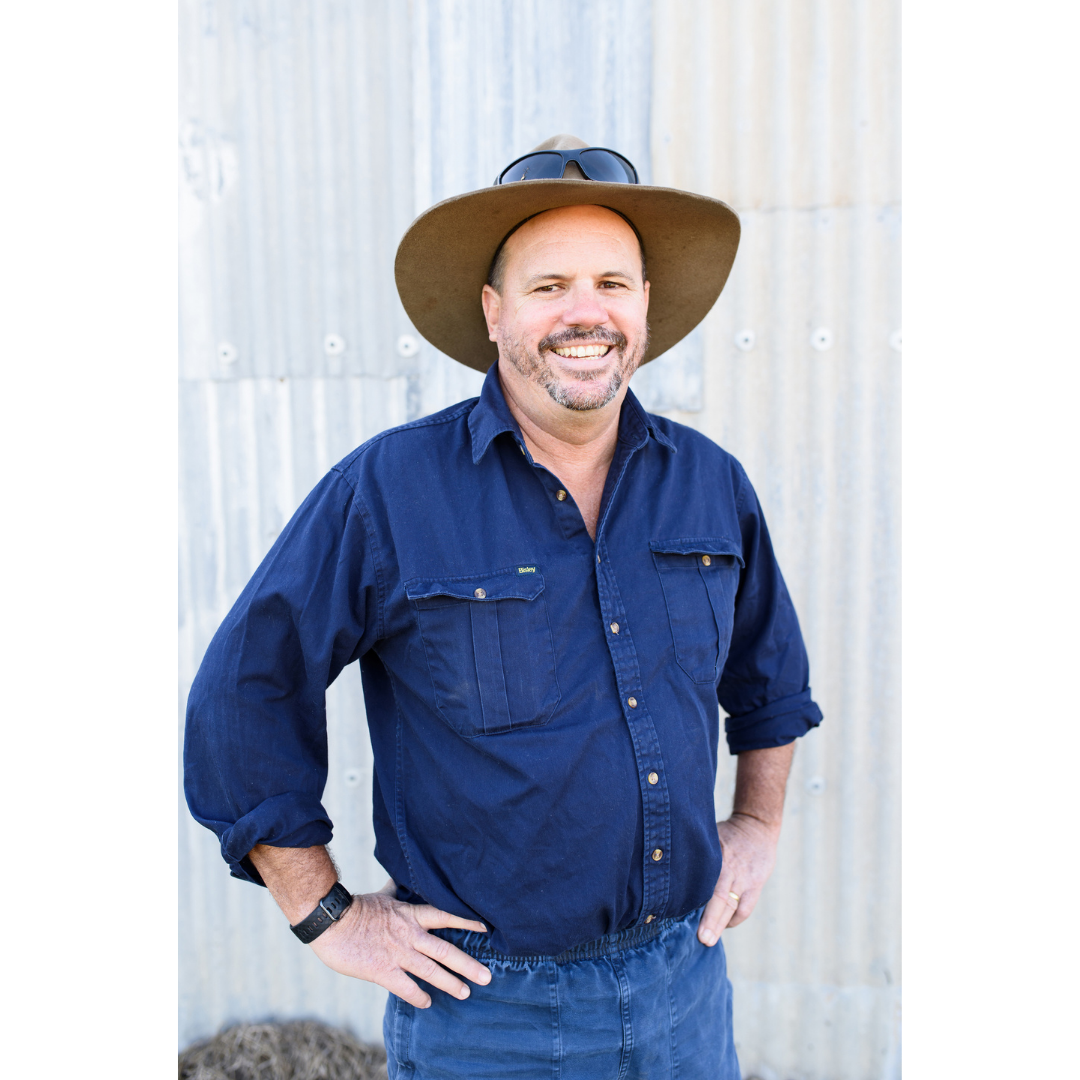
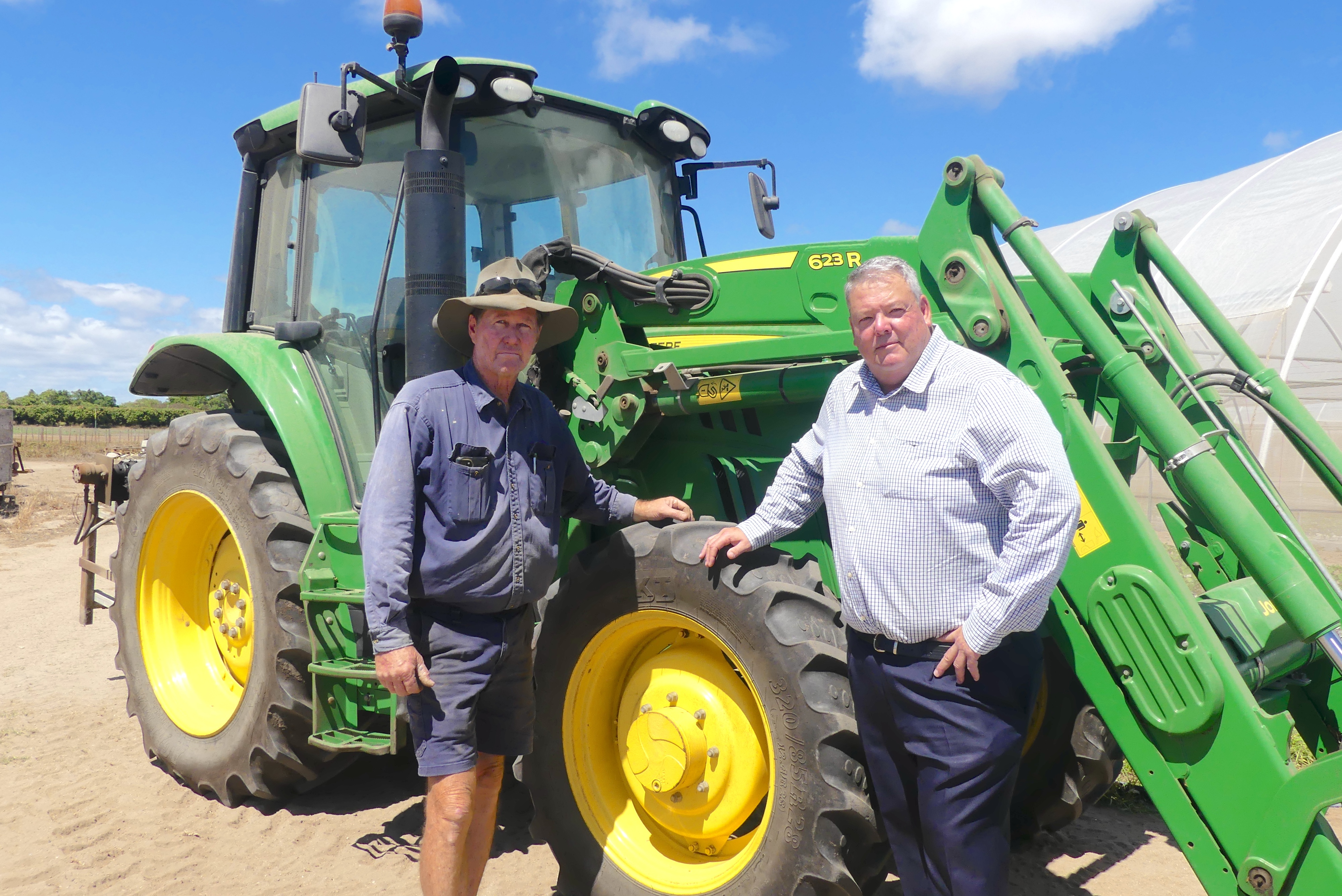
Burdekin Grower and Queensland Canegrowers Chair Owen Menkens is the industry-preferred candidate for the upcoming STL G-Class Director position. Photo credit: QCGO.
By Joseph Borg, Chairman, CANEGROWERS Mackay
The upcoming Sugar Terminals Limited (STL) Grower/G‑Class Director election, to be decided at the company’s Annual General Meeting on 21 October 2026, has unexpectedly become one of the most closely watched governance moments in Queensland’s sugar industry recent history.
With major shareholder Queensland Sugar Limited (QSL) announcing its support for CANEGROWERS Chairman Owen Menkens, the contest has highlighted deeper questions about grower representation, terminal strategy, and the future direction of one of the industry’s most important infrastructure owners.
STL oversees Queensland’s bulk sugar terminal network which is a system of storage and loading facilities that underpins the state’s export driven sugar sector. For growers, the terminals are not just physical assets but are a critical choke point: the backbone of the industry’s logistics chain. Decisions made at the STL board table can influence marketing efficiency, shipping schedules, and long‑term investment in infrastructure.
QSL—itself a major player in sugar marketing and, up until 1 July this year, the operator of the terminals—has made it clear that they believe, along with the vast majority of growers and some milling companies, that Queensland CANEGROWERS Chairman Owen Menkens brings with him extensive knowledge of Queensland’s sugar industry and the vital role the bulk sugar terminal network plays within it. As Chair of Qld CANEGROWERS, also president of the World Beet and Sugar Association and a Burdekin cane farmer, Menkens has long been regarded as one of the industry’s most experienced grower leaders. Former CANEGROWERS Chairman Paul Schembri already serves as a Grower Director on the STL Board, and Menkens’ election would place another seasoned grower voice in a key governance role.
Most of the industry believes that this year’s election carries unusual weight. STL is navigating a period of significant challenge, including rising maintenance costs, evolving export requirements, and ongoing debate about the future configuration of the terminal network. Growers have expressed concern that decisions made now will shape the competitiveness of Queensland sugar for decades.
Against this backdrop, the decision by the CEO of Tully Mill to nominate for the Grower Director position in competition with Menkens has drawn attention and disappointment from some grower groups. While the CEO has not released detailed reasoning, the move has been interpreted by many as a sign of growing tension between some milling companies and certain growing sectors of the industry.
It could be argued that the G‑Class Director role exists specifically to ensure grower perspectives are not overshadowed by mill interests. Growers rely on STL to protect the integrity of the terminal network, so when a respected grower leader puts his hand up, it’s surprising to see a mill CEO try to oppose that.
Disagreement is not unusual in an industry where marketing, logistics, and governance responsibilities are shared across multiple organisations with differing commercial priorities. The Tully Mill CEO’s action in nominating for a grower role may be considered to reflect broader debates about how STL should evolve and who should guide that evolution.
Despite the controversy, the election has prompted renewed discussion about the importance of strong grower representation. Many growers argue that having experienced industry leaders on the STL Board helps ensure decisions remain grounded in the realities of farming, harvesting, and delivering cane into a complex supply chain.
I would encourage all G‑Class shareholders to support Owen Menkens as this election is shaping up as a defining moment for STL governance. As the AGM approaches, growers and the broader public will be watching closely. The decisions made on 21 October will influence not only who sits at the board table, but how the industry navigates the challenges ahead.
Publishers Indemnity. Any individual or entity that places advertising, supplies copy material, or submits editorial content to Core Life Publishing agrees and undertakes to ensure that all such material:- Does not infringe upon any copyright, trademark, or other intellectual property rights;- Is free from any content that could be considered defamatory, libelous, or slanderous;- Does not infringe upon any rights related to privacy or breach of confidence;- Contains no obscene, indecent, or otherwise unlawful material;- Complies fully with the Trade Practices Act and all other applicable laws, regulations, or statutes.Furthermore, by submitting or placing such material, these individuals or entities agree to indemnify and hold harmless the publisher, Core Publishing and Events Pty Ltd, and/or its agents from and against any and all investigations, claims, demands, liabilities, damages, costs, or judgments arising out of or in connection with the material provided. All material is believed to be accurate at the time of printing and remains the copyright of Core Publishing and Events Pty Ltd.
© 2026 Mackay and Whitsunday Life Pty Ltd.