Independently Owned, Locally Grown, Community Loved

Contributed with thanks to Lucky Bees Whitsundays.
Whitsunday beekeepers are being urged to prepare for Varroa mite, a honey bee parasite whose spread across Australia could affect local honey production and the pollination of crops and gardens.
Lucky Bees Whitsundays is helping local hive owners understand the threat and prepare for the monitoring and treatment needed to keep their colonies healthy.
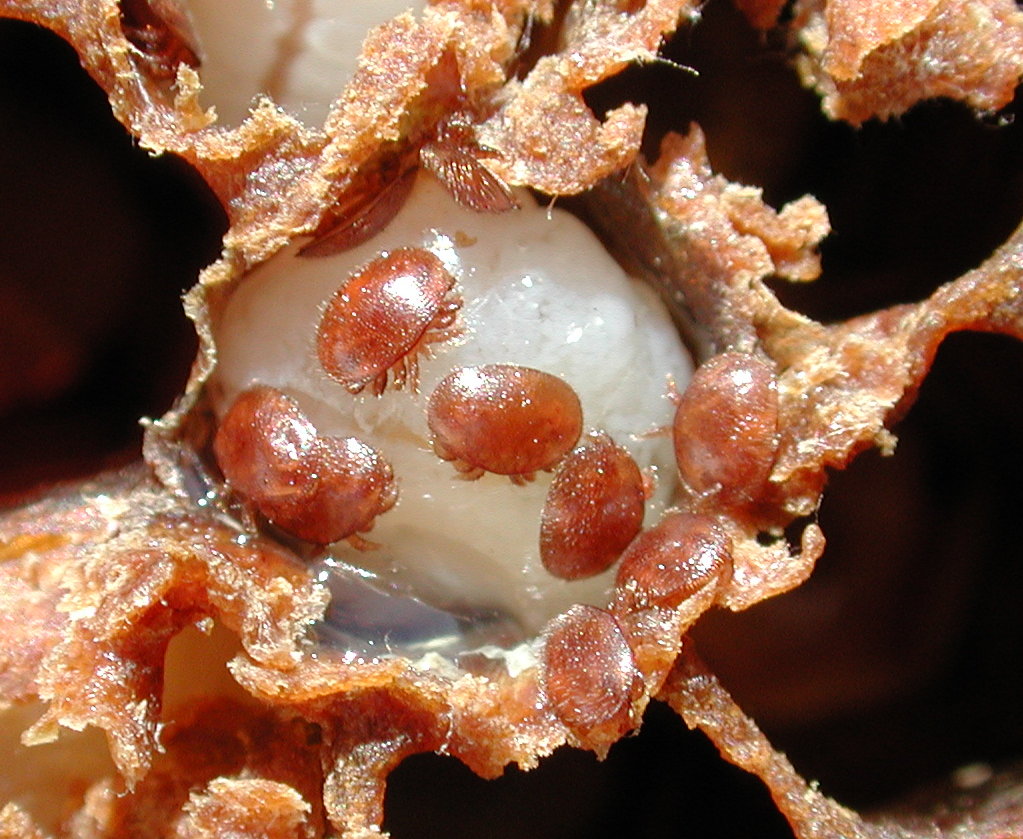
Measuring little more than a millimetre, Varroa destructor feeds on honey bees’ fat body tissue and reproduces inside sealed brood cells, where young bees develop. It also spreads harmful viruses, with unmanaged infestations capable of causing entire colonies to collapse.
The first detection of Varroa in Australia in Newcastle back in June 2022, the parasite prompted extensive eradication efforts before authorities shifted to long-term management in September 2023.
However, recent detections in Cardwell in September and Townsville in October have prompted organisations like Lucky Bees Whitsundays to urge local beekeepers to prepare before their own hives are affected.
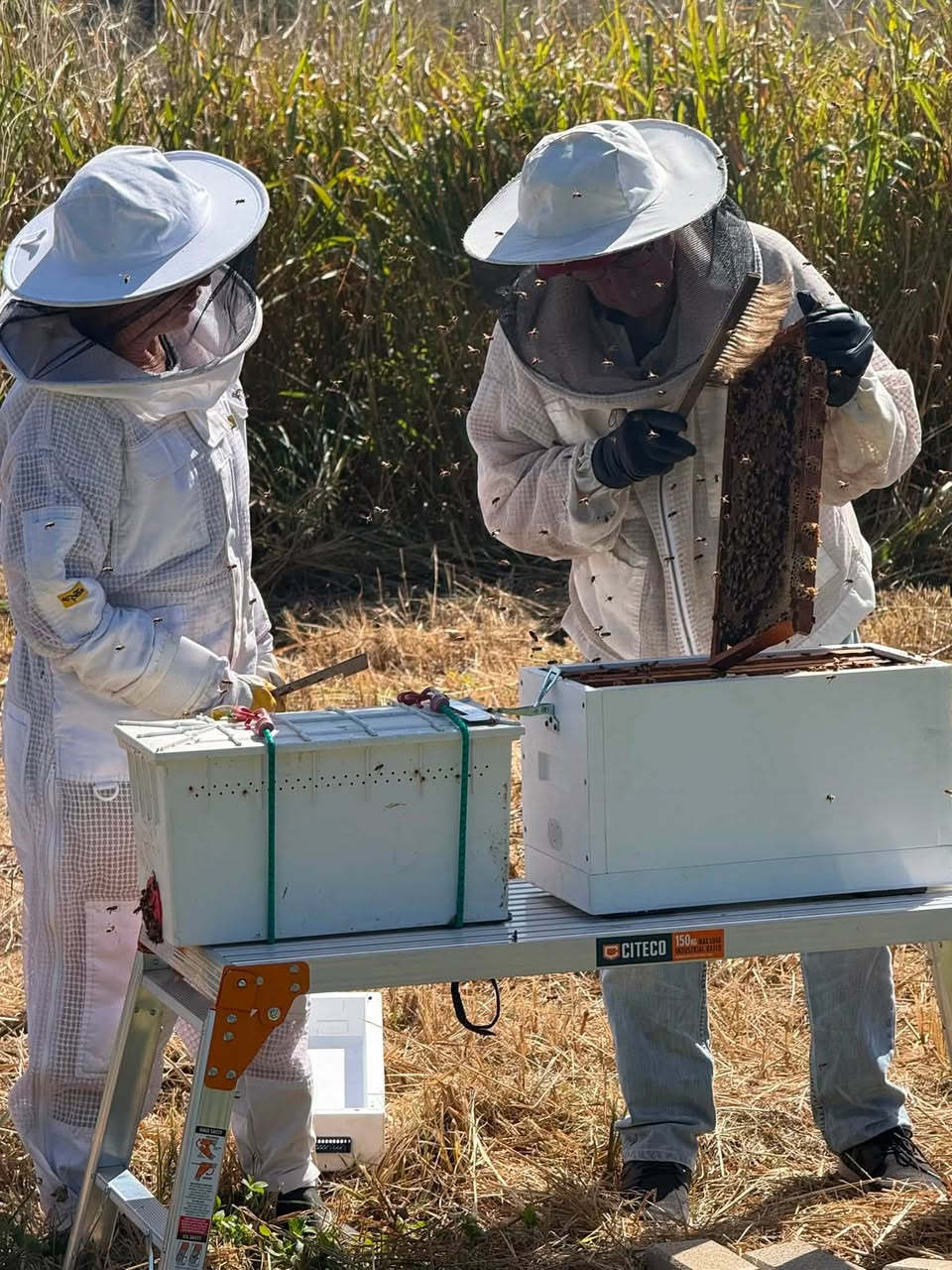
Managing Varroa brings extra work and expense, from regular hive checks and treatments to replacing lost colonies. For backyard beekeepers with only one or two hives, knowing where to start can be difficult.
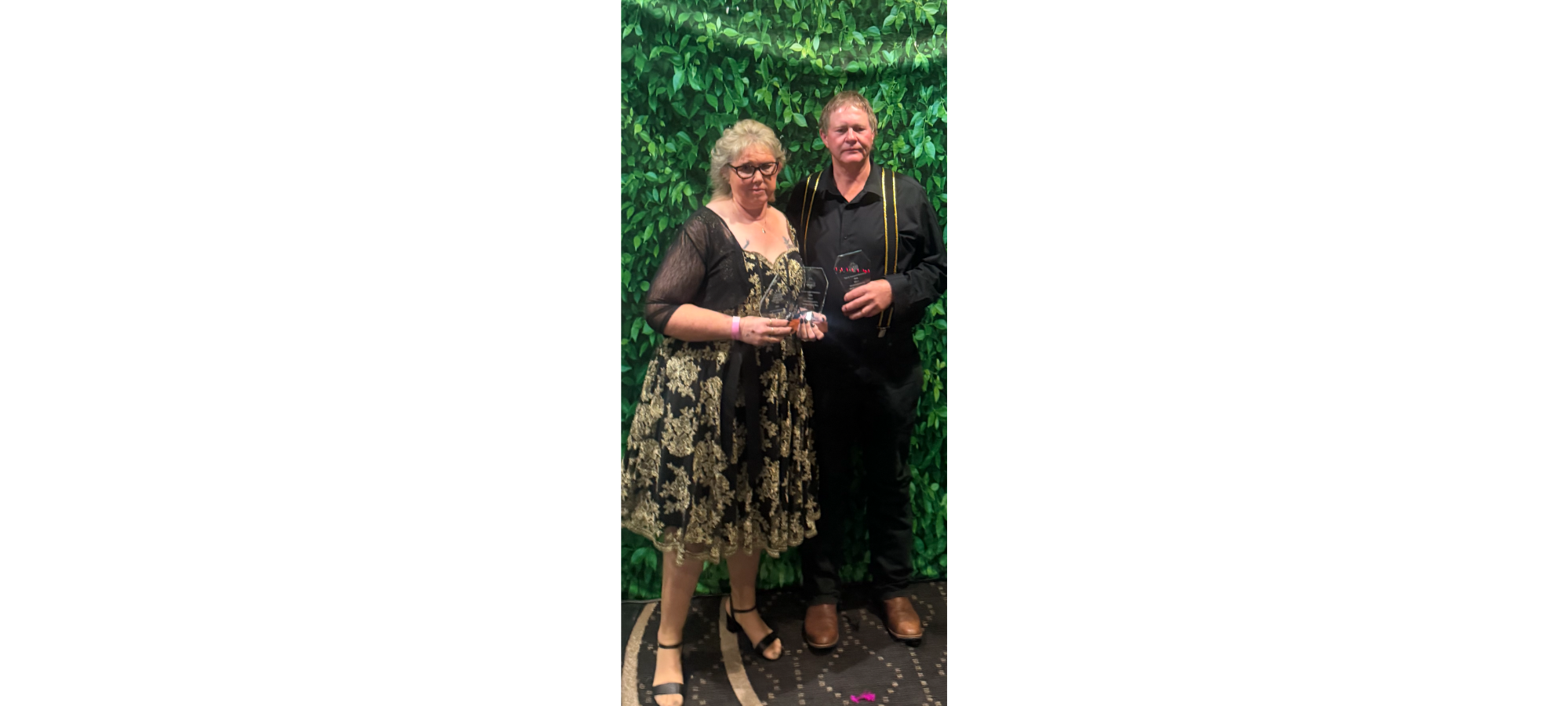
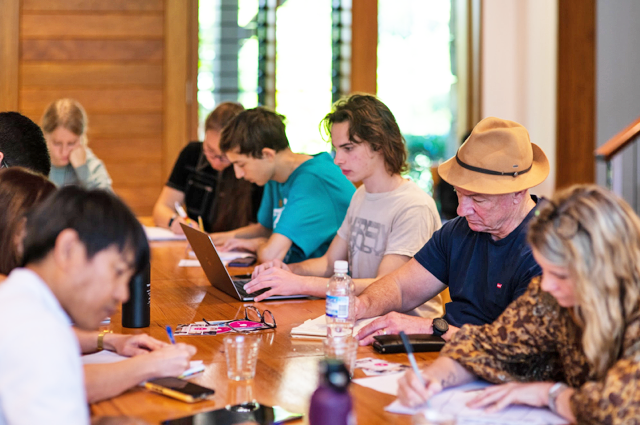
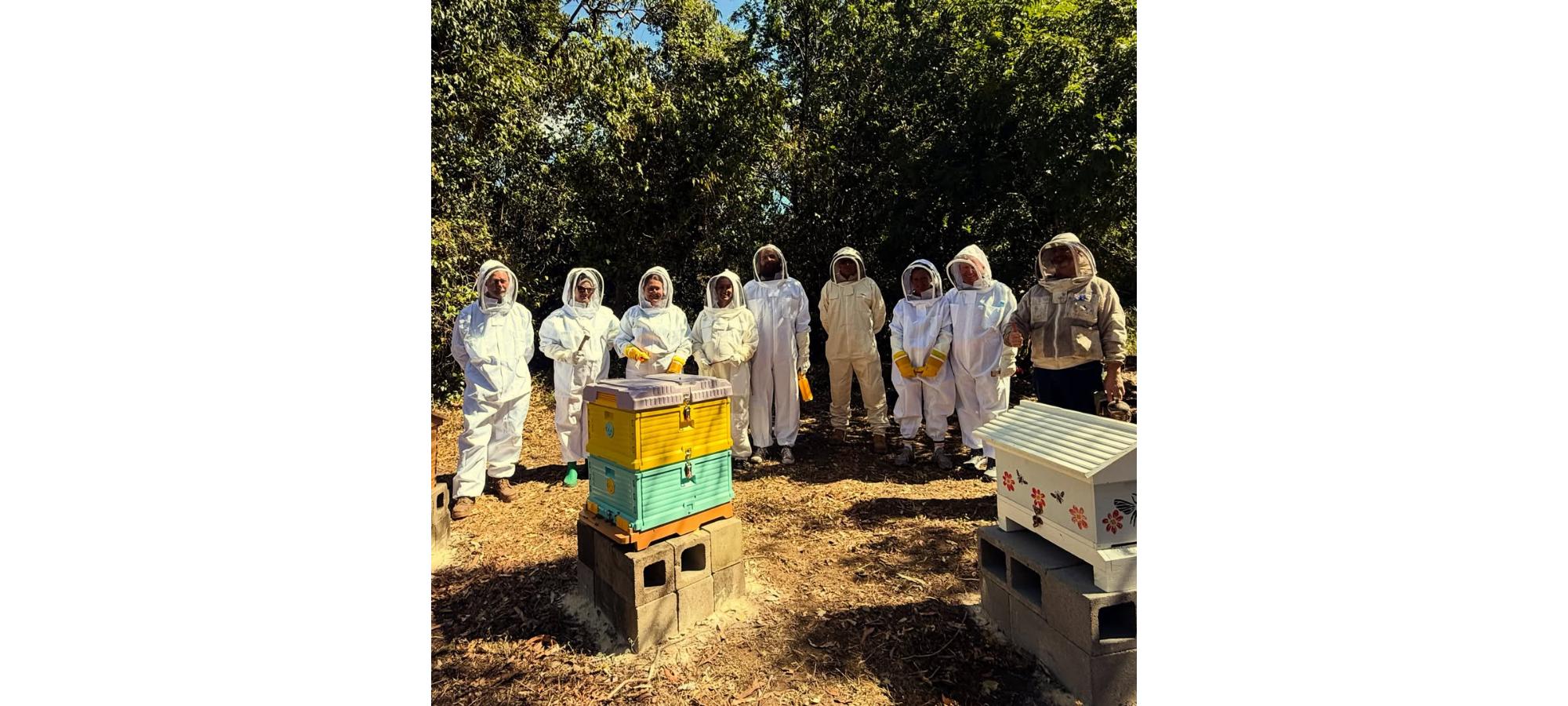
Lucy Williams and Tim Byford, the beekeepers behind Lucky Bees Whitsundays, offer courses, workshops and hands-on training to help locals recognise pests and care for their colonies.
Their workshops are held at Eco Barge Clean Seas headquarters, with the two organisations working together to support bees and the wider Whitsunday environment.
Lucky Bees Whitsundays has also been selected as the Biosecurity Champion for the Whitsundays and surrounding areas through Queensland’s Biosecurity Champions Network.
The volunteer role connects recreational beekeepers with Biosecurity Queensland, sharing advice and raising local concerns.
Lucy and Tim are encouraging hive owners to ask questions and seek help early. A heavily infested hive can spread mites to neighbouring colonies, making cooperation between beekeepers essential.
Residents can also help by buying local honey, planting bee-friendly flowers and avoiding unnecessary pesticide use.
By helping beekeepers prepare now, Lucky Bees Whitsundays hopes to keep more local hives healthy as the threat moves closer.
Publishers Indemnity. Any individual or entity that places advertising, supplies copy material, or submits editorial content to Core Life Publishing agrees and undertakes to ensure that all such material:- Does not infringe upon any copyright, trademark, or other intellectual property rights;- Is free from any content that could be considered defamatory, libelous, or slanderous;- Does not infringe upon any rights related to privacy or breach of confidence;- Contains no obscene, indecent, or otherwise unlawful material;- Complies fully with the Trade Practices Act and all other applicable laws, regulations, or statutes.Furthermore, by submitting or placing such material, these individuals or entities agree to indemnify and hold harmless the publisher, Core Publishing and Events Pty Ltd, and/or its agents from and against any and all investigations, claims, demands, liabilities, damages, costs, or judgments arising out of or in connection with the material provided. All material is believed to be accurate at the time of printing and remains the copyright of Core Publishing and Events Pty Ltd.
© 2026 Mackay and Whitsunday Life Pty Ltd.