Independently Owned, Locally Grown, Community Loved

Richard Evans
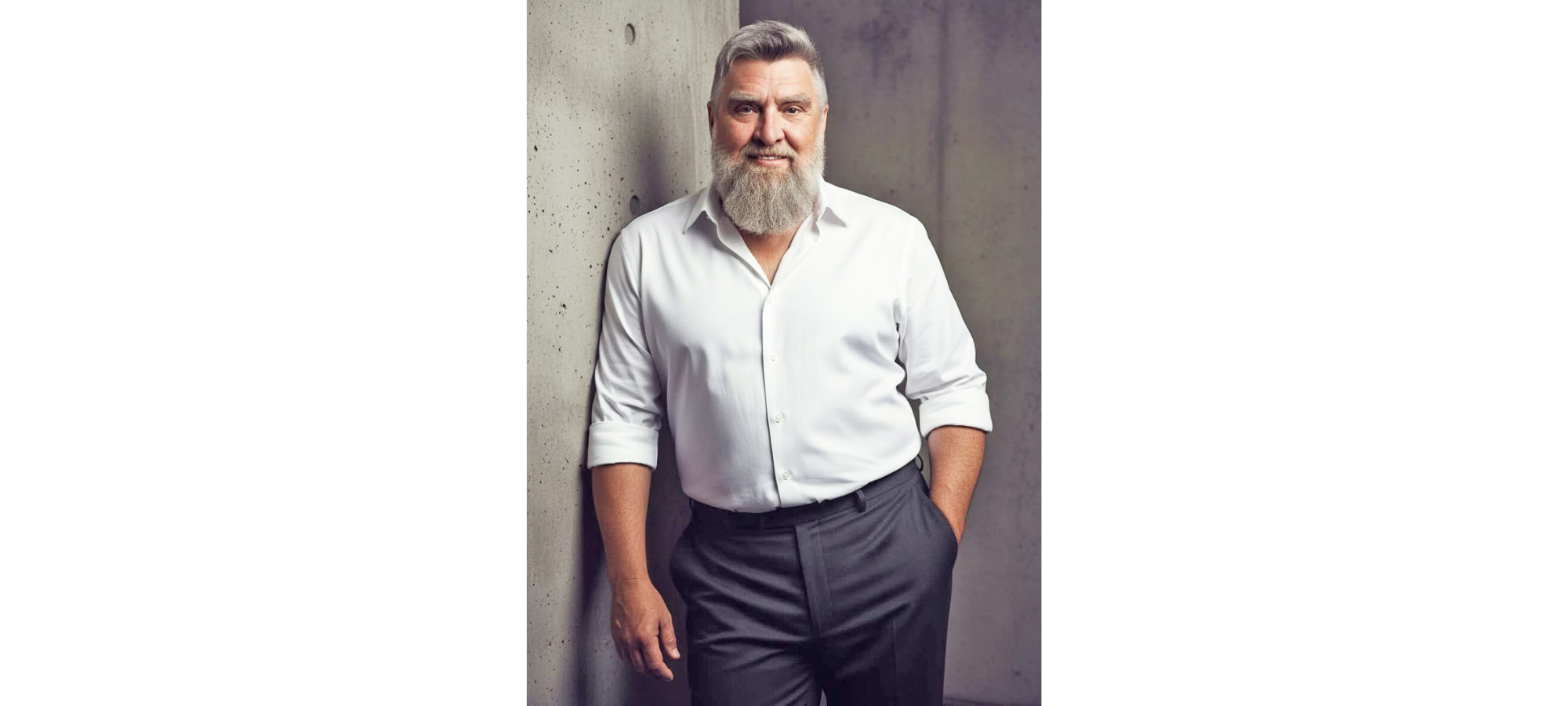
By Richard Evans, President, Whitsundays Writers Festival
Have you ever thought about writing down your life story, only to dismiss the idea because you’re not a writer?
Perhaps you left school early, struggled with English, or believe your life isn’t interesting enough to deserve a book.
Here’s the thing. You don’t need to be a writer to tell your story. You just need a life you’ve lived and a willingness to remember it honestly.
That’s what memoir is. It isn’t a history textbook, and you needn’t cover every year since birth. You might write about one important year, a relationship that changed you, a job that tested you, or the day you left home.
Your story doesn’t have to be extraordinary. Often the most powerful stories come from ordinary people explaining what everyday life was like in another time.
Think about the history held by people in our own region. The cane farms, fishing boats, mines and small businesses. The families who arrived from overseas, the hardships people endured and the communities they built. Official records tell us what happened. Personal memories tell us what it felt like to be there.
Your story is part of that history. And if you don’t record it, nobody will. One day your children, grandchildren or someone researching the region will be grateful you did.
Writing can also help you understand your own life. Looking back, you may discover that events you once took for granted shaped you more than you realised.
So, where do you begin?
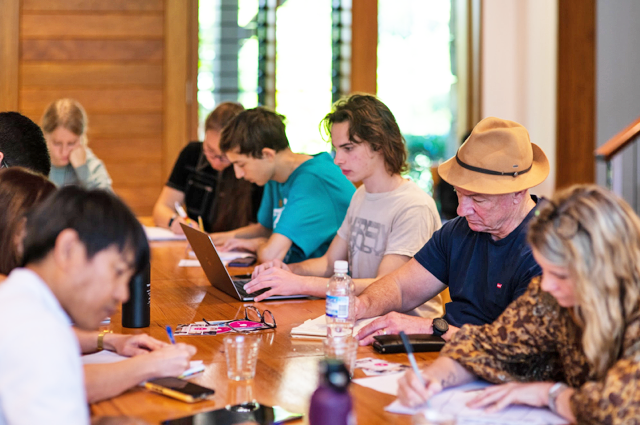
Keep it simple. Write three sentences starting with “I remember…” Think about your childhood home, your first job or a day that changed your life. Use a photograph as a prompt. Set a timer for ten minutes and write without stopping to fix spelling or grammar.
If writing feels difficult, tell the story into your phone and ask someone to help turn the recording into words. Your local library or writing group can also help.
And forget the excuses. You don’t need perfect grammar. You can change names, keep your writing private or share only what feels comfortable. The first draft is allowed to be rough. Write badly first, fix it afterwards.
So this week, choose one memory and describe what you saw, heard and felt. Ten minutes is enough.
Your story is a gift to yourself, your family and your community. Nobody else can tell it quite the way you can. Start today.
Creativity can offer a retreat from everyday pressures and a way to process difficult emotions.
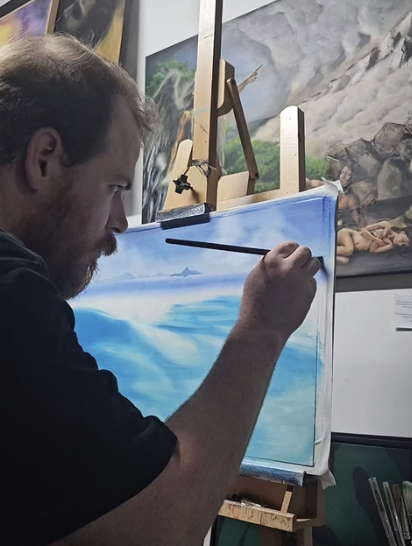
Last week, for Queensland Mental Health Week, Creative Connections Whitsunday (CCW) explored creativity and wellbeing through local artists Michael van Blerk and Debbie Stephens.
For Michael, painting offers a different space from his demanding working life.
"My day job is demanding and, at times, confronting. It asks a lot of me emotionally, and for a long time I didn't have a good place to put that weight."
After stepping away from painting for around ten years, Michael picked up a brush again about eighteen months ago. Working predominantly in oils, he often completes a painting in one session, requiring his full concentration.
"I can't be replaying the day while I'm working out an edge or a wave breaking in the dark. For those few hours, my mind finally goes quiet."
"Painting has become a way of processing the heavier things I carry and turning them into something that holds hope."
His advice is simple: "Pick something up and make something. It doesn't need to be good. It just needs to be yours."
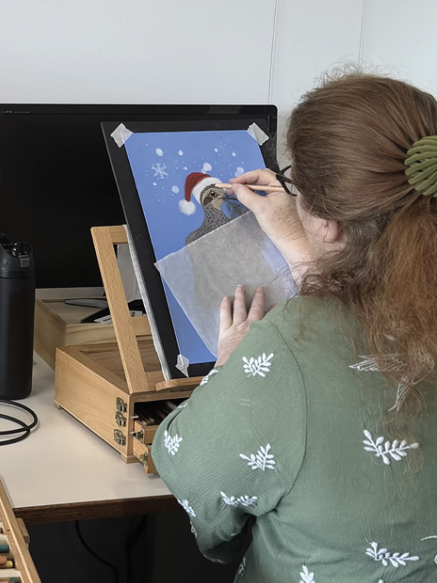
For fellow CCW artist Debbie Stephens, creativity has been profound.
"Art has quite literally been a lifeline for me."
During difficult periods, Debbie says creating gave her somewhere safe to place her thoughts and emotions. Working with pastels shifts her attention towards colour, light and making art.
"The noise around me becomes quieter. I can focus on colour, light and the small decisions in front of me, rather than being defined by what I have been through or what I cannot do."
"Something beautiful can still come from a difficult day."
Through art, Debbie has begun rebuilding confidence, connecting with others, rediscovering joy and finding renewed hope too.
"For me, art is much more than a hobby or a distraction. It is an essential part of caring for my mental health, and at times it has genuinely helped save my life."
Perhaps one of the most important things about creativity is that it doesn't require artistic skill.
Michael and Debbie's experiences are deeply personal, but there is a common thread running through both stories. Creativity gives them somewhere to place their attention, their emotions and their experiences. It creates purpose and connection, andprovides moments when everything else becomes a little quieter.
Celebrating local creativity, connection, and community
Whitsundays Writers Festival
Richard Evans
Festival Director and President
hello@whitsundayswriters.com
Save the date for the 2027 Whitsundays Writers Festival, 10-12 September.
Creative Connections Whitsunday
Glenda Brown
President
info@creativeconnectionwhitsunday.com
Creative Connections Whitsundays supports local artists by operating the Community Gallery and delivering regular creative days and exhibitions.
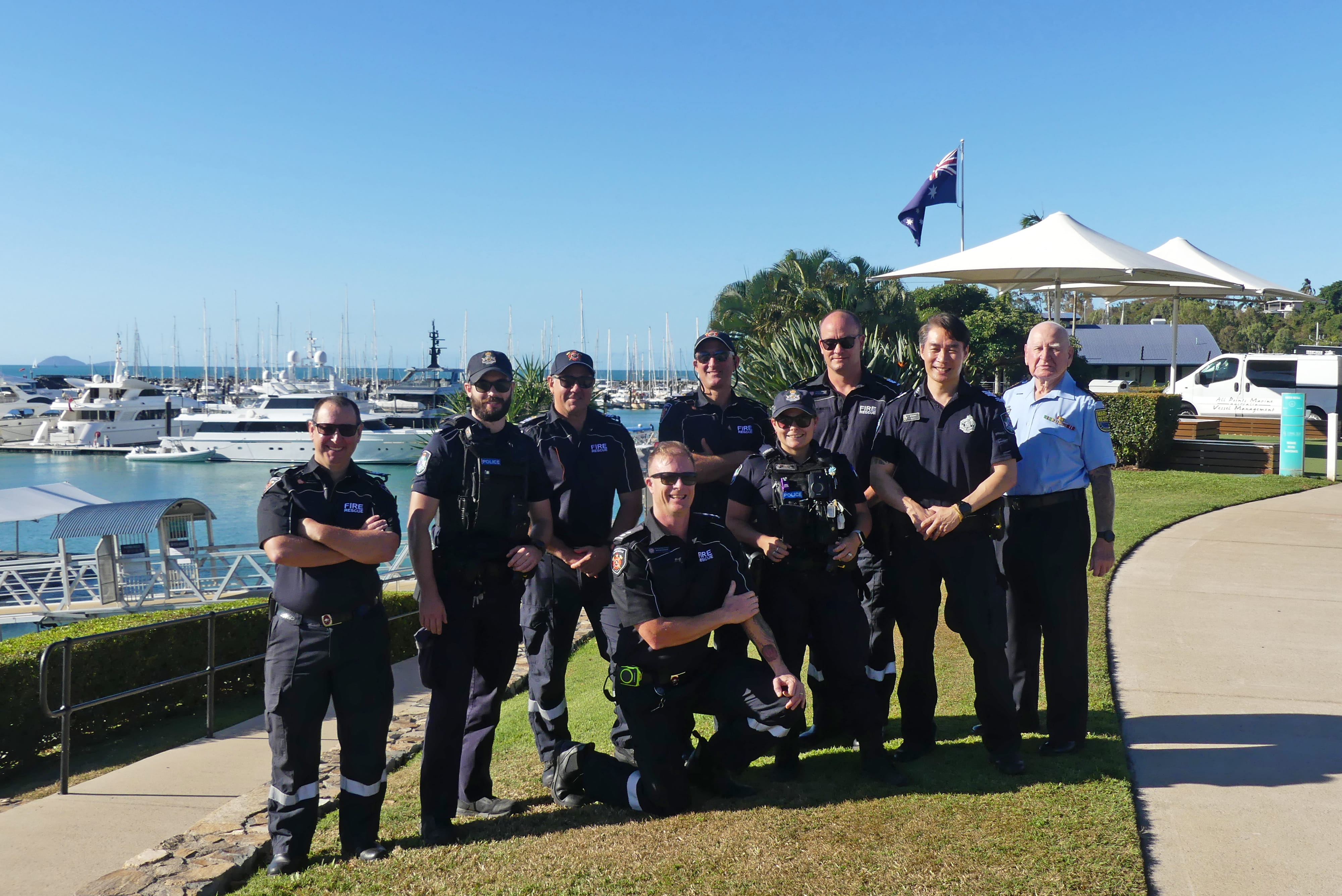
Publishers Indemnity. Any individual or entity that places advertising, supplies copy material, or submits editorial content to Core Life Publishing agrees and undertakes to ensure that all such material:- Does not infringe upon any copyright, trademark, or other intellectual property rights;- Is free from any content that could be considered defamatory, libelous, or slanderous;- Does not infringe upon any rights related to privacy or breach of confidence;- Contains no obscene, indecent, or otherwise unlawful material;- Complies fully with the Trade Practices Act and all other applicable laws, regulations, or statutes.Furthermore, by submitting or placing such material, these individuals or entities agree to indemnify and hold harmless the publisher, Core Publishing and Events Pty Ltd, and/or its agents from and against any and all investigations, claims, demands, liabilities, damages, costs, or judgments arising out of or in connection with the material provided. All material is believed to be accurate at the time of printing and remains the copyright of Core Publishing and Events Pty Ltd.
© 2026 Mackay and Whitsunday Life Pty Ltd.