Independently Owned, Locally Grown, Community Loved

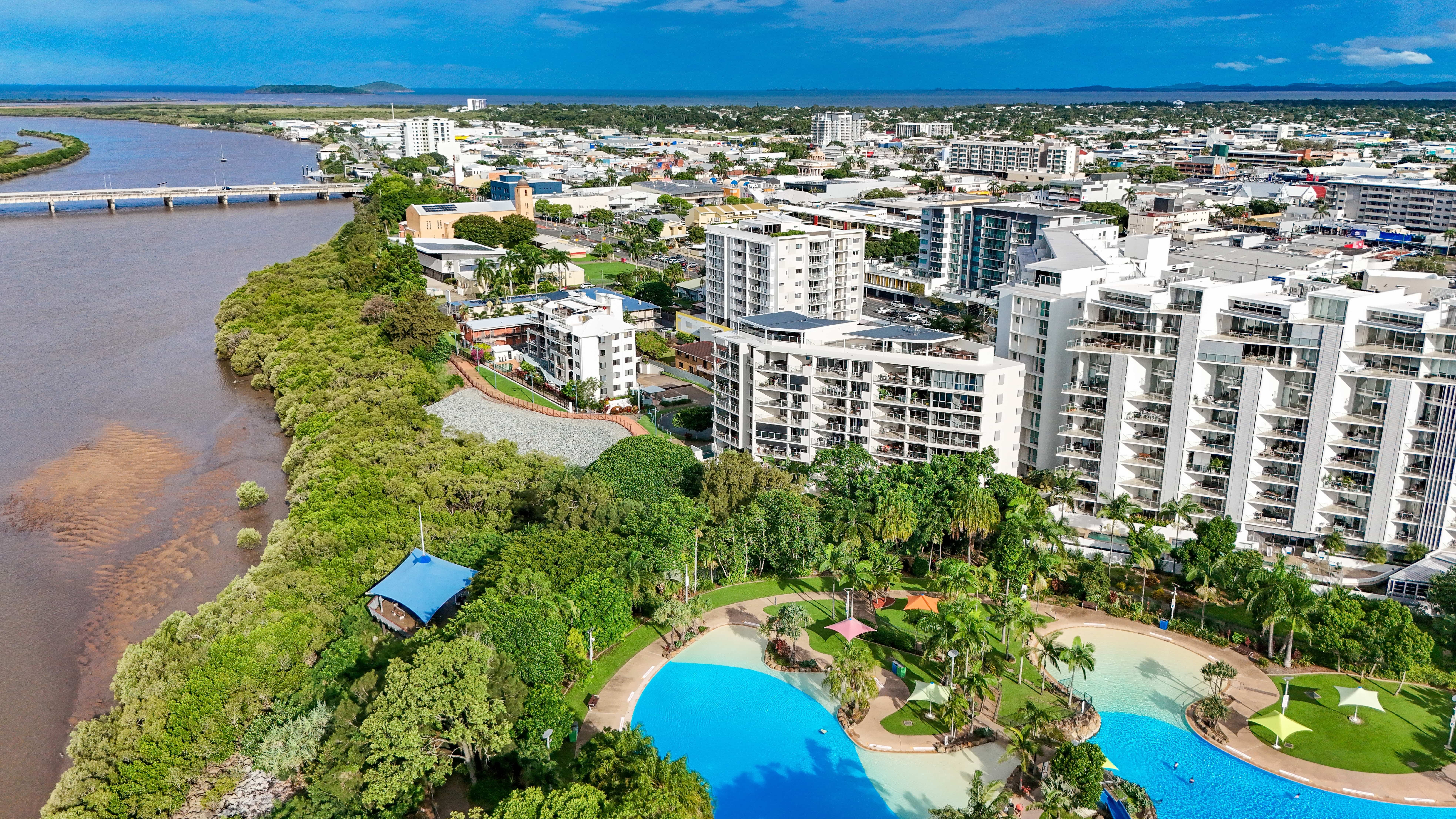
Photo source: Shutterstock
Mackay Regional Council has raised concerns about proposed changes to Australia’s disaster recovery funding arrangements, which would alter how disaster recovery costs are shared between the Australian Government and state and territory governments.
The Australian Government is proposing a new Disaster Recovery Funding Framework that would establish an equal 50/50 funding model between the Commonwealth and state and territory governments, replacing the existing Disaster Recovery Funding Arrangements (DRFA), under which the Commonwealth can reimburse states and territories for up to 75 per cent of eligible disaster assistance costs.
The Government says the proposed framework would simplify funding, help support reach affected communities sooner and increase investment in disaster resilience. Consultation with states, territories and local government is currently underway, with the new framework to replace the existing arrangements once agreed.
Queensland councils have raised concerns about the potential financial impact of the changes, particularly in disaster-prone regional areas where significant costs can be incurred repairing roads, bridges, drainage and other public infrastructure following cyclones, floods and severe storms.
Mackay Regional Council Mayor Greg Williamson said the proposed changes could have consequences for communities across the region.
“This is not simply another political argument. The proposed changes could have serious consequences for regional Queensland councils and communities like ours.
Mayor Williamson said Queensland could have received more than $700 million less in disaster assistance had the proposed arrangements applied last year.
“Had these changes applied to disaster funding last year, Queensland could have received more than $700 million less in disaster assistance.”
Queensland councils have also raised concerns about a reported $2.7 million disaster activation threshold, arguing it could affect access to Commonwealth assistance. The figure has been cited by the Local Government Association of Queensland (LGAQ), which is campaigning against the proposed changes.
Mayor Williamson said the proposed changes could ultimately place greater pressure on councils and ratepayers.
“Of even greater concern is the finer detail.
“The message being sent to councils appears to be simple: increase rates or go without.
“For councils like ours, that would mean local ratepayers carrying almost the entire cost of replacing damaged public infrastructure following declared disasters such as cyclones, floods, bushfires and severe storms.”
The Australian Government says the proposed framework would introduce a simpler threshold for accessing disaster funding, while a new Resilient Infrastructure Scheme would provide funding of up to 15 per cent, cost-shared with jurisdictions, to help communities build back better following disasters.
The LGAQ has been advocating against the proposed reduction in the Commonwealth’s contribution, with the organisation preparing a statewide submission opposing the changes. The submission is due to be lodged with the National Emergency Management Authority on August 19.
Mackay is also continuing to invest in disaster resilience, with about $19.3 million being spent on upgrades to the Pioneer River Levee system. The project includes a new levee wall, stormwater upgrades and road reconstruction, with funding from the Australian Government and Mackay Regional Council.
Mayor Williamson said regional communities should not be left to shoulder the cost of disaster recovery alone.
“Regional communities already face higher costs, greater distances and fewer resources. They should not also be expected to fund the recovery of essential public infrastructure with little support from the level of government collecting the overwhelming majority of the nation’s taxes.
“This proposal must be reconsidered.”
Publishers Indemnity. Any individual or entity that places advertising, supplies copy material, or submits editorial content to Core Life Publishing agrees and undertakes to ensure that all such material:- Does not infringe upon any copyright, trademark, or other intellectual property rights;- Is free from any content that could be considered defamatory, libelous, or slanderous;- Does not infringe upon any rights related to privacy or breach of confidence;- Contains no obscene, indecent, or otherwise unlawful material;- Complies fully with the Trade Practices Act and all other applicable laws, regulations, or statutes.Furthermore, by submitting or placing such material, these individuals or entities agree to indemnify and hold harmless the publisher, Core Publishing and Events Pty Ltd, and/or its agents from and against any and all investigations, claims, demands, liabilities, damages, costs, or judgments arising out of or in connection with the material provided. All material is believed to be accurate at the time of printing and remains the copyright of Core Publishing and Events Pty Ltd.
© 2026 Mackay and Whitsunday Life Pty Ltd.