Independently Owned, Locally Grown, Community Loved

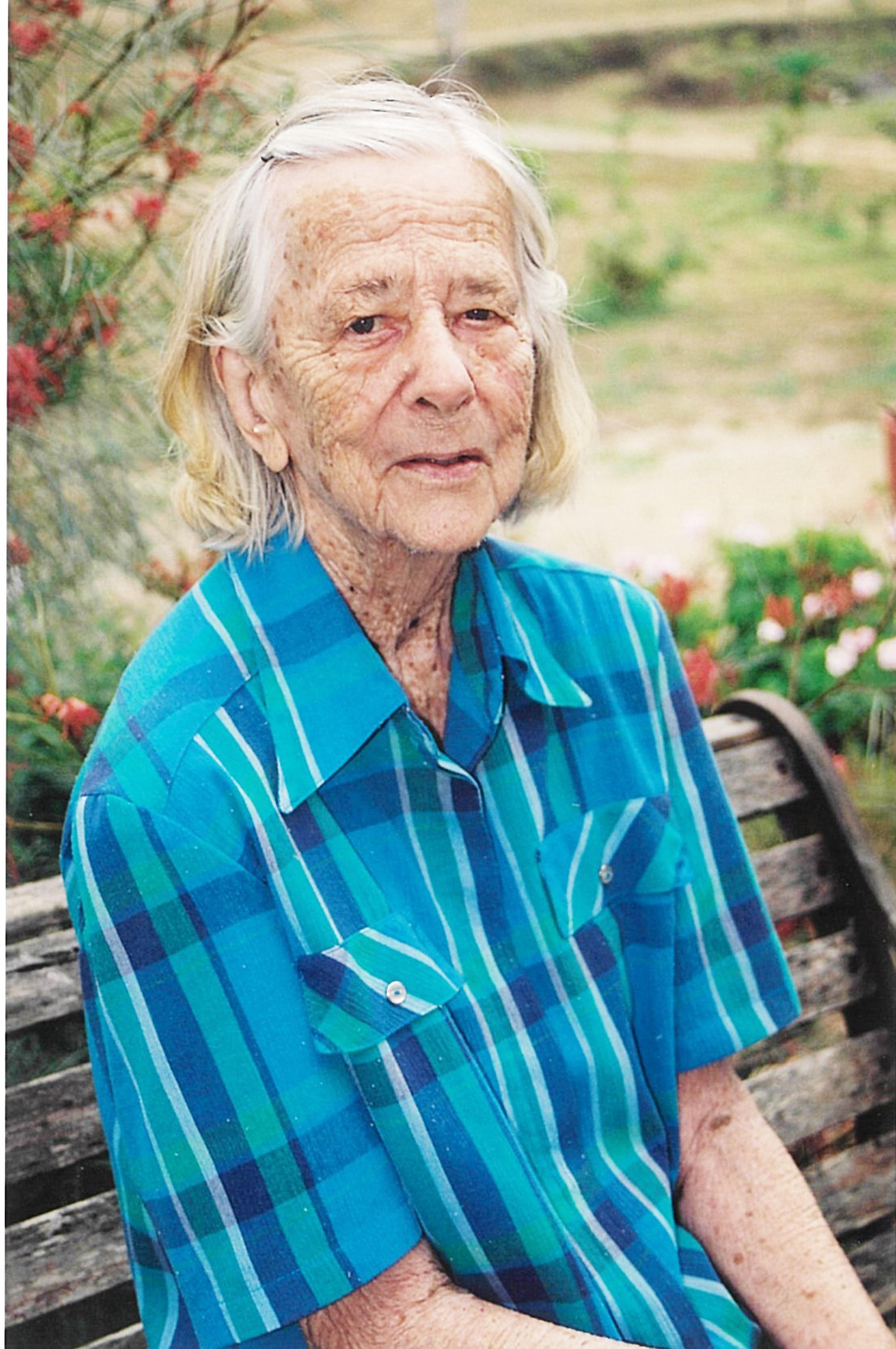
A talented artist, Mary’s sketches of landmarks in Proserpine and Whitsunday provide us with an excellent historical record of the changes in our district.
Maria (Mary) Spoor was born at Leiden, Holland on November 28, 1912, one of three girls born to Fokke (Fred) Spoor and wife, Sara. Her father was one of six children, five boys and one girl, most of whom had migrated to Australia in the first half of the 20th century. Before the Second World War, Dutch migration to Australia was sporadic, making the Spoor family among its pioneers.
In 1924, encouraged by his visiting sister, Tietstke, Fred sold his hardware store and followed relatives who had left Holland for Australia more than a decade earlier. Mary was 11, and her sisters, Wietstke and Lies (Elizabeth), were 22 and 16. The family packed a few treasured possessions into 17 boxes (including an organ, bike and milk separator) and began English lessons before leaving for the other side of the world.
The family sailed aboard the S.S. “Largs Bay”, calling at Fremantle, Melbourne and Sydney before reaching Brisbane six weeks later and eventually travelling to Proserpine where they joined Fred’s brother, Pieter (Peter) who was farming in Kelsey Creek. Fred grew cane, established a sawmill for tomato cases, and crafted cabinets and French-polished chess tables for locals. He later bought a lorry, transporting crowds to beach sports days and delivering weekly groceries to farmers and Happy Valley miners. Mary recalled that there were “lots of gates to open and close.”
From an early age, Mary loved drawing. In Holland, her father Fred’s art-loving business partner noticed her talent and gave her sketchbooks, paints and brushes, beginning her lifelong passion for art and buildings. In one competition she won a zither, a musical instrument like a harp, which she learnt to play and which she brought with her to Australia.
In Australia, Mary continued to paint and won many prizes at the annual Proserpine Show. She found particular satisfaction in depicting buildings and places, knowing they would change over time.
When Dittmer was discovered and Harry Sinclair left his farm on lease to Wal Spencer and Mary in the late 1930s, they married. Together they raised six children: Daniel, Frederick, Walter, Frank, Kenneth and Jan. Apart from growing cane, Mary and Wal also grew vegetables and sold them around the area, just as Mary’s father had done.
Despite the demands of married life, painting remained an important part of Mary’s life. Wal supported her work by driving her many miles to sketch and paint local scenes and buildings. After his death, however, reaching these places became more difficult.
Her 1996 book, “An Artist’s Guide to Proserpine and the Whitsundays”, contains 33 sketches of landmarks throughout Proserpine and the Whitsundays. Sales of the book and an accompanying 1996 calendar raised funds for the Proserpine Historical Museum. Mary devoted many years as a volunteer at the museum where her artistic flair was greatly valued. The museum proudly holds several paintings that she generously donated over the years. Mary also created a book of captioned pen sketches to raise funds for the Proserpine Nursing Home.
Beyond her art, Mary enjoyed indoor bowls and tennis. She was also an active member of the Uniting Church.
Mary Spencer passed away in 2016 at the age of 103, leaving a lasting legacy of art and community service. She generously donated proceeds from her artwork to worthy local organisations. Today, her sketches remain a valuable record of the district’s transformation over time.
Story sourced from PHMS archives and “Memories” by Mary Spencer (Museum newsletter 18 March 1995). Photo courtesy of Jan Lade (nee Spencer)
Publishers Indemnity. Any individual or entity that places advertising, supplies copy material, or submits editorial content to Core Life Publishing agrees and undertakes to ensure that all such material:- Does not infringe upon any copyright, trademark, or other intellectual property rights;- Is free from any content that could be considered defamatory, libelous, or slanderous;- Does not infringe upon any rights related to privacy or breach of confidence;- Contains no obscene, indecent, or otherwise unlawful material;- Complies fully with the Trade Practices Act and all other applicable laws, regulations, or statutes.Furthermore, by submitting or placing such material, these individuals or entities agree to indemnify and hold harmless the publisher, Core Publishing and Events Pty Ltd, and/or its agents from and against any and all investigations, claims, demands, liabilities, damages, costs, or judgments arising out of or in connection with the material provided. All material is believed to be accurate at the time of printing and remains the copyright of Core Publishing and Events Pty Ltd.
© 2026 Mackay and Whitsunday Life Pty Ltd.