Independently Owned, Locally Grown, Community Loved

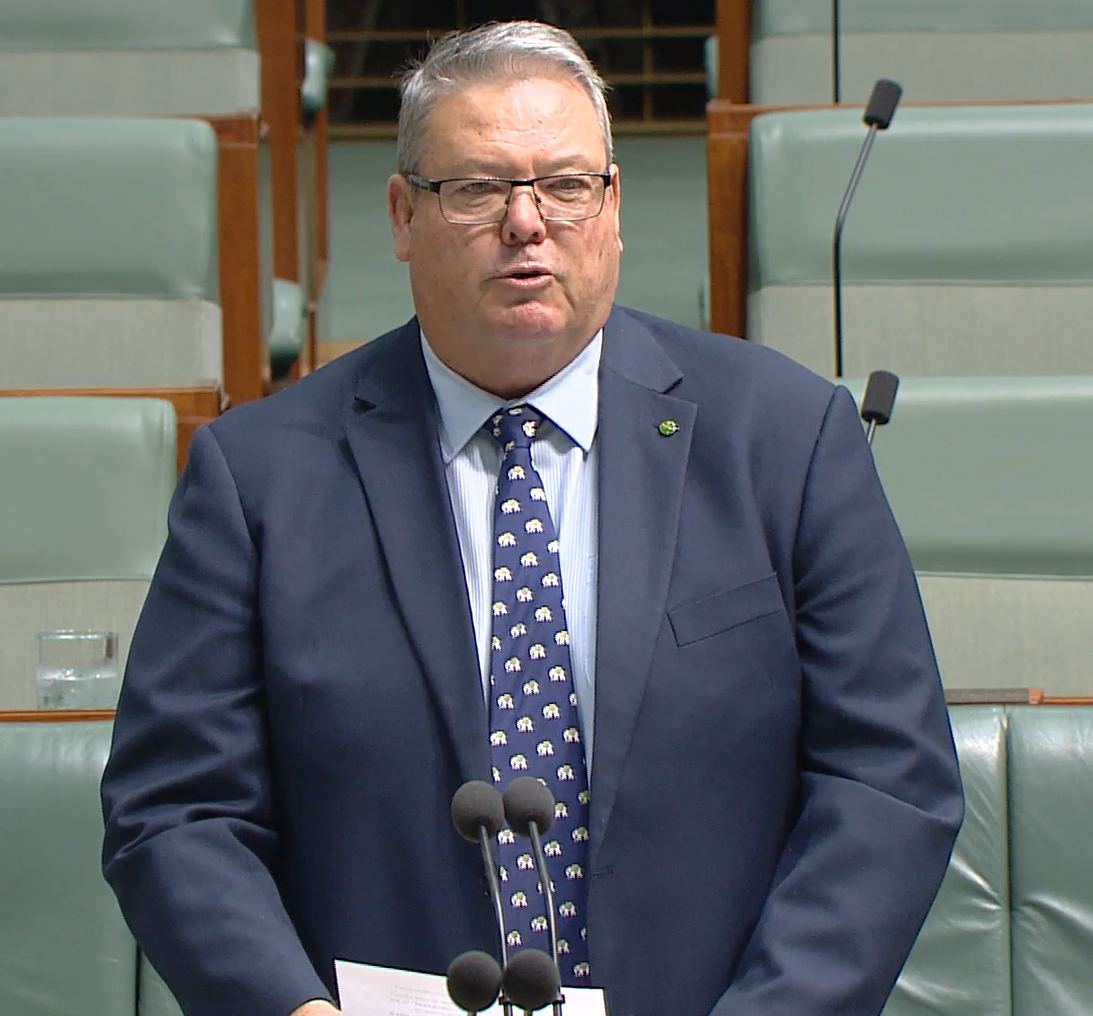
OPINION PIECE By Andrew Willcox MP, Federal Member for Dawson
In a world of social media, AI and ever-evolving technologies, the digital landscape can be imposing. We all want to feel safe online, protect our children and control what appears on their devices. Protections should be strengthened and big tech held accountable.
But the price should never be our freedom of speech and personal expression.
The Labor Government says its proposed Digital Duty of Care laws are about keeping Australians safe and giving users more control over online feeds through algorithm opt- outs. It sounds reasonable, until you dig deeper.
What the Albanese Government actually wants is control, bringing back its previously failed misinformation agenda by stealth and giving government greater influence over what Australians can view online.
During a speech at the UN, Albanese revealed just how broadly his government views these laws:
“Whilst today we're concentrating on the impact on children, the truth is this is having an impact on our entire society and how it functions with misinformation, disinformation. With the increased polarisation that we're seeing as well in the political system, where people are moving away from the centre and more and more to the extremes, be they of the left or the right. And that is why we think that this is a very positive move that's being put forward.”
That raises serious concerns about government using online safety laws to influence what Australians see, read and debate. The Government says the legislation shifts the focus from reacting to harms topreventing them. But who decides what is “harmful”?
The proposed legislation would give government regulators greater powers over how online platforms manage content.
This is too much power in the hands of government and every Australian should be alarmed.
Consider debates about climate change or the definition of gender. If platforms fear regulatory consequences for allowing controversial opinions, they may restrict lawful content rather than risk penalties.
That could stifle debate and diminish voters' access to differing opinions.
We already have laws governing what Australians can publish online. People should be free to challenge government policy, question experts and disagree with others without fear that lawful views will be suppressed.
Protecting Australians online matters. Protecting children matters. But online safety and freedom should never be competing values.
We can keep Australians safe without handing government the power to control the conversation.
Publishers Indemnity. Any individual or entity that places advertising, supplies copy material, or submits editorial content to Core Life Publishing agrees and undertakes to ensure that all such material:- Does not infringe upon any copyright, trademark, or other intellectual property rights;- Is free from any content that could be considered defamatory, libelous, or slanderous;- Does not infringe upon any rights related to privacy or breach of confidence;- Contains no obscene, indecent, or otherwise unlawful material;- Complies fully with the Trade Practices Act and all other applicable laws, regulations, or statutes.Furthermore, by submitting or placing such material, these individuals or entities agree to indemnify and hold harmless the publisher, Core Publishing and Events Pty Ltd, and/or its agents from and against any and all investigations, claims, demands, liabilities, damages, costs, or judgments arising out of or in connection with the material provided. All material is believed to be accurate at the time of printing and remains the copyright of Core Publishing and Events Pty Ltd.
© 2026 Mackay and Whitsunday Life Pty Ltd.