Independently Owned, Locally Grown, Community Loved


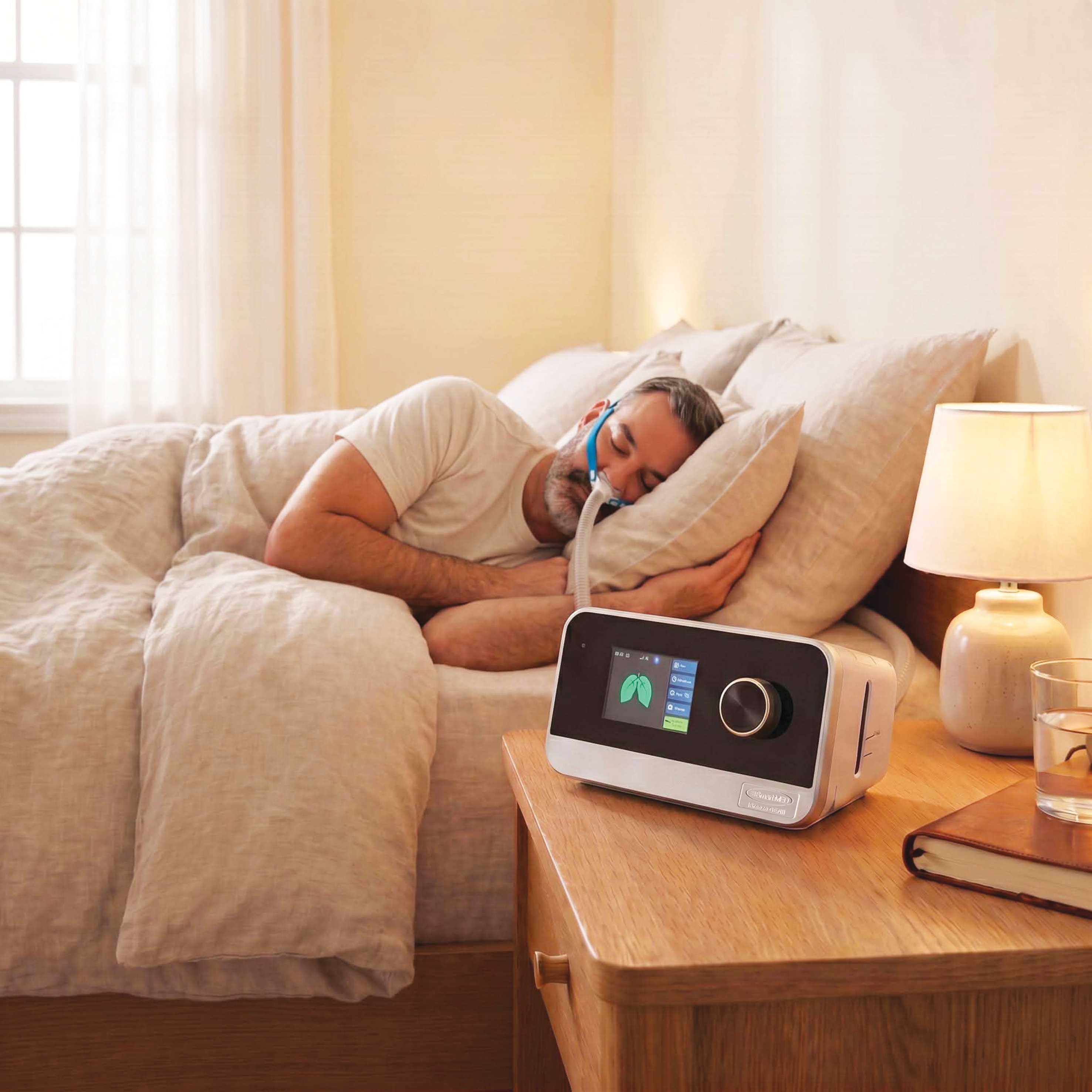
You've slept eight hours, so why does your body battery still feel like it's at 10%?
The answer often lies in two biological forces working behind the scenes: adenosine and your circadian rhythm.
Also known as "sleep pressure," adenosine steadily accumulates throughout the day, making you feel tired. The only way to clear it is through good-quality sleep. If sleep is too short or disrupted, that clearing process is interrupted and you wake feeling sluggish, vague, and fatigued.
Adenosine works in partnership with your circadian rhythm, your 24-hour body clock. As night falls and that familiar wave of tiredness washes over you, that's melatonin at work. Melatonin release alongside high adenosine levels is what triggers deep, restorative sleep.
During a full night of uninterrupted rest, your brain clears adenosine, files memories, replenishes your immune defences, and heals. When this cycle works properly, you wake feeling refreshed and mentally clear for the day ahead.
The challenge is that modern habits often disrupt this process.
Key habits to protect your sleep quality:
In the morning, reinforce your wake signal:
If you regularly wake unrefreshed or struggle with persistent daytime fatigue, it may be more than sleep habits. Undiagnosed sleep apnoea is a common but often overlooked condition that causes poor-quality sleep and disrupted recovery.
At CPAP Direct, our sleep specialists can help you understand what is happening during your sleep and guide you through testing, diagnosis, and tailored treatment options.
Visit your local CPAP Direct store or take the online sleep assessment at cpap.com.au to get your mojo back.
Publishers Indemnity. Any individual or entity that places advertising, supplies copy material, or submits editorial content to Core Life Publishing agrees and undertakes to ensure that all such material:- Does not infringe upon any copyright, trademark, or other intellectual property rights;- Is free from any content that could be considered defamatory, libelous, or slanderous;- Does not infringe upon any rights related to privacy or breach of confidence;- Contains no obscene, indecent, or otherwise unlawful material;- Complies fully with the Trade Practices Act and all other applicable laws, regulations, or statutes.Furthermore, by submitting or placing such material, these individuals or entities agree to indemnify and hold harmless the publisher, Core Publishing and Events Pty Ltd, and/or its agents from and against any and all investigations, claims, demands, liabilities, damages, costs, or judgments arising out of or in connection with the material provided. All material is believed to be accurate at the time of printing and remains the copyright of Core Publishing and Events Pty Ltd.
© 2026 Mackay and Whitsunday Life Pty Ltd.